
Table of Contents >> Show >> Hide
- Quick Answer: The 3 Most Likely Places Tahini Hides
- Why Tahini Is So Hard to Find (Even When the Store Has It)
- The 7 Best Places to Look (In Order)
- 1) Nut & Seed Butter Aisle (Your Best First Stop)
- 2) International Foods Aisle (Mediterranean/Middle Eastern/Kosher)
- 3) Condiments / “Fancy Pantry” Aisle
- 4) The Hummus Zone (Refrigerated Dips & Deli Area)
- 5) Natural / Organic / “Better-for-You” Section
- 6) Ethnic Specialty Endcaps (Seasonal or Cross-Merchandising Displays)
- 7) Use the Store App (Or Ask a HumanThey’re Surprisingly Good at This)
- How to Choose the Right Tahini Once You Find It
- Storage, Shelf Life, and “Did My Tahini Go Bad?”
- What to Make with Tahini (Beyond Hummus)
- If You Still Can’t Find Tahini
- Real-World “Tahini Hunt” Experiences (So You Feel Less Alone)
- Experience #1: “I checked international foods. Nothing. Am I spelling it wrong?”
- Experience #2: “It was near the hummus… but it wasn’t plain tahini.”
- Experience #3: “I found two kinds and one tastes bitter. Did I buy the wrong one?”
- Experience #4: “Why is it so thick? Did my fridge ruin it?”
- Experience #5: “I gave up and bought it onlinenow I have a giant jar and commitment issues.”
- Conclusion
Tahini is the kind of pantry staple that shows up in exactly two moments of your life: (1) when you’re
blissfully unaware it exists, and (2) when a recipe demands it right now and your grocery store
suddenly feels like a maze designed by an escape-room company.
If you’ve ever wandered aisle-by-aisle muttering, “It’s sesame paste… why is sesame paste playing hide-and-seek?”
welcome. The good news: tahini is stocked in most U.S. supermarkets these days. The “mildly annoying” news:
there’s no universal rule for where stores place it. It can live with nut butters, international foods, hummus,
or the fancy olive-oil neighborhood where ingredients wear scarves.
This guide will help you find tahini fast, understand why it’s in three possible locations, and choose the right
jar once you spot itso you can get back to hummus, dressings, desserts, and other delicious reasons tahini exists.
Quick Answer: The 3 Most Likely Places Tahini Hides
- Nut & seed butter aisle (near peanut butter, almond butter, jams/spreads)
- International / Mediterranean / Middle Eastern section (sometimes near kosher items)
- Near hummus or the deli/refrigerated dips area (especially in stores with a big prepared-foods section)
If you want the fastest strategy: start with nut butters, then international foods, then the hummus/deli zone.
That simple route solves the vast majority of “Where is tahini?” emergencies.
Why Tahini Is So Hard to Find (Even When the Store Has It)
Tahini sits at the intersection of multiple grocery-store “categories.” Is it a spread like peanut butter?
A Middle Eastern ingredient? A sauce base? A health-food item? A pantry condiment? Yes.
Grocery stores organize shelves by category and sales patterns, not by what your recipe is yelling at you in
all caps. So tahini may get “assigned” based on how that specific store thinks customers shop:
- Mainstream placement: with nut butters/spreads, because tahini behaves like sesame butter.
- Cuisine placement: international/Middle Eastern/Mediterranean, because that’s where it’s traditionally used.
- Meal-solution placement: by hummus and dips, because shoppers buy it for homemade hummus or tahini sauce.
- Wellness placement: natural/organic section, because it’s plant-based, nutrient-dense, and trendy.
Translation: you’re not missing something obvioustahini is just multilingual in “grocery store.”
The 7 Best Places to Look (In Order)
1) Nut & Seed Butter Aisle (Your Best First Stop)
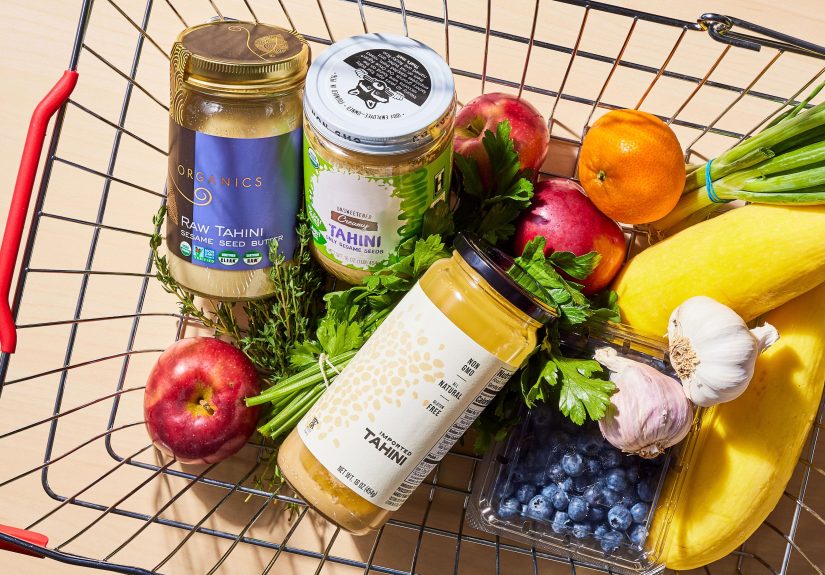
Head to the peanut butter and jelly neighborhood first. Many stores treat tahini like a nut butter cousin and
shelve it alongside seed and nut spreads. Look up and downtahini often gets parked on the top shelf (a.k.a.
“for tall people”) or the bottom shelf (a.k.a. “for people who squat like they do CrossFit”).
Pro tip: scan for labels that say tahini, tahina, or sesame paste.
It’s usually in a jar, sometimes a squeeze bottle.
2) International Foods Aisle (Mediterranean/Middle Eastern/Kosher)
If it’s not with spreads, check the international aisle. Tahini is a classic ingredient in Middle Eastern and
Mediterranean cooking, so many supermarkets shelve it with ingredients like chickpeas, olive oils, pickled items,
and sauces.
Some stores tuck it specifically into a Middle Eastern or Mediterranean
subsection. Others file it near kosher foods. If your store has a kosher endcap or dedicated
section, give it a quick looktahini can show up there.
3) Condiments / “Fancy Pantry” Aisle
In some layouts, tahini lands with condiments, premium oils, vinegars, and specialty ingredients. If your store
has an aisle where the olives look expensive and the balsamic vinegar has opinions, that’s the one.
This placement is common in supermarkets that treat tahini as a sauce base rather than a spread.
4) The Hummus Zone (Refrigerated Dips & Deli Area)
No, tahini doesn’t usually need refrigeration when it’s just sesame pastebut some stores still shelve it
near hummus, baba ghanoush, and other dips because that’s where people think about it. If you’ve checked the two
main aisles, stroll over to the refrigerated dips and deli case area.
While you’re there, you can also check for pre-made tahini sauce (often lemony/garlicky and ready
to drizzle). That’s a different product than plain tahini paste, but it can rescue dinner in a pinch.
5) Natural / Organic / “Better-for-You” Section
If your store has a wellness or natural foods section, tahini may be stocked thereespecially brands that market
themselves as organic, single-ingredient, or minimally processed. This is also where you might find alternative
tahinis (like black tahini) or specialty jars with extra smooth textures.
6) Ethnic Specialty Endcaps (Seasonal or Cross-Merchandising Displays)
Grocery stores love endcaps. If there’s a Mediterranean-themed displaypita, chickpeas, olive oil, spicestahini may
be hanging out with its friends. It’s worth a quick scan at the aisle ends near international foods.
7) Use the Store App (Or Ask a HumanThey’re Surprisingly Good at This)
If you’re doing curbside pickup or shopping in a large chain, use the store’s app or website search with keywords:
tahini, tahina, sesame paste, sesame butter.
Many listings show the aisle number.
And yesasking an employee works. If you want to feel extra prepared, say: “Hi! Where do you keep tahini (sesame
paste)?” That parenthetical “sesame paste” is the cheat code.
How to Choose the Right Tahini Once You Find It
Read the Ingredient List Like a Detective
The simplest, most versatile tahini is usually just sesame seeds (sometimes with salt).
Some brands add oil to improve pourability. That’s not automatically badit can make it creamier and easier to use
but you should know what you’re buying.
Hulled vs. Unhulled: Smooth vs. Bold
- Hulled tahini is lighter in color, smoother, and mildergreat for sauces, dressings, and baking.
- Unhulled tahini tends to be darker, a bit more bitter/earthy, and higher in fiberbest if you like a stronger sesame punch.
Raw vs. Roasted: Neutral vs. Toasty
You’ll also see “raw” or “roasted” tahini. Raw is usually lighter and more neutral; roasted is deeper, toastier,
and can read as more assertive in savory dishes. Neither is “right”it’s flavor preference and what you’re cooking.
Don’t Panic About Separation (It’s Normal)
Like natural peanut butter, tahini often separates. Oil rises to the top; solids settle. This is normal and not a
sign your jar is haunted. Stir it thoroughly before using (a long spoon helps), or warm it slightly to loosen it.
Storage, Shelf Life, and “Did My Tahini Go Bad?”
Plain tahini is generally shelf-stable. Unopened jars belong in a cool, dry pantry. After opening, you have two
good options:
- Pantry storage: convenient and easy to scoop; best if you use it regularly.
- Refrigerator storage: can slow rancidity and extend freshness, but it may thicken and need time to soften before use.
The biggest enemy of opened tahini is moisture. Always use a clean, dry utensil. Once water gets
involved, the clock speeds up.
Important distinction: Tahini paste vs. tahini sauce
Tahini paste (just sesame) is more forgiving. But once you make tahini sauce (tahini mixed with
water/lemon/garlic), treat it like a perishable condiment: refrigerate it and use it within about a week (often less).
Signs it’s gone off
- Smell: sharp, paint-like, or unpleasantly rancid (healthy fats can turn).
- Taste: intensely bitter beyond “toasty sesame.”
- Appearance: visible mold or anything fuzzy (no debatetoss it).
What to Make with Tahini (Beyond Hummus)
Hummus is the gateway recipe, but tahini has range. Here are quick, specific ideas you can actually use on a
weeknight:
1) 2-Minute Lemon-Garlic Tahini Sauce
In a bowl, whisk tahini + lemon juice + grated garlic + salt. Add warm water a tablespoon at a time
until it turns silky and pourable. Drizzle on roasted vegetables, grain bowls, falafel, or grilled chicken.
2) Creamy Salad Dressing Without Dairy
Blend tahini with lemon, a little maple syrup (optional), Dijon mustard, and water. It makes salads feel like they
went to culinary school.
3) Upgrade Toast Like an Adult
Spread tahini on toast, then add honey and flaky salt, or sliced banana and cinnamon. It’s peanut-butter energy,
but wearing a blazer.
4) Dessert Move: Tahini + Chocolate
Tahini’s nutty flavor is excellent with chocolatethink cookies, brownies, puddings, and no-bake bars. A spoonful
in batter adds richness without screaming “sesame.”
If You Still Can’t Find Tahini
Try these shopping fallbacks
- Middle Eastern or Mediterranean markets: usually multiple brands and sizes, often better value.
- Online grocery ordering: search by “tahini” and filter by in-stock.
- Substitutes in a pinch: sunflower seed butter or unsweetened cashew butter for creaminess; add a tiny splash of toasted sesame oil if you need sesame flavor (use lightlysesame oil is loud).
If your recipe is specifically tahini-forward (like classic hummus or tahini sauce), a substitute will change the
flavor. But for dressings, marinades, and baking, a neutral nut/seed butter can still deliver creamy success.
Real-World “Tahini Hunt” Experiences (So You Feel Less Alone)
Since tahini has multiple “homes,” shoppers often experience the same funny, slightly chaotic scavenger hunt.
Here are common situations people run intoplus what actually works to solve them.
Experience #1: “I checked international foods. Nothing. Am I spelling it wrong?”
Totally normal. Many shoppers assume tahini must be in the international aisle because it’s a Middle Eastern staple.
But in some stores, tahini has been “promoted” to the nut butter aisle because it sells like a spread.
The result: you can stand under a giant sign that says INTERNATIONAL FOODS while the tahini is ten aisles away,
chilling next to almond butter like it pays rent there.
What helps: search for “sesame paste” and “tahina,” not just “tahini.” Some shelf tags use
alternate spellings. Also look at the very top and bottom shelvesstores love to stash slower-moving jars there.
Experience #2: “It was near the hummus… but it wasn’t plain tahini.”
This one is sneaky. In the refrigerated dips area, you might find tahini sauce (pre-mixed with lemon,
garlic, or herbs) rather than plain tahini paste. It’s delicious, but if you’re making hummus or baking, you
probably need the plain jar.
What helps: check the label for ingredients. If you see water, lemon juice, garlic, or stabilizers,
it’s a prepared sauce. For plain tahini, you’re looking for something closer to “sesame seeds” (and maybe salt/oil).
Experience #3: “I found two kinds and one tastes bitter. Did I buy the wrong one?”
Tahini flavor varies a lot. Some jars are mild, creamy, and almost sweet; others are bold, earthy, and slightly bitter.
Unhulled tahini and some darker roasted versions can taste more intensegreat in savory sauces, less ideal if you’re
new to tahini and expecting “peanut butter but sesame.”
What helps: if you’re making your first tahini dressing or hummus, start with a smooth, hulled tahini.
If your tahini tastes harsh, try stirring thoroughly (separation can concentrate flavors), then soften it with lemon
and a pinch of salt. Bitter can mellow when balanced.
Experience #4: “Why is it so thick? Did my fridge ruin it?”
If you refrigerate tahini, it can thicken. That doesn’t mean it’s spoiledit’s just acting like a high-fat paste in
cold temperatures. The same thing happens to natural peanut butter and some oils.
What helps: let it sit at room temperature for a bit before stirring. If you’re making sauce, warm
water is your friend: add it gradually while whisking and watch tahini transform into a creamy drizzle.
Experience #5: “I gave up and bought it onlinenow I have a giant jar and commitment issues.”
Big jars are cost-effective, but only if you actually use them. The good news is tahini is easy to work into meals:
whisk it into salad dressing, stir it into yogurt with honey, blend it into smoothies, or use it as a base for a
quick sauce on roasted vegetables.
What helps: create a “default tahini moment” in your routine. For example: every time you roast
veggies, make a quick tahini-lemon drizzle. Or every time you do a grain bowl, add tahini dressing. It turns a jar
from “specialty ingredient” into “why didn’t I do this sooner?”
The takeaway: if you can’t find tahini in 90 seconds, it’s not youit’s the store’s category logic. Follow the
three-stop plan (nut butters → international foods → hummus/deli), and you’ll usually win the game.
Conclusion
Tahini is a versatile sesame seed paste that can live in several aisles depending on your store’s layout. Start
with the nut and seed butter aisle, then check the international/Mediterranean (and sometimes kosher) section, and
finish near the hummus and refrigerated dips. Once you find it, pick a style that matches your cooking, stir well,
store it smart, and enjoy the fact that you now own an ingredient that can turn “basic dinner” into “I totally meant
to do this.”





 Close
Close