
Table of Contents >> Show >> Hide
- The Short Answer: New Zealanders Are Called Kiwis Because of the Kiwi Bird
- What Is a Kiwi Bird?
- Where Did the Word “Kiwi” Come From?
- How World War I Helped Make “Kiwi” a National Nickname
- Why the Kiwi Was the Perfect Symbol for New Zealanders
- Is “Kiwi” Offensive?
- Kiwi Bird vs. Kiwifruit: Which Came First?
- Why Do Americans Often Say “Kiwi” for the Fruit?
- How “Kiwi” Became Part of National Identity
- The Role of Sports in Spreading the Kiwi Identity
- The Kiwi as a Conservation Symbol
- Common Misunderstandings About the Word “Kiwi”
- Why the Nickname Still Works Today
- How to Use “Kiwi” Correctly in Writing
- Experiences Related to the Topic: Understanding the Kiwi Nickname in Real Life
- Conclusion
If you have ever heard someone say, “I met a Kiwi on my trip,” they probably were not talking about a small brown bird wearing hiking boots. They meant a person from New Zealand. Around the world, New Zealanders are affectionately called “Kiwis,” a nickname that is short, cheerful, instantly recognizable, and just unusual enough to make people ask, “Wait, like the fruit?”
The answer is: not exactly. New Zealanders are called Kiwis mainly because of the kiwi bird, a flightless, nocturnal bird native to New Zealand and deeply tied to the country’s identity. The nickname became especially popular during World War I, when New Zealand soldiers were associated with kiwi symbols on military badges and were increasingly referred to as “Kiwis.” Over time, the term moved from the battlefield to everyday speech and became a proud national nickname.
Today, “Kiwi” can mean three things: the bird, a person from New Zealand, or the fuzzy green fruit properly called kiwifruit. That is a lot of responsibility for one small word. But the story behind it is more than a vocabulary lesson. It is a story about national identity, military history, branding, nature, culture, and a bird that looks like it was assembled by committee after the wings budget ran out.
The Short Answer: New Zealanders Are Called Kiwis Because of the Kiwi Bird
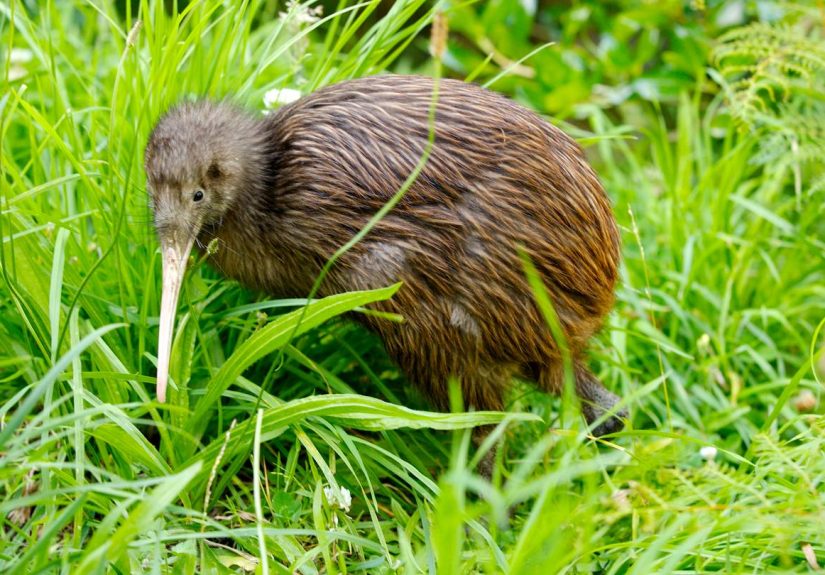
The kiwi bird is one of New Zealand’s most famous natural symbols. It is small, flightless, mostly nocturnal, and unlike almost any other bird on Earth. It has tiny wings, hair-like feathers, strong legs, a long bill, and nostrils near the end of that bill. In other words, it is not trying to win a conventional beauty contest, but it has personality for miles.
The bird is native to New Zealand, and because it is found only there in the wild, it became a convenient symbol for the country’s uniqueness. Just as the bald eagle is strongly associated with the United States and the kangaroo with Australia, the kiwi became a natural emblem for New Zealand. Eventually, the name of the bird became attached to the people.
However, the nickname did not appear overnight. People did not simply look at the bird and declare, “Excellent, from this day forward all New Zealanders shall be named after this shy feathered potato.” The word grew in popularity through military use, national pride, and international exposure.
What Is a Kiwi Bird?
Before we talk about the nickname, it helps to understand the bird. The kiwi belongs to the genus Apteryx, a name that essentially means “without wings.” That is not an insult; it is biology. Kiwi birds are ratites, a group of mostly flightless birds that includes ostriches, emus, cassowaries, and rheas. Unlike those larger cousins, the kiwi is compact and secretive, more likely to be heard rustling at night than seen posing for tourists.
Kiwis are nocturnal, which means they are most active after dark. They use their strong sense of smell to find insects, worms, and other small creatures in the ground. Their nostrils are located near the tip of the bill, a rare feature among birds. If birds had detective agencies, the kiwi would be the one sniffing out clues while everyone else was still looking for binoculars.
The bird also lays an impressively large egg compared with its body size. This is one of the kiwi’s most famous biological quirks and another reason people find it fascinating. The kiwi may be small, but it does not do anything halfway.
Where Did the Word “Kiwi” Come From?
The word “kiwi” comes from te reo Māori, the Māori language. It is often said to imitate or refer to the shrill call of the male kiwi bird. Long before the term became an international nickname for New Zealanders, it belonged to the bird itself.
In Aotearoa New Zealand, the kiwi bird also has cultural meaning. For Māori, kiwi feathers have been used in precious cloaks known as kahu kiwi, and the bird is regarded as a treasured part of the natural world. The bird’s importance is not just decorative. It connects to land, identity, guardianship, and tradition.
That cultural depth matters. When the term “Kiwi” is used for New Zealanders, it carries more than cuteness. It points to a relationship between people and place, between national identity and a bird that could not belong anywhere else quite so perfectly.
How World War I Helped Make “Kiwi” a National Nickname
The biggest turning point in the nickname’s history came during World War I. New Zealand soldiers serving overseas were far from home, fighting alongside troops from Britain, Australia, Canada, and other parts of the British Empire. In that environment, national identity became sharper. A man from New Zealand was no longer simply a colonial soldier. He was visibly, culturally, and emotionally from New Zealand.
The kiwi image had already appeared on military badges before World War I, including on New Zealand regimental insignia. During the war, that symbol became more familiar. Soldiers from New Zealand were increasingly called “Kiwis,” and the nickname stuck because it was distinctive, easy to say, and clearly tied to their homeland.
By 1917, the term was already being used for New Zealand soldiers. After the war, the nickname became even more visible through the famous Bulford Kiwi, a giant chalk figure carved into a hillside in Wiltshire, England, in 1919 by New Zealand troops waiting to return home. Imagine being homesick after war and deciding to leave behind a massive bird on a hill. Subtle? Not really. Memorable? Absolutely.
The Bulford Kiwi helped symbolize the presence of New Zealand soldiers abroad. It also turned the kiwi into a physical marker of identity outside New Zealand itself. The bird was no longer just a native creature back home. It had traveled, symbolically, with the people.
Why the Kiwi Was the Perfect Symbol for New Zealanders
National nicknames work best when they feel natural. “Kiwi” worked because the bird represented several things New Zealanders could identify with: uniqueness, resilience, independence, and a slightly understated charm.
The kiwi bird is not flashy. It does not soar dramatically across mountain ranges like an eagle. It does not roar, strut, or show off a tail like a peacock. It gets on with life quietly, efficiently, and mostly at night. That may be part of its appeal. The kiwi fits a common image of New Zealanders as practical, modest, resourceful people who prefer action over bragging.
Of course, no national symbol can describe every person in a country. New Zealanders are diverse, and not everyone experiences the nickname in exactly the same way. Still, for many people from New Zealand, “Kiwi” is affectionate and familiar. It is used in sports, business, politics, tourism, media, and everyday conversation.
Is “Kiwi” Offensive?
In most contexts, “Kiwi” is not offensive. It is widely used by New Zealanders themselves and is generally understood as friendly and informal. You might hear people say “Kiwi culture,” “Kiwi humor,” “Kiwi ingenuity,” “Kiwi families,” or “Kiwi travelers.” The term appears in headlines, advertising, sports commentary, and casual speech.
That said, context always matters. Like any nickname, it should be used respectfully. Some people may prefer “New Zealander,” especially in formal writing or when discussing identity in a more serious cultural or political context. In addition, Aotearoa New Zealand includes Māori, Pacific peoples, Pākehā, Asian New Zealanders, and many other communities. A single nickname cannot capture all of that complexity.
As a general rule, “Kiwi” is safe in casual, friendly contexts. In formal articles, legal writing, academic work, or sensitive discussions, “New Zealander” may be more precise. Think of “Kiwi” as the comfortable sweater of national labels: warm, familiar, and great most of the time, but not always the right outfit for a courtroom.
Kiwi Bird vs. Kiwifruit: Which Came First?
Here is where many people get confused. New Zealanders are not called Kiwis because of kiwifruit. The bird came first. The nickname for people came from the bird. The fruit came later in the naming story.
Kiwifruit originally came from China and was once widely known in English as Chinese gooseberry. It was cultivated commercially in New Zealand, where growers eventually renamed it “kiwifruit” in 1959 for export marketing. The new name connected the fruit with New Zealand’s national symbol, the kiwi bird. The fruit’s brown fuzzy skin also made the comparison easy enough for shoppers to remember.
So the order is simple: kiwi bird first, Kiwi people nickname second, kiwifruit branding later. If the word “kiwi” were a family tree, the bird would be the grandparent, the people would be the proud adult child, and the fruit would be the cousin who became famous in grocery stores.
Why Do Americans Often Say “Kiwi” for the Fruit?
In American English, people often shorten “kiwifruit” to “kiwi.” That is normal in U.S. grocery stores, recipes, and casual speech. If someone in the United States says, “I put kiwi in my smoothie,” nobody expects a bird to be involved. At least, one hopes not.
In New Zealand, however, the distinction can matter more. “Kiwi” often refers to the bird or a New Zealander, while “kiwifruit” refers to the fruit. This is why visitors may hear a gentle correction from New Zealanders. It is not usually a major issue, but saying “kiwifruit” is more precise and shows cultural awareness.
For SEO writing, travel content, and educational articles, it is smart to use the full term “kiwifruit” when discussing the fruit. That avoids confusion and keeps the bird from being accidentally turned into a smoothie ingredient.
How “Kiwi” Became Part of National Identity
The rise of “Kiwi” as a nickname reflects how national identity often forms outside the country itself. New Zealanders abroad needed a word that separated them from Australians, British people, and other English-speaking communities. “Kiwi” did the job neatly.
The term became especially useful because New Zealand is a relatively small country with a strong global presence. New Zealanders travel widely, compete in international sports, contribute to global business and entertainment, and are known for a certain relaxed confidence. “Kiwi” became a compact way to carry all of that into one word.
The nickname also appears in phrases such as “Kiwi ingenuity,” which describes a practical, inventive, do-it-yourself approach to problem-solving. The phrase suggests that New Zealanders are good at making things work with limited resources. It is the cultural cousin of fixing a fence with wire, solving a crisis with calm, and somehow producing world-class athletes from a population smaller than many major cities.
The Role of Sports in Spreading the Kiwi Identity
Sports helped spread the nickname even further. New Zealand’s national rugby league team is known as the Kiwis, and New Zealand athletes in many sports are casually called Kiwis by fans and commentators. International sports coverage gave the nickname repeated global exposure.
While the All Blacks are New Zealand’s most famous rugby union team, the broader word “Kiwi” remains a flexible label across sports. It can refer to players, fans, coaches, teams, or the national style of play. When a commentator says, “The Kiwis are dangerous on the counterattack,” viewers instantly know the reference is to New Zealand.
This kind of repetition matters. National nicknames survive when they are used often and warmly. Sports gave “Kiwi” a global stage, and the term performed well under pressure.
The Kiwi as a Conservation Symbol
The kiwi bird is beloved, but it is also vulnerable. Habitat loss and introduced predators such as stoats, dogs, and cats have threatened kiwi populations. Because the bird is flightless and nests on or near the ground, it faces risks that many flying birds can escape.
Conservation programs in New Zealand work to protect kiwi through predator control, habitat restoration, breeding programs, public education, and community involvement. These efforts are not just about saving a bird. They are about protecting a living national symbol.
When New Zealanders call themselves Kiwis, the nickname creates a subtle responsibility. It reminds people that identity is tied to nature. If the bird matters enough to name a nation’s people after it, then protecting it matters too.
Common Misunderstandings About the Word “Kiwi”
Misunderstanding 1: New Zealanders Are Named After the Fruit
This is the most common mistake. New Zealanders are called Kiwis because of the bird, not the fruit. The fruit was named later for marketing reasons.
Misunderstanding 2: Kiwi Birds Are Commonly Seen Everywhere
Despite being a national symbol, kiwi birds are not usually seen casually walking around city streets. They are nocturnal and shy, and many live in protected areas. Seeing one in the wild is special.
Misunderstanding 3: “Kiwi” Is Always Formal
“Kiwi” is widely accepted but still informal. “New Zealander” is better for formal or official contexts.
Misunderstanding 4: The Kiwi Bird Is Officially the National Bird by Law
The kiwi is widely recognized as New Zealand’s national bird and symbol, even if its status is more cultural than strictly legal. Its place in the national imagination is not in doubt.
Why the Nickname Still Works Today
Some nicknames fade because they feel old-fashioned or forced. “Kiwi” has lasted because it remains useful, positive, and distinct. It is short enough for headlines, warm enough for conversation, and meaningful enough for national identity.
It also avoids sounding overly grand. New Zealand culture often values humility and humor, and “Kiwi” fits that mood. It does not sound imperial or dramatic. It sounds approachable. It carries pride without needing a marching band.
Most importantly, the nickname connects people to place. New Zealand’s landscapes, wildlife, Māori heritage, military history, and modern culture all echo through the word. That is a lot for four letters to carry, but somehow “Kiwi” manages it.
How to Use “Kiwi” Correctly in Writing
If you are writing for an American audience, use “Kiwi” with a capital K when referring to a person from New Zealand. For example: “A Kiwi traveler shared tips for visiting Queenstown.” Use “kiwi” or “kiwi bird” when referring to the animal, depending on your style guide. Use “kiwifruit” when referring to the fruit, especially in clear or formal writing.
In SEO content, the best approach is to include related phrases naturally: “Why are New Zealanders called Kiwis?”, “Kiwi nickname origin,” “New Zealand kiwi bird,” “Kiwi people,” and “kiwifruit vs kiwi.” These terms help search engines understand the topic without turning the article into a keyword casserole.
Good writing should sound human first. Search engines are important, but readers are the ones deciding whether to stay, scroll, share, or bounce faster than a rugby ball on wet grass.
Experiences Related to the Topic: Understanding the Kiwi Nickname in Real Life
One of the best ways to understand why New Zealanders are called Kiwis is to imagine how the word appears in everyday travel, conversation, and cultural exchange. For many visitors, the first encounter with “Kiwi” happens before they even land in New Zealand. They may see it in travel guides, airline magazines, sports articles, or phrases like “Kiwi hospitality” and “Kiwi adventure.” At first, it sounds playful. After a while, it starts to feel like a doorway into the country’s personality.
A traveler arriving in Auckland might hear someone say, “He’s a Kiwi,” and quickly realize that the word is not a joke or a tourist slogan. It is a normal part of speech. Locals use it casually, the way Americans might say “Californian” or “Texan,” but with a warmer, more informal tone. It can describe a person, a habit, a style of humor, or a practical way of doing things. A “Kiwi solution” often means something clever, simple, and slightly improvised, as if someone solved a problem using a toolbox, common sense, and the quiet belief that making a fuss is optional.
In museums and wildlife centers, the nickname takes on a deeper meaning. Seeing a kiwi bird in a nocturnal enclosure can be surprisingly moving. The bird is smaller and stranger than many visitors expect. It walks with purpose, probes the ground with its long bill, and seems completely uninterested in performing for an audience. That is part of its charm. The kiwi is not majestic in the traditional sense. It is not a soaring eagle or a roaring lion. It is vulnerable, unusual, determined, and unmistakably local. Once visitors see the bird, the nickname “Kiwi” feels less random and more affectionate.
The word also becomes meaningful in conversations with New Zealanders overseas. A New Zealander living in New York, London, Sydney, or Los Angeles may call themselves a Kiwi because it instantly identifies where they are from without needing a long explanation. It is friendly and memorable. It also separates New Zealand identity from Australia, which is useful because, yes, people still mix them up. Calling a New Zealander Australian is one of those errors best corrected quickly, preferably with humility and maybe a peace offering of coffee.
Sports provide another real-world experience of the nickname. During international matches, commentators and fans often refer to New Zealand athletes as Kiwis. The term carries pride and competitive energy. Whether in rugby league, cricket, sailing, athletics, or winter sports, “Kiwi” becomes shorthand for national spirit. It suggests toughness without loudness, confidence without swagger, and a habit of showing up ready.
Food creates a different kind of experience. In the United States, many people say “kiwi” when they mean the fruit. Then they learn that in New Zealand, “kiwifruit” is the clearer term, because “Kiwi” may mean a person or the bird. This small language difference often becomes a fun cultural lesson. It reminds travelers that words carry local meanings, and using them thoughtfully is part of respectful travel.
Perhaps the most memorable experience related to the Kiwi nickname is realizing how much identity can fit into one small word. “Kiwi” is casual, but it is not empty. It carries history from World War I, the symbolism of a rare native bird, the global spread of New Zealand culture, and the everyday pride of people who use the word for themselves. That is why the nickname has lasted. It feels personal without being narrow, humorous without being silly, and national without being stiff.
So when someone asks, “Why are New Zealanders called Kiwis?” the simple answer is “because of the bird.” But the better answer is that the kiwi bird became a symbol of home, and New Zealanders carried that symbol into the world. The nickname stuck because it sounded right, felt right, and still does.
Conclusion
New Zealanders are called Kiwis because the kiwi bird became one of the country’s strongest and most beloved symbols. The nickname grew from the bird’s uniqueness, strengthened through New Zealand military identity during World War I, and spread into global everyday language. It is not based on kiwifruit, although the fruit later borrowed the name for export marketing.
Today, “Kiwi” is more than a nickname. It is a friendly expression of national identity, a reminder of New Zealand’s natural heritage, and a symbol of a country that manages to be small, distinctive, practical, and globally admired all at once. Not bad for a word that started with a shy bird wandering around in the dark.






 Close
Close