
Table of Contents >> Show >> Hide
- What Counts as “Small Fish,” and Why Size Matters
- The Nutrient Jackpot: Big Benefits in a Small Package
- Low-Mercury Seafood: Why Small Fish Are Often a Safer Habit
- Sustainability: Small Fish, Big Ocean Impact (Choose Wisely)
- Budget-Friendly Health Food: The Pantry Advantage
- How to Eat Sardines Without Feeling Like a Cartoon Sailor
- Who Benefits Most from Adding Small Fish?
- Conclusion: The “Small Fish” Strategy That Actually Sticks
- Experience Notes: What It’s Like to Actually Add Sardines and Small Fish to Your Diet
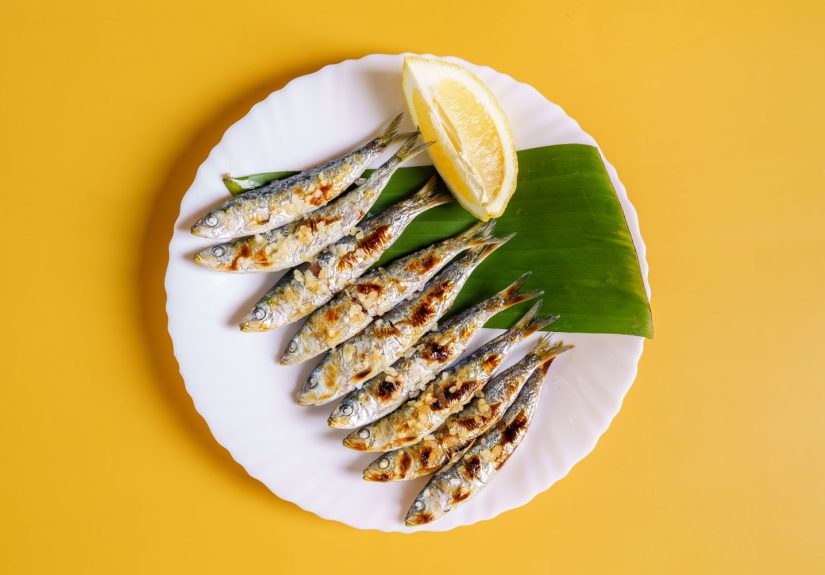
Sardines have a PR problem. They live in that awkward pantry neighborhood between “emergency protein” and “grandpa snack.” But here’s the twist: those tiny fish (and their small-fish friends) might be one of the smartest upgrades you can make to your dietwithout buying a blender, joining a cult, or pretending you love kale.
Small fish are nutrient-dense, typically lower in mercury than bigger predator fish, often easier on the budget, andwhen sourced wellcan be a more sustainable seafood choice. In other words: they’re the rare health food that doesn’t require a second mortgage or a personality transplant.
What Counts as “Small Fish,” and Why Size Matters
When people say “small fish,” they usually mean species that stay relatively small, grow fast, and sit lower on the food chain. Think: sardines, anchovies, herring, sprats, smelt, and some types of mackerel (not the giant, long-lived varieties).
The “small” part isn’t just cuteit’s biologically meaningful. In general, the longer a fish lives and the higher it sits in the ocean food chain, the more time it has to accumulate contaminants like methylmercury. Smaller, shorter-lived fish tend to come with a lower mercury risk, which can make them easier to fit into a regular weekly routine.
The Nutrient Jackpot: Big Benefits in a Small Package
A lot of “superfoods” are basically marketing with a garnish. Small fish are different: their nutrition is legitimately impressive, and it’s not tied to a single trendy compound. You’re getting a team sport of nutrients that support heart, brain, bone, and muscle health.
1) Omega-3s (EPA and DHA): Heart and Brain Support You Can Actually Eat
If you’ve heard anything about fish and health, it’s probably “omega-3s.” That’s fairlong-chain omega-3 fatty acids (EPA and DHA) are strongly associated with cardiovascular benefits and play important roles in brain and eye health. Small fatty fish are classic omega-3 sources, and sardines, herring, and anchovies make it easy to get them without living on salmon forever.
The practical win: many people struggle to eat fish consistently. Small fish help because they’re convenient. They’re often sold canned, already cooked, shelf-stable, and ready to go on toast, into pasta, or straight into your mouth like you’re a sailor who just discovered Wi-Fi.
If you’re aiming for a heart-health-friendly routine, building two fish meals a week is a realistic target for most households. Small fish make that goal feel less like a “plan” and more like “Tuesday lunch.”
2) Bone Health: The Sneaky Calcium Trick (Yes, the Bones Are the Point)
One reason sardines deserve a standing ovation is that they can be a calcium-rich food in a way most seafood isn’t. When sardines are canned with the soft, edible bones, those bones contribute meaningful calciumplus phosphorus and other minerals that support skeletal health.
This is especially helpful for people who don’t love dairy, don’t tolerate it well, or simply want more ways to hit their calcium needs. Bonus points: sardines can also provide vitamin D, a nutrient many Americans come up short on, and one that helps the body absorb calcium effectively.
Translation: sardines aren’t just “protein.” They’re a compact bone-health package that doesn’t taste like chalk or require a chewable tablet.
3) Protein + Micronutrients: B12, Selenium, Iodine, and Friends
Small fish pull their weight in the protein department, but the real flex is their micronutrient density. Many varieties provide vitamin B12 (key for nerve function and blood cell formation), selenium (important for antioxidant systems and thyroid function), and often iodine and iron, depending on species and preparation.
For people trying to build a healthier diet without playing supplement roulette, small fish offer “real food” nutrition: multiple essentials bundled together in a portion that doesn’t require a spreadsheet to assemble.
Low-Mercury Seafood: Why Small Fish Are Often a Safer Habit
Mercury is the topic that makes seafood feel complicated. The good news is you don’t need a marine biology degree to make smart choices. A simple rule of thumb works surprisingly well: smaller, shorter-lived fish are typically lower in mercury than large predatory fish.
That’s a big deal if you’re eating seafood regularly, and it matters even more for people who are pregnant or breastfeeding, or for young children. Public health guidance commonly emphasizes choosing fish that are lower in mercury while still providing beneficial nutrients like omega-3s.
In real life, that looks like rotating in sardines, herring, anchovies, trout, and salmonrather than relying heavily on high-mercury species. Small fish give you variety, which is a quiet superpower in nutrition: variety spreads out risk and boosts nutrient coverage.
Sustainability: Small Fish, Big Ocean Impact (Choose Wisely)
Now for the part where your dinner meets the planet. Many small fish are considered “forage fish,” meaning they’re an important food source for larger fish, seabirds, and marine mammals. They’re also harvested by humanssometimes for direct consumption, sometimes for fishmeal and fish oil.
Here’s the balanced take: small fish can be a more sustainable seafood choice when they come from well-managed fisheries, but “small” doesn’t automatically equal “sustainable.” Stocks vary by region, and fishing practices and management matter. Some sardine fisheries are in great shape; others are under pressure.
So what’s the consumer move? Use reputable sustainability ratings (like color-coded guides) and look for sourcing transparency. If you buy canned sardines or anchovies, check the label for where they were caught and consider choosing products aligned with “Best Choice” style ratings. It’s one of the few times “reading the fine print” actually improves your life.
Budget-Friendly Health Food: The Pantry Advantage
Healthy eating gets blamed for being expensiveand sometimes, yeah, it is. But sardines and other canned small fish are a counterexample: they’re often budget-friendly, shelf-stable, and available year-round. No “only at the farmers market” vibes required.
Also: canned fish is not “second-best fish.” The canning process makes seafood convenient, and it can preserve many nutrients well. If your main barrier is cooking time (or you’re tired of washing pans that “soaked” overnight and somehow got worse), small fish are a practical win.
Watch-outs: Sodium, Oils, and Labels That Actually Matter
Canned fish can be higher in sodium, depending on the brand and packing liquid. If you’re watching blood pressure or trying to reduce sodium, look for low-sodium or no-salt-added options, or rinse lightly (if the texture allows).
You’ll also see different packing styles: in water, olive oil, soybean oil, mustard sauce, tomato sauce, and more. Olive oil can be a tasty option, but pay attention to the overall calorie picture if that matters to your goals. If you’re using sardines as a swap for processed meats, you’re already winningjust don’t let the sauce turn it into a sodium theme park.
How to Eat Sardines Without Feeling Like a Cartoon Sailor
Let’s be honest: the biggest obstacle to eating sardines is not nutrition science. It’s vibes. So here are strategies that work for normal humans.
Start with “Gateway” Options
- Skinless/boneless sardines if you want the mildest introduction.
- Tomato sauce or lemon varieties if you want flavor that says “Mediterranean lunch,” not “dockside drama.”
- Smoked options if you like bolder flavor (and want your salad to taste like it has a backstory).
Easy Meal Ideas (No Chef’s Knife Required)
- Sardine toast: Mash sardines with lemon juice, black pepper, and a little mustard. Pile onto whole-grain toast. Add sliced cucumber or tomato for crunch.
- Avocado + sardines: Put sardines on avocado toast with herbs and a splash of vinegar or citrus. It’s creamy, salty, brightbasically “brunch” without the line.
- Pasta upgrade: Toss sardines (or anchovies) into warm pasta with garlic, olive oil, chili flakes, and parsley. The fish melts into the sauce like a savory cheat code.
- Salad power-up: Add sardines or herring to a big salad with olives, beans, and crunchy vegetables. Suddenly your salad has protein, omega-3s, and self-esteem.
- Fish cakes: Mix sardines with breadcrumbs, egg, herbs, and spices. Pan-sear into small patties. Serve with yogurt sauce or spicy mustard.
Anchovies: The Tiny Fish That People “Hate” Until They Don’t
Anchovies deserve special mention because they’re often misunderstood. Used correctly, they don’t make food taste “fishy.” They make it taste deepermore savory, more satisfying. A couple of anchovies melted into olive oil with garlic can transform vegetables, pasta, and dressings into restaurant-level flavor.
If sardines are the headline act, anchovies are the behind-the-scenes producer making everything sound expensive.
Who Benefits Most from Adding Small Fish?
Almost anyone can benefit from replacing some highly processed proteins with nutrient-rich seafood, but small fish are especially helpful if you:
- Want more omega-3s without relying on supplements.
- Need convenient high-protein meals that don’t require cooking.
- Are trying to eat low-mercury fish more often.
- Want more calcium and vitamin D options (especially with bone-in sardines).
- Care about choosing sustainable seafoodand are willing to check sourcing.
As always, if you have a medical condition that requires specific dietary restrictions (for example, a sodium-restricted plan or certain metabolic conditions), it’s smart to match your fish choices to your needs and talk with a qualified clinician or dietitian.
Conclusion: The “Small Fish” Strategy That Actually Sticks
The secret of a healthier diet isn’t hidden in a rare berry harvested under a full moon. It’s usually something boringly practical: nutrient-dense foods you’ll actually eat, consistently, without hating your life.
Sardines and other small fish check an unusual number of boxes: omega-3s, protein, key vitamins and minerals, generally lower mercury risk, and strong convenience. They’re affordable, versatile, andwhen chosen from well-managed sourcescan be a smart sustainability move, too.
So yes, the tiny fish are calling. Your heart, brain, bones, and grocery budget would like to accept the invite.
Experience Notes: What It’s Like to Actually Add Sardines and Small Fish to Your Diet
Nutrition articles love to say “just incorporate sardines into your weekly routine,” as if you can casually incorporate anything into a routine without your brain staging a protest. Real life is messier, funnier, andif you do it rightsurprisingly delicious. Here’s what people commonly experience when they decide to give sardines (and their small-fish buddies) an honest try.
Week 1: The Can-Opening Ceremony (a.k.a. “Why Does This Feel So Dramatic?”)
The first tin is always the hardest. There’s curiosity, mild suspicion, and the irrational fear that the kitchen will smell like a pier forever. The hack is to plan your first sardine moment like you plan coffee: give it a supporting cast. Lemon wedges. Black pepper. A crunchy base like toast or crackers. Something fresh like cucumber or tomatoes. When sardines land next to bright, acidic flavors, they taste less “fishy” and more “savory.”
Most first-timers also learn a surprisingly deep truth: the texture matters as much as flavor. If you’re texture-sensitive, start with skinless/boneless sardines or try smoked varieties. If you’re adventurous, bone-in sardines can be a “wait, this is… fine?” momentand then suddenly you’re the person recommending them.
Week 2: The Pantry-Savior Lunch
The real value of small fish shows up on an ordinary day: it’s 12:20 p.m., you’re hungry, and your fridge is doing that thing where it’s full of ingredients but contains “no food.” A tin of sardines fixes that. People often report that once sardines become a backup plan, they stop being “weird” and start being “useful.”
A common routine: sardines + a bagged salad + some beans or leftover grains. It’s fast, filling, and doesn’t require cooking. The funniest part is the quiet confidence you get from a lunch that actually has protein and healthy fatslike your afternoon suddenly got upgraded.
Week 3: The Flavor Upgrade (Anchovies Enter the Chat)
Around week three, many people stop thinking of anchovies as “those salty things on pizza” and start using them as a flavor tool. One or two anchovies melted into warm olive oil with garlic can make vegetables taste rich and satisfying. It’s the culinary equivalent of adding a bassline: you don’t always notice it directly, but everything sounds better.
This is also when people discover that “small fish” isn’t one foodit’s a category. If you don’t love sardines in oil, you might prefer sardines in tomato sauce. If you’re not into sardines at all, you might like herring, smoked sprats, or mackerel. Variety keeps it interesting and makes the habit easier to stick with.
Week 4 and Beyond: The Identity Shift (You Become “The Sardine Person,” Briefly)
The long-term experience is less about obsessing over nutrients and more about convenience plus consistency. People who stick with small fish often keep a few tins in the pantry for “good enough” meals that still support heart health, omega-3 intake, and protein goals. It becomes a low-effort default, which is exactly how real dietary change happens.
There are a few practical lessons that show up again and again:
- Pair with acid (lemon, vinegar, pickles) for brightness and balance.
- Add crunch (celery, cucumbers, toasted bread) to make the texture more appealing.
- Watch sodium by choosing lower-sodium options when needed.
- Rotate types of seafood so you get variety and avoid “food fatigue.”
- Don’t force it: if sardines aren’t your thing, try anchovies in cooking, herring, or other small fish styles.
And yes, there’s usually a moment where someone jokes, “Who am I?” while eating sardines over the sink. But then it’s followed by, “Okay… that was actually good.” Which is basically the highest compliment any health food can earn.







 Close
Close