
Table of Contents >> Show >> Hide
- Why Window Boxes Are a Small Upgrade With Big Curb Appeal
- Choosing the Right Window Box
- Drainage: The Non-Negotiable Rule
- Use Potting Mix, Not Garden Soil
- Match Plants to Sunlight
- Design With Thrillers, Fillers, and Spillers
- Color Ideas That Work With Your Home
- How to Plant a Window Box Step by Step
- Watering and Feeding for Healthy Window Boxes
- Seasonal Window Box Ideas
- Common Window Box Mistakes to Avoid
- of Practical Experience: What Window Boxes Teach You After the First Season
- Conclusion
A window box is basically the front porch’s charming little cousin: small, cheerful, and surprisingly powerful when it comes to first impressions. Whether your home has crisp white siding, red brick, cottage shingles, or an apartment balcony begging for attention, a well-planted window box can make the exterior feel warmer, fresher, and more thoughtfully designed.
The beauty of window boxes is that they do not require a giant yard, a landscape architect, or a secret handshake with the neighborhood garden club. With the right box, proper drainage, good potting mix, smart plant choices, and a little routine care, you can create a display that adds instant curb appeal. Think of it as jewelry for your windowsexcept this jewelry needs watering and occasionally throws a dramatic wilt if ignored during July.
This guide covers the essentials of choosing, planting, styling, and maintaining window boxes so your home looks bright, welcoming, and alive from the street. We will talk about materials, sunlight, soil, plant combinations, seasonal refreshes, and real-life lessons that make the difference between “charming cottage garden” and “why is that planter crying?”
Why Window Boxes Are a Small Upgrade With Big Curb Appeal
Window boxes work because they bring color and texture right to eye level. Instead of keeping flowers tucked away in the yard, they frame your windows and help connect the architecture of your home with the landscape around it. A plain exterior suddenly has rhythm. A flat wall gains depth. A modest window becomes a focal point.
They are also flexible. You can fill them with bright annual flowers in summer, pansies in spring, ornamental cabbage in fall, evergreen clippings in winter, or herbs near a kitchen window. For homeowners with limited outdoor space, window box gardening is a compact way to grow beauty without committing to a full garden bed.
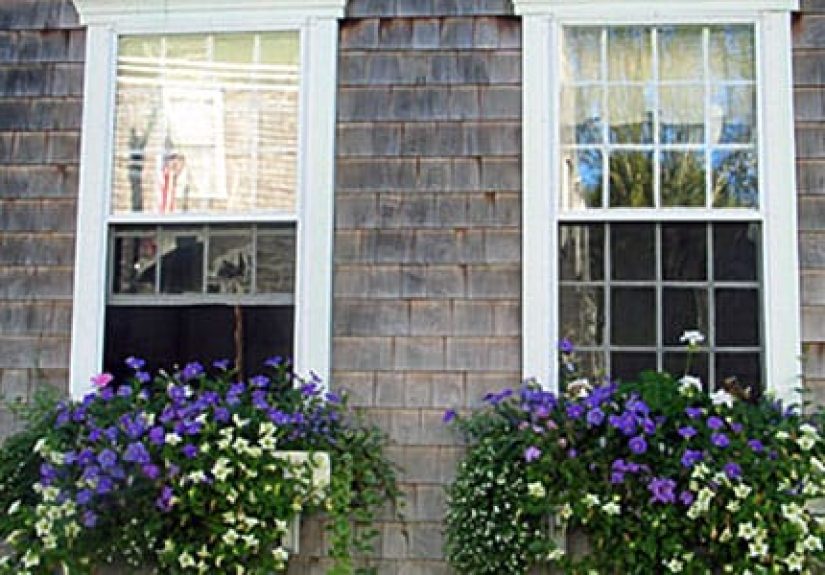
Another advantage is personality. A white farmhouse might look lovely with blue lobelia, trailing ivy, and soft pink geraniums. A modern charcoal exterior may shine with lime sweet potato vine, purple petunias, and silver foliage. A brick home can handle bold reds, yellows, and oranges without looking like it is trying too hard. Window boxes let your house speak fluent “I care about curb appeal” without shouting.
Choosing the Right Window Box
Pick a Size That Fits the Window
A window box usually looks best when it is roughly the width of the window or slightly wider. Too short, and it can look like a nervous little shelf. Too long, and it may overwhelm the window frame. For a balanced appearance, measure your window first and choose a box that feels proportional to the trim, shutters, and wall space.
Depth matters, too. A shallow box dries out quickly and limits root growth. A deeper box gives plants more room, holds moisture better, and creates a fuller display. For most homes, a box at least 8 inches deep and 8 inches wide is a practical starting point. Bigger boxes can support more dramatic plantings, but remember: soil, water, and mature plants get heavy. Your brackets are not decorative wishes; they need to be strong.
Compare Common Window Box Materials
Wooden window boxes, especially cedar or redwood, offer a classic look and can be painted or stained to match the home. They are attractive and sturdy, but they may need liners or sealing to slow rot. Metal hayrack planters with coco liners have a charming, airy style, though they often dry out faster in hot weather. Plastic or resin boxes are lightweight, affordable, and moisture-retentive, making them beginner-friendly. Terra-cotta looks beautiful but becomes very heavy when filled and can dry out quickly.
The best choice depends on your climate, home style, and maintenance tolerance. If you live somewhere hot and sunny, a moisture-retentive material may save your plants from turning into crispy confetti. If your home has historic charm, wood may fit the architecture beautifully. If you want easy care, resin is not glamorous, but it is dependableand dependable is underrated in gardening.
Drainage: The Non-Negotiable Rule
If window boxes had a constitution, the first amendment would be: “There shall be drainage holes.” Plants need water, but they also need oxygen around their roots. Without drainage, excess water collects at the bottom, roots suffocate, and the whole display can decline quickly.
Before planting, check that your box has several drainage holes. If it does not, add them with a drill if the material allows. Cover the holes with a small piece of mesh, broken pottery, or a drainage screen to keep soil from washing out while still allowing water to escape. Do not rely on a layer of rocks alone to solve drainage problems; the water still needs a way out.
Also consider where the water will go. A second-story window box that drains onto a walkway, porch chair, or your favorite neighbor’s newspaper is not exactly a diplomatic triumph. Install saucers only where appropriate, and avoid letting water sit in them for long periods.
Use Potting Mix, Not Garden Soil
Garden soil belongs in the garden. In a window box, it can become compacted, heavy, and poorly drained. A high-quality potting mix is lighter, holds moisture more evenly, and gives roots the air pockets they need. Look for a mix designed for outdoor containers. Many include peat, coconut coir, composted bark, perlite, or vermiculite to balance moisture retention and drainage.
For extra performance, mix in slow-release fertilizer at planting time according to the label. Container plants use nutrients quickly, and frequent watering washes nutrients away. A slow-release fertilizer gives them a steady start, while occasional liquid feeding during the growing season can keep flowers blooming.
Match Plants to Sunlight
The fastest way to disappoint a plant is to put it in the wrong light. Before buying flowers, watch your window area for a day. Does it get six or more hours of direct sun? That is a full-sun location. Does it get morning sun and afternoon shade? That is partial sun. Is it mostly shaded by trees, porches, or the north side of the house? Choose shade-tolerant plants.
Best Window Box Plants for Full Sun
Sunny window boxes can handle bold, high-energy annuals. Petunias, calibrachoa, geraniums, lantana, verbena, angelonia, zinnias, and sweet potato vine are popular choices. Herbs such as thyme, oregano, rosemary, parsley, and basil can also thrive in sunny boxes, especially near a kitchen window.
Full-sun boxes need more frequent watering, especially in summer. The reward is color that can last for months when plants are fed and watered consistently.
Best Window Box Plants for Shade
Shade does not mean boring. Impatiens, begonias, coleus, torenia, fuchsia, caladium, ivy, creeping Jenny, and lobelia can brighten darker spots with flowers or colorful foliage. In shade, foliage plants are especially useful because they provide steady color even when flowers slow down.
If your window box gets only a little morning sun, begonias and coleus are excellent candidates. They bring color without demanding the full blazing spotlight. Basically, they are the introverts of the window box world: beautiful, reliable, and not asking to be roasted at noon.
Design With Thrillers, Fillers, and Spillers
A classic container design formula is “thriller, filler, spiller.” It sounds like a gardening crime novel, but it works.
Thrillers are upright focal plants that add height. Examples include geraniums, angelonia, ornamental grasses, coleus, or dwarf evergreens. Fillers are medium-height plants that create fullness, such as petunias, begonias, impatiens, marigolds, or dusty miller. Spillers trail over the edge, softening the box and making it look lush. Sweet potato vine, bacopa, lobelia, ivy, calibrachoa, creeping Jenny, and trailing verbena are excellent spillers.
For a simple sunny recipe, try geraniums as thrillers, petunias as fillers, and sweet potato vine as the spiller. For shade, combine coleus, begonias, and creeping Jenny. For a softer cottage look, use white alyssum, pale pink petunias, ivy geraniums, and blue lobelia. The goal is not to use every plant at the nursery. The goal is harmony, not a botanical traffic jam.
Color Ideas That Work With Your Home
Color is where window boxes become fun. One easy strategy is to echo the colors already on your home. If your front door is navy, add blue lobelia or purple-blue calibrachoa. If your shutters are black, use white flowers and silver foliage for contrast. If your house is cream or beige, almost every color works, which is both a blessing and a dangerous invitation to buy twelve kinds of petunias.
For a polished look, limit the palette to two or three main colors. White and green feel fresh and elegant. Pink, purple, and silver feel romantic. Red, yellow, and orange feel cheerful and bold. Blue, white, and lavender create a cool summer look. Repetition also helps. Repeating the same plant or color across multiple boxes makes the exterior feel intentional.
How to Plant a Window Box Step by Step
1. Secure the Box First
Install the window box before filling it. A box full of wet soil is heavy, awkward, and about as fun to lift as a sleepy bulldog. Use sturdy brackets and fasteners appropriate for your exterior surface, whether it is wood, brick, stucco, or siding. When in doubt, ask a hardware professional or contractor for guidance.
2. Add Fresh Potting Mix
Fill the box about halfway with potting mix. If using slow-release fertilizer, blend it in according to package directions. Avoid overfilling at this stage because you still need room for root balls.
3. Arrange Plants Before Planting
Set the plants on top of the soil while still in their nursery pots. Step back and look from the street or sidewalk. Taller plants usually go toward the back or center, fillers in the middle, and trailing plants near the front and sides. Adjust until the arrangement looks balanced.
4. Plant and Firm Gently
Remove each plant from its pot, loosen tight roots slightly, and plant it at the same depth it was growing in the container. Fill around the roots with potting mix and press gently. Leave about an inch of space below the rim so water does not immediately run off.
5. Water Thoroughly
Water until moisture drains from the bottom. This settles the soil and helps roots make contact with the potting mix. After planting, check moisture daily for the first week while plants adjust.
Watering and Feeding for Healthy Window Boxes
Window boxes dry out faster than garden beds because they hold less soil and are exposed to sun, wind, and reflected heat from walls. In warm weather, many boxes need water daily. Small boxes, coco-lined baskets, and full-sun locations may need water twice a day during heat waves.
The best test is simple: stick your finger about an inch into the soil. If it feels dry, water. If it feels moist, wait. Plants generally prefer evenly moist soil, not soggy soil. Overwatering can be just as harmful as underwatering, especially if drainage is poor.
Feed flowering annuals regularly. A slow-release fertilizer at planting time helps, but many heavy bloomers benefit from liquid fertilizer every one to two weeks during peak growth. Always follow the product label. More fertilizer does not mean more flowers; sometimes it means stressed plants and sad leaves. Gardening has rules, and plants are surprisingly strict about them.
Seasonal Window Box Ideas
Spring
Use pansies, violas, snapdragons, sweet alyssum, parsley, and cool-season herbs. Spring boxes can be soft and cheerful, especially with pastel colors and trailing greenery.
Summer
Choose heat-tolerant annuals such as petunias, lantana, angelonia, calibrachoa, verbena, geraniums, coleus, and sweet potato vine. Summer is the season for big color and bold growth.
Fall
Refresh tired summer plantings with mums, ornamental peppers, ornamental kale, pansies, heuchera, grasses, and trailing ivy. Add small pumpkins or gourds if you enjoy seasonal decor that says, “Yes, I own a sweater and I am ready.”
Winter
In colder climates, use evergreen branches, dwarf conifers, holly, pinecones, red twig dogwood stems, and weather-resistant accents. In mild climates, pansies, violas, dusty miller, and ornamental cabbage can continue providing color.
Common Window Box Mistakes to Avoid
The first mistake is ignoring weight. A wet window box is much heavier than an empty one, so secure installation matters. The second mistake is mixing plants with different water needs. A succulent and an impatiens in the same box will not agree on much. One wants dry conditions; the other wants steady moisture. That is not a garden arrangement. That is a roommate conflict.
Another common issue is overcrowding. It is tempting to pack plants tightly for an instant magazine-cover look, but they need room to grow. You can plant slightly closer for a fuller display, but be prepared to trim and maintain them. Also avoid forgetting to deadhead or prune when needed. Removing spent blooms and leggy stems encourages fresh growth and keeps the box tidy.
Finally, do not set it and forget it. Window boxes are living decor. They need water, food, trimming, and occasional replacement. The good news is that maintenance usually takes just a few minutes once you build the habit.
of Practical Experience: What Window Boxes Teach You After the First Season
The first real lesson of window boxes is that they are more exposed than they look. From inside the house, a window box may seem protected under the sill, but outside it is dealing with wind, sun, rain, reflected heat, and sometimes the mysterious neighborhood squirrel who believes every container is a personal excavation project. After one season, most gardeners learn that daily observation is more useful than any perfect schedule. A box on the east side of the house may stay happy with morning sun and moderate watering, while a west-facing box may dry out so quickly in July that the plants look offended by lunchtime.
Another experience-based tip: start with fewer plant varieties than you think you need. Garden centers are dangerous places for optimistic people. Everything looks adorable in a small pot. But once planted together, too many colors and shapes can make a window box look chaotic. A simple combination repeated across the box often looks more elegant. For example, three red geraniums, two white petunias, and two trailing vines can look better than ten unrelated plants competing for attention like contestants in a floral talent show.
Watering also becomes more intuitive with practice. At first, many beginners water on a calendar. After a few weeks, they learn to water by soil feel and weather. A rainy week may require almost no extra water, while a hot windy day can dry the box quickly. The finger test is still one of the best tools: if the top inch of soil is dry, water deeply. Shallow watering encourages weak roots and leaves dry pockets in the soil. A thorough soak is better than a nervous sprinkle.
Fertilizer is another area where experience brings balance. Hungry annuals bloom better when fed, but overfeeding can cause excessive leafy growth or stressed plants. A slow-release fertilizer mixed into the potting mix, followed by occasional liquid feeding, usually works well. It is better to follow a steady routine than to panic-feed plants after they start declining.
Maintenance becomes easier if you keep small scissors or pruners nearby. Snipping off faded blooms, trimming wild vines, and removing yellow leaves once or twice a week keeps the display fresh. This quick grooming also helps you notice pests, dry soil, or overcrowding early. A five-minute check can prevent a full window box meltdown.
One of the most satisfying discoveries is how much a window box changes the feeling of a home. People notice. Neighbors comment. Delivery drivers may not applaud, but spiritually, they know. A window box adds softness to hard surfaces and makes a house feel cared for. Even a modest planting can make an entryway more welcoming.
The final lesson is to experiment. Some plants will thrive; others will sulk. A color combination that sounded brilliant in April may feel too loud by June. That is part of the fun. Window boxes are small enough to change seasonally and forgiving enough to teach you as you go. Each refresh gets better, and eventually you learn your home’s sunlight, your climate, and your own maintenance style. The perfect window box is not the one that copies a catalog. It is the one that fits your house, survives your weather, and makes you smile when you pull into the driveway.
Conclusion
Window boxes are one of the simplest ways to brighten up the exterior of your home. They add color, soften architecture, frame windows beautifully, and create curb appeal without requiring a major renovation. The basics are straightforward: choose a sturdy box, install it securely, provide drainage, use quality potting mix, match plants to sunlight, and maintain a consistent watering and feeding routine.
From sunny petunias and trailing sweet potato vine to shade-loving begonias and coleus, the right plant combination can turn a plain window into a living focal point. Start simple, repeat colors for a polished look, and refresh seasonally to keep the display interesting all year. With a little care, your window boxes can make your home look brighter, friendlier, and far more charmingno mansion, landscape crew, or magical gardening wand required.







 Close
Close