Table of Contents >> Show >> Hide
- Why winterizing your garden matters
- Step 1: Clean up the right way, not the scorched-earth way
- Step 2: Decide which vegetables can stay
- Step 3: Protect vegetables from frost and freeze damage
- Step 4: Protect the soil like it is the main character
- Step 5: Test and plan instead of guessing next spring
- Step 6: Water smarter before winter weather hits
- Step 7: Rotate crops in your head before you rotate them in spring
- A simple winter garden checklist
- Common winterizing mistakes to avoid
- Common gardener experiences with winterizing vegetables and soil
- Conclusion
Winter has a way of exposing every gardening shortcut you took in July. Ignore a bed now, and by spring it may greet you with soggy soil, weed parties, mystery fungus, and one sad tomato cage leaning like it has given up on life. Winterize your garden properly, though, and you set yourself up for healthier soil, stronger vegetables, fewer pests, and a much easier spring start.
The good news is that winterizing does not mean turning your vegetable patch into a plastic-wrapped science experiment. In most home gardens, it comes down to a few smart moves: clean up what should not stay, protect what can survive, cover bare soil, improve the beds without overworking them, and give cold-hardy crops a fighting chance. Think of it as putting your garden to bed with a warm blanket instead of just yelling, “Good luck out there!” from the back door.
Here is how to protect your vegetables and soil before cold weather settles in for good.
Why winterizing your garden matters
Most gardeners focus on the plants they can see. Fair enough. Tomatoes are dramatic, peppers are needy, and zucchini tends to behave like it owns the property. But the real long game happens in the soil. Healthy winter garden habits protect soil structure, reduce erosion, keep nutrients from washing away, support beneficial organisms, and make spring planting much smoother.
Winterizing also helps you decide what to save and what to say goodbye to. Some vegetables are done the second a hard freeze arrives. Others, especially cool-season and cold-hardy crops, can keep producing with a little help. A neglected garden usually limps into spring exhausted. A winterized one wakes up ready for business.
Step 1: Clean up the right way, not the scorched-earth way
Remove diseased and pest-ridden plants
Start with the obvious troublemakers. Any vegetable plants that were hit by blight, mildew, viruses, rot, or heavy insect pressure should come out completely, roots and all when practical. Do not tuck diseased vines into a casual compost pile and hope for the best. Many diseases and pests can overwinter in plant debris, then return next season like uninvited relatives who know where the snacks are.
Tomatoes, peppers, cucumbers, squash, and beans are common candidates for a full fall exit if they had health problems. Bag visibly diseased material and dispose of it instead of composting it at home unless you maintain a truly hot compost system.
Keep healthy material in perspective
Not every stem belongs in the trash. Healthy plant residue can be composted or chopped and used more thoughtfully. The key word is healthy. If a bed stayed relatively clean all season, non-diseased trimmings, fallen leaves, and spent crops can become future organic matter instead of landfill material.
That said, winter cleanup is not about making your beds look like a golf course. It is about reducing disease carryover, improving soil, and preventing next year’s problems. Neat is nice. Functional is better.
Step 2: Decide which vegetables can stay
Winter gardening is not the same in Minnesota as it is in coastal California, but the principle is the same: some vegetables can handle cold, and some cannot. Warm-season crops are generally done once serious frost arrives. Cold-hardy crops may keep growing, hold in the garden for harvest, or overwinter for a jump start in spring.
Vegetables that often tolerate cold well
- Kale
- Spinach
- Collards
- Garlic
- Leeks
- Cabbage
- Brussels sprouts
- Turnips and rutabagas
- Some carrots and beets in milder climates
Many of these crops do more than survive. Some actually taste better after cool weather because the plants convert starches to sugars, which is nature’s way of rewarding patient gardeners with sweeter greens and roots.
When to pull tender crops
Tomatoes, peppers, eggplant, basil, cucumbers, melons, and squash are not winter warriors. Once the forecast starts threatening hard frost, harvest what you can and pull the rest. Your tomatoes are not “hanging in there.” They are writing a farewell letter.
Step 3: Protect vegetables from frost and freeze damage
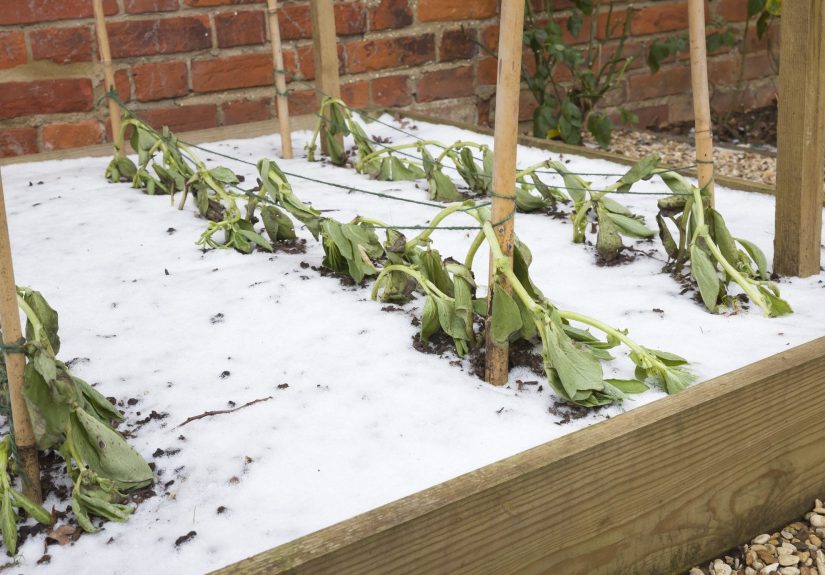
If you still have edible crops in the ground, cold protection can buy you valuable extra weeks or even months.
Use row covers for quick protection
Floating row covers are one of the easiest tools for winterizing a vegetable bed. They let in light while creating a slightly warmer, more stable environment around the plants. Lightweight covers are good for mild frost protection, while heavier fabrics offer greater insulation. They are especially useful for lettuce, spinach, brassicas, and young fall crops.
Support row covers with hoops or low tunnels when possible. Draping fabric directly over sturdy crops may work in a pinch, but supported covers are neater, more effective, and less likely to crush tender leaves.
Try low tunnels or cold frames for serious season extension
Want to keep harvesting longer? Low tunnels and cold frames are your overachieving friends. A cold frame is basically a mini greenhouse for a garden bed. It can protect greens, herbs, and some root crops well into winter, especially in areas with moderate cold. Low tunnels made from hoops and clear plastic or fabric also work beautifully for extending harvests.
One caution: sunny winter days can still overheat covered spaces. A cold frame that looks cozy at 8 a.m. can feel like a tiny vegetable sauna by noon. Vent when needed.
Use emergency covers before a freeze
For sudden cold snaps, sheets, blankets, frost cloth, or garden fabric can help trap heat rising from the soil. Cover plants before sunset and remove the covering once temperatures warm up the next day. Avoid plastic touching foliage directly unless it is part of a designed system with support, because direct contact can increase freeze injury.
Step 4: Protect the soil like it is the main character
Because it is. Bare soil in winter is vulnerable to erosion, compaction, nutrient loss, and weed invasion. A protected bed is a healthier bed.
Mulch exposed beds
If a bed will sit mostly empty, cover it. Organic mulches such as shredded leaves, straw, leaf mold, compost, or partially decomposed plant material help insulate the soil surface, reduce erosion, slow weed growth, and support soil life. In many home gardens, a mulch layer around 2 to 4 inches is ideal. Fine materials should be applied more lightly so they do not mat down into a soggy blanket of doom.
Shredded leaves are especially useful because they are free, abundant, and much less likely to blow away or form a thick wet mat once chopped. Straw is also excellent for vegetable beds, especially around overwintering crops like garlic.
Plant cover crops when you can
If you want the gold-star version of winter soil protection, plant a cover crop. Cover crops do much more than occupy space. They protect the soil surface, reduce erosion, suppress weeds, improve soil structure, support beneficial organisms, and help hold nutrients in place. Some, such as legumes, can also contribute nitrogen. Others, such as cereal grains or rye, are especially good at scavenging leftover nutrients and creating plenty of biomass.
Good cover crop choices depend on your climate and timing, but common options include winter rye, oats, crimson clover, hairy vetch, field peas, and mixes that combine grasses and legumes. The exact best choice varies by region, but the strategy is consistent: keep living roots in the ground for as much of the year as possible.
Add compost, but do it thoughtfully
Fall is a good time to add finished compost to beds, especially if your soil needs more organic matter. Compost improves structure, water-holding capacity, and microbial activity, all of which matter long after the last pepper has left the building. A moderate topdressing is often enough. You do not need to dump half a mountain on each raised bed and call it soil health.
Use finished compost, not raw kitchen scraps masquerading as “future nutrients.” If you use manure-based products, be careful not to overdo them. Too much can create nutrient imbalances, especially over time.
Do not over-till
One of the most common fall mistakes is overworking the soil. Yes, loosening compacted areas has its place. No, your beds do not need to be flipped upside down every autumn like a house being renovated for television. Excessive tillage breaks up soil structure, disturbs beneficial organisms, and can bring weed seeds to the surface.
Whenever possible, add compost or mulch to the top and let earthworms, weather, roots, and soil life do part of the work for you. Gentle improvement beats aggressive destruction.
Step 5: Test and plan instead of guessing next spring
Winterizing is not just cleanup. It is also detective work. If your garden had weak growth, poor yields, blossom-end rot, yellow leaves, or weirdly stunted plants, a soil test can save you a lot of spring frustration. Soil testing helps you understand pH and nutrient levels so you can amend with purpose rather than tossing random products around like seasoning on fries.
Fall is often a convenient time for soil testing because beds are easier to access and you have time to make a plan. The best gardens are not fed by guesswork. They are fed by evidence, compost, and a little humility.
Step 6: Water smarter before winter weather hits
Dry soil loses heat more quickly than moist soil, so watering the ground before a freeze can sometimes help protect plants from cold injury. The emphasis is on the ground, not the leaves. Wet foliage and freezing temperatures are not a romantic comedy pairing.
Keep overwintering crops and newly planted garlic adequately moist, especially if fall has been dry. At the same time, avoid soggy conditions. Waterlogged soil is bad news for roots, crown health, and general vegetable morale.
Step 7: Rotate crops in your head before you rotate them in spring
Winter is a great time to map next season’s beds. Crop rotation matters because vegetables in the same family often share pests, diseases, and nutrient demands. Replanting tomatoes after tomatoes, or cabbage after cabbage, invites recurring trouble.
Use your winterizing session to sketch where each crop grew this year and where it should move next year. It is not glamorous, but neither is explaining to your kale why the cabbage worms somehow found it again.
A simple winter garden checklist
- Harvest remaining tender crops before hard frost.
- Remove and discard diseased or infested plants.
- Compost only healthy plant material.
- Weed beds before winter annual weeds settle in.
- Add finished compost where needed.
- Mulch bare soil with shredded leaves, straw, or similar organic matter.
- Sow cover crops in open beds if timing allows.
- Protect cold-hardy vegetables with row covers, hoops, or cold frames.
- Water the soil before expected freezes if conditions are dry.
- Clean and store stakes, cages, tools, and irrigation gear.
- Map crop rotation for next season.
- Send a silent thank-you note to your future spring self.
Common winterizing mistakes to avoid
- Leaving diseased plant debris in place: convenient now, annoying later.
- Leaving beds bare all winter: this invites erosion, weeds, and nutrient loss.
- Using too much mulch right on top of crowns: insulation is good; suffocation is not.
- Tilling aggressively every fall: it can damage the structure you are trying to improve.
- Skipping a soil test for years: your soil should not remain a mystery novel forever.
- Protecting plants too late: row covers work best before the freeze arrives, not after leaves are already crisp.
- Forgetting to vent covered beds: cold frames can overheat surprisingly fast on sunny days.
Common gardener experiences with winterizing vegetables and soil
One of the most common experiences gardeners report is discovering that winter success starts before winter actually arrives. The people who have the easiest spring are usually the same ones who did not leave a jungle of collapsed tomato vines, split squash stems, and tired weeds in the beds until January. A clean, mulched bed simply behaves better. It drains better, warms more evenly, and does not greet spring with as many pests and problems.
Another familiar lesson is that cold-hardy vegetables are tougher than they look. Gardeners are often surprised that kale, spinach, collards, leeks, and garlic can sail through chilly weather with minimal protection. In many gardens, a simple row cover turns a “maybe” crop into a dependable winter harvest. The funny part is that the fussiest-looking greens often end up being the toughest residents in the whole plot. Meanwhile, the tomatoes that acted like royalty all summer collapse at the first serious frost and leave without even paying emotional rent.
Many home growers also learn that mulching changes everything. Beds covered with shredded leaves or straw tend to stay more manageable, especially after a wet or windy winter. Gardeners often notice less crusting on the soil surface, fewer winter weeds getting a head start, and better texture in spring. In contrast, bare beds can become compacted and messy, especially after repeated rain. By March, one bed may feel crumbly and ready while the unprotected one feels like a cold brick that resents being touched.
There is also the classic compost realization. Plenty of gardeners start out believing that tossing anything organic onto a pile automatically creates black gold. Then winter arrives, the pile turns into a soggy heap, and spring reveals half a pumpkin vine still recognizable enough to file taxes. Over time, gardeners learn that finished compost is what belongs on beds, while unfinished material belongs in an actual composting process. That shift alone can make the garden look and perform much better.
Another repeated experience is underestimating soil life. Gardeners often focus on feeding plants directly, but after a few seasons they notice that soil with regular compost, mulch, and cover crop residue behaves differently. It holds moisture better, drains better, and supports healthier growth even when the weather is not ideal. You can see it in the way roots move through the bed and in the way spring seedlings establish faster. Healthy soil is not flashy, but it is quietly doing the work that gardeners usually give themselves too much credit for.
Perhaps the biggest winterizing lesson is that the garden does not stop in winter. It changes jobs. Summer is about growth and harvest. Winter is about protection, planning, and rebuilding. Gardeners who embrace that rhythm stop treating the cold months as dead time. They use them to test soil, rethink rotation, repair hoops, clean tools, and keep hardy crops going under cover. The garden may look quieter, but it is still very much alive. In fact, some of the smartest gardening decisions happen when the beds seem to be sleeping.
That is why experienced gardeners rarely talk about winterizing as a chore for its own sake. They talk about it as a payoff. A few hours of work in late fall can mean fewer diseases, better soil structure, earlier planting windows, and stronger crops next year. In gardening terms, that is a pretty excellent trade. It is not glamorous, but neither is scraping weeds out of compacted mud in April and wondering where things went wrong.
Conclusion
Winterizing your garden is less about shutting things down and more about setting things up. Protect the vegetables worth saving, remove the plants that could carry trouble into next season, and never leave your soil bare when mulch or cover crops can stand guard. Add compost with intention, water wisely before freezes, and plan crop rotation while the pressure is off.
Do those things, and your garden will head into winter stronger instead of stranded. Then, when spring rolls back around, your soil will be healthier, your weeds will be less annoying, and your future self will have one very good reason to feel smug. Quietly smug, of course. Let the kale do the bragging.