Table of Contents >> Show >> Hide
- Why Yellow Foxgloves Work So Well Beside a Shaded Path
- Meet the Plant: Large Yellow Foxglove
- How to Design a Shade Path Garden with Yellow Foxgloves
- Planting Yellow Foxgloves Beside a Path
- Care Tips for Healthy, Beautiful Yellow Foxgloves
- Pollinators, Wildlife, and Garden Safety
- Common Problems and How to Fix Them
- Seasonal Design Ideas for a Shade Path
- Practical Experiences from a Yellow Foxglove Shade Path Garden
- Conclusion
Some plants politely fill space. Yellow foxgloves do not. They rise from the shade like little golden lantern towers, turning a quiet garden path into a scene that feels half cottage garden, half woodland fairy tale, and half “wait, did I suddenly become a better gardener?” Yes, that is three halves. Foxgloves have that effect.
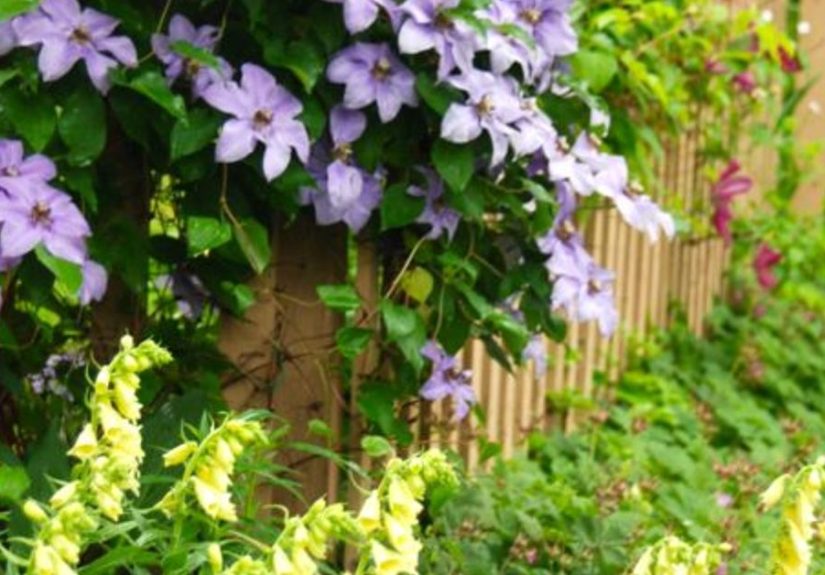
Yellow foxgloves are especially useful in a shade path garden because they bring height, color, and movement without shouting. Their soft yellow bells glow in filtered light, where hot pinks may look too loud and white flowers can sometimes feel a bit formal. Along a path, they act like natural punctuation marks: a vertical pause here, a bright wink there, a reason to slow down and look closer.
Most gardeners who talk about yellow foxglove are referring to Digitalis grandiflora, often called large yellow foxglove, a short-lived to moderately long-lived perennial with creamy yellow, tubular flowers marked inside with brown speckles. You may also see Digitalis lutea, another yellow-flowering foxglove with slimmer, smaller blooms. Both can be lovely in shady or partly shaded gardens, but Digitalis grandiflora is the classic choice for a bold yet graceful shade-path display.
Important note: Yellow foxgloves are ornamental plants only. Like other foxgloves, all parts of the plant are toxic if eaten and should be kept away from children, pets, and grazing animals. Wear gloves if your skin is sensitive, and never use foxglove plant parts for home remedies.
Why Yellow Foxgloves Work So Well Beside a Shaded Path
A shade path garden needs more than plants that simply “survive” shade. It needs plants that create rhythm. A path naturally pulls the eye forward, so the best plants along it should guide the visitor, frame the journey, and occasionally say, “Look over here, I’m doing something charming.” Yellow foxgloves are very good at this job.
Their upright spikes create vertical interest among the rounded leaves of hostas, the airy fronds of ferns, and the mounded shapes of heuchera, epimedium, brunnera, and tiarella. In late spring to early summer, when many shade gardens are mostly foliage, yellow foxgloves lift the scene with soft color. The flowers are not harsh lemon yellow. They are more buttery, creamy, or antique gold, which makes them easy to blend with woodland plants.
Along a narrow path, yellow foxgloves also help solve a common design problem: flatness. Shade gardens often lean heavily on leaves, and while foliage is wonderful, too much of the same height can make the garden look like a very well-behaved salad. Foxgloves add the vertical layer that makes the planting feel complete.
Meet the Plant: Large Yellow Foxglove
Digitalis grandiflora typically grows about 2 to 3 feet tall, with a spread of roughly 12 to 18 inches. Its leaves form a low green clump, while flower stems rise above the foliage and carry pendant, bell-shaped blooms. The inside of each bloom often has brownish markings, which function visually like tiny freckles. Gardeners love freckles on flowers. On people, too, but flowers never ask if the lighting is flattering.
Unlike the familiar common foxglove, Digitalis purpurea, which is often biennial, yellow foxglove is commonly grown as a perennial. It may not live forever, but it often returns for several seasons when planted in the right site. It can also self-sow modestly if you allow some seed heads to remain after flowering.
Best Growing Conditions
Yellow foxgloves prefer part shade, especially morning sun with afternoon shade or bright dappled light under high tree canopies. They can tolerate more sun in cooler climates if the soil stays evenly moist, but in hot regions, afternoon shade is a gift. In deep, dark shade, they may stretch, lean, or bloom weakly. Think “woodland edge,” not “under the porch where garden dreams go to sulk.”
The ideal soil is fertile, humus-rich, moist, and well drained. That last phrase matters. Foxgloves appreciate moisture, but they do not want to sit in winter-wet, compacted ground. If the path garden holds puddles after rain, improve drainage before planting or choose a slightly raised area along the path edge.
How to Design a Shade Path Garden with Yellow Foxgloves
The secret to using yellow foxgloves well is repetition without making the garden look like a marching band. Plant them in small groups or loose drifts along the path, repeating the color every few feet. This creates a visual thread that leads the eye through the garden.
For a natural look, avoid planting them in a stiff row. Instead, tuck one group slightly closer to the path, another deeper into the bed, and another near a curve or stopping point. Curves are especially good places for foxgloves because the tall blooms create a little reveal. As someone walks along the path, the flowers appear gradually, like the garden is telling a story in chapters.
Best Companion Plants
Yellow foxgloves shine when paired with plants that contrast their upright form. Hostas bring bold leaves. Ferns add soft movement. Heucheras provide colorful foliage in plum, caramel, lime, or silver tones. Astilbes echo the vertical habit but with feathery plumes. Brunnera and pulmonaria offer early spring interest and patterned leaves. Epimedium works beautifully as a refined ground cover, especially in dry shade once established.
For a calm woodland look, combine yellow foxgloves with Japanese painted fern, blue hostas, white astilbe, and variegated Solomon’s seal. For a brighter cottage-style path, add coral bells, columbine, lady’s mantle, and pale yellow daylilies where the light allows. For a slightly wilder pollinator-friendly border, mix foxgloves with native sedges, foamflower, woodland phlox, and early spring bulbs.
Planting Yellow Foxgloves Beside a Path
Plant yellow foxgloves where the flower spikes can lean slightly without blocking the walkway. A good rule is to set the crown at least 12 to 18 inches from the path edge, depending on the width of your walkway and the mature size of nearby plants. If your path is narrow, place foxgloves behind lower edging plants such as tiarella, ajuga, sweet woodruff, or dwarf hostas.
Before planting, loosen the soil and blend in compost or leaf mold. This mimics the organic matter found on a woodland floor and helps retain moisture while improving drainage. Set the plant at the same depth it was growing in its pot, firm the soil gently, and water thoroughly. Mulch with shredded leaves, fine bark, or compost, keeping mulch slightly away from the crown.
Spacing matters. If you plant them too tightly, airflow suffers and leaf spots or mildew may become more likely. If you plant them too far apart, you lose that lush path-garden effect. For most designs, 15 to 18 inches apart works well, with companion plants filling the gaps.
Care Tips for Healthy, Beautiful Yellow Foxgloves
Watering
Yellow foxgloves like consistent moisture, especially during their first season. Water deeply rather than sprinkling lightly every day. Deep watering encourages stronger roots, which is important in shade gardens where tree roots often compete aggressively. Once established, yellow foxglove can handle some dry spells, but prolonged drought may reduce bloom quality.
Feeding
In rich garden soil, foxgloves do not need heavy fertilizer. In fact, too much nitrogen can encourage floppy leaf growth at the expense of flowers. A spring top-dressing of compost is usually enough. If your soil is poor, use a balanced, slow-release organic fertilizer lightly. This is not a plant that wants to be fed like a teenage athlete.
Deadheading and Self-Sowing
After the first bloom, remove spent flower spikes if you want a tidier look and possible rebloom. However, leave a few seed heads if you want plants to self-sow. The trick is moderation. Leave too many and the border may look tired. Remove all of them and you may miss out on free baby plants. Gardening is often just negotiating with seed heads.
Fall and Winter Care
Do not cut yellow foxglove to the ground in fall unless foliage is diseased or badly damaged. The basal foliage may remain semi-evergreen in some climates and helps protect the crown. In spring, trim away winter-damaged leaves and refresh the mulch. Avoid piling wet leaves directly over the crown, as excessive winter moisture can cause rot.
Pollinators, Wildlife, and Garden Safety
Yellow foxgloves are attractive to bees and hummingbirds because of their tubular flowers. Bumblebees are especially fun to watch as they push into the bells, doing the garden equivalent of squeezing into a tiny elevator with a snack bar inside. The flowers bring life and motion to shady areas, where nectar-rich blooms can be less common.
Deer and rabbits often avoid foxgloves because the plants contain toxic compounds. That said, “deer resistant” does not mean “deer proof.” A hungry deer with poor manners may sample almost anything. Still, yellow foxglove is usually a better choice than many tender, delicious-looking perennials if browsing is a problem in your area.
Safety is non-negotiable. Foxgloves contain cardiac glycosides that can affect the heart if ingested. Do not plant them where toddlers or pets may chew leaves or flowers. Do not place cut stems where curious cats can reach them. Use common sense, gloves if needed, and clear labeling in family gardens.
Common Problems and How to Fix Them
Floppy Stems
If yellow foxgloves flop, the cause is usually too much shade, overly rich soil, crowding, or heavy rain. Move plants to brighter dappled light, reduce fertilizer, and give them better spacing. In a path garden, discreet twiggy supports can look natural and prevent stems from leaning into the walkway.
Poor Blooming
Weak flowering often means insufficient light or stressed roots. Check whether tree canopies have grown denser over time. A site that was bright shade five years ago may now be deep shade. Limbing up trees carefully, if appropriate, can increase filtered light and improve bloom.
Leaf Spots or Mildew
Leaf problems are more common where air circulation is poor or foliage stays wet. Water at soil level, space plants properly, and remove diseased leaves. Avoid crowding foxgloves behind dense shrubs where air cannot move.
Plants Disappear After a Few Years
Yellow foxglove is often perennial, but individual plants may be short-lived. Letting a few seed heads mature can keep the planting going naturally. You can also divide established clumps or add a few new plants every couple of years to maintain the display.
Seasonal Design Ideas for a Shade Path
To make a shade path garden feel beautiful beyond foxglove season, layer plants by bloom time. Start with snowdrops, crocus, daffodils, hellebores, and Virginia bluebells in early spring. As those fade, brunnera, columbine, foamflower, and yellow foxgloves take over. In summer, hostas, ferns, heucheras, astilbes, and hydrangeas provide texture and color. In fall, let seed heads, golden hosta leaves, and fern fronds carry the mood.
A path garden works best when it rewards slow walking. Add a flat stone, a small bench, a birdbath, or a simple clay pot near a cluster of yellow foxgloves. The flowers look especially good against weathered wood, mossy stone, dark mulch, and deep green foliage. Their color is gentle enough to feel natural but bright enough to keep shade from feeling gloomy.
Practical Experiences from a Yellow Foxglove Shade Path Garden
One of the best ways to understand yellow foxgloves is to imagine them not as “specimen plants,” but as garden companions that improve the walk. In a shade path garden, the experience begins before the flowers open. In early spring, the low rosettes sit quietly among emerging hostas and fern fiddleheads. They do not look dramatic yet. They look like they are thinking about being dramatic later, which is honestly relatable.
As the flower stems rise, the path begins to change. A plain curve suddenly has structure. A dark corner gains a vertical line. The soft yellow buds seem to catch every stray beam of morning light. This is where placement becomes important. A single plant can look charming, but three or five plants repeated down the path feel intentional. The garden starts to look designed rather than simply planted by someone who came home from the nursery with “just a few things,” which we all know is a lie gardeners tell themselves.
In practice, yellow foxgloves are most effective where they can be viewed at close range. Along a path, visitors notice the brown markings inside the flowers, the way bees work the bells, and the contrast between tall stems and low foliage. This close-up detail is lost if the plants are placed too far back in a deep border. Keep them near enough to enjoy, but not so near that wet stems brush against ankles after rain.
Moisture is the detail that often decides success. A shade path under mature trees may look cool and gentle, but the soil can be surprisingly dry because tree roots drink first and ask questions never. In that situation, compost and leaf mulch make a visible difference. Watering during the first growing season is also crucial. Once yellow foxgloves establish, they become easier, but young plants should not be abandoned to root competition and then blamed for looking tragic.
Another real-world lesson is that the flowers look better with neighbors. Yellow foxgloves rising from bare mulch can appear stiff. Yellow foxgloves emerging through ferns, hostas, foamflower, and sedges look like they belong. The surrounding plants hide the lower foliage, soften the stems, and create the woodland effect that makes the whole planting feel richer.
Deadheading is a personal choice. If the path is near the front door or a highly visible seating area, removing spent spikes keeps the garden neat. If the garden is informal, leaving a few seed heads can create welcome seedlings. The best compromise is to cut most stems after flowering and leave two or three in places where new plants would be welcome. This gives you continuity without turning the path into a foxglove convention with poor crowd control.
Finally, yellow foxgloves teach patience. They are not the loudest plant in the nursery, and they may not impress anyone in a small pot. But in the garden, especially in shade, they have quiet star power. They make the path feel cooler, older, softer, and more alive. They are the kind of plant that turns a routine walk to the compost bin into a tiny garden tour.
Conclusion
Yellow foxgloves are a beautiful choice for a shade path garden because they combine elegance with usefulness. They bring height without bulk, color without glare, and pollinator appeal without demanding constant attention. Give them part shade, compost-rich well-drained soil, steady moisture, and thoughtful companions, and they will reward you with glowing flower spikes that make the garden path feel intentional and inviting.
The key is to design with rhythm. Repeat small groups along the walkway, pair them with contrasting foliage, and let the soft yellow blooms guide the eye through the shade. Keep safety in mind, manage seedlings wisely, and refresh plants as needed. Do that, and yellow foxgloves will become more than flowers. They will become the golden little signposts of your woodland path.