
Table of Contents >> Show >> Hide
- What Refrigerator Coils Actually Do
- Why Dirty Refrigerator Coils Are a Bigger Deal Than Most People Think
- First, the Plot Twist: Not Every Fridge Needs Routine Coil Cleaning
- How Often Should You Clean Refrigerator Coils?
- Signs Your Refrigerator Coils Are Overdue for Cleaning
- How to Clean Refrigerator Coils the Right Way
- Mistakes to Avoid When Cleaning Refrigerator Condenser Coils
- Why This Small Chore Pays Off
- Simple Refrigerator Habits That Pair Well With Coil Cleaning
- Common Experiences Homeowners Report After Cleaning Refrigerator Coils
- Final Takeaway
Your refrigerator is one of the hardest-working machines in your home, and like many overachievers, it rarely gets thanked. It hums along day and night, keeps your leftovers safe, rescues your iced coffee, and quietly holds your entire condiment collection together. But there is one part of the appliance most people forget exists until something goes wrong: the refrigerator coils.
If you have never cleaned them, you are far from alone. Refrigerator coil cleaning ranks somewhere between “wipe the baseboards” and “find the missing Tupperware lid” on the list of chores people love to ignore. The problem is that dirty coils can make your fridge work harder than it should, cool less efficiently, and wear down faster over time. In other words, this is one of those tiny maintenance jobs that can save you real headaches later.
So yes, you probably do need to clean your refrigerator coils. The key word is probably, because there is one important twist: some newer refrigerators have enclosed condenser systems that do not need routine coil cleaning in normal conditions. That is why a smart article on fridge maintenance should not just yell “vacuum everything!” and run away. It should tell you what coils do, why they matter, how often to clean them, and when your model may be the exception.
What Refrigerator Coils Actually Do
Refrigerator coils help your appliance get rid of heat. That is the whole magic trick. Your refrigerator does not “make cold” the way people casually imagine it does. Instead, it pulls heat from inside the cabinet and releases that heat through the condenser system. When the coils are doing their job well, the fridge can maintain a stable temperature without acting like it is training for a marathon.
On many refrigerators, the condenser coils are located on the back, underneath the unit, or behind a grille. On some built-in or specialty models, they may be positioned near the top. And on certain newer designs, the coils are enclosed in a housing and are not intended for regular homeowner cleaning. That location matters because it determines whether dust, pet hair, kitchen grease, and general household grime can collect there like an unwanted sweater.
Why Dirty Refrigerator Coils Are a Bigger Deal Than Most People Think
They make the fridge work harder
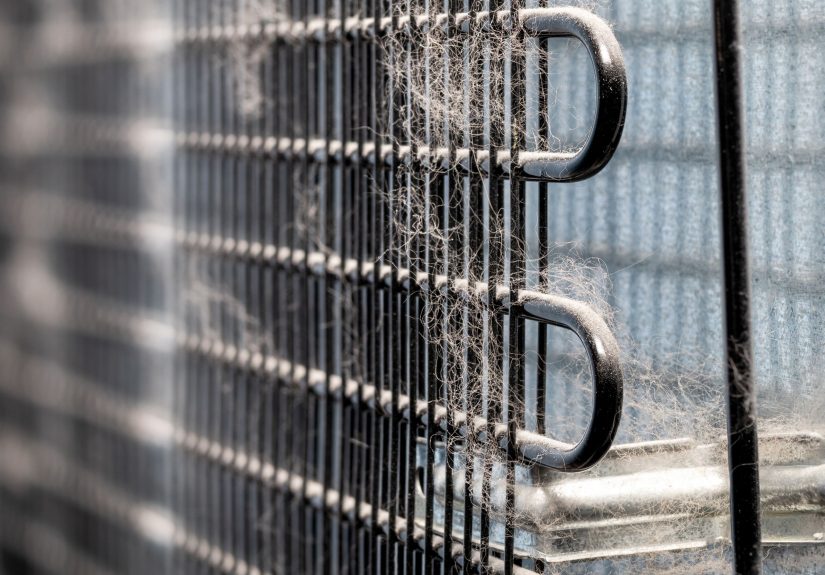
When coils are covered in dust and fuzz, they cannot release heat as efficiently. That means your refrigerator has to run longer and work harder to keep the inside cold. It is basically the appliance version of trying to jog while breathing through a scarf.
They can mess with temperature consistency
A refrigerator with dirty condenser coils may struggle to maintain steady cooling. That can show up as food that does not feel quite cold enough, ice cream that seems oddly moody, or produce that spoils faster than it should. If your fridge seems fine one day and slightly suspicious the next, clogged coils can be part of the story.
They may increase energy use
Any appliance forced to work harder usually uses more energy. If the condenser system is insulated by a thick blanket of pet hair and kitchen dust, you are not getting efficient heat transfer. You are getting a machine that is doing extra work because it has no better option.
They can shorten appliance lifespan
More strain over time can mean more wear on important components. That does not guarantee a dramatic breakdown, but it does increase the odds that your refrigerator ages less gracefully. And refrigerator replacement is not exactly a budget-friendly surprise.
First, the Plot Twist: Not Every Fridge Needs Routine Coil Cleaning
This is where the internet gets messy. One article says clean your coils every six months. Another says once a year. Then a manufacturer page casually explains that your model may not require routine condenser cleaning at all. Who is right? Annoyingly, all of them can be.
Older refrigerators and many standard models with exposed or accessible condenser coils benefit from regular cleaning. But some newer refrigerators have enclosed condenser systems designed to stay cleaner under normal conditions. Other models may require service access or specific steps from the owner’s manual. So before you go full detective behind your fridge, check your model documentation.
If your refrigerator manual says the condenser is “never clean,” enclosed, or service-only, believe the manual. If your coils are exposed under a grille or clearly visible on the back, they are fair game for routine maintenance.
How Often Should You Clean Refrigerator Coils?
For many homes, a good rule of thumb is every six to twelve months for refrigerators with accessible coils. If you have pets that shed, a dusty kitchen, ongoing renovations, or a habit of forgetting that floors exist under appliances, check them more often. In higher-dust conditions, every three to six months can make sense.
In a spotless, low-dust home with a newer refrigerator, you may find that the coils barely collect debris at all. In a pet-heavy household with one golden retriever, two cats, and a kitchen that doubles as mission control, the coils may look like they are wearing a winter coat by midsummer.
The best schedule is not just “twice a year because a blog said so.” It is a combination of your refrigerator design, your household conditions, and what you actually see when you inspect the area.
Signs Your Refrigerator Coils Are Overdue for Cleaning
- Your refrigerator seems to run more often than usual.
- The sides or back feel hotter than expected for long periods.
- Cooling feels inconsistent.
- You notice visible dust, lint, or pet hair around the base grille or behind the fridge.
- You cannot remember the last time you cleaned the coils, and your answer might be “during another presidential administration.”
None of these signs automatically mean the coils are the only problem, but they are a reasonable place to start. Coil cleaning is low-cost, low-drama maintenance, which makes it a smart first move before assuming the worst.
How to Clean Refrigerator Coils the Right Way
Step 1: Turn off the power
Unplug the refrigerator, or switch off the circuit if that is easier and appropriate for your setup. Safety first. This is not the moment to discover your confidence exceeds your coordination.
Step 2: Locate the coils
Look underneath the front grille, at the back of the appliance, or in the upper area on certain built-ins. If you are not sure where they are, check the manual before improvising. Guessing is fun in trivia, less so with appliances.
Step 3: Remove any grille or access panel if needed
Some refrigerators have a lower grille that pops off or unscrews. Set screws and panels aside somewhere sensible, not in a “safe place” that vanishes into another dimension.
Step 4: Vacuum the loose debris
Use a vacuum with a soft brush or crevice attachment to remove loose dust, dirt, and pet hair. Move gently. The goal is to remove buildup, not start a wrestling match with tubing and fins.
Step 5: Use a coil brush for stubborn dust
A refrigerator coil brush is useful for reaching into tight spaces. Carefully work it between the coils and sweep debris out while vacuuming nearby. Slow and steady wins here. Aggressive scrubbing is how simple maintenance turns into “why is there a repair bill?”
Step 6: Clean the floor and nearby wall area
Once the coil area is clear, vacuum or wipe up the debris underneath and behind the unit. There is often a bonus layer of dust bunnies living their best life back there.
Step 7: Reassemble and restore power
Replace any grille or panel, slide the refrigerator back carefully, and make sure you do not kink water lines or roll over cords. Then plug it back in and let it get back to work.
Mistakes to Avoid When Cleaning Refrigerator Condenser Coils
Do not bend the fins or tubing
The condenser area is not built for heavy-handed cleaning. If something feels delicate, it probably is.
Do not skip the manual
Model-specific instructions matter. Some refrigerators are easy DIY jobs. Others are more “please let a technician handle this.”
Do not use random harsh cleaners
Most coil maintenance is dry cleaning with a brush and vacuum. You are removing dust, not marinating the appliance in mystery chemicals.
Do not forget the surrounding area
Cleaning only the visible front edge while leaving the floor under the fridge looking like an archeological dig defeats the purpose.
Do not wait until the fridge is acting weird
Maintenance works best before trouble starts. Once food is warming up and the motor is running nonstop, coil cleaning may still help, but it may not be the whole answer.
Why This Small Chore Pays Off
Cleaning refrigerator coils is not glamorous. No one is posting before-and-after coil photos for admiration from friends. But it is one of those rare maintenance jobs that checks several boxes at once: it is affordable, fast, and practical. A few minutes of cleaning can support better performance, help your fridge cool more efficiently, and reduce needless strain on the system.
It also gives you a chance to notice other issues while you are there. You may spot a loose grille, a dirty floor that deserves attention, or a water line that needs a careful look. Home maintenance often works that way: one small job reveals three other things you are glad you caught early.
Simple Refrigerator Habits That Pair Well With Coil Cleaning
Check door gaskets
If the seals are grimy or loose, cold air can leak out. Clean them gently and make sure they are sealing properly.
Keep the inside organized
An overstuffed refrigerator can block airflow. A completely empty one is not ideal either. The sweet spot is organized, not chaotic.
Wipe spills quickly
Interior cleanup helps with odors, food safety, and overall appliance sanity. Sticky spills should not be allowed to evolve into historical landmarks.
Give the fridge breathing room
Proper clearance around the appliance supports airflow. If your refrigerator is pressed tight against the wall, it is not doing itself any favors.
Common Experiences Homeowners Report After Cleaning Refrigerator Coils
One of the most common experiences is sheer surprise. Plenty of people pull off the lower grille or move the fridge away from the wall for the first time and discover enough dust and pet hair to knit a small blanket. The reaction is usually some blend of horror, satisfaction, and the immediate decision to pretend guests should never see this area.
People with pets often notice the biggest difference. Homes with dogs and cats tend to collect hair everywhere, and the underside of a refrigerator is basically a magnet for it. After a coil cleaning, many homeowners say the fridge seems quieter or cycles less noticeably. That does not mean the machine suddenly becomes silent and enlightened, but it can feel less like it is constantly revving up for takeoff.
Another common experience comes from people who assumed their refrigerator problem was much more dramatic. Maybe the milk felt slightly less cold. Maybe the freezer started acting fussy. Maybe the fridge seemed to run nonstop during hot weather. Cleaning the coils does not fix every issue, but it is one of those easy first steps that sometimes solves more than expected. Even when it is not a total cure, it often removes one major source of strain and helps narrow down what is really going on.
There is also the “I had no idea this was even a thing” group, and honestly, they may be the majority. Many adults make it surprisingly far into homeownership without realizing refrigerator coils need attention on certain models. Once they learn about it, the task gets added to the seasonal maintenance list somewhere between changing HVAC filters and pretending they will finally organize the garage this year.
Renters can have their own version of the same story. A refrigerator in a rental kitchen may have gone years without anyone checking behind it. When a tenant finally cleans the accessible coil area, the improvement can feel oddly dramatic for such a simple job. It is not that the appliance becomes new again. It is that removing a thick layer of dust gives it a fair chance to do the work it was built to do.
Families with kids often mention another real-world factor: crumbs, lint, and mystery debris collect under appliances faster than logic would suggest. The refrigerator coils are not just dealing with regular dust; they are competing with the byproducts of everyday life. In those homes, putting coil cleaning on a regular schedule makes more sense than waiting for symptoms.
Then there are the people with second refrigerators in garages or utility rooms. Those units often live in dustier conditions and are easy to ignore because they are not in the main kitchen. Yet they may be the ones that need coil attention the most. A quick cleaning session can be especially worthwhile for an older garage fridge that is already working in a tougher environment.
Finally, many homeowners say the biggest benefit is peace of mind. You clean the coils, wipe the area, put everything back, and know you did something useful instead of just rearranging the condiment shelf for emotional support. It is one of those small chores that feels satisfyingly adult in the best possible way.
Final Takeaway
Yes, you need to clean your refrigerator coils if your model has accessible condenser coils and your manual does not say otherwise. It is simple maintenance that can help your refrigerator run more efficiently, cool more consistently, and avoid unnecessary wear. The exact schedule depends on your model and your home, but for many households, checking the coils every six to twelve months is a smart habit. If you have pets, dust, or a kitchen that gets greasy, do it more often.
The smartest approach is not panic. It is routine. Check the manual, inspect the coil area, clean gently, and move on with your life knowing your refrigerator is no longer trying to breathe through a dust sweater. That is not just good appliance care. That is good common sense.






 Close
Close