Table of Contents >> Show >> Hide
- Why Pacific Northwest Lawn Care Needs Its Own Schedule
- Spring Lawn Care in the Pacific Northwest
- Summer Lawn Care in the Pacific Northwest
- Fall Lawn Care in the Pacific Northwest
- Winter Lawn Care in the Pacific Northwest
- A Simple Seasonal Lawn-Care Checklist
- Common Pacific Northwest Lawn-Care Mistakes
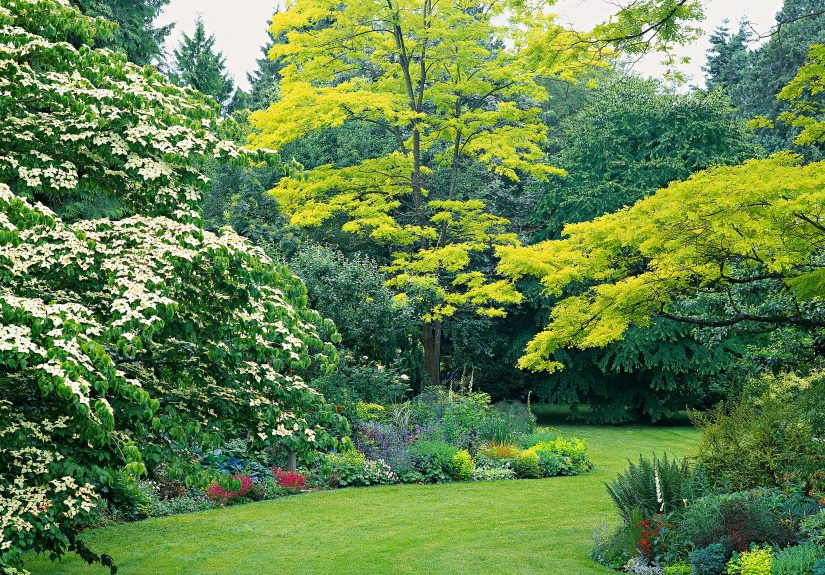
- What a Good Pacific Northwest Lawn Really Looks Like
- Experience: What Living With a Pacific Northwest Lawn Teaches You
- Conclusion
If you live in the Pacific Northwest, you already know the lawn-care vibe is a little different here. Your grass is not surviving in a desert, but it is also not relaxing in a perfect green paradise all year long. Instead, it spends much of the year dodging rain, moss, shade, soggy soil, and then suddenlyplot twistmonths of summer dryness.
That is why a generic lawn calendar does not work especially well in this region. A Pacific Northwest lawn needs a schedule that respects cool-season grasses, wet winters, compacted spring soil, and dry summer conditions. In other words, it needs a plan, not positive thinking.
This seasonal lawn-care schedule is designed for the cool-season lawns most common across western Washington and western Oregon, where perennial ryegrass, fine fescue, Kentucky bluegrass, and turf-type tall fescue are common. If you live east of the Cascades or in a drier inland pocket, the same rhythm still applies, but watering and grass selection matter even more.
Why Pacific Northwest Lawn Care Needs Its Own Schedule
The Pacific Northwest has a famously mild climate, but that does not mean lawns can coast on autopilot. Spring often arrives cool and wet, which encourages lush grass growth but also compaction, moss, and weed pressure. Summer usually flips the script with warm, dry weather, which can stress turf and force homeowners to choose between watering or allowing the lawn to go dormant. Fall is the real superstar season, because the soil is still warm, rainfall returns, and cool-season grasses start growing happily again.
That seasonal pattern shapes almost every smart lawn-care decision you make. The best Pacific Northwest lawn schedule focuses on these priorities:
- mow regularly and at the right height
- fertilize strategically instead of randomly
- water deeply, not constantly
- aerate and overseed when the grass can recover fast
- treat moss, weeds, and thin spots by fixing the lawn’s growing conditions, not just throwing products at them
If you do those five things well, your lawn usually looks better with less work. That is the dream, right there.
Spring Lawn Care in the Pacific Northwest
March: Wake the Lawn Up Gently
Early spring is not the time to stomp around the yard like a motivational speaker. The soil is often wet, soft, and easy to compact, so the first job is simple cleanup. Remove branches, rake up heavy debris, and clear leaves that have been sitting on the grass like uninvited winter houseguests.
This is also a smart time to inspect drainage issues. If water puddles in the same places every year, that problem will not magically disappear by June. It usually points to compaction, poor grading, or both. Fixing those root causes matters more than cosmetic shortcuts.
Sharpen mower blades before the real growing season begins. Dull blades tear grass instead of cutting it cleanly, and torn grass tips invite stress, disease, and that ragged beige look no homeowner has ever bragged about.
If your lawn struggles with moss, spring is when it becomes annoyingly obvious. But moss is a symptom, not the villain in a superhero movie. It usually shows up where turf is weakened by shade, acidic or low-fertility soil, poor drainage, or thin growth. That means the long-term fix is better lawn conditions, not just a moss killer.
April to May: Start the Real Growth Season
Once the lawn begins growing steadily, mowing becomes the main event. In the Pacific Northwest, cool-season lawns generally perform best when kept on the taller side rather than scalped short. Taller grass shades the soil, supports deeper roots, and competes better with weeds. Follow the one-third rule: never remove more than one-third of the blade in a single mowing.
Spring is also a good time to test your soil if it has been a few years. Many lawn problems that look mysterious are actually straightforward nutrition or pH issues. A soil test helps you avoid the classic homeowner move of spreading lime, fertilizer, or other products “just because.” Your lawn deserves better than guesswork and vibes.
If thin areas need help, late spring can be a good time for light overseeding, especially in April or May when soil temperatures are improving and rainfall is still cooperative. Overseeding works best after loosening compacted areas and adding a light compost topdressing. It is not glamorous, but it is effective.
As for fertilizing, spring feeding in the Pacific Northwest should be measured, not aggressive. Too much nitrogen too early can create a flush of top growth that looks exciting for about ten minutes and then turns into more mowing, softer turf, and less resilient grass. A light spring fertilizer application in May is often better than an early heavy one.
Weeds usually make their move in late spring too. Broadleaf weeds such as dandelion and plantain are easiest to manage when the lawn is actively growing and dense. Spot treatment and hand removal usually make more sense than blanket “weed and feed” products, especially if you are trying to protect nearby waterways and avoid unnecessary herbicide use.
Summer Lawn Care in the Pacific Northwest
June: Shift Into Maintenance Mode
By June, the Pacific Northwest lawn is still growing, but summer stress is beginning to build. This is the time to keep mowing consistently and leave clippings on the lawn when possible. Mulch mowing returns nutrients to the soil and helps reduce fertilizer needs over time. Think of it as your grass getting leftovers in the best possible way.
Keep the mowing height a bit higher in summer than in spring. A slightly taller lawn loses less moisture, shades the root zone better, and handles heat with less drama.
July to August: Water Smart or Let It Sleep
The big summer question in Pacific Northwest lawn care is this: do you want to keep the lawn green, or are you comfortable letting it go dormant?
Both choices are reasonable.
If you want green summer grass, water deeply and infrequently. About 1 inch of water per week is a common target for lawns in summer, though hot inland areas may need a bit more. Water in the early morning so less moisture evaporates and leaves can dry during the day. Frequent shallow watering trains roots to stay near the surface, which makes turf weaker when the weather turns hot and dry.
If you prefer to save water, many low-traffic lawns can go dormant in summer and recover when fall rains return. A dormant lawn is not dead. It is simply conserving energy, like the lawn version of canceling all weekend plans. If you choose this route, minimize traffic on the grass and give it occasional water during extended drought if local guidance suggests it.
Summer is also the wrong time for major lawn renovation. Avoid heavy dethatching, aggressive aeration on baked-hard soil, or big fertilizer applications during peak heat. Heat-stressed turf does not appreciate your ambition.
Watch for signs that irrigation is needed before the lawn turns fully brown. Footprints that stay visible, a dull bluish-green cast, or a loss of springiness underfoot often mean the turf is drying out. Adjust irrigation monthly, because lawn water needs in May are not the same as in August.
Fall Lawn Care in the Pacific Northwest
September: The Most Important Month
If spring gets all the attention, fall gets the results. For cool-season turf in the Pacific Northwest, early fall is usually the best time of year for repair, recovery, and improvement.
Why? The soil is still warm from summer, which helps seed germinate fast. The air is cooler, which reduces plant stress. Rain begins to return, which means you are no longer standing outside with a hose wondering where your life went wrong.
This is the prime window for:
- core aeration on compacted lawns
- overseeding thin or bare areas
- compost topdressing
- fertilizing for stronger roots and next year’s growth
- dethatching if thatch buildup is actually excessive
Aeration helps water, air, and nutrients move into the root zone. Overseeding after aeration is especially effective because the seed has better soil contact. A light layer of compost can improve soil structure and support healthier turf over time without burying the grass.
Fall is also the key fertilizing season for Pacific Northwest lawns. Rather than pushing lush top growth, fall fertilization helps the lawn build reserves, strengthen roots, and head into winter in better shape. If you only fertilize once a year, this is usually the time to do it.
October to November: Finish Strong
Keep mowing as long as the grass keeps growing. Many homeowners stop too early, then end up with long, floppy turf that mats down in wet weather. Continue mowing until growth slows significantly.
Late fall is also a good time for weed cleanup. Many broadleaf weeds are vulnerable in early fall because they are storing energy in their roots. That makes spot treatment and removal especially effective.
Your final mowing of the season can be slightly lower than your summer height, but do not scalp the lawn. The goal is to reduce matting and disease risk, not buzz the yard into emotional ruin.
Keep leaves off the grass. A thick leaf layer blocks light, traps moisture, and encourages disease. If the leaves are light and dry, mulch them with the mower. If they are thick and soggy, rake or blow them off before they form a slimy seasonal quilt.
Winter Lawn Care in the Pacific Northwest
December to February: Protect More, Do Less
Winter lawn care is mostly about restraint. The lawn is not asking for improvement projects. It is asking you to stop parking on it and maybe remove the leaves.
Avoid walking on frozen or waterlogged turf whenever possible. Grass crowns can be damaged by traffic under those conditions, and saturated soils compact easily. If certain zones stay muddy all winter, that is valuable information for spring drainage improvements.
Winter is a great time to maintain equipment, review what worked last season, and plan smarter seed or fertilizer purchases. It is also a fine time to notice where shade has become too dense. In many Pacific Northwest yards, pruning nearby trees and shrubs to improve light and airflow can do more for lawn health than another bag of product ever will.
If you suspect low pH, do not automatically apply lime every winter out of habit. Use soil test results to guide that decision. Some lawns benefit from lime, but it is not a cure-all, and it definitely is not magical lawn glitter.
A Simple Seasonal Lawn-Care Checklist
- Spring: clean up debris, test soil, mow regularly, address moss causes, light fertilization if needed, spot-weed control, light overseeding in thin areas
- Summer: mow higher, mulch clippings, water deeply or allow dormancy, avoid heavy fertilizer and renovation, adjust irrigation with weather
- Fall: aerate, overseed, compost topdress, fertilize, control weeds, continue mowing, manage leaves
- Winter: stay off soggy turf, clear debris, sharpen mower blades, plan repairs, review drainage and shade issues
Common Pacific Northwest Lawn-Care Mistakes
1. Mowing Too Short
Short grass may look tidy for a day, but it stresses cool-season turf and encourages weeds, shallow roots, and summer drought problems.
2. Fertilizing at the Wrong Time
Too much spring fertilizer can create weak, excessive top growth. Fall feeding is usually more valuable for long-term lawn health.
3. Treating Moss Without Fixing the Cause
If drainage, shade, or fertility problems remain, moss will be back like a sequel nobody requested.
4. Watering a Little Every Day
Shallow daily watering creates shallow roots. Deep, less frequent watering builds stronger turf.
5. Ignoring Fall
In the Pacific Northwest, fall is not the end of lawn season. It is the season that often matters most.
What a Good Pacific Northwest Lawn Really Looks Like
A healthy Northwest lawn does not have to look like a golf course to be successful. In fact, chasing perfection often creates more work, more fertilizer use, more water demand, and more disappointment. A good lawn here is thick, reasonably even, mostly weed resistant, and resilient through the seasons. It can handle rain in March, dry weather in August, and your family walking across it without filing a formal complaint.
That is a better goal than flawless. And honestly, it is a lot more realistic.
Experience: What Living With a Pacific Northwest Lawn Teaches You
Anyone who has cared for a lawn in the Pacific Northwest for more than a year learns the same lesson eventually: the lawn is always happy to humble you. One spring, you will feel wildly confident because everything greens up fast and thick. The next spring, the same lawn will act like it has never met you before. There will be moss in the shady corner, muddy footprints by the gate, and a weird patch near the driveway that seems to have its own opinions.
The first real experience many homeowners have is realizing that grass grows on a schedule, but not always on your schedule. You can plan to mow on Saturday, and then it rains. You can plan to aerate in April, and the soil is too wet. You can buy grass seed with noble intentions, and then a heat wave appears the exact week you meant to spread it. The Pacific Northwest has a talent for reminding you that lawn care is not about controlling nature. It is about cooperating with it.
Another common experience is discovering that fall feels backward in the best possible way. New homeowners often assume spring is the big lawn season because that is when everything looks lively. Then September arrives, and suddenly the yard becomes much easier to improve. Overseeding works better. Aeration feels more productive. The weather is cooler, the soil is still warm, and the lawn responds with the enthusiasm of a student who finally got enough sleep.
There is also the emotional journey of summer watering. At some point, every Pacific Northwest homeowner stares at a slightly faded lawn in July and has a minor internal debate. Do I water this enough to keep it green? Do I let it go dormant and trust the fall rains? Do I stand here with a hose looking reflective and mysterious? None of these choices is wrong, but each one teaches you something about your priorities, your budget, and how much lawn you actually want to maintain.
Perhaps the most useful experience, though, is learning that the best-looking lawns are rarely the ones with the most products. They are the ones with the best habits. Regular mowing. Sharper blades. Better timing. Less panic. A little compost here, a little overseeding there, and patience when conditions are not right. In the Pacific Northwest, that calm consistency beats heroic overcorrection almost every time.
And once you start seeing the lawn that way, the work feels less like a battle and more like stewardship. You stop expecting perfection in every month. You start noticing progress by season instead of by day. You learn that a lawn can be slightly meadow-green, slightly imperfect, and still completely successful. That might be the most Pacific Northwest lesson of all.
Conclusion
The best seasonal lawn-care schedule for the Pacific Northwest is not flashy. It is timely. Mow properly in spring, manage summer water wisely, use fall as your major repair season, and protect the lawn through winter. Focus on strong turf instead of quick fixes, and your lawn will reward you with better color, fewer weeds, less moss, and a lot less seasonal frustration.
Or at the very least, it will stop making you feel personally attacked every time you look at the side yard.