
Table of Contents >> Show >> Hide
- What Eli Lilly Actually Claimed
- The Numbers Behind the Buzz
- Why Zepbound May Have the Edge
- Does This Mean Wegovy Is Now the Runner-Up Forever?
- Side Effects: The Part Nobody Puts on a Motivational Poster
- What the Trial Means in the Real World
- Why This Story Matters Beyond the Scale
- So, Which Drug Looks Better Right Now?
- Experience Section: What Living With the Zepbound-vs.-Wegovy Decision Often Feels Like
- Conclusion
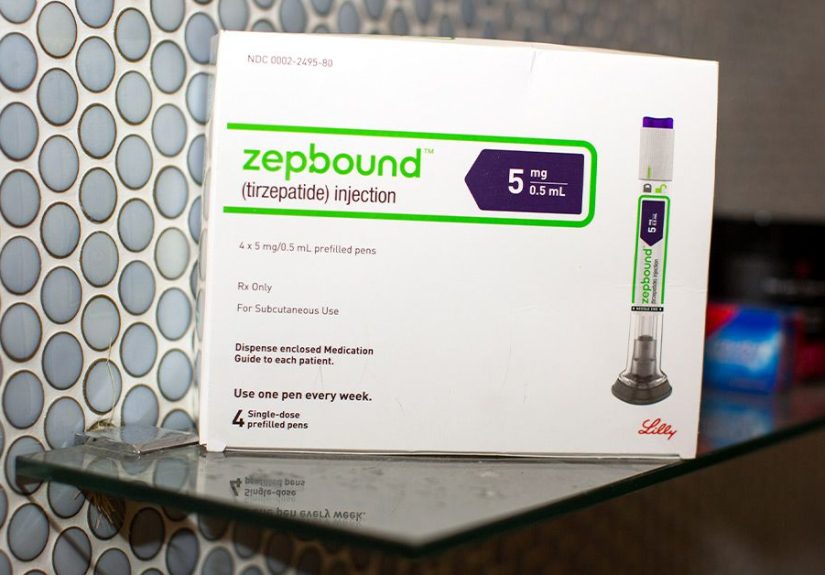
If the modern weight-loss race had a starting gun, a finish line, and a lot of insurance paperwork scattered along the track, Eli Lilly just posted the fastest headline. The company says Zepbound outperformed Wegovy for weight loss in a head-to-head trial, and unlike many splashy pharmaceutical claims, this one did not stay trapped in press-release land. It was later backed by peer-reviewed data, which is where the story gets more interesting.
Still, the big question is not simply, “Did Zepbound win?” It is, “What does winning actually mean for patients, doctors, and anyone trying to separate real science from blockbuster-drug hype?” In plain English: Zepbound appears stronger for average weight loss in adults with obesity who do not have diabetes, but that does not automatically make Wegovy the wrong choice. Medicine, annoyingly, refuses to behave like a one-round boxing match.
What Eli Lilly Actually Claimed
The headline came from a direct comparison of Zepbound and Wegovy in adults with obesity but without type 2 diabetes. That matters because this was not one drug compared with placebo in one study and another drug compared with placebo in a different study. This was a real face-off under the same trial framework, which makes the comparison far more meaningful.
In the study, participants received once-weekly injections of the maximum tolerated dose of either tirzepatide, sold as Zepbound, or semaglutide, sold as Wegovy, over 72 weeks. Lilly’s message was simple and sharp: people taking Zepbound lost more weight than people taking Wegovy. The average percentage of body-weight reduction was higher with Zepbound, and people on Zepbound were more likely to hit bigger milestones such as losing 10%, 15%, 20%, or even 25% of their starting weight.
That is not a tiny edge. It is the kind of difference that changes how doctors think about first-line obesity treatment, how insurers negotiate formularies, and how patients show up to appointments with very specific questions. Usually those questions begin with, “So… which one works better?” and end with, “Also, will my insurance act like this is a luxury yacht?”
The Numbers Behind the Buzz
The headline sounds dramatic, but the actual numbers are what give it muscle. In the trial, Zepbound produced an average weight reduction of 20.2%, compared with 13.7% for Wegovy. Put another way, that is roughly 50 pounds lost on average with Zepbound versus about 33 pounds with Wegovy over 72 weeks. Zepbound also produced a bigger drop in waist circumference, suggesting the effect was not just a small change on paper but a more visible shift in body size and metabolic risk markers.
This is one reason the story landed so loudly. A few percentage points may sound small in casual conversation, but in obesity medicine they can be huge. The difference between losing 14% of body weight and losing 20% can affect blood pressure, mobility, sleep apnea severity, joint pain, insulin resistance, and overall quality of life. That is the difference between “my clothes fit better” and “my doctor is suddenly using the phrase game changer with a straight face.”
Just as important, the trial looked at adults without diabetes. That helps clarify the comparison for obesity treatment specifically, rather than blending obesity treatment with diabetes management. For readers trying to understand the weight-loss headline, this detail is critical. It was a study designed to answer the question the public actually cares about: when the goal is weight loss, which drug appears stronger?
Why Zepbound May Have the Edge
A Dual-Hormone Approach
The simplest explanation is that these drugs do not work in exactly the same way. Wegovy contains semaglutide, which targets GLP-1, a hormone pathway involved in appetite control, satiety, and slower stomach emptying. Zepbound contains tirzepatide, which acts on both GLP-1 and GIP. That dual-hormone activity is one reason many obesity specialists expected tirzepatide to perform better in a direct comparison.
Think of Wegovy as a very effective appetite manager and Zepbound as a similarly effective manager who also brought an assistant, a spreadsheet, and a second cup of coffee. Both can get the job done. One may simply push harder on more than one biological lever at the same time.
More Than Just Appetite Suppression
These medications do more than help people “eat less,” which is the oversimplified version that gets repeated online. They influence hunger cues, fullness signals, food cravings, and gastric emptying. Patients often describe the result as a quieter brain around food. The snack cabinet stops sounding like a karaoke machine at midnight. Meals feel smaller sooner. Cravings can become less bossy.
That does not mean lifestyle stops mattering. Both drugs are approved for use alongside reduced-calorie eating and increased physical activity. The medication is not supposed to replace behavior change; it is supposed to make behavior change more possible. For many people with obesity, that distinction is everything.
Does This Mean Wegovy Is Now the Runner-Up Forever?
Not exactly. Zepbound looks stronger on average for weight loss in this head-to-head trial, but “more effective for weight loss” is not the same as “best choice for every patient.” That is where real medicine barges in and ruins the simplicity of a good headline.
Wegovy still has major strengths. It has an FDA indication to reduce the risk of cardiovascular death, heart attack, and stroke in certain adults with cardiovascular disease who also have obesity or overweight. That matters a lot. If a patient has established heart disease, a doctor may view Wegovy’s cardiovascular label as more than a nice bonus. It may be a deciding factor.
Zepbound, meanwhile, has its own important distinction: it is FDA-approved for moderate to severe obstructive sleep apnea in adults with obesity. That opens a different door. For a patient dealing with obesity plus serious sleep-disordered breathing, the discussion may shift quickly from “Which one wins on the scale?” to “Which one best fits the whole health picture?”
There is also an age wrinkle. Wegovy has been approved for certain adolescents with obesity, while Zepbound’s weight-management approval is for adults. So even if Zepbound posts stronger weight-loss numbers in adults, the comparison is not universal across every population.
Side Effects: The Part Nobody Puts on a Motivational Poster
Neither medication is magic, and neither gets a free pass on side effects. In the head-to-head trial, the most common problems in both groups were gastrointestinal, especially during dose escalation. That matches what clinicians and patients have been seeing for a while: nausea, diarrhea, vomiting, constipation, bloating, indigestion, and general digestive grumbling are all part of the conversation.
For many patients, these issues are mild to moderate and improve over time. For others, they are the difference between staying on treatment and quitting in frustration. That is one reason real-world outcomes may look less impressive than clinical trial results. In ordinary life, people miss doses, stop treatment, plateau, get discouraged, or decide that a quieter appetite is not worth a louder stomach.
Both medications also carry important safety warnings, including boxed warnings related to thyroid C-cell tumors observed in rodent studies. That does not mean every patient is at risk in the same way, but it does mean the drugs are not casual over-the-counter helpers for a post-vacation jeans emergency. They require medical supervision, a full review of risks, and honest discussion about tolerance.
What the Trial Means in the Real World
Clinical trials are powerful, but they are not the same as everyday life. In a study, patients are followed closely, dosing schedules are structured, and support is built into the process. In normal life, people have shifting work schedules, family stress, restaurant meals, vacation weeks, missed refills, and pharmacies that somehow never call back when they say they will. Charming.
That is why the real-world story is slightly messier. Research outside tightly controlled trials suggests people may lose less weight in practice, often because they discontinue treatment early or never reach the highest maintenance dose. So yes, Zepbound may be more effective than Wegovy on average in a head-to-head setting, but the more practical truth is this: the best medication is the one a patient can access, tolerate, continue, and combine with sustainable habits.
And access is not a side issue. It is central. Coverage varies. Out-of-pocket costs can be painful. Formularies do not always align with the newest or strongest efficacy headline. A drug can be scientifically impressive and still function like a locked VIP lounge if a patient cannot reasonably get it.
Why This Story Matters Beyond the Scale
Obesity affects a huge share of U.S. adults, and the public conversation has shifted dramatically in just a few years. These drugs are not niche curiosities anymore. They are reshaping obesity care, employer benefits, health policy debates, and even how people talk about willpower, biology, and blame.
The Zepbound-versus-Wegovy story matters because it signals that obesity treatment is entering a more competitive, more evidence-driven phase. Instead of asking whether these medications work at all, clinicians are increasingly comparing how well they work, for whom they work best, and what trade-offs come with each option. That is a sign of a maturing field. It is also a sign that obesity treatment is finally being discussed more like cardiology or endocrinology and less like a morality play with salad in the starring role.
So, Which Drug Looks Better Right Now?
If the question is narrowly defined as average weight loss in adults with obesity and without diabetes, the evidence now favors Zepbound. That is the cleanest reading of the head-to-head data. Eli Lilly’s claim was bold, but the trial results gave it real support.
But if the question is which drug is better for a specific person, the answer becomes much more personal. Wegovy may be compelling for someone with established cardiovascular disease. Zepbound may be especially appealing for someone also dealing with obstructive sleep apnea. Tolerability, age, access, prior response, insurance design, and doctor experience all matter. In other words, this is not just about which medication wins a scientific drag race. It is about which one fits the patient sitting in the exam room.
That may sound less thrilling than a blockbuster headline, but it is actually the useful part. The headline tells you who won the round. The context tells you what to do with the result.
Experience Section: What Living With the Zepbound-vs.-Wegovy Decision Often Feels Like
For many people, the experience begins long before the first injection. It starts with frustration. They may have tried calorie tracking, meal plans, boot-camp workouts, “clean eating,” and enough motivational podcasts to qualify for an honorary life coach certificate. Then a doctor brings up Wegovy or Zepbound, and the conversation shifts from blame to biology. For a lot of patients, that alone feels like a relief. The discussion finally moves away from “Why can’t I just be more disciplined?” and toward “What is my body doing, and what can actually help?”
Then comes the comparison phase. Patients read headlines, text friends, scroll social media, and ask the same question in twelve different ways: Which one works better? That is where the Zepbound-versus-Wegovy story hits emotionally, not just clinically. People are not reading these trial results like stock analysts. They are reading them like someone who wants their knees to hurt less, their sleep to improve, their blood pressure to come down, and their life to feel less physically exhausting.
Once treatment starts, the experience is often a mix of optimism and adjustment. In the early weeks, some people notice that food noise gets quieter. They feel full sooner. Their usual cravings lose some of their dramatic flair. Others mostly notice the digestive side effects first and think, “Fantastic, I wanted peace with food, not a tense diplomatic standoff with my stomach.” Dose escalation can be the trickiest stretch. Patients may learn quickly that hydration, smaller meals, slower eating, and consistency matter more than they expected.
As the weeks go on, the emotional experience can change again. Some people feel encouraged by steady progress and surprising non-scale wins: climbing stairs more comfortably, fitting into older clothes, sleeping better, or no longer planning the day around hunger. Others hit plateaus and panic, assuming the medication has “stopped working,” when in reality long-term weight loss is rarely a straight, polite line. It is usually a messy zigzag with a few victories, a few stalls, and at least one pharmacy-related meltdown.
There is also the social side. People often do not know whether to tell friends, family, or coworkers they are taking one of these medications. Some feel proud. Some feel judged. Some are tired of hearing that weight loss “doesn’t count” if medication helped. That stigma is real, and it shapes the experience more than many clinical summaries admit.
In the end, the lived experience of Zepbound or Wegovy is rarely just about pounds lost. It is about relief, routine, side effects, access, cost, hope, and the strange feeling of realizing your body may finally be responding to treatment instead of fighting you every step of the way. That is why the Zepbound headline matters. It is not just a corporate win. For many patients, it represents another sign that obesity care is becoming more effective, more individualized, and a little less stuck in the past.
Conclusion
Eli Lilly says Zepbound is more effective than Wegovy for weight loss, and the current head-to-head evidence supports that claim in adults with obesity but without diabetes. Zepbound delivered greater average weight loss and larger waist reductions, making it the stronger performer on the most obvious scoreboard.
But weight loss is only one scoreboard. Wegovy still matters because of its cardiovascular indication, its role in additional patient groups, and the reality that treatment decisions are never made in a vacuum. The smarter takeaway is not that one drug makes the other irrelevant. It is that obesity medicine now has better comparative evidence, and that is good news for patients who need options that are both effective and practical.
In other words, Zepbound may have won this round on weight loss. The bigger victory is that obesity care is finally being judged by data, not by tired myths about motivation and muffins.







 Close
Close