
Table of Contents >> Show >> Hide
- Before You Start: Safety First (Seriously)
- 10 Clever Ways to Clean with a Leaf Blower
- 1. “Sweep” Out the Garage or Workshop
- 2. Clean Car Interiors (and Beach Sand) in a Flash
- 3. Dust Patio Furniture, Decks, and Outdoor Rugs
- 4. Clear Light, Powdery Snow from Walkways
- 5. Clean Gutters from the Ground with an Attachment
- 6. Blast Lint and Dust from Exterior Dryer Vents
- 7. Clean Lawn Mowers, Trimmers, and Garden Tools
- 8. Refresh Shop-Vac and Tower Fan Filters
- 9. Evict Cobwebs and High Dust from Hard-to-Reach Places
- 10. Blow Out Crumbs and Dust from Under Appliances and Furniture
- Picking the Right Leaf Blower for Cleaning Tasks
- Common Mistakes to Avoid When Cleaning with a Leaf Blower
- Real-World Leaf Blower Cleaning Experiences
- Conclusion
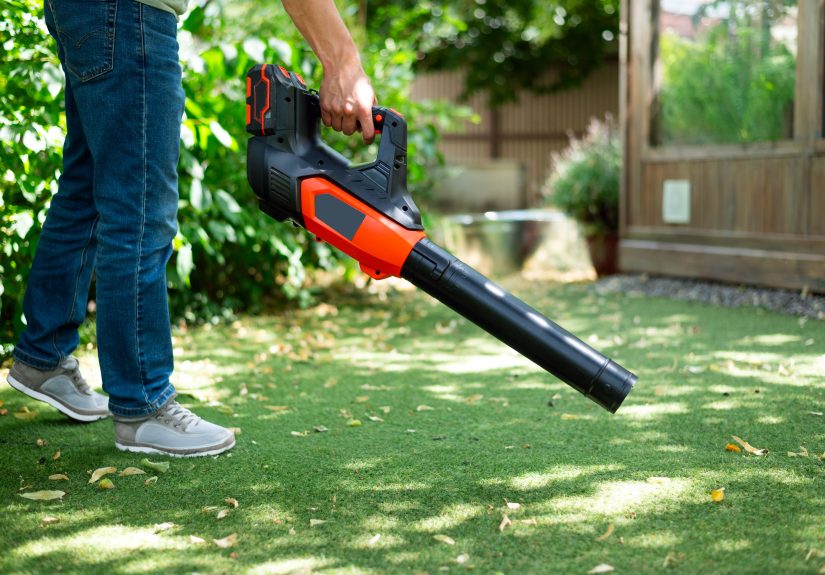
If you think your leaf blower’s only job is chasing leaves across the lawn, good news: that noisy little turbine is ready for a serious promotion. Modern cordless and electric blowers can help you clean everything from car interiors to dryer vents, clear light snow, and even blast dust bunnies from behind the fridgeif you use them safely and strategically.
In this guide, we’ll walk through 10 clever ways to clean with a leaf blower beyond basic yard work. You’ll learn what tasks a blower is great at, what to avoid, and a few pro tips to keep both your house and your lungs happy.
Before You Start: Safety First (Seriously)
Yes, a leaf blower can make cleaning fun. It can also turn dust, pollen, and debris into a high-speed tornado if you’re not careful. Manufacturers and safety experts consistently recommend following a few basics whenever you use a blower, indoors or out.
- Wear PPE: At minimum, use safety glasses or goggles, hearing protection, a dust mask or respirator, and sturdy clothing and gloves.
- Mind the direction of airflow: Always blow debris away from people, pets, open windows, cars, and delicate surfaces.
- Ventilation is non-negotiable: Don’t use a blower in tight, unventilated spaces. Open doors and windows or work from the outside blowing in one direction toward an open exit.
- Start low, then dial up: Use the lowest speed that gets the job done so you’re not just redistributing dust to a new location.
- Pick the right blower: For “beyond the yard” cleaning, a cordless or corded electric blower with variable speed and a narrow nozzle attachment is ideal.
10 Clever Ways to Clean with a Leaf Blower
1. “Sweep” Out the Garage or Workshop
Forget spending half an hour pushing a broom around your garage. A leaf blower can clear sawdust, sand, grass clippings, and general grime in minutes. Many pros and DIYers routinely use blowers to “sweep” out shops and garages.
How to do it:
- Open the garage door fully (and any side doors, if you have them) so dust has somewhere to go.
- Move lightweight items, cardboard boxes, and loose papers out of the way so they don’t become flying objects.
- Start at the back of the garage and work in sections toward the open door, using a low to medium speed to push debris out.
Pro tip: If you’re cleaning a woodworking area, wear a good dust mask or respiratorfine sawdust becomes airborne instantly with high airspeed.
2. Clean Car Interiors (and Beach Sand) in a Flash
Between kids, snacks, and weekend beach trips, your car can easily turn into a mobile crumb factory. A leaf blower can quickly blast out loose dirt, leaves, and sand before you follow up with a vacuum for deep cleaning.
How to do it:
- Park outdoors, away from other vehicles, with all doors and the trunk open.
- Remove floor mats, booster seats, and anything that can blow awayset them aside to clean separately.
- Use a low speed and a narrow nozzle to blow crumbs and sand from under seats and out of cracks, aiming everything out the open doors.
You can also use the blower to dry your car after washing. Many auto detailers love using electric blowers to get water out of mirrors, grilles, and trim without touching the paint.
3. Dust Patio Furniture, Decks, and Outdoor Rugs
After winter storage or a dusty week, outdoor furniture and rugs can look tired fast. Instead of dragging out a vacuum or scrubbing everything by hand, use your blower to dust off surfaces and knock debris off outdoor textiles.
How to do it:
- Stand upwind and start with furniturechairs, tables, cushionsusing a gentle setting to avoid lifting lighter cushions.
- For outdoor rugs, anchor a corner with your foot and blow debris from one end to the other.
- Finish by blowing off the deck, patio, or balcony surface itself for a totally refreshed outdoor space.
Bonus: A leaf blower is perfect for cleaning between deck boards and in the gaps where pine needles love to hide.
4. Clear Light, Powdery Snow from Walkways
When the first dusting of snow hits, your leaf blower can double as a mini snow thrower. For dry, powdery snow, many homeowners use blowers to clear steps, walkways, and even cars.
How to do it:
- Use a medium to high setting and work with the wind, not against it.
- Start near your door and blow snow outward and away from entrances and driveways.
- For cars, blow snow off the roof and hood first so it doesn’t fall back down later.
Important: This trick works best for fluffy, shallow snow. Wet, heavy snow is better handled with a shovel or snow blower for safety.
5. Clean Gutters from the Ground with an Attachment
Climbing a ladder with a trowel and a bucket is nobody’s idea of a good time. Many manufacturers now sell gutter cleaning kitscurved extensions that attach to your blower and let you clean gutters from the ground.
How to do it:
- Attach the gutter kit following the manufacturer’s instructions or use a DIY PVC extension if it’s designed for your model.
- Stand back far enough to keep debris from falling directly on you, and wear eye and face protection.
- Move slowly along the gutter line, sweeping the nozzle side to side to push leaves and debris toward downspouts or off the roof edge.
Regular gutter cleaning helps prevent water damage, ice dams, and overflow issues during heavy rainyour leaf blower just makes it faster and less messy.
6. Blast Lint and Dust from Exterior Dryer Vents
Clogged dryer vents are more than annoyingthey’re a genuine fire risk. A leaf blower can help clear lint and dust from the outdoor vent in seconds, especially when combined with regular interior vent cleaning.
How to do it:
- First, turn off and unplug the dryer.
- Go outside and remove the vent cover if possible.
- Use a low to medium setting to blow lint out of the vent opening, standing off to the side so you’re not directly in the blast zone.
Note: This should complementnot replacea deeper cleaning with a vent brush or a professional service if your vent run is long or hasn’t been cleaned in years.
7. Clean Lawn Mowers, Trimmers, and Garden Tools
Built-up grass and debris on mowers and trimmers can cause rust and reduce performance. A quick blast from a leaf blower makes routine maintenance much easier.
How to do it:
- Turn off and unplug equipment or remove the spark plug/battery for safety.
- Tip the mower on its side (away from the air filter and carburetor) and blow grass clippings off the deck and wheels.
- Do the same for string trimmers, hedge trimmers, and other tools, focusing on cooling fins and vents.
Regular cleaning helps extend tool life and keeps your shed or storage area from becoming a green, flaky disaster.
8. Refresh Shop-Vac and Tower Fan Filters
Vacuum and fan filters collect an impressive amount of dust, hair, and lint over time. Some filters can be blown clean (instead of replaced) using a leaf blower, saving you money and reducing waste.
How to do it:
- Take filters outsidethis is not an indoor task.
- Place the filter on the ground or a workbench and stand upwind.
- Use a low setting to blow dust out of the filter pleats, rotating as you go.
Caution: Only blow out filters that are designed to be reusable. If the manufacturer says “replace only,” follow their advice.
9. Evict Cobwebs and High Dust from Hard-to-Reach Places
Dust loves high corners, ceiling beams, and the tops of cabinetsthe exact places you don’t want to climb a ladder for. A compact battery-powered blower on a low setting can help you knock down cobwebs and loose dust, especially near open doors or windows where the debris can escape.
How to do it:
- Open windows or doors so dust can drift outside.
- Stand a safe distance away and aim the nozzle toward ceiling corners, beams, and atop cabinets.
- Finish by doing a quick vacuum or sweep to pick up whatever settled on the floor.
Important: Avoid doing this in small, closed roomsventilation matters, and you don’t want to be the one breathing that dust cloud.
10. Blow Out Crumbs and Dust from Under Appliances and Furniture
There’s always that one horrifying moment when you move the fridge and realize it’s apparently been feeding on crumbs for five years. A leaf blower lets you clean those no-go zones without heavy lifting.
How to do it:
- Open nearby exterior doors if possible, or at least windows, to give dust an escape route.
- Use a narrow nozzle to direct air under appliances, bookshelves, and low furniture, pushing debris toward one exit point.
- Follow up with a broom or vacuum to collect everything in one spot.
This trick is especially handy for under the fridge, washer, and dryerareas where sticky dust, pet hair, and dropped food love to hide.
Picking the Right Leaf Blower for Cleaning Tasks
Not all blowers are created equal, especially when you’re using them beyond the yard. For cleaning patios, garages, cars, and equipment, many homeowners prefer cordless electric blowers because they’re lighter, quieter, and easier to maneuver than gas models.
Features that make cleaning easier include:
- Variable speed control so you can dial down the airflow for delicate tasks like car interiors or filters.
- Narrow or flat nozzles that focus the air and give you more control.
- Gutter kits or extension tubes if you want to clean gutters from the ground.
- Lightweight design that’s comfortable to hold while you reach overhead or work in awkward angles.
Common Mistakes to Avoid When Cleaning with a Leaf Blower
To keep your cleaning sessions efficient (and neighbor-friendly), avoid these common missteps:
- Ignoring safety gear: Eye protection, hearing protection, and a dust mask aren’t optionalblowers can easily stir up dust, grit, and small stones.
- Using blowers in tight indoor spaces: Most experts advise against using leaf blowers in enclosed or poorly ventilated interiors because they can keep dust suspended in the air and, in the case of gas models, add exhaust fumes.
- Overpowering the job: Running the blower at full blast for delicate cleaning just moves the mess around instead of controlling it. Start low and increase only if you need to.
- Blowing toward people, pets, or property: Always check where your debris is going. Rocks and gravel can scratch surfaces or cause injury at high speeds.
- Skipping cleanup: After blowing dust from hidden areas, do a quick sweep or vacuum. Otherwise, you’ve just redistributed the dirt.
Real-World Leaf Blower Cleaning Experiences
Once you start using a leaf blower for cleaning, you learn a lot quicklymostly the hard way. Here are some practical lessons and experiences that make the difference between “Wow, that was easy” and “Why does everything in my house now feel gritty?”
Lesson 1: Direction is everything. The first time many people try to blow out a garage, they start in front of the door, pushing debris inward. That’s a fast way to coat everything you own in dust. Seasoned users know to begin at the back and work toward the opening in slow, controlled passes. If you think of the blower as a broom that only sweeps forward, you’ll naturally plan your path smarter.
Lesson 2: A low setting is your best friend. When you’re cleaning a car interior, blowing off patio furniture, or dealing with filters, maximum power isn’t the goalcontrol is. Real-world experience shows that using a lower speed keeps debris moving in the direction you want instead of bouncing around like popcorn. With a variable-speed cordless blower, most indoor-adjacent cleaning happens comfortably at the bottom half of the power range.
Lesson 3: You’ll discover hidden dirt you didn’t know existed. Use a blower under your fridge or washer once, and you’ll realize just how much dust, pet hair, and miscellaneous “mystery crumbs” have been quietly collecting. Many homeowners are genuinely shocked the first time they see the pile that emerges. It’s oddly satisfyingand a little horrifyingbut it also reassures you that the blower is doing a job your regular cleaning simply wasn’t reaching.
Lesson 4: Open doors and windows more than you think you need to. On paper, cracking one door seems fine. In reality, dust tends to swirl and hang in the air unless you give it a clear exit. People who regularly clean garages, workshops, or basements with blowers often open multiple doors, even using fans to help push dirty air outside. The result is a much quicker “clear-out” phase and less lingering dust smell afterward.
Lesson 5: It pairs beautifully with a shop vacuum. A leaf blower doesn’t replace a vacuumit sets the stage for it. Many DIYers blow everything into a loose line or pile, then do a fast pass with a shop vac for final cleanup. This combo dramatically cuts cleaning time in workshops, carports, and storage areas. The blower handles bulk movement; the vacuum handles precision pickup.
Lesson 6: Neighbors will starebut they’ll also start asking questions. Drying a car with a blower or blasting out patio furniture looks a little dramatic from a distance. But once people see the spotless results and how quickly you’re done, they usually want to know what model you’re using and how you’re doing it without making a giant mess. That’s where you can share your tricks: low speed, good angles, and always blowing toward an exit.
Lesson 7: You’ll become picky about the blower you use. After a few cleaning sessions, you start to notice which features actually matter. A lighter, well-balanced blower is far more comfortable for overhead tasks like cobweb removal. A narrow nozzle suddenly becomes essential for tight spaces. And once you’ve used a model with smooth variable speed, it’s hard to go back to a simple on/off design. Experience turns a generic yard tool into a carefully chosen cleaning partner.
In short, using a leaf blower for cleaning beyond the yard isn’t just a neat trickit’s a genuinely useful strategy when you respect the tool, follow safety guidelines, and combine it with smart follow-up cleaning. With a bit of practice, you’ll wonder how you ever tackled garages, outdoor spaces, and hidden corners without it.
Conclusion
A leaf blower may have “leaf” in the name, but it’s capable of so much more. From garages and patios to cars, gutters, dryer vents, and even under-appliance dust monsters, the right blower and a good plan can drastically speed up your cleaning routine. Use appropriate safety gear, be mindful of airflow, and pair your blower with a broom or vacuum for a tidy finish. Once you unlock these 10 clever ways to clean with a leaf blower beyond the yard, that once-a-year fall chore machine might become one of your favorite all-season cleaning tools.






 Close
Close