
Table of Contents >> Show >> Hide
- Why Pets Get Cold During a Power Outage
- 10 Simple Ways to Keep Pets Warm During a Power Outage
- 1. Move Everyone Into One Warm, Interior Room
- 2. Build a Cozy Insulation Nest With Blankets and Bedding
- 3. Dress Pets in Safe Sweaters, Coats, or Booties
- 4. Keep Outdoor Trips Short and Dry Pets Immediately
- 5. Use Your Own Body HeatSafely
- 6. Protect Birds From Drafts, Smoke, and Fumes
- 7. Give Reptiles Backup Warmth Without Overheating Them
- 8. Insulate Small Animal Habitats Without Blocking Airflow
- 9. Keep Food, Water, Medications, and Records Ready
- 10. Know When to Leave and Where to Go
- What Not to Do During a Pet-Warming Emergency
- Extra Tips for Different Types of Pets
- Real-Life Experience: What Actually Helps When the Heat Goes Out
- Conclusion
A winter power outage has a special talent for turning a cozy home into a walk-in refrigerator with furniture. For humans, the first instinct is usually to layer up, hunt for flashlights, and pretend the Wi-Fi router will revive through sheer optimism. For pets, though, the situation can be more serious. Dogs, cats, birds, reptiles, rabbits, guinea pigs, senior pets, puppies, kittens, and animals with medical conditions may lose body heat faster than expected, especially when the house keeps getting colder hour by hour.
The good news: keeping pets warm during a power outage does not require a luxury survival bunker or a dog sweater knitted by a mountain hermit. It requires smart insulation, safe heat habits, a calm plan, and a little old-fashioned common sense. This guide shares simple, practical, veterinarian-informed ways to protect your pets during cold-weather blackouts, winter storms, and heating failureswithout creating new hazards in the process.
Important safety note: never use grills, charcoal, gas stoves, camp stoves, or portable generators indoors for heat. Carbon monoxide can build up quickly and can be deadly to people and pets. If your home becomes too cold to stay safe, move to a pet-friendly warming location, friend’s home, hotel, boarding facility, or emergency shelter.
Why Pets Get Cold During a Power Outage
Many pet owners assume fur equals built-in winter armor. Sometimes it helps, but it is not magic. A Siberian husky and a short-haired Chihuahua are not playing the same cold-weather game. Small pets, thin-coated dogs, hairless breeds, senior animals, very young animals, sick pets, and underweight pets are more vulnerable to cold stress. Wet fur also makes animals chill faster, which is why drying your pet after a snowy potty break matters.
Birds and reptiles need extra attention because they depend heavily on stable environmental temperatures. Small mammals such as rabbits, hamsters, guinea pigs, and ferrets can also become chilled if their habitats sit near drafty doors, windows, or cold floors. During an outage, the goal is simple: conserve the warmth you still have, create safe insulated zones, monitor your animals closely, and be ready to leave if the temperature drops too far.
10 Simple Ways to Keep Pets Warm During a Power Outage
1. Move Everyone Into One Warm, Interior Room
Heat disappears faster when it has to fill the whole house. During a power outage, choose one room as your “warm room” and close off unused spaces. An interior room with fewer windows is usually better than a big living room with sliding glass doors. Bedrooms, dens, and small offices often work well.
Bring your pets, carriers, beds, food, water, medications, litter box, and essential supplies into that room. Close doors, block drafts with rolled towels, and keep curtains or blinds shut once daylight fades. If the sun is shining through a window, let it warm the room during the day, then cover the window again before temperatures drop.
For pets who do not love each otheralso known as “roommates with dramatic legal disputes”use crates, baby gates, or separate corners. Warmth is important, but so is preventing stress, chasing, or surprise wrestling matches.
2. Build a Cozy Insulation Nest With Blankets and Bedding
Extra bedding is one of the easiest ways to keep dogs and cats warm without power. Layer blankets, towels, pet beds, and washable comforters on the floor or inside a crate. The idea is to trap body heat, not bury your pet like a tiny lasagna. Let them move in and out freely.
For dogs, a crate covered on three sides with a blanket can create a den-like space that holds warmth. Leave the front open enough for airflow and easy exit. For cats, cardboard boxes lined with fleece or towels are surprisingly effective because cardboard provides insulation and cats already believe boxes are luxury real estate.
Avoid electric heating pads unless power is restored and the product is pet-safe, low-temperature, and used under supervision. Human heating pads can become too hot, and cords may be tempting to chew. During a blackout, focus on passive warmth: layers, insulation, and body heat.
3. Dress Pets in Safe Sweaters, Coats, or Booties
Pet clothing is not just for holiday photos where your dog looks like he is reconsidering the family arrangement. In cold conditions, sweaters and coats can help short-haired, small, elderly, or medically fragile pets stay warmer. Choose clothing that fits properly, does not restrict breathing or movement, and stays dry.
A good pet sweater should cover the chest and back while allowing normal walking, sitting, and bathroom breaks. Remove clothing if it becomes wet, tight, twisted, or irritating. Never force a panicked pet to wear gear during an emergency; stress burns energy and can make the situation worse.
Booties can help dogs during brief outdoor potty trips, especially when snow, ice, or de-icing chemicals are present. If your dog refuses booties and walks like every foot has personally betrayed him, use paw balm before going out and wipe paws thoroughly when coming back inside.
4. Keep Outdoor Trips Short and Dry Pets Immediately
During a winter outage, outdoor time should be quick and purposeful. Dogs still need bathroom breaks, but this is not the moment for a long neighborhood sniff safari. Use a leash, stay close to the door, avoid icy surfaces, and come back inside as soon as possible.
Once indoors, towel-dry your pet’s paws, belly, legs, and coat. Check between toes for ice balls, salt, sand, or chemical residue. De-icing products can irritate paw pads and may be harmful if pets lick them off. Keep a towel near the door so you do not have to search the house while your dog creates modern art with muddy pawprints.
Cats should stay indoors during cold weather and especially during an outage. Outdoor cats may seek warmth under cars, in sheds, or in dangerous hiding places. If you care for community cats, provide insulated outdoor shelters before storms arrive and check that entrances remain clear of snow and ice.
5. Use Your Own Body HeatSafely
One of the simplest warm-up tools is already available: you. Sitting with your pet under a blanket can help conserve warmth and calm anxiety. Small dogs and cats may curl beside you or on your lap. Rabbits and guinea pigs may benefit from being near you in a secure carrier or pen, as long as handling does not stress them.
The key is safety. Do not wrap pets so tightly they cannot move, breathe normally, or leave when they want. Avoid sleeping with very small pets if there is any risk of rolling onto them. For fragile animals, a warm carrier placed near you may be safer than direct cuddling.
Body heat works best when combined with layers below and above the pet. Think of it as a warmth sandwich: blanket underneath, pet in the middle, loose blanket nearby, and a human who is trying very hard not to spill tea in the dark.
6. Protect Birds From Drafts, Smoke, and Fumes
Birds are sensitive to temperature changes, drafts, smoke, and fumes. During an outage, move bird cages away from windows, exterior doors, fireplaces, and any fuel-burning heat source. Cover part of the cage with a blanket to help hold warmth, but always leave space for ventilation.
Do not place birds near kerosene heaters, propane heaters, fireplaces, or improvised heat sources. Their respiratory systems are delicate, and fumes that seem mild to humans may be dangerous for birds. If the room is getting too cold and you cannot restore safe heat, contact your veterinarian, a bird-savvy friend, or a pet-friendly warming location.
Keep birds calm by maintaining a familiar routine where possible. Speak softly, avoid sudden flashlight beams directly at them, and keep food and water accessible. A frightened bird may flutter, waste energy, or injure itself in the cage.
7. Give Reptiles Backup Warmth Without Overheating Them
Reptiles need special planning because they rely on external heat to regulate body temperature. A power outage can quickly affect snakes, lizards, turtles, and other reptiles that normally depend on heat lamps, under-tank heaters, or thermostats.
Use commercially available hand warmers or heat packs only with caution. Wrap them in a towel and place them outside or underneath part of the habitat, never directly against the animal and never inside where they can chew, puncture, or overheat against it. The reptile must be able to move away from the warm area.
Avoid feeding reptiles during a cold outage unless your veterinarian has advised otherwise. Many reptiles need proper warmth to digest food safely. If temperatures fall below the safe range for your species, call a reptile veterinarian or move the animal to a safe heated location.
8. Insulate Small Animal Habitats Without Blocking Airflow
Rabbits, guinea pigs, hamsters, gerbils, mice, rats, and ferrets can lose warmth quickly in drafty rooms. Move cages and enclosures away from windows, doors, tile floors, garages, and basements. Place habitats on a table, sturdy stand, or thick blanket to reduce cold transfer from the floor.
You can drape blankets around part of the habitat, but never block ventilation. Small animals still need fresh air, and condensation can make bedding damp. Add extra dry bedding, hay, fleece liners, or nesting material appropriate for the species. Check water bottles often, because water can become too cold or, in extreme conditions, freeze.
For rabbits and guinea pigs, keep them in a quiet room away from dogs and cats. Stress plus cold is a bad combination. Warmth should feel like a peaceful cabin, not a surprise episode of “Predator Visits the Living Room.”
9. Keep Food, Water, Medications, and Records Ready
Warmth is not only about blankets. Pets need calories, hydration, and routine during emergencies. Keep several days of pet food, bottled water, bowls, medications, litter, waste bags, and comfort items in an easy-to-grab emergency kit. Add copies of vaccination records, microchip information, veterinarian contact details, and a current photo of you with your pet.
Cold weather may increase energy needs for some animals, especially dogs spending even short periods outside. Do not suddenly overfeed, but make sure normal meals are available and water is not icy. If your pet has a medical condition such as diabetes, kidney disease, heart disease, or thyroid disease, ask your veterinarian in advance how to manage care during power outages.
A pet emergency kit also makes evacuation easier. If your house becomes too cold, you do not want to pack supplies by flashlight while your cat performs a disappearing act under the bed.
10. Know When to Leave and Where to Go
Sometimes the safest way to keep pets warm during a power outage is to leave the house. If indoor temperatures continue dropping, your pet is shivering, acting weak, becoming unusually quiet, or showing signs of distress, do not wait for the situation to become dramatic. Contact your veterinarian, an emergency clinic, local animal shelter, or local emergency management office for guidance.
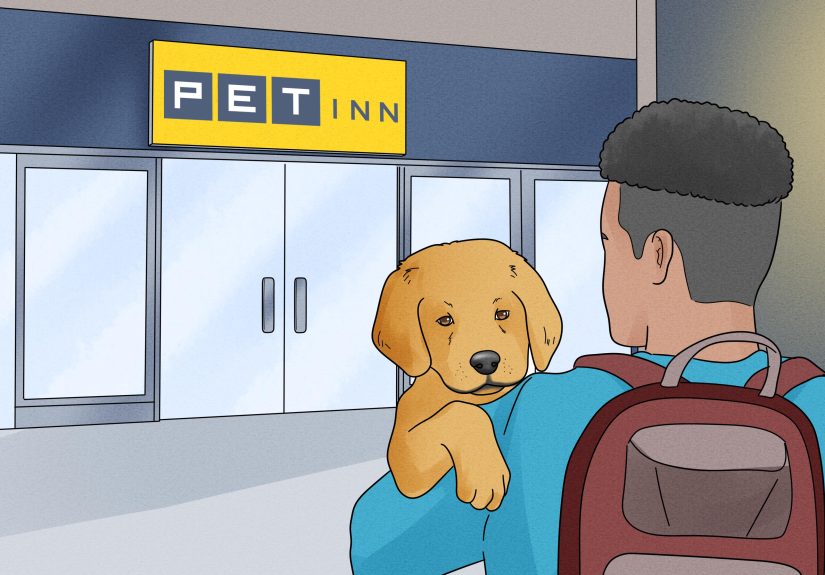
Before winter storms hit, make a list of pet-friendly hotels, boarding facilities, friends, relatives, and warming centers. Not every public shelter accepts pets, so call ahead when possible. Keep carriers accessible for cats, small dogs, birds, reptiles, and small mammals. Dogs should have collars with ID tags, and all pets should have updated microchip information.
Watch for warning signs of cold stress: shivering, whining, slowed movement, weakness, pale gums, cold ears or paws, confusion, shallow breathing, or collapse. These signs require urgent veterinary attention. Gradual warming is safer than sudden intense heat, so avoid placing a chilled pet directly against a hot object.
What Not to Do During a Pet-Warming Emergency
A power outage can make people creative. Unfortunately, “creative” and “safe” are not always friends. Do not use outdoor grills, charcoal burners, gas ovens, or camp stoves inside the home. Do not run a generator in a garage, basement, porch, shed, or near open windows. Generators must stay outdoors, far from doors and windows, with exhaust pointed away from the home.
Do not place pets too close to fireplaces, candles, or space heaters. Tails, whiskers, bedding, and curious noses can create fire hazards. If you use a fireplace, use a screen and supervise pets closely. Battery-powered lanterns are much safer than candles, especially with cats who believe every new object deserves a gravity test.
Do not ignore damp bedding. Wet blankets can pull heat away from the body. Replace damp towels, check cage bedding, and keep sleeping areas dry. Do not assume a pet is fine just because they are quiet. Some animals become still or withdrawn when they are too cold.
Extra Tips for Different Types of Pets
Dogs
Keep dogs indoors, use coats for vulnerable breeds, shorten bathroom breaks, dry paws and bellies, and provide layered bedding. Senior dogs with arthritis may need extra cushioning because cold floors can make joints feel stiff.
Cats
Keep cats inside, offer enclosed sleeping spots, and check hiding places often. Cats may crawl into closets, cabinets, or behind furniture to find warmth. Make sure they are not trapped in a cold area.
Birds
Move cages away from drafts, cover part of the cage, maintain ventilation, and avoid fumes. If your bird fluffs up continuously, becomes weak, or sits at the bottom of the cage, seek veterinary help quickly.
Reptiles
Monitor habitat temperature with a thermometer, use wrapped heat packs carefully outside the enclosure, and move the reptile to a warm safe location if needed. Species-specific temperature needs matter, so keep your reptile vet’s number handy.
Small Mammals
Add dry bedding, move habitats off cold floors, block drafts without blocking airflow, and keep water available. Rabbits and guinea pigs should have hay, familiar food, and a calm environment.
Real-Life Experience: What Actually Helps When the Heat Goes Out
Anyone who has lived through a winter outage with pets knows the official checklist is only half the story. The other half is the comedy-drama of real life: the dog who refuses to pee because snowflakes exist, the cat who suddenly becomes a survival expert, and the flashlight that worked perfectly last week but now produces the glow of a tired firefly.
One of the most useful habits is preparing a “pet outage corner” before bad weather arrives. This does not need to be fancy. A plastic bin with fleece blankets, towels, pet food, bottled water, waste bags, a spare leash, paw wipes, medication instructions, and a printed vet phone number can save a lot of stress. When the lights go out, you already know where everything is. No rummaging through closets. No yelling, “Where is the carrier?” while your cat quietly teleports into another dimension.
In practice, the warm-room method works extremely well. Families often discover that one small bedroom stays warmer than the rest of the home, especially with doors closed and drafts blocked. Pets settle faster when their familiar bedding is nearby. Dogs may relax if their crate is covered on three sides. Cats usually appreciate a box or covered bed. Small animals do better when their cages are raised off the floor and surrounded on a few sides by blankets.
Another lesson: dry matters as much as warm. A dog that comes in with wet paws, snow clumps, or a damp belly can get chilled quickly. Keeping a towel by the door seems almost too simple, but it is one of the most practical things you can do. Wiping paws also reduces the chance of pets licking salt or chemical residue after a walk.
Pet clothing helps most when pets are already used to wearing it. The middle of a power outage is not the best time to introduce a dramatic new sweater with sleeves, buttons, and emotional consequences. Practice before winter. Let your dog wear the coat indoors for a few minutes, reward calm behavior, and make sure the fit is comfortable. For cats, clothing is usually less successful unless they already tolerate it. Many cats prefer warm boxes and blankets, which is fair. They have a brand to maintain.
For multi-pet homes, organization prevents chaos. Keep nervous pets separated. Feed animals in their usual bowls if possible. Maintain routines: breakfast, potty break, quiet time, medication, bedtime. Familiar patterns help pets feel safe when the house is darker, quieter, and colder than usual.
The biggest experience-based rule is this: decide early when you would leave. Many people wait too long because they hope power will return “any minute now.” Sometimes it does. Sometimes it does not. If you have birds, reptiles, very young pets, senior pets, or medically fragile animals, make a lower-risk plan in advance. Know who has heat, which hotel accepts pets, and which clinic or boarding facility can help. Leaving early is much easier than leaving when roads are icy, the house is freezing, and everyone is tired.
A power outage is uncomfortable, but with preparation, it does not have to become a pet emergency. Warmth comes from layers, dryness, safe shelter, calm handling, and smart decisions. Your pet does not need a five-star heated chalet. They need you, a plan, and maybe a blanket they will immediately claim as personal property forever.
Conclusion
Keeping pets warm during a power outage is about acting early, staying safe, and thinking beyond “just add blankets.” Move pets into a smaller interior room, layer bedding, use safe clothing, shorten outdoor trips, protect birds and reptiles from temperature swings, insulate small animal habitats, and keep emergency supplies ready. Most importantly, avoid unsafe heat sources and know when to relocate to a warmer, pet-friendly place.
Winter outages are stressful, but preparation turns panic into a checklist. Your pets depend on you for warmth, safety, and comfort. With a little planning, a few supplies, and a healthy respect for carbon monoxide safety, you can help your furry, feathered, or scaly family members stay protected until the lightsand the heatcome back on.






 Close
Close