
Table of Contents >> Show >> Hide
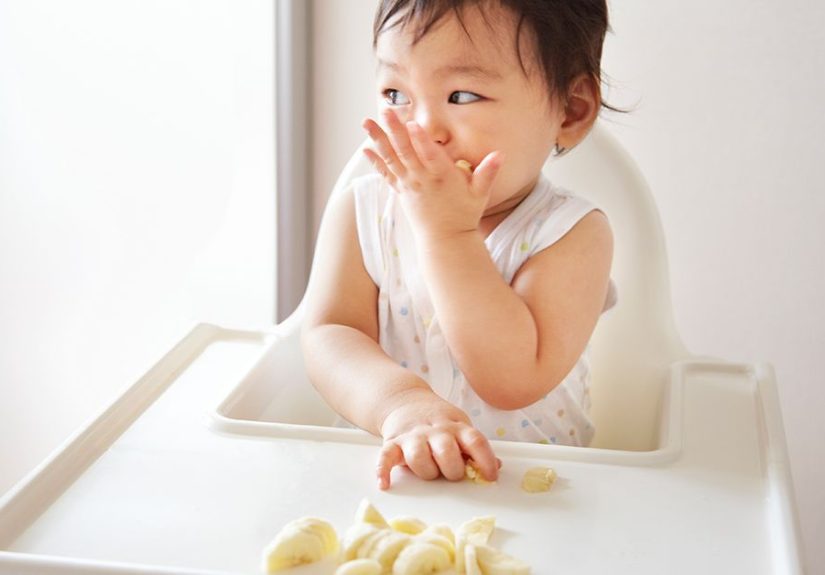
By the time a child turns 1, the menu starts to look a lot more like family food and a lot less like a carefully staged science experiment. That is good news for parents, because this is the age when simple, soft, nutrient-dense foods can do a lot of heavy lifting. Pediatric guidance from the CDC, USDA MyPlate, and the American Academy of Pediatrics emphasizes variety, small bite-sized pieces, and regular meals and snacks rather than grazing all day.
In practical terms, a healthy 1-year-old plate should mix fruits, vegetables, grains, protein foods, dairy or fortified soy foods, and healthy fats, while staying careful about choking hazards, added sugar, and excess sodium. That sounds like a lot, but the actual foods are often very ordinary: oatmeal, yogurt, eggs, beans, soft fruit, and other easy wins that fit real family life.
What matters most at age 1
One-year-olds usually do best with about three meals and two to three snacks per day, offered at predictable times. The CDC also recommends giving food every 2 to 3 hours, starting with small portions and watching for hunger and fullness cues. At this stage, milk may still be part of the diet, but solid food should do much of the nutritional work, and sugary drinks should stay out of the picture.
Safety matters just as much as nutrition. The American Academy of Pediatrics warns that round, hard, sticky, or slippery foods can be choking hazards, so food should be cut, cooked, shredded, mashed, or thinly spread as needed. Grapes, hot dogs, raw carrots, popcorn, nuts, and thick spoonfuls of nut butter deserve extra caution.
12 healthy and practical foods for 1-year-olds
-
1. Oatmeal
Oatmeal is one of the easiest breakfast foods for a 1-year-old because it is soft, budget-friendly, and easy to customize. Cook it until very tender and mix in mashed banana, applesauce, berries, or a little nut butter for flavor and energy. Whole grains are a smart choice for toddlers, and oats are a gentle way to add fiber without making the meal feel like work.
-
2. Whole-milk yogurt
Plain whole-milk yogurt is practical because it is soft, spoonable, and rich in protein and calcium. Many pediatric nutrition sources encourage dairy or fortified soy foods for toddlers, and plain yogurt is also easy to pair with fruit or oats. Keep it unsweetened when possible so the sweetness comes from fruit instead of added sugar.
-
3. Scrambled eggs
Eggs are a classic toddler food because they are soft, quick to cook, and full of protein. They can be scrambled very gently, chopped into tiny pieces, or folded into vegetables. Eggs also help parents build meals that feel more substantial without requiring fancy prep. Because young children need a mix of protein foods across the week, eggs are one of the most useful options in the kitchen.
-
4. Avocado
Avocado is soft, naturally mild, and easy for little hands to mash or pick up. It fits well with guidance to include healthy fats and a variety of fruits and vegetables in a toddler’s diet. Slice it thickly, mash it on toast, or cut it into small cubes with a soft texture. It is one of those foods that looks fancy on a plate but takes almost no effort from the parent, which is a rare parenting miracle.
-
5. Soft fruit
Bananas, ripe peaches, pears, mango, melon, blueberries cut appropriately, and soft berries all work well for 1-year-olds. Fruit gives toddlers natural sweetness along with vitamins and hydration, and it helps teach them that snacks do not need to come from a shiny wrapper to be exciting. The key is texture: soft, ripe, and bite-sized is the rule. Whole grapes should be modified carefully, and hard fruit chunks should be avoided.
-
6. Steamed vegetables
Soft-cooked carrots, sweet potatoes, peas, broccoli florets, zucchini, and green beans can become toddler favorites when they are cooked until easy to chew. Vegetables are important because they add fiber and a wide range of nutrients, and repeated exposure helps children become more accepting of them over time. A little butter or olive oil can improve flavor and help the dish feel more satisfying without turning it into a salt bomb.
-
7. Beans and lentils
Beans and lentils are quietly brilliant toddler foods. They are soft, affordable, easy to batch-cook, and rich in protein, iron, and fiber. Mashed black beans on toast, lentils stirred into rice, or hummus spread thinly on bread all work well. Harvard and Mayo Clinic guidance both place beans, peas, soy foods, and other plant proteins in the healthy protein category, which makes legumes a smart everyday choice.
-
8. Shredded chicken or turkey
Lean meat can be a useful iron and protein source for toddlers, especially when it is cooked until tender and shredded into tiny pieces. Chicken and turkey are practical because they can be served plain, mixed into soups, or tucked into soft pasta and rice. Keep the texture moist so the food stays easy to chew, and avoid large chunks that are difficult for a small mouth to manage.
-
9. Salmon
Fish is a strong choice for a 1-year-old because it adds protein and other nutrients in a soft, easy-to-chew form when cooked properly. Flake it carefully and check for bones before serving. Harvard has specifically noted fish as a useful food to include early, and broader dietary guidance for children continues to favor seafood as one of the better protein options.
-
10. Whole-grain pasta
Whole-grain pasta is one of the easiest lunch or dinner foods for a toddler because it is familiar, soft, and endlessly adaptable. Toss it with tiny meat pieces, peas, vegetables, a little olive oil, or a simple tomato sauce with no added sugar. Whole grains are recommended as part of a balanced toddler pattern, and pasta is often a smoother path to dinner than trying to negotiate with a tiny food critic.
-
11. Tofu
Soft tofu is a smart option for families who want a plant-based protein that is easy to chew and easy to season lightly. It can be cubed, scrambled, or blended into sauces and soups. Since children are encouraged to eat a variety of protein foods, tofu fits neatly into a toddler menu alongside beans, eggs, dairy, poultry, and fish.
-
12. Thinly spread peanut butter or other nut butter
Nut butter can be helpful because it adds protein and healthy fats, but the texture must be handled carefully. AAP guidance recommends avoiding thick spoonfuls because they can be a choking risk; instead, spread a thin layer on toast, crackers, or fruit. This is one of the best examples of how toddler food is often less about the ingredient and more about the way it is served.
Easy ways to build a toddler meal
Parents do not need to create a separate “toddler menu” for every meal. A simple formula works well: one protein, one fruit or vegetable, one grain or starch, and one dairy or fortified soy food if your child tolerates it. For example, scrambled eggs with avocado and toast; yogurt with berries and oats; or shredded chicken with soft vegetables and pasta. That kind of structure mirrors current toddler feeding guidance without making dinner feel like a nutrition exam.
It also helps to keep portions small at first. The CDC recommends starting with one or two tablespoons and adjusting based on hunger cues. That approach reduces waste and pressure at the table, which matters because toddlers are famous for changing their minds halfway through a meal. One minute they love bananas; the next minute bananas are apparently a personal insult.
Foods to limit or avoid
For a 1-year-old, the biggest “no thanks” list includes honey before 12 months, sugary drinks, and foods that are difficult to chew safely. The CDC says honey should not be given before age 1 because of botulism risk, while KidsHealth and CDC guidance also discourage soda, flavored milks, juice drinks, and other sugary beverages. If juice is offered at all, keep it limited and serve it in a cup rather than a bottle.
It is also smart to be careful with hot dogs, whole grapes, popcorn, nuts, raw carrot sticks, and thick nut butter. These are common choking hazards, and the safest version is often the one that has been cooked, chopped, shredded, mashed, or spread thinly. At age 1, a food can be perfectly healthy and still be unsafe if the shape is wrong.
What real-life feeding usually looks like
In real homes, the best toddler diet is usually the one that is repeatable. Parents who succeed long term tend to keep a few dependable foods on rotation: oatmeal for rushed mornings, yogurt for snacks, eggs for breakfast-for-dinner nights, beans for quick lunches, pasta for backup meals, and fruit for whenever the child acts hungry right after everyone else has sat down. That pattern lines up with pediatric advice to offer regular meals and snacks, use familiar foods, and keep a healthy mix across the week.
Another useful habit is serving one “safe” food with one new or less familiar food. Mayo Clinic and KidsHealth both suggest keeping mealtimes calm and predictable, which makes children more likely to try food without turning the table into a negotiation booth. A child does not need to love everything immediately. Repetition matters more than dramatic first bites, and many toddlers need to see a food several times before they accept it.
It also helps to think in textures, not just ingredients. A banana can be sliced, mashed, mixed into oatmeal, or tucked into yogurt. Beans can be mashed into a sandwich spread or stirred into rice. Chicken can be shredded into soup or pasta. Soft vegetables can be diced so they are easy to pinch up. The more flexible the ingredient, the easier it is to reuse leftovers and avoid wasting food when a toddler suddenly changes their mind.
From a practical standpoint, the most stressful meals are usually the ones built around pressure. Toddlers eat better when adults handle the schedule and the child handles the appetite. Offer food on a routine, keep portions reasonable, and let your child decide how much to eat from what is served. That approach matches the “responsive feeding” style encouraged by current toddler nutrition guidance and keeps mealtimes from becoming a power struggle.
One more realistic tip: do not panic if a meal is not perfectly balanced. A toddler’s diet is about patterns, not perfection. If breakfast was mostly yogurt and fruit, lunch can bring in beans or eggs, and dinner can cover vegetables and a grain. Over time, that steady rotation matters more than any single plate. The goal is a week of good habits, not a single heroic meal that belongs in a magazine.
Conclusion
The best foods for 1-year-olds are usually the simplest ones: soft, nutrient-rich, and easy to serve in safe sizes. Oatmeal, yogurt, eggs, avocado, fruit, vegetables, beans, chicken, salmon, pasta, tofu, and thinly spread nut butter can cover a lot of nutritional ground without turning mealtime into a full-time job. Keep the focus on variety, regular meals and snacks, and safe textures, and you will have a toddler menu that is practical enough for real life.
Note: This article is written from current pediatric nutrition guidance and is intended for general informational use.





 Close
Close