
Table of Contents >> Show >> Hide
Want healthier-looking skin? Your serum can help, your sunscreen is non-negotiable, and your sleep schedule deserves a standing ovation, but your plate matters too. Skin is your body’s largest organ, which means it is delightfully dramatic and constantly asking for nutrients, hydration, and a little anti-inflammatory support. In other words, your skin is not high-maintenance; it is just very committed to good ingredients.
Nutritionists and dermatology experts tend to agree on the big picture: no single “miracle food” will erase wrinkles, cure acne overnight, or turn you into a dewy angel by Tuesday. But a steady diet built around colorful produce, healthy fats, fiber, and nutrient-dense proteins can support the skin barrier, help with hydration, and give your body the raw materials it needs for collagen formation, repair, and defense against everyday stressors.
This article breaks down 13 of the best foods for healthier skin and explains why they deserve regular space on your grocery list. Think of it as a practical, evidence-based guide with fewer empty promises and more useful snacks.
Why Food Matters for Skin Health
Skin health is not just about appearance. Your skin works as a barrier, helping protect you from irritation, moisture loss, and environmental damage. To do that job well, it needs adequate protein, healthy fats, vitamins, minerals, and antioxidants. That is why eating patterns matter more than trendy “skin detoxes” or expensive powders with names that sound like a sci-fi villain.
Experts often point to nutrients such as vitamin C for collagen support, beta-carotene and vitamin A for skin maintenance, vitamin E for antioxidant defense, omega-3 fatty acids for dryness and inflammation support, and zinc for repair. A Mediterranean-style eating pattern, packed with produce, legumes, fish, nuts, and healthy oils, also gets frequent praise. Translation: your best skin food strategy is not weird. It is mostly just good nutrition wearing a glowier outfit.
13 Best Foods for Healthier Skin
1. Salmon and Sardines
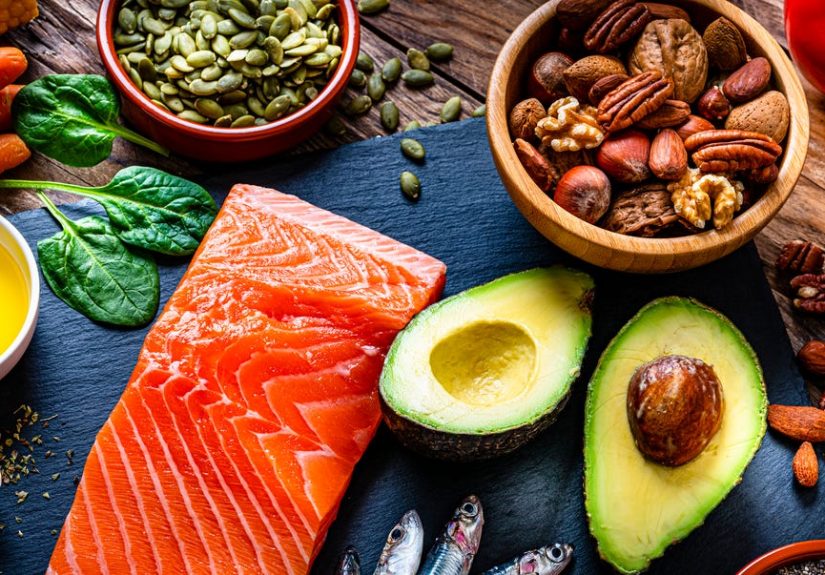
Fatty fish are the MVPs of many skin-friendly eating plans because they provide omega-3 fatty acids. These healthy fats help support the skin barrier and may be especially helpful when your skin feels dry, tight, or generally annoyed with the world. They also fit neatly into an overall anti-inflammatory eating pattern, which is good news because chronic inflammation is not exactly a beauty treatment.
Salmon and sardines are especially practical picks because they are easy to build meals around. Add salmon to a grain bowl, tuck sardines into toast with lemon and herbs, or flake either one over a salad. Fancy? Maybe. Effective? Also maybe. Ridiculously hard? Not at all.
2. Avocados
Avocados bring healthy fats, vitamin E, and other antioxidants to the table, which makes them a smart food for people trying to support softer, more resilient skin. Their fat content also helps meals feel satisfying, so you are less likely to rage-eat a sleeve of cookies two hours later and call it “balance.”
Use avocado in toast, tacos, salads, grain bowls, or blended into dressings. It is one of the easiest ways to make a meal feel more luxurious while quietly improving its nutrition profile. Skin-friendly and emotionally supportive? We love a multitasker.
3. Walnuts
Walnuts stand out because they offer plant-based omega-3 fats along with other beneficial nutrients. They fit beautifully into anti-inflammatory eating patterns and are a smart option if fish is not your thing. They are also portable, require zero cooking skills, and do not judge you for eating them over the sink.
Sprinkle chopped walnuts over oatmeal, yogurt, roasted vegetables, or salads. You can also blend them into pesto or stir them into homemade energy bites. A small handful goes a long way, which is good because grocery-store nuts sometimes act like they were priced by a luxury jeweler.
4. Sunflower Seeds
Small but mighty, sunflower seeds are a useful source of vitamin E, an antioxidant that helps protect cells from oxidative stress. When people talk about skin “defense,” this is part of what they mean. Your skin deals with daily wear and tear from the environment, and antioxidants help support that constant cleanup crew.
Sunflower seeds are easy to add to salads, oatmeal, yogurt, trail mix, or even roasted vegetables for crunch. They are also a solid option for people who want a nutrient-dense snack without overcomplicating life. Bonus points if you stop pretending a sad plain cracker is somehow more exciting.
5. Sweet Potatoes
Sweet potatoes are rich in beta-carotene, a pigment your body can convert into vitamin A. Nutrition and skin experts often mention vitamin A because it helps support normal skin maintenance. Sweet potatoes also bring fiber and satisfying carbohydrates, which is a lot more helpful than acting like all carbs are villains in a skincare documentary.
Roast sweet potatoes into wedges, mash them with olive oil, cube them into grain bowls, or stuff them with beans and herbs for a simple dinner. Their natural sweetness makes them crowd-pleasers, even among people who claim vegetables are “fine” with the enthusiasm of a tax audit.
6. Red Bell Peppers
Red bell peppers are loaded with vitamin C, which is one of the most talked-about nutrients in skin health. Your body needs vitamin C to make collagen, a structural protein that helps keep skin firm and strong. Bell peppers also bring color, crunch, and the kind of cheerful energy that makes a lunch look like it has its life together.
Slice them into salads, sauté them into fajitas, roast them for pasta, or snack on them with hummus. If oranges get all the vitamin C publicity, peppers deserve better representation. They have been doing excellent work quietly in the background.
7. Tomatoes
Tomatoes contain lycopene, an antioxidant that often gets highlighted in discussions about skin-supportive foods. They are also incredibly versatile, which means you do not need to stage an elaborate wellness ritual to eat them. Fresh tomatoes, cooked tomato sauce, salsa, and roasted cherry tomatoes all count.
Add tomatoes to eggs, sandwiches, soups, pasta, or grain bowls. Pairing them with a little healthy fat like olive oil can make the whole meal more satisfying. Also, a good tomato in season tastes like summer got promoted.
8. Strawberries and Blueberries
Berries are beloved for a reason. They offer vitamin C and a wide range of antioxidant compounds, including polyphenols. In plain English, that means they help support your body’s defense system against everyday oxidative stress. They are not magic, but they are closer to magic than most office vending machine options.
Use berries in yogurt bowls, smoothies, oatmeal, salads, or just eat them straight from the container while standing in your kitchen pretending that is not dinner prep. Frozen berries work well too, which is useful when fresh berries suddenly cost the same as concert tickets.
9. Spinach, Kale, and Other Leafy Greens
Leafy greens show up constantly in conversations about healthier skin because they deliver a mix of carotenoids, vitamin E, and other beneficial plant compounds. They also fit the broader pattern nutritionists favor: more plants, more variety, more color, more fiber. Not thrilling advice, perhaps, but very effective advice.
If salads bore you, sauté greens with garlic, blend them into smoothies, fold them into soups, or toss them into eggs and pasta. The goal is not to become a person who romantically nibbles raw kale in a linen jumpsuit. The goal is simply to eat the greens more often.
10. Broccoli
Broccoli earns its place thanks to vitamin C, fiber, and an all-around strong nutrition profile. It is one of those vegetables that may not have a glamorous publicist, but it keeps delivering. For skin support, that combination of antioxidants and overall nutrient density makes it worth inviting to dinner more often.
Roast broccoli until the edges crisp, steam it and drizzle with olive oil, stir it into pasta, or chop it into grain bowls. If your childhood experience with broccoli involved gray sadness, congratulations: adulthood gives you seasonings.
11. Beans and Lentils
Beans and lentils are underrated skin foods because they offer fiber, plant protein, and minerals such as zinc. Zinc matters because it plays a role in repair and wound healing, and protein matters because your body needs building blocks to maintain skin structure. In short, legumes are doing practical, unflashy work, like the friend who actually shows up with moving boxes.
Add lentils to soups, curries, and salads. Toss black beans into tacos or grain bowls. Blend white beans into dips. Keep canned versions on hand for convenience and rinse them if you want to cut some sodium. Healthy skin loves consistency more than culinary drama.
12. Citrus Fruits
Oranges, grapefruit, and other citrus fruits are classic vitamin C foods, and there is a reason they keep showing up on “best foods for skin” lists. Vitamin C helps support collagen formation and also acts as an antioxidant. That is a strong résumé for something you can peel during a work break.
Citrus also works well beyond breakfast. Add orange segments to salads, squeeze lemon over fish and vegetables, or stir lime into beans, soups, and dressings. A small squeeze can brighten a dish and make healthy food taste less like a moral obligation.
13. Green Tea
Green tea is not exactly a food, but it earns a spot here because its polyphenols have been linked to skin-supportive antioxidant activity. It is not a substitute for water, vegetables, or sunscreen, but it can be a useful addition to a healthy routine. Think of it as a supporting actor, not the star of the film.
Drink it hot, iced, or paired with meals instead of sugar-heavy beverages. Just avoid turning it into a dessert in disguise with a gallon of syrup. Your skin-friendly beverage should not require whipped cream and emotional justification.
How to Build a Skin-Friendly Plate Without Losing Your Mind
If this list makes you want to buy seventeen superfoods and reorganize your pantry by antioxidant level, take a breath. Healthier skin usually comes from repeatable habits, not a dramatic one-cart shopping spree. A realistic approach is to combine a few skin-supportive foods at most meals.
For breakfast, try yogurt or oatmeal with berries and walnuts. For lunch, build a salad or grain bowl with leafy greens, beans, bell peppers, avocado, and a protein source. For dinner, think salmon with broccoli and sweet potatoes, or lentil soup with tomatoes and a side salad. Snacks can be simple too: citrus fruit, sunflower seeds, sliced peppers, or hummus with vegetables.
Just as important is what you do not overdo. Diets heavy in added sugar, highly refined carbs, and ultra-processed snack foods are not doing your skin many favors. That does not mean you can never eat dessert again. It means your skin probably prefers “sometimes brownie” over “daily pastry diplomacy.”
Real-Life Experiences: What Eating for Better Skin Often Feels Like
Here is the part people rarely say out loud: eating for healthier skin is not glamorous most of the time. It usually does not begin with a perfect shopping list, glowing selfies, or a refrigerator that looks like it belongs to a wellness influencer named Sage. It starts with ordinary decisions, repeated often enough that your body finally gets the memo.
For many people, the first noticeable change is not even visual. It is practical. Meals feel more balanced. Energy is steadier. That desperate late-afternoon hunt for something salty, crunchy, sweet, and emotionally healing becomes a little less dramatic. Someone swaps a sugary breakfast for oatmeal with berries and walnuts, or starts eating salmon twice a week, or adds avocado and beans to lunch instead of relying on crackers and caffeine. At first, it feels like a tiny shift. Then, after a couple of weeks, they realize their skin feels less dry, less irritated, or simply less unpredictable.
Another common experience is that consistency beats intensity by a mile. People often expect one “hero food” to fix everything. They buy expensive powders, trendy supplements, or obscure berries flown in from a mountain nobody can pronounce. Then nothing changes because the rest of the diet is still chaos. But when someone regularly eats more vegetables, berries, legumes, healthy fats, and fish or other nutrient-dense proteins, the effect is usually more believable and more sustainable. Skin care becomes less about emergency response and more about basic maintenance.
There is also a mindset shift that happens. When people begin eating with skin health in mind, they often stop seeing food as either “clean” or “bad” and start seeing it as supportive, neutral, or less helpful. That change matters. It is much easier to build a long-term routine when lunch is not a moral referendum. A tomato-and-bean salad with olive oil becomes a practical move, not a personality trait. A handful of sunflower seeds becomes a useful snack, not a wellness performance.
Many people also discover that better skin eating is surprisingly boring in the best possible way. It is not exotic. It is repeating simple meals that include vitamin C-rich produce, healthy fats, fiber, and enough protein. It is drinking water, sleeping more, and understanding that no amount of kale can negotiate with chronic stress and terrible sleep. It is realizing that sunscreen still deserves applause, because even the world’s most beautiful salmon cannot outswim UV damage.
The most realistic experience of all is that progress is subtle. Your skin may not look dramatically different in three days. But over time, the combination of better meals, fewer blood sugar roller coasters, and more supportive nutrients can add up. Skin may appear calmer, more comfortable, or a little more resilient. And honestly, that is the sweet spot: not perfection, not filtered fantasy, just healthier skin supported by habits you can actually live with.
Conclusion
The best foods for healthier skin are not mysterious, expensive, or hidden behind a subscription paywall. They are the familiar whole foods that nutritionists keep recommending for overall health: fatty fish, berries, leafy greens, peppers, tomatoes, legumes, nuts, seeds, and other nutrient-dense staples. These foods help support collagen formation, the skin barrier, hydration, repair, and antioxidant defense.
Will food alone transform your skin? No. But can a smart diet support clearer, calmer, stronger-looking skin over time? Absolutely. Start with a few of the foods on this list, build meals you genuinely enjoy, and remember that glowing skin usually comes from routines, not miracles. Your skin, as it turns out, is less interested in hype and more interested in lunch.






 Close
Close