
Table of Contents >> Show >> Hide
- Why Savory Pies Deserve a Spot in Your Regular Rotation
- The Building Blocks of a Great Savory Pie
- 10 Savory Pie Recipes Worth Baking
- Classic Chicken Pot Pie
- Ham and Gruyère Quiche
- Tomato Pie with Cheddar, Mayo, and Basil
- Mushroom, Leek, and Thyme Galette
- Beef and Onion Hand Pies
- Spinach and Feta Phyllo Pie
- Sausage, Kale, and Potato Pie
- Roasted Vegetable and Goat Cheese Slab Pie
- Turkey Pot Pie with Hot Water Crust
- Corn, Zucchini, and Ricotta Summer Pie
- Common Savory Pie Mistakes to Avoid
- How to Serve and Store Savory Pies
- Conclusion
- Experiences With Savory Pie Recipes in Real Life
- SEO Tags
Sweet pies may get all the holiday glamour, but savory pies are the true overachievers of the baking world. They show up for brunch, rescue weeknight dinners, turn leftovers into something that looks suspiciously elegant, and somehow make vegetables feel like a reward instead of a life lesson. A good savory pie is part comfort food, part edible architecture, and part “wow, I actually made that” moment.
If you love the idea of flaky crust wrapped around creamy chicken, jammy onions, roasted vegetables, eggs, cheese, or a deeply savory meat filling, you are in exactly the right place. This guide rounds up the best savory pie recipes to inspire your next bake, along with practical tips for making them crisp, flavorful, and gloriously sliceable. Whether you lean toward a classic chicken pot pie, a brunch-ready quiche, or a rustic galette that says “I’m relaxed” while secretly being deliciously strategic, there is a savory pie here with your name on it.
Why Savory Pies Deserve a Spot in Your Regular Rotation
Savory pies are one of the smartest meals a home cook can make. First, they are flexible. You can use chicken, ham, mushrooms, spinach, tomatoes, potatoes, sausage, or whatever is hanging around your refrigerator giving you guilty eye contact. Second, they are efficient. One dish can cover protein, vegetables, starch, and comfort in a single slice. Third, they are wonderfully make-ahead friendly. Most savory pies reheat well, hold their shape after resting, and taste just as welcome on day two as they did on day one.
They also come in more forms than many people realize. “Savory pie recipes” is a broad and beautiful category that includes deep-dish pot pies, open-faced tarts, puff pastry pies, handheld meat pies, phyllo pies, slab pies, quiches, and galettes. In other words, you do not need to marry one crust style forever. Some nights call for all-butter pie dough. Other nights call for puff pastry because life is busy and the freezer is a beautiful invention.
The Building Blocks of a Great Savory Pie
1. Pick the right crust for the filling
Light, flaky pie dough is ideal for quiche, tomato pie, and galettes. Puff pastry works especially well when you want dramatic layers with minimal fuss. For meat-heavy fillings or hand pies, a sturdier crust can be a better match. If the filling is rich and saucy, the crust needs enough structure to avoid turning into a damp napkin with ambitions.
2. Control moisture like a grown-up
The biggest villain in savory pie baking is excess liquid. Mushrooms release it. Spinach hides it. Tomatoes practically arrive with a splash soundtrack. Cook watery vegetables before they go into the crust, let them cool slightly, and avoid overloading your pie with wet ingredients. A crisp crust is not luck; it is moisture management wearing an apron.
3. Blind-bake when it makes sense
For custard-based pies like quiche, or pies with especially juicy fillings, a partial blind bake can help prevent the dreaded soggy bottom. Nobody wants to serve a gorgeous pie that needs a spoon because the base gave up halfway through the bake.
4. Season every layer
Savory pies are not just about the filling; they are about layered flavor. Season the onions. Season the vegetables. Taste the sauce before it hits the crust. Add herbs, mustard, cheese, garlic, or a little acid where appropriate. The difference between “nice” and “please leave me alone with this pie” is usually seasoning.
5. Let it rest before slicing
This is the least glamorous but most useful tip. Savory pies need a short rest after baking so fillings can set and slices can hold together. Cut too early and you get a delicious landslide. Wait a bit and you get tidy wedges that look like they belong on the internet.
10 Savory Pie Recipes Worth Baking
Classic Chicken Pot Pie
If savory pies had a homecoming queen, chicken pot pie would wear the crown. It is creamy, cozy, and deeply nostalgic without trying too hard. Start with cooked chicken, sautéed onion, carrots, celery, peas, and a silky gravy thickened enough to hold together in a spoon. A top crust alone works beautifully for a quicker version, while a full double crust brings extra drama and more golden edges to fight over. Add thyme and black pepper for classic flavor, then bake until the crust is deeply browned and the filling bubbles through the vents like it has exciting news.
Ham and Gruyère Quiche
This is the pie you make when brunch needs to look polished but your energy level says “be reasonable.” A buttery crust filled with custard, smoky ham, onions, and nutty Gruyère is hard to beat. The secret is restraint: do not overload the pie with fillings, or the custard loses its silky texture. A little Dijon mustard brushed on the crust adds extra savoriness. Serve it warm, room temperature, or cold from the fridge while standing in the kitchen pretending you are only tasting a small bite.
Tomato Pie with Cheddar, Mayo, and Basil
Tomato pie is one of the greatest summer moves a home cook can make. The formula is simple but clever: ripe tomatoes, herbs, and a savory topping of cheese and mayonnaise baked into a flaky shell. The trick is draining or salting the tomatoes first so the filling stays rich rather than watery. Sharp cheddar gives the pie backbone, basil keeps it fresh, and a little onion adds bite. The result tastes like summer took a Southern vacation and came back better dressed.
Mushroom, Leek, and Thyme Galette
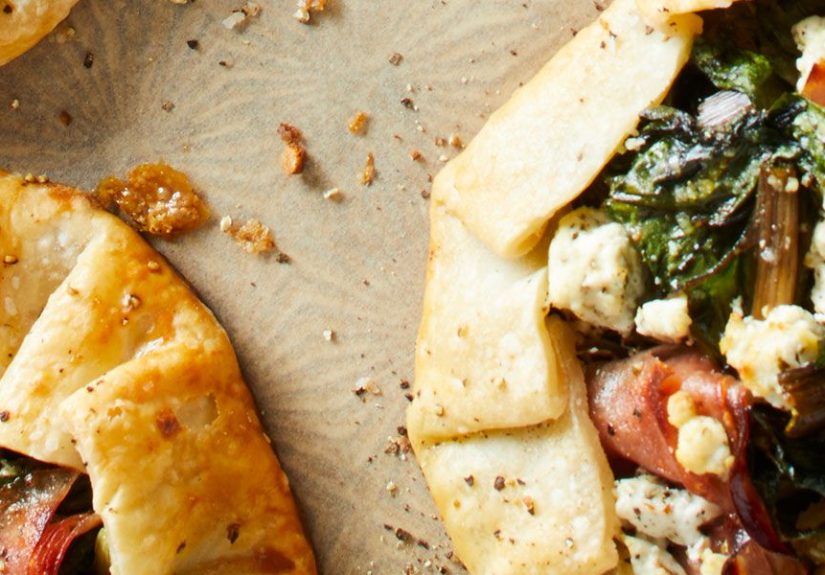
Galettes are the laid-back cousins of formal pies. There is no pie dish, no perfect crimp, and no pressure to perform pastry symmetry. Just roll out the dough, pile the filling in the center, fold up the edges, and bake. For a deeply savory version, sauté mushrooms until their moisture cooks off and their flavor concentrates. Add softened leeks, thyme, and a little Gruyère or goat cheese. This is the pie for people who want something rustic, elegant, and forgiving enough to survive a chaotic Tuesday.
Beef and Onion Hand Pies
Hand pies are portable, practical, and dangerously easy to overeat. A savory beef filling with onions, garlic, Worcestershire sauce, and a little gravy makes these incredibly satisfying. You can use homemade dough or store-bought pastry, then fold, crimp, and bake until golden. They are excellent for lunches, road trips, game-day spreads, or any situation where a fork feels like an unnecessary middleman. A sprinkling of flaky salt on top makes them feel bakery-worthy with almost no extra effort.
Spinach and Feta Phyllo Pie
If you love crisp, shattering layers, this pie deserves a permanent place in your repertoire. Spinach and feta are the stars, but onions, scallions, dill, parsley, and a few eggs bring structure and brightness. The key is squeezing the spinach very well and cooking off any excess moisture before assembling the pie. Phyllo may look fussy, but once you accept that buttered sheets are allowed to be charmingly imperfect, the whole process gets easier. The final bake delivers crunchy edges, creamy filling, and maximum “listen to that crackle” satisfaction.
Sausage, Kale, and Potato Pie
This pie is hearty enough to count as serious dinner and sturdy enough to handle cool-weather cravings. Brown sausage first, then add onion, garlic, chopped kale, and thin slices of potato. A little cream or cheese ties the filling together without making it heavy. This is a good place for a sturdier crust, especially if you want a pie that slices cleanly and reheats beautifully. It is rich, earthy, and exactly the kind of meal that makes people suddenly appear in the kitchen asking what smells so good.
Roasted Vegetable and Goat Cheese Slab Pie
When you are feeding a group, a slab pie on a sheet pan is the hero move. Roast zucchini, peppers, onions, squash, or eggplant until caramelized, then layer them over pastry with goat cheese or ricotta. Because the vegetables are roasted first, their flavor is concentrated and their moisture is reduced, which keeps the crust crisp. Cut the finished pie into squares for lunch, dinner, or party snacking. This version is colorful, flexible, and especially good when your farmers market haul got a little too enthusiastic.
Turkey Pot Pie with Hot Water Crust
This is a brilliant leftover makeover, especially after holidays when turkey starts haunting the refrigerator. A hot water crust is sturdier than classic flaky dough, which makes it ideal for generous, chunky fillings. Combine turkey with onions, carrots, peas, and a rich gravy seasoned with herbs. The crust holds up well, bakes into a satisfying shell, and makes the pie feel old-school in the best possible way. It is cozy, practical, and a strong argument for cooking more turkey than strictly necessary.
Corn, Zucchini, and Ricotta Summer Pie
This one tastes like peak-season produce decided to throw a dinner party. Sweet corn, tender zucchini, ricotta, herbs, and a little Parmesan make a lighter savory pie that still feels substantial. You can bake it as a tart, a galette, or even a slab pie. The key is to sauté or roast the zucchini first so it does not flood the crust. Add lemon zest or fresh thyme for brightness. It is sunny, savory, and exactly the kind of pie that convinces people vegetables were never the boring part of the meal.
Common Savory Pie Mistakes to Avoid
One of the most common mistakes is filling the pie while everything is still hot. Warm fillings can soften the dough before the pie even reaches the oven. Let cooked fillings cool a bit first. Another classic mistake is under-seasoning. Because crust dulls flavor slightly, fillings should taste bold before baking. And then there is overfilling, which seems generous in theory but often leads to leaks, sogginess, and a pie that behaves like a rebellion.
Also, do not underestimate venting. Top-crust pies need slits or openings so steam can escape. If moisture is trapped, crispness suffers. Finally, do not pull the pie too early. Savory pies should look deeply golden and fully set, not pale and hopeful.
How to Serve and Store Savory Pies
Savory pies are excellent with simple sides that do not compete for attention. Try a sharp green salad, roasted vegetables, tomato soup, or fruit for brunch pies. For richer pies like pot pie or meat pie, something acidic on the side helps balance the meal. Think pickled onions, mustardy greens, or a bright vinaigrette.
For storage, let the pie cool, then refrigerate leftovers if the filling contains meat, eggs, or dairy. Reheat slices in the oven when possible so the crust stays crisp. The microwave is faster, of course, but it also has a remarkable talent for turning great crust into soft regret.
Conclusion
The best savory pie recipes do more than feed people. They create a little theater at the table: the golden crust, the steam when the first slice comes out, the suspicious silence after everyone starts eating. Whether you prefer a creamy chicken pot pie, a flaky tomato pie, a brunchy quiche, or a rustic vegetable galette, savory pies are wonderfully adaptable and deeply satisfying. Once you learn the basic rules of crust, moisture, and seasoning, you can improvise with confidence and turn everyday ingredients into something impressive. That is the real magic of savory pie baking: a little technique, a lot of flavor, and just enough butter to make life feel generous.
Experiences With Savory Pie Recipes in Real Life
One of the reasons I love savory pie recipes is that they feel both practical and slightly theatrical. On an ordinary weeknight, a savory pie can start as a cleanup project. Half an onion, leftover roast chicken, a handful of spinach, a suspiciously small wedge of cheese, and a crust from the freezer do not look like dinner at first. Then they go into a pie, and suddenly everyone acts like you opened a charming little café in your kitchen. It is one of the greatest tricks in home cooking.
I have also learned that savory pies are surprisingly emotional foods. Chicken pot pie feels like weather insurance. Tomato pie tastes like late summer and open windows. Quiche somehow makes even a random Tuesday lunch feel organized and civilized. Hand pies, meanwhile, have the energy of “I packed snacks, and I respect myself.” There is a pie for every mood, which is frankly more emotional support than some people get from group chats.
Experience also teaches humility. The first time you skip draining tomatoes, the pie tells on you. The first time you forget to cook the mushrooms long enough, the crust pays the price. And the first time you cut into a quiche five seconds after it leaves the oven, you learn that patience is not just a virtue; it is a structural requirement. Savory pies are generous teachers, but they absolutely assign homework.
What makes them especially rewarding is how adaptable they are over time. Once you understand the rhythm, you stop relying so heavily on strict formulas. You begin to notice which cheeses melt beautifully, which vegetables need roasting first, and which herbs brighten a rich filling. You learn that mustard quietly improves many pies without demanding applause. You discover that puff pastry can save dinner and that a galette is the perfect answer to “I want pie, but I do not want drama.”
There is also something deeply satisfying about serving a savory pie to other people. It slices with ceremony. It smells like effort, even when you used shortcuts. It invites conversation because everyone has an opinion: top crust or no top crust, quiche for dinner or brunch only, tomato pie with mayo or without. Savory pies feel familiar enough to comfort people and interesting enough to keep them curious.
Most of all, these pies earn repeat status. They work for holidays, meal prep, family dinners, potlucks, lazy weekends, and “we need to use what we have” nights. They make leftovers feel intentional. They reward technique without demanding perfection. And when you get one right, with a crisp crust and a filling that holds together just enough, it feels like a small domestic triumph. Not a flashy one. Just the kind that makes a kitchen feel warm, useful, and full of very good ideas.






 Close
Close