Table of Contents >> Show >> Hide
- Why natural blood pressure control matters
- 15 natural ways to lower blood pressure
- 1. Follow a DASH-style eating pattern
- 2. Cut back on sodium, especially from packaged foods
- 3. Eat more potassium-rich foods, if your doctor says it is safe
- 4. Lose excess weight if you need to
- 5. Get at least 150 minutes of aerobic activity each week
- 6. Add strength training twice a week
- 7. Sit less and move more during the day
- 8. Limit alcohol
- 9. Quit smoking and avoid nicotine, including vaping
- 10. Sleep 7 to 9 hours and keep a regular schedule
- 11. Do not ignore possible sleep apnea
- 12. Use stress management that you will actually do
- 13. Cut back on added sugar and ultra-processed foods
- 14. Be smart about caffeine
- 15. Monitor your blood pressure at home and stay consistent
- How to make these habits stick
- Real-world experiences and practical lessons
- Final thoughts
High blood pressure has a sneaky personality. It usually does not make a grand entrance, throw a tantrum, or announce itself with fireworks. It just shows up, sits quietly in the corner, and keeps raising your risk of heart disease, stroke, and kidney problems. Rude, honestly.
The good news is that many people can lower blood pressure naturally with consistent lifestyle changes. Not magic tea. Not a mystery powder in an influencer’s kitchen. Just smart, evidence-based habits that work together over time. If you have hypertension, these strategies can support medical treatment. If your numbers are creeping up, they may help you push back before things get worse.
This guide breaks down 15 natural ways to lower blood pressure in plain English, with real-life examples and practical tips you can actually use. No scare tactics. No wellness nonsense. Just a better plan for your arteries.
Why natural blood pressure control matters
Blood pressure reflects how hard your blood pushes against the walls of your arteries. When that pressure stays high, your heart and blood vessels have to work overtime. Over months and years, that strain can damage the heart, brain, kidneys, and eyes. The frustrating part is that high blood pressure often has no obvious symptoms, which is why it is sometimes called a “silent” problem.
Natural blood pressure management works best when you think of it as a system, not a single hack. A lower-sodium diet helps. Better sleep helps. Walking helps. Losing excess weight helps. Stress reduction helps. Stack those habits together, and the results can become much more meaningful than any one move alone.
15 natural ways to lower blood pressure
1. Follow a DASH-style eating pattern
If there were a hall-of-fame diet for blood pressure, DASH would already have a plaque on the wall. DASH stands for Dietary Approaches to Stop Hypertension, and it focuses on fruits, vegetables, beans, whole grains, nuts, lean proteins, and low-fat dairy while cutting back on sodium, added sugars, and foods heavy in saturated fat.
Think of it as the opposite of the “I grabbed fries, a cookie, and an energy drink because I was busy” meal plan. A DASH-style plate is colorful, filling, and less likely to leave your blood vessels filing complaints.
2. Cut back on sodium, especially from packaged foods
Most people assume the salt shaker is the villain. Plot twist: the bigger culprit is often packaged food, restaurant meals, canned soups, deli meats, frozen dinners, sauces, and snack foods. Even foods that do not taste very salty can be loaded with sodium.
Start by reading labels. Compare brands. Choose “low sodium” or “no salt added” when possible. Cook more often at home. Rinse canned beans. Use herbs, lemon, garlic, vinegar, and spices to build flavor. Your taste buds will adapt faster than you think.
3. Eat more potassium-rich foods, if your doctor says it is safe
Potassium helps balance the effects of sodium and supports healthy blood vessel function. Many people eat far more sodium than they need and not nearly enough potassium. Good food sources include bananas, oranges, beans, lentils, potatoes, yogurt, spinach, tomatoes, and avocado.
There is one important caveat: if you have kidney disease or take certain medications, too much potassium can be a problem. So yes, potatoes can be helpful, but this is not a dare to eat six bananas before lunch.
4. Lose excess weight if you need to
When body weight goes up, blood pressure often follows. Even a modest weight loss can help reduce the strain on your heart and blood vessels. This does not mean chasing an unrealistic body goal or worshipping your bathroom scale like it is a moody weather app.
It means steady, sustainable progress: more whole foods, fewer liquid calories, smarter portions, better sleep, and regular movement. The goal is not perfection. The goal is momentum.
5. Get at least 150 minutes of aerobic activity each week
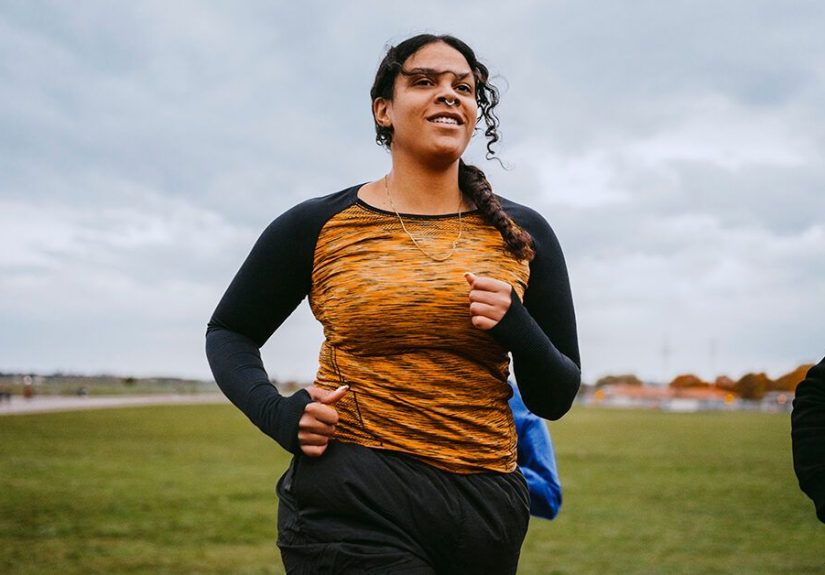
Regular aerobic exercise is one of the most reliable natural tools for lowering blood pressure. Brisk walking, cycling, swimming, dancing, hiking, and even energetic yard work count. You do not have to become a marathon person unless that is genuinely your thing.
A practical target is 30 minutes a day, five days a week. If that sounds like a lot, break it up. Ten minutes here, ten there, ten after dinner. Your blood vessels do not care whether your walk came with fancy leggings or old sneakers and a grumpy dog.
6. Add strength training twice a week
Cardio gets most of the attention, but resistance training matters too. Building muscle improves overall metabolic health, supports weight control, and can help with blood pressure over time. You can use dumbbells, resistance bands, machines, or bodyweight moves like squats, wall push-ups, and lunges.
You do not need to train like an action-movie hero. Two sensible sessions a week is a strong start.
7. Sit less and move more during the day
Even if you exercise, long stretches of sitting can still work against you. If your day involves a desk, a car, and then a couch, your body is basically being told, “Please turn into a decorative lamp.”
Stand up every hour. Walk while taking calls. Use stairs when you can. Park a little farther away. Tiny movement breaks help reduce sedentary time and make it easier to reach your activity goals without needing an entire personality transplant.
8. Limit alcohol
Alcohol and blood pressure have a complicated relationship, but the short version is simple: too much alcohol can raise your numbers. If you drink, moderation matters. Some people assume red wine becomes a health food if it sits next to a salad. That is not how this works.
If your blood pressure is high, reducing alcohol intake may be one of the easiest wins on the list.
9. Quit smoking and avoid nicotine, including vaping
Smoking damages blood vessels and raises cardiovascular risk. Nicotine also increases blood pressure and heart rate, whether it comes from cigarettes, many e-cigarettes, or other nicotine products. So if someone told you vaping is just “spicy air,” your cardiovascular system would like a word.
Quitting is not easy, but it pays off quickly. Blood pressure and heart rate can improve soon after stopping, and long-term heart risks drop over time. If you need support, use a quit plan, counseling, or clinician-guided tools instead of trying to white-knuckle it forever.
10. Sleep 7 to 9 hours and keep a regular schedule
Sleep is not lazy. Sleep is maintenance. Too little sleep and poor-quality sleep are linked with high blood pressure and worse heart health. Adults generally do best with about 7 to 9 hours a night, and consistency matters too.
Try a regular bedtime, less late-night screen glare, a darker bedroom, and less caffeine late in the day. If your sleep schedule changes wildly from weekday to weekend, your body may feel like it is living in two time zones.
11. Do not ignore possible sleep apnea
If you snore loudly, wake up gasping, feel exhausted during the day, or your partner says you stop breathing at night, get evaluated for sleep apnea. This condition is common and strongly linked with high blood pressure. Many people work hard on diet and exercise while missing this giant piece of the puzzle.
Treating sleep apnea can improve sleep quality, daytime energy, and blood pressure control. Sometimes the answer is not “try harder.” Sometimes the answer is “get checked.”
12. Use stress management that you will actually do
Chronic stress does not help blood pressure, and it often triggers habits that make things worse, like overeating, drinking more, sleeping less, and skipping exercise. Stress management does not have to mean meditating on a mountain or buying a candle that smells like enlightenment.
Try deep breathing, mindfulness, yoga, prayer, stretching, journaling, short walks, or simply protecting time that is not swallowed by notifications. The best method is the one you will keep doing after the novelty wears off.
13. Cut back on added sugar and ultra-processed foods
Blood pressure is not just about salt. Diets heavy in sugary drinks, desserts, fast food, and ultra-processed snacks can work against heart health, body weight, and blood pressure control. A heart-healthier eating pattern is not about never eating dessert again. It is about not letting soda and snack cakes become your emotional support team.
Focus on water, unsweetened drinks, fruit, yogurt, oats, nuts, beans, and minimally processed meals. Your body usually responds better to foods that still resemble actual food.
14. Be smart about caffeine
Caffeine does not affect everyone the same way, but it can raise blood pressure in the short term for some people. If you already have hypertension, it is worth paying attention to how your body responds to coffee, energy drinks, pre-workout powders, and giant “just one more” iced drinks.
Try checking your blood pressure before caffeine and again about 30 to 120 minutes later. If your numbers jump noticeably, reducing caffeine may help. This is especially true for people who are also under-slept, stressed, and basically running on espresso and determination.
15. Monitor your blood pressure at home and stay consistent
Home blood pressure monitoring is not a treatment by itself, but it is a powerful habit. It helps you see patterns, measure progress, and catch problems earlier. It can also keep you honest. That “I’m sure it’s fine” energy has ended many great plans.
Use a validated upper-arm monitor, sit quietly for a few minutes first, keep your back supported and feet flat on the floor, and take more than one reading. Most important: do not stop prescribed medication just because one home reading looks better. Natural strategies and medical treatment often work best together.
How to make these habits stick
Trying to overhaul your entire life by Monday is usually how people end up back at takeout, skipped workouts, and a half-used yoga mat glaring from the corner. Instead, start with two or three changes that give you the biggest return.
A good beginner combo looks like this: walk 30 minutes most days, cut sodium from your most common packaged foods, and improve sleep. Once that feels normal, add a strength routine, better breakfasts, or home blood pressure tracking. Blood pressure management is less about dramatic declarations and more about boring consistency. And yes, boring can be beautiful when your arteries are involved.
Real-world experiences and practical lessons
People often imagine blood pressure improvement as one cinematic moment: a doctor gives a warning, dramatic music plays, and suddenly the fridge fills itself with kale. Real life is not that tidy. What usually happens is smaller, messier, and much more human.
One common experience is the “healthy eater” surprise. Someone says they do not use much salt, but then starts checking labels and discovers that sandwich bread, deli turkey, soup, salad dressing, and frozen burritos have been quietly stacking sodium all day long. The big lesson is that awareness changes behavior. Once people start reading labels, many naturally shift toward simpler meals: eggs instead of breakfast sandwiches, plain yogurt instead of sugary cups, leftovers instead of drive-thru lunches. Their food does not become boring; it just becomes less sneaky.
Another frequent story is the person who thinks exercise only counts if it is intense. So they do nothing because they cannot commit to boot camp at 6 a.m. Then they start walking after dinner for 15 or 20 minutes and realize two things: first, walking is real exercise; second, it improves sleep, stress, and digestion too. That small routine becomes one of the most sustainable changes because it feels doable on ordinary days, not just on imaginary perfect days.
Sleep is another area where people underestimate the impact. Plenty of adults normalize feeling tired, snoring loudly, or waking up foggy and irritable. Then they improve their sleep routine, or finally get checked for sleep apnea, and notice they are not craving as much junk food, not leaning on caffeine all afternoon, and not feeling as wired at bedtime. Blood pressure habits tend to improve together, like dominoes falling in the direction you actually want.
Stress management usually follows a similar pattern. People assume it has to be deep and spiritual, but often the most effective stress relief is surprisingly practical: taking a walk without the phone, doing five minutes of slow breathing before bed, saying no to one unnecessary obligation, or keeping a short evening routine that tells the nervous system the day is over. These things are not glamorous, but neither is hypertension, so that seems fair.
Weight loss, when it happens, is also usually less dramatic than social media suggests. People do best when they stop chasing “clean eating” perfection and instead fix repeat problems. Maybe it is sugary coffee every morning. Maybe it is restaurant lunch five days a week. Maybe it is mindless snacking after 10 p.m. The win comes from noticing patterns, not punishing yourself for having them.
Perhaps the most encouraging experience is this: many people feel better before the scale changes much at all. They sleep more soundly. They get fewer headaches. Their energy steadies out. Their home blood pressure readings slowly begin to trend in the right direction. That momentum matters. Seeing real progress makes healthy habits feel less like chores and more like tools.
In other words, lowering blood pressure naturally is rarely about becoming a different person overnight. It is about becoming slightly more consistent than you were last month. Then doing that again next month. And again. Not flashy, but extremely effective.
Final thoughts
If you want to lower blood pressure naturally, start with habits that hit the biggest levers: eat more like DASH, cut sodium, move regularly, sleep better, manage stress, reduce alcohol, and avoid nicotine. Add potassium-rich foods if appropriate, watch caffeine if you are sensitive, and track your progress at home. Small changes done consistently can make a real difference.
Note: This article is educational and not a substitute for personal medical care. If you have kidney disease, take medications that affect potassium, are pregnant, or have persistently high readings, talk with a healthcare professional before making major changes. If your blood pressure is extremely high or you have symptoms such as chest pain, severe shortness of breath, confusion, weakness, or trouble speaking, seek urgent medical care. Do not stop prescribed blood pressure medication without medical guidance.