Table of Contents >> Show >> Hide
- Why This Red and Green Pepper Salsa Works
- Ingredients
- How to Make Red and Green Pepper Salsa
- Want a Roasted Version? Here’s the Move
- Tips for the Best Salsa Texture and Flavor
- Serving Ideas That Go Beyond Chips
- How to Store It Safely
- Common Mistakes to Avoid
- Conclusion
- Experience: What Making Red and Green Pepper Salsa Feels Like in Real Life
Some recipes are dramatic. They demand special equipment, a free afternoon, and the emotional stability of a competitive baking judge. This is not one of them. Red and green pepper salsa is the kind of recipe that shows up, saves snack time, and leaves everyone hovering near the bowl with “just one more chip” energy. It is bright, crunchy, tangy, a little sweet, a little zippy, and ridiculously flexible. Serve it with tortilla chips, spoon it over grilled chicken, pile it onto tacos, or eat it straight from the fridge while pretending you are “just checking the seasoning.”
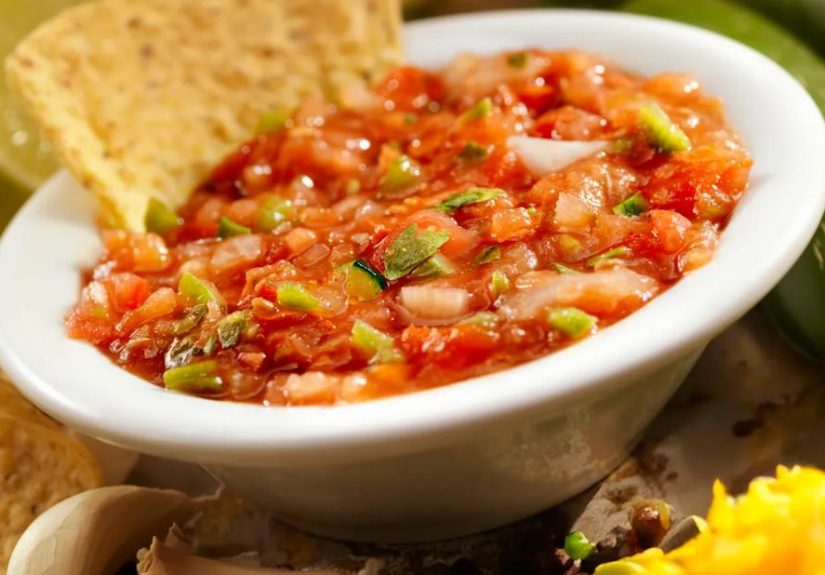
What makes this version work is the balance. The red bell pepper brings sweetness, the green bell pepper adds that fresh, grassy bite, tomatoes keep it juicy, lime perks everything up, and jalapeño gives it enough attitude without stealing the show. The texture stays chunky and fresh, which makes it feel more like a real homemade salsa and less like a jar with trust issues. If you like food that tastes lively, colorful, and suspiciously easy, this recipe deserves a permanent spot in your rotation.
Why This Red and Green Pepper Salsa Works
A lot of salsa recipes lean heavily on tomatoes, and that is great when tomatoes are perfect. But when you want a salsa with more crunch, more color, and a broader flavor range, bell peppers do some serious heavy lifting. Red bell peppers are naturally sweeter and rounder in flavor, while green bell peppers taste fresher, sharper, and slightly more savory. Together, they create a salsa that tastes layered instead of one-note.
The supporting cast matters too. White onion gives the salsa bite without bulldozing the other ingredients. Fresh cilantro adds a clean herbal pop. Jalapeño brings heat you can control. Garlic adds depth. Lime juice ties the whole thing together with brightness, and a little salt helps every ingredient stop being shy. A pinch of cumin is optional, but it adds a warm, earthy edge that makes the salsa taste like it has its life together.
This is also a recipe built for real kitchens. You can chop everything by hand for a rustic, chunky texture, or pulse it a few times in a food processor if you are hungry and not in the mood to play knife artist. You can keep it totally fresh, or you can roast the peppers and tomatoes first for a deeper, smokier version. In other words, it is adaptable, forgiving, and very hard to mess up unless you somehow add an entire cup of salt and call it confidence.
Ingredients
Yield: About 3 cups
- 3 medium Roma tomatoes, seeded and finely chopped
- 1 medium red bell pepper, finely diced
- 1 medium green bell pepper, finely diced
- 1/2 small white onion, finely diced
- 1 jalapeño, seeded and minced
- 1 garlic clove, minced
- 1/3 cup fresh cilantro, chopped
- 2 tablespoons fresh lime juice
- 1 teaspoon lemon juice
- 1/2 teaspoon kosher salt, plus more to taste
- 1/4 teaspoon ground cumin
- 1/4 teaspoon black pepper
Optional add-ins: 1 teaspoon olive oil for a silkier finish, 1 extra jalapeño for more heat, or a small pinch of sugar if your tomatoes are especially tart.
How to Make Red and Green Pepper Salsa
1. Prep the vegetables like you mean it
Start by washing and drying all your produce. Dice the red and green bell peppers into small, even pieces so every scoop gets a little of everything. Seed the tomatoes if you want a chunkier salsa with less liquid. Finely dice the onion, mince the jalapeño, and chop the cilantro. Mince the garlic as finely as possible so it blends into the salsa instead of surprising someone with a bold little garlic monologue.
2. Combine everything in a large bowl
Add the tomatoes, red bell pepper, green bell pepper, onion, jalapeño, garlic, and cilantro to a bowl. Pour in the lime juice and lemon juice, then add the salt, cumin, and black pepper. Stir until everything is well mixed. The bowl should look colorful enough to deserve applause.
3. Let it rest
This step is small, but it matters. Let the salsa sit for 15 to 30 minutes before serving. That short rest gives the salt and citrus time to wake up the vegetables and helps the flavors come together. Fresh salsa tastes good right away, but it usually tastes even better after a little pause. Think of it as a tiny spa break for chopped produce.
4. Taste and adjust
Now give it a taste. Need more brightness? Add another squeeze of lime. Too sharp? A tiny pinch of sugar can round it out. Want more heat? Stir in more jalapeño or a pinch of crushed red pepper. Need more body? Add another tomato or a little more diced red pepper. Good salsa is not about perfection on the first try; it is about knowing when to nudge it in the right direction.
5. Serve cold or slightly cool
You can serve this immediately, but it is especially good slightly chilled. Scoop it into a bowl and serve it with tortilla chips, tacos, grilled shrimp, roasted chicken, quesadillas, burrito bowls, or anything else that benefits from a bright, crunchy topping. Which is, honestly, a lot of things.
Want a Roasted Version? Here’s the Move
If you prefer a deeper, smokier salsa, roast the peppers and tomatoes before chopping them. Place the red bell pepper, green bell pepper, and tomatoes under a broiler or in a hot oven until lightly charred and softened. Let them cool, then dice or pulse them with the remaining ingredients. Roasting softens the peppers, sweetens the tomatoes, and gives the salsa a richer, more rounded flavor.
The fresh version is best when you want crisp texture and maximum brightness. The roasted version is ideal for cooler weather, taco night, or any moment when you want your salsa to feel a little moodier and more dramatic. Both are excellent. This is a choose-your-own-salsa-adventure situation, and there are no bad endings.
Tips for the Best Salsa Texture and Flavor
Use firm tomatoes
Soft, overripe tomatoes can make the salsa watery. Firm, ripe tomatoes give you better texture and cleaner flavor. Roma tomatoes are especially helpful when you want a salsa that stays chunky rather than drifting into accidental gazpacho territory.
Cut the vegetables evenly
Uniform pieces help the salsa taste balanced in every bite. Huge chunks of onion and tiny flecks of pepper make the texture feel random. This is one of those recipes where a little knife patience pays off.
Control the heat
For a mild salsa, remove the seeds and membranes from the jalapeño. For medium heat, leave in a little. For a spicier batch, add more jalapeño or swap in serrano. The beautiful thing about homemade salsa is that you are the boss of the heat level, not a mystery jar from aisle seven.
Don’t skip the citrus
Lime juice is not just there for decoration. It brightens the vegetables, balances sweetness, and makes the salsa taste fresher. A touch of lemon juice adds another layer of acidity that plays nicely with the peppers, especially if your tomatoes are very sweet.
Chill smartly, not forever
A short chill improves flavor, but a very long stay in the refrigerator can soften the vegetables and dull the brightness. This salsa is at its best within the first day or two, when the texture still has bounce and the flavors still feel lively.
Serving Ideas That Go Beyond Chips
Yes, tortilla chips are the obvious answer, and they are a very good answer. But this salsa is more versatile than it looks. Spoon it over grilled fish for an easy weeknight dinner that feels a little fancier than it really is. Add it to scrambled eggs or omelets to wake up breakfast. Use it as a topping for burgers, grilled steak, chicken fajitas, grain bowls, black beans, or baked potatoes. Stir it into avocado for a quick chunky guacamole-salsa hybrid. Add it to a cheese board if you want your guests to ask, “Wait, who made this?” in a respectful tone.
It is also ideal for parties because it looks gorgeous without trying too hard. The red and green peppers make the bowl feel festive, which means it naturally works for summer cookouts, game-day spreads, taco bars, and holiday gatherings. In other words, this salsa has range.
How to Store It Safely
Because this is a fresh salsa, it should be refrigerated promptly. Store it in an airtight container in the refrigerator and aim to enjoy it within 3 to 4 days for food safety, though the best texture and flavor are usually in the first 1 to 2 days. If it sits out at room temperature for more than 2 hours, it is better to let it go. Sad, yes. Worth the risk, no.
If you are serving it at a party, place the bowl over ice or bring out smaller portions and refill as needed. That keeps the salsa cool and fresh without leaving the whole batch out too long. Also, use a clean spoon for serving. Double-dipping may be a social crime in some homes and a food-safety issue in all homes.
Common Mistakes to Avoid
Making it too watery
If your salsa turns soupy, the tomatoes are usually the reason. Seed them before chopping, drain off excess liquid, or add a little more diced bell pepper to rebalance the texture.
Over-processing it
If you use a food processor, pulse instead of puréeing. Salsa should have texture. Once it turns completely smooth, you are not in salsa territory anymore; you are flirting with sauce.
Overloading the onion
Onion adds essential sharpness, but too much can dominate the bowl. Start modestly and increase only if needed. Bell peppers are the stars here, and they deserve stage time.
Under-seasoning
Fresh vegetables need salt and acid to shine. If the salsa tastes flat, it probably needs a pinch more salt, another squeeze of lime, or both.
Conclusion
Red and green pepper salsa is one of those rare recipes that feels both practical and exciting. It is easy enough for a random Tuesday, colorful enough for a party, and flexible enough to match whatever is happening in your kitchen. Fresh vegetables, bright citrus, a little heat, and a whole lot of crunch make this a recipe worth repeating.
The best part is that it invites you to make it your own. Keep it chunky, roast the peppers, dial the heat up or down, add extra cilantro, or spoon it over absolutely everything. Once you get comfortable with the balance of sweet red pepper, crisp green pepper, tomato, onion, and lime, you stop thinking of salsa as a side dish and start treating it like a kitchen superpower. Which, frankly, it is.
Experience: What Making Red and Green Pepper Salsa Feels Like in Real Life
The first time I made a red and green pepper salsa, I expected it to be good in a very reasonable, polite way. I did not expect it to become the bowl people hovered over at the party like it contained state secrets. But that is exactly what happened. I set it on the table next to chips, guacamole, and a few other snacks that had every right to feel confident, and within half an hour the salsa was nearly gone. Not dramatically sampled. Gone. The guacamole looked personally offended.
What surprised me most was how much the peppers changed the whole salsa experience. Tomato-heavy salsa is wonderful, but this version had more crunch, more color, and more personality. The red peppers made it feel sweeter and friendlier. The green peppers gave it a sharper edge that kept it from tasting too mellow. Together, they created that perfect “keep eating even though dinner is in 20 minutes” situation. You know the one.
Since then, this salsa has become one of those recipes I make when I want something dependable but not boring. It works for summer cookouts because it tastes cold, bright, and refreshing. It works in winter because the colors look cheerful and slightly festive. It works on taco night because it wakes up everything on the plate. It even works on lazy afternoons when the main goal is to stand in the kitchen, snack over the cutting board, and call it culinary research.
There is also something very satisfying about how low-stress it is. You chop, stir, taste, adjust, and suddenly you have a bowl of something that looks vibrant and homemade without requiring a single complicated move. No dough to proof. No sauce to babysit. No moment where you stare into the oven window and question your choices. Just crisp vegetables, a little citrus, and a recipe that rewards common sense.
I have made it chunkier for scooping, finer for spooning over grilled chicken, and smokier by roasting the peppers first. I have made it mild for family dinners and spicier for friends who think heat is a personality trait. Every version has worked because the structure of the recipe is so solid. Once you understand the balance, you stop following it like rules and start using it like a map.
That may be the real charm of red and green pepper salsa. It feels useful. It is not just a dip; it is a finishing touch, a side dish, a topping, a snack, and occasionally dinner’s entire rescue plan. When a meal needs more color, more freshness, or more excitement, this salsa walks in like it has been waiting for the call. And honestly, it usually has.
So if you make it once and suddenly start bringing it to every gathering, that is not overkill. That is pattern recognition. People like food that tastes fresh, looks cheerful, and pairs with everything. This salsa checks all three boxes without being fussy about it. In a kitchen full of recipes that ask for too much, that kind of ease feels almost luxurious.