Table of Contents >> Show >> Hide
- First: What “Cat-Safe” Really Means
- 15 Cat-Safe Houseplants (With Picture Ideas + Easy Care)
- 1) Spider Plant (Chlorophytum comosum)
- 2) Boston Fern (Nephrolepis exaltata)
- 3) Areca Palm (Dypsis lutescens)
- 4) Parlor Palm (Chamaedorea elegans)
- 5) Calathea / Peacock Plant (Calathea spp.)
- 6) Prayer Plant (Maranta leuconeura)
- 7) Baby Rubber Plant / Peperomia (Peperomia obtusifolia)
- 8) African Violet (Saintpaulia spp.)
- 9) Moth Orchid (Phalaenopsis spp.)
- 10) Christmas Cactus (Schlumbergera)
- 11) Echeveria (Echeveria spp.)
- 12) Haworthia (Haworthia spp.)
- 13) Bromeliad (Bromeliaceae family; e.g., Neoregalia)
- 14) Ponytail Palm (Beaucarnea recurvata)
- 15) Cast Iron Plant (Aspidistra elatior)
- Common Plants to Avoid (Because Cats Don’t Read Warning Labels)
- How to Get “Pictures of Cat Safe Houseplants” Without the Chaos
- What to Do If Your Cat Chews a Plant Anyway
- Conclusion: A Home With Plants and Cats Is Totally Possible
- Real-Life Experiences: What Cat Parents Learn the Hard Way (and Then Laugh About Later)
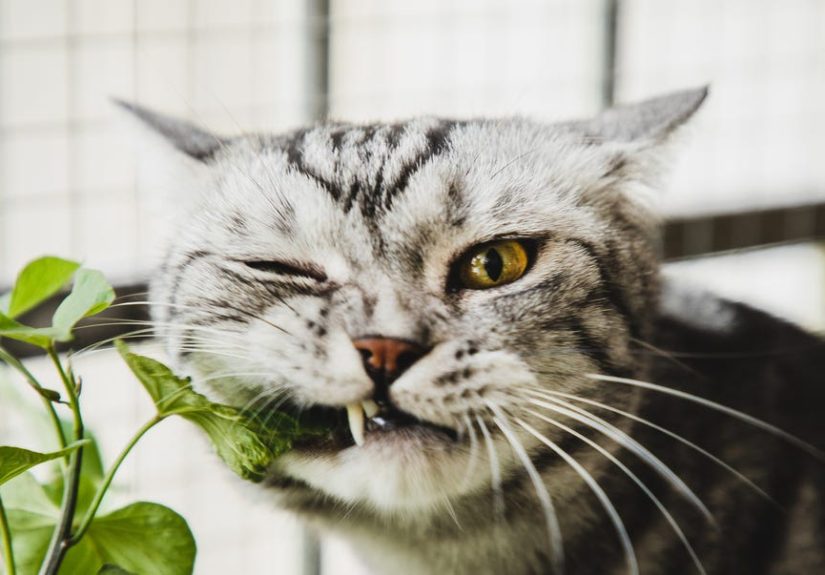
Cats are tiny, fuzzy scientists who study the world by sniffing it, batting it, andwhen nobody’s lookingtaste-testing it.
That’s adorable until you remember your living room is basically a leafy buffet. The good news: you can have a home
that’s both “Pinterest plant shelf” and “cat-safe zone.”
This guide rounds up 15 popular cat-safe houseplants (non-toxic picks) plus practical care tips, photo ideas
for “pictures of cat safe houseplants,” and realistic advice for living with a plant-curious cat. Because the goal isn’t just
“plants that won’t poison your cat”it’s plants that survive your cat’s vibes.
First: What “Cat-Safe” Really Means
“Cat-safe” typically means the plant is considered non-toxic to cats. But here’s the fine print your cat will
absolutely ignore: even non-toxic plants can still cause mild stomach upset if a cat chews a lot of leaves (think drool,
occasional vomiting, or “I regret my choices” face).
Also, plant safety depends on the exact species. Common names can be confusing, so whenever possible, shop by
the scientific name (it’s like reading the ingredient labeljust with more Latin).
Quick safety rules for plant-and-cat households
- Assume your cat will nibble. Place plants where they can’t take repeated bites.
- Skip lilies entirely. They’re famously dangerous for cats.
- Watch the potting mix. Fertilizers, perlite, and bark chips can be a bigger problem than the plant.
- When in doubt, call a vet. If your cat ate a mystery plant, don’t “wait and see” for dramatic effect.
15 Cat-Safe Houseplants (With Picture Ideas + Easy Care)
Below, each plant includes a simple “picture prompt” you can use to snap your own photos (or to guide licensed stock image
selection), plus basic care that won’t require a botany degree.
1) Spider Plant (Chlorophytum comosum)

A classic for a reason: spider plants are hardy, fast-growing, and famously fun-looking. Cats also find them irresistible
because the long leaves move like tiny green ribbons. Keep it in a hanging basket to protect the plant from becoming a salad bar.
Care: bright, indirect light; water when the top inch of soil dries.
2) Boston Fern (Nephrolepis exaltata)

If you want instant “green volume,” Boston fern delivers. It likes humidity, so bathrooms and kitchens can be perfect.
Care: bright, indirect light; keep soil lightly moist; mist or run a humidifier if your home is dry.
3) Areca Palm (Dypsis lutescens)

Want a vacation vibe without leaving your couch? Areca palm brings airy, feathery fronds and a softer silhouette than many palms.
Care: bright, indirect light; water when the top layer dries; rotate monthly for even growth.
4) Parlor Palm (Chamaedorea elegans)

Parlor palm is a great “starter palm” and tends to tolerate lower light better than you’d expect. It’s also a nice floor-level
option when you want greenery where your cat loungeswithout the panic.
Care: medium to bright indirect light; water when top inch dries.
5) Calathea / Peacock Plant (Calathea spp.)

Calatheas are the “fashion models” of houseplantsbold patterns, dramatic leaves, and a tendency to be a little picky.
They’re beloved in pet homes because many varieties are considered cat-safe.
Care: bright, indirect light; higher humidity; use filtered water if leaf edges brown easily.
6) Prayer Plant (Maranta leuconeura)

Prayer plants are known for leaves that can shift position between day and night. They stay fairly compact, making them good
for shelves. Cats tend to be curious, so keep it elevated if your cat is a serial nibbler.
Care: medium to bright indirect light; evenly moist soil; enjoys humidity.
7) Baby Rubber Plant / Peperomia (Peperomia obtusifolia)

Peperomias are a gift to busy humans: compact, cute, and generally forgiving. Thick leaves store a bit of moisture, so they
don’t collapse if you miss a watering by, say, “only three weeks.”
Care: bright, indirect light; let soil dry slightly between waterings.
8) African Violet (Saintpaulia spp.)

If you want flowers indoors without worrying about your cat, African violets are a classic. Their fuzzy leaves are distinctive,
and they bloom with decent light.
Care: bright, indirect light; water from the bottom to avoid spotting leaves; keep evenly moist.
9) Moth Orchid (Phalaenopsis spp.)

Orchids look fancy, but moth orchids can be surprisingly manageable. Just remember: the barky potting mix can tempt curious cats.
Keep it out of reach if your cat likes digging.
Care: bright, indirect light; water on a schedule (often weekly) and let excess drain fully.
10) Christmas Cactus (Schlumbergera)

Unlike desert cacti, this holiday favorite has softer, segmented stems and likes more consistent moisture. Bonus: seasonal blooms
without needing a greenhouse.
Care: bright, indirect light; water when top soil dries; don’t let it sit soggy.
11) Echeveria (Echeveria spp.)

Echeverias are tidy rosettes that thrive on bright light and light watering. They’re great for sunny sills and small spaces.
Cats may swat them off ledges (science experiment), so use heavier pots.
Care: bright light (some direct sun); water deeply, then let soil dry fully.
12) Haworthia (Haworthia spp.)

Haworthias are the chill, compact cousins of aloe-looking plantswithout the same toxicity concerns many cat owners worry about.
They stay small and look sculptural on desks.
Care: bright, indirect light to some sun; water sparingly; excellent drainage is a must.
13) Bromeliad (Bromeliaceae family; e.g., Neoregalia)

Bromeliads bring color and a bold, modern shape. Many grow as a rosette “cup,” and they can look like living table centerpieces.
Care: bright, indirect light; keep a little water in the central cup (species-dependent); avoid cold drafts.
14) Ponytail Palm (Beaucarnea recurvata)

Ponytail palm looks like a mini palm tree with a quirky swollen trunk that stores water. It’s a strong pick for people who want
a statement plant that doesn’t demand constant attention.
Care: bright light; water sparingly; let soil dry well between waterings.
15) Cast Iron Plant (Aspidistra elatior)

The name isn’t subtle: cast iron plant is famously tolerant of low light and imperfect routines. It’s a great “green anchor”
plant for corners and hallways where other plants sulk.
Care: low to medium light; water when top couple inches dry; wipe leaves for extra shine.
Common Plants to Avoid (Because Cats Don’t Read Warning Labels)
If you only memorize one plant rule, make it this: avoid lilies in cat homes. Many other popular houseplants
can also cause problems, including sago palm, pothos, aloe, and certain “easy-care” favorites. If someone gifts you a bouquet,
check what’s in itflowers can hide surprises.
How to Get “Pictures of Cat Safe Houseplants” Without the Chaos
- Use natural window light. Bright, indirect light makes leaves look crisp and healthy.
- Shoot at cat-eye level. It’s funny and honestly more relatable than museum-style plant portraits.
- Add a size reference. A mug, book, or (if cooperative) your cat nearby helps readers understand scale.
- Skip risky props. No dangling fertilizer spikes or decorative moss your cat can steal.
- Use licensed images if needed. If you can’t photograph your own plants, choose properly licensed stock photos.
What to Do If Your Cat Chews a Plant Anyway
First: don’t panic. Second: don’t assume it’s fine just because the plant is “non-toxic.” If your cat is drooling, vomiting,
acting lethargic, or you’re not 100% sure what plant was eaten, call your veterinarian or a pet poison hotline right away.
Bring the plant label (or a clear photo of the plant) to speed up identification.
Conclusion: A Home With Plants and Cats Is Totally Possible
The secret isn’t finding one magical plant your cat will never touch. It’s building a small collection of cat-friendly
indoor plants, placing them smartly, and accepting that your cat may still try to sample the decor. Start with one or
two sturdy picks (cast iron plant, peperomia, parlor palm), then add statement plants (areca palm, calathea, bromeliad) once
you’ve learned your cat’s “plant personality.”
Real-Life Experiences: What Cat Parents Learn the Hard Way (and Then Laugh About Later)
Life with cats and houseplants is basically a sitcom where the cat is both the star and the special effects department.
Many cat owners start out optimistic: they buy a “non-toxic” plant, place it on a shelf, and imagine a calm, leafy home.
Then the cat arrives with a new hypothesis: What if gravity is optional?
One of the most common experiences is discovering that “cat-safe” doesn’t mean “cat-ignored.” Spider plants, in particular,
have a reputation for attracting feline attention. The long, swishy leaves move when cats walk by, which can look suspiciously
like a toy that grew out of a pot. A lot of people end up switching to hanging plantersnot because the plant is dangerous, but
because the cat’s enthusiasm is… intense. The plant survives, the cat stays safe, and your guests get free entertainment.
Another real-world lesson: cats don’t just chew leavesthey investigate soil. Digging is a hobby. If your cat treats potting
mix like a sandbox, you’re not alone. Many cat parents respond by adding smooth river stones on top of the soil (too big to
swallow), using heavier planters, or placing plants inside decorative baskets that make digging harder. It’s also common to
realize that the potting mix itself can cause tummy trouble if eatenespecially chunky orchid barkso keeping orchids out of
reach often becomes less about the flowers and more about the “snackable” substrate.
Humidity-loving plants (hello, calatheas and ferns) teach a different kind of patience. People often report that once they
stop treating these plants like desert succulents, everything improves. A small humidifier, grouping plants together, or even
moving a fern to the bathroom can turn a sad, crispy plant into a lush one. The funny part is that “plant care” becomes “home
comfort” careyour calathea is basically lobbying for spa conditions, and honestly, it might be right.
Many cat owners also learn to separate “safe” from “recommended.” A plant can be non-toxic and still not a great fit if your
cat is a relentless chewer. In those households, people often keep the most tempting plants (like spider plants) up high and
offer alternatives at cat level, such as cat grass. This shift can feel like negotiation with a tiny landlord who believes the
lease includes “light nibbling rights,” but it works surprisingly well for a lot of homes.
Finally, there’s the confidence boost that comes from building a truly cat-safe plant collection. Once you have a few reliable
plants thrivingand your cat is doing greatyour home starts to feel greener and calmer. People often say it’s worth it:
the plants soften the space, improve the vibe, and make everyday moments more enjoyable. Plus, you get the pride of knowing you
created a home that fits both your style and your pet’s safety. That’s not just interior design. That’s peace of mind with leaves.