
Table of Contents >> Show >> Hide
- Start With Soil (Because Plants Live There, Not in Your Head)
- 1) Get a soil test before you start “treating symptoms.”
- 2) Feed the soil with organic matter, not just the plants with fertilizer.
- 3) Avoid digging or tilling when the soil is wet.
- 4) Mulch smart: enough to help, not so much it smothers.
- 5) Use raised beds when drainage, access, or soil issues are a problem.
- 6) Treat fallen leaves like free garden gold.
- Plant Smarter (Less Work, More Results)
- 7) Put the right plant in the right placesunlight is non-negotiable.
- 8) Know your frost dates and your microclimates.
- 9) Harden off seedlings so they don’t faint outdoors.
- 10) Plant in waves (succession planting) for a longer harvest.
- 11) Thin seedlings earlyeven when it hurts your feelings.
- 12) Group plants by water needs to save time and stress.
- Water Wisely (The #1 Skill That Separates Thriving Gardens from Crispy Ones)
- 13) Water deeply and less often, not a little every day.
- 14) Water early in the morning whenever possible.
- 15) Use drip irrigation or soaker hoses for efficient, targeted watering.
- 16) Do the “shovel test” (or at least the finger test) before you water.
- 17) Mulch is a water-saving tool, not just a landscaping decoration.
- Maintenance That Actually Moves the Needle
- Pests, Disease, and Garden Drama (Handle Calmly, Win Quietly)
- Putting It All Together
- Experience Notes: The Stuff You Only Learn After Getting Humbled by Your Own Garden
Gardening is basically a long-term relationship with a living thing that refuses to read your instructions.
You show up with confidence, a brand-new trowel, and a plan… and your basil immediately auditions for a
“World’s Saddest Herb” documentary. The good news? Most garden “mysteries” have boring (and fixable)
explanations: soil, water, timing, and a handful of habits that make plants far less dramatic.
Below are 25 practical, time-tested gardening tips that work whether you’re growing tomatoes in a raised bed,
basil on a balcony, or trying to make your yard look like you have your life together. Expect specific examples,
a little science, and the occasional gentle roast of our collective gardening choices.
Start With Soil (Because Plants Live There, Not in Your Head)
1) Get a soil test before you start “treating symptoms.”
Guessing what your soil needs is like guessing what’s wrong with your car by staring at it intensely.
A basic soil test tells you pH and nutrient levels so you can add the right amendments (and stop throwing
random fertilizer at the problem). Practical example: if your soil is too acidic, some plants struggle to
use nutrients even when the nutrients are presentso you keep feeding and nothing changes.
2) Feed the soil with organic matter, not just the plants with fertilizer.
Compost, leaf mold, and well-aged organic material improve structure, water-holding, drainage, and the overall
“crumb” that roots love. Think of organic matter as renovating the house, not just ordering room service.
If your garden dries out fast or turns into a brick when it’s dry, adding compost over time is a game-changer.
3) Avoid digging or tilling when the soil is wet.
Wet soil compacts easily, and compaction is the villain origin story for weak roots and poor drainage.
The quick check: grab a handful. If it molds like playdough and stays in a tight ball, it’s too wet to work.
Wait until it crumbles when you poke ityour future plants will thank you with fewer tantrums.
4) Mulch smart: enough to help, not so much it smothers.
Mulch conserves moisture, moderates temperature swings, suppresses weeds, and helps protect soil from erosion.
But more is not always better. A practical target for many beds is a couple inches of organic mulch, refreshed
as it breaks down. Keep mulch from piling against stems and trunksplants like a cozy blanket, not a weighted
one pinning them to the floor.
5) Use raised beds when drainage, access, or soil issues are a problem.
Raised beds can improve drainage in heavy soils, make weeding and harvesting easier, and help you control the
growing medium. They’re also useful if you’re gardening in an area where you’re concerned about soil quality
(like older urban lots). You don’t need fancy lumber; a simple frame and a good soil mix can outperform a
“perfect” in-ground bed with bad drainage.
6) Treat fallen leaves like free garden gold.
Leaves are a top-tier, budget-friendly resource: shred them for mulch, add them to compost as “browns,” or use
them to build organic matter over time. The trick is chopping or shredding so they break down faster and don’t
mat into a soggy mess. Your yard is basically a seasonal delivery service for soil-building materialsaccept it.
Plant Smarter (Less Work, More Results)
7) Put the right plant in the right placesunlight is non-negotiable.
“Full sun” usually means about 6+ hours of direct sun. If you plant sun-lovers in shade, they won’t “try harder.”
They’ll just grow slowly, get leggy, and attract problems. Practical example: fruiting plants like tomatoes and
peppers generally perform best in the sunniest spot you have. Save shadier areas for leafy greens or ornamentals
that don’t demand spotlight-level lighting.
8) Know your frost dates and your microclimates.
Local last-frost and first-frost dates help you plan sowing, transplanting, and season extension. But your yard
has microclimates: near a south-facing wall may be warmer; low spots can trap cold air. Keep notes on where frost
lingers and where snow melts firstthose observations turn into real strategic advantages.
9) Harden off seedlings so they don’t faint outdoors.
Indoor-grown seedlings are used to gentle light, steady temps, and no wind. “Hardening off” means gradually
exposing them to outside conditions over several days so they don’t scorch, stall, or flop over in protest.
Start with shade and short visits, then increase sun and time. It’s basically training for plant athletes.
10) Plant in waves (succession planting) for a longer harvest.
Instead of sowing all your lettuce at once, plant a small batch every 1–2 weeks. Same idea for radishes,
cilantro, bush beans, and other quick crops. This spreads harvest out so you’re not drowning in arugula for
five days and then staring at empty beds for five weeks.
11) Thin seedlings earlyeven when it hurts your feelings.
Overcrowded seedlings compete for light, water, and nutrients, and they grow weaker because of it. Thinning
feels harsh, but it’s kinder than letting them struggle. Example: if you sow carrots thickly, thin to the
recommended spacing so roots can actually size up instead of turning into skinny little root noodles.
12) Group plants by water needs to save time and stress.
Put thirstier plants together and drought-tolerant plants together. That way you’re not watering everything
“just in case,” and you’ll avoid problems caused by constantly wet soil around plants that like to dry slightly
between waterings. This simple layout trick is like organizing your pantry so you stop buying three jars of
paprika you already own.
Water Wisely (The #1 Skill That Separates Thriving Gardens from Crispy Ones)
13) Water deeply and less often, not a little every day.
Deep watering encourages deeper roots. Frequent shallow watering trains roots to hang out near the surface,
which makes plants more vulnerable to heat and drought. A common guideline for many in-ground gardens is roughly
1–2 inches of water per week (from rain and irrigation combined), adjusted for your soil type and weather.
Sandy soil may need smaller, more frequent soakings than clay, but the goal is still moisture where roots live.
14) Water early in the morning whenever possible.
Morning watering reduces evaporation and helps leaves dry out sooner, which can lower the chances of some fungal
issues. Evening watering can leave foliage damp overnightbasically inviting mildew to a sleepover. If morning
is impossible, aim for a time when plants can dry before nightfall.
15) Use drip irrigation or soaker hoses for efficient, targeted watering.
Drip and soaker systems deliver water closer to the soil where it’s needed, reducing waste and keeping foliage
drier. Even a simple soaker hose snaked through a bed can outperform a sprinkler, especially in vegetable
gardens. Bonus: pair it with mulch and you’ll water less often.
16) Do the “shovel test” (or at least the finger test) before you water.
Don’t water because the surface looks drycheck deeper. Stick your finger a couple inches down; if it feels
moist, wait. For bigger beds, push a trowel or shovel in and look at the soil: you want moisture down where the
root zone is, not just a damp top layer that evaporates in an hour.
17) Mulch is a water-saving tool, not just a landscaping decoration.
Mulch reduces evaporation, buffers soil temperatures, and helps suppress weeds that steal water. In hot spells,
mulched beds often stay workable and less stressed than bare soil. If you’re trying to conserve water, start
with soil health and mulchyour hose will do less heavy lifting.
Maintenance That Actually Moves the Needle
18) Weed early and oftensmall weeds are basically free to remove.
A tiny weed is a polite request. A mature weed is a hostile takeover with a deep root system and thousands of
seeds. Pull weeds when soil is slightly damp (after rain or watering) so roots slide out more easily. If you
can’t keep up, focus on preventing weeds from going to seedfuture you will send a thank-you note.
19) Deadhead flowers to keep blooms coming (when it makes sense for the plant).
Many flowering annuals and perennials bloom longer when you remove spent flowers, because the plant redirects
energy from seed-making to new blooms. Practical example: deadheading many bedding flowers can keep them tidy
and productive. But if you want seeds for birds or self-sowing, skip it and enjoy the natural cycle.
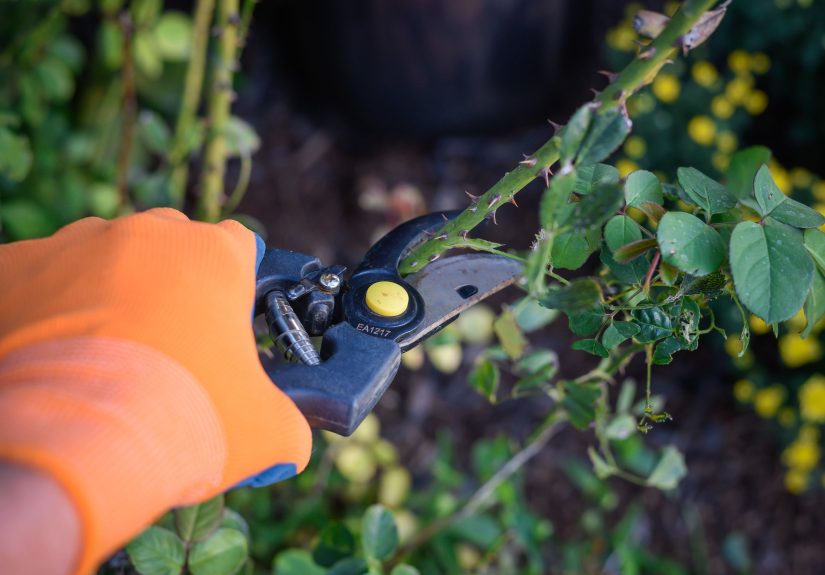
20) Prune with timing in mindnot everything wants a haircut whenever you’re bored.
Pruning can stimulate new growth, which is great when conditions support it and risky when cold weather is
approaching. Know the basics for what you’re growing (especially shrubs and trees), and when in doubt, prune
lightly and intentionally. A good rule of thumb: avoid pushing tender new growth late in the season.
21) Keep bed edges defined to reduce maintenance creep.
Crisp edges are not just aesthetic; they help keep turfgrass from invading your beds and make mulching, mowing,
and weeding easier. You can edge with a shovel, use simple edging materials, or create a trench edgeanything
that draws a boundary so your garden doesn’t slowly become a confused lawn-garden hybrid.
Pests, Disease, and Garden Drama (Handle Calmly, Win Quietly)
22) Scout weeklyearly detection beats every “miracle” product.
Flip leaves, look at stems, and check new growth. Many pest problems start small and are easiest to fix early:
hand-pick caterpillars, blast aphids off with water, remove diseased leaves before it spreads. You don’t need a
magnifying glass; you just need a routine.
23) Use an Integrated Pest Management mindset: start with the least disruptive step.
IPM means using a mix of strategies: healthy soil, good spacing, resistant varieties, physical barriers (like row
covers), and targeted controls only if needed. Jumping straight to broad-spectrum sprays can harm beneficial
insects and doesn’t solve the underlying conditions that invited pests in the first place.
24) Prevent fungal problems with spacing, airflow, and watering at the soil line.
Many common garden diseases love damp leaves and crowded plants. Give plants room to breathe, avoid soaking
foliage late in the day, and remove badly infected plant material. Example: tomatoes packed too tightly often
stay humid and shadedperfect conditions for leaf issues. A little space can be more powerful than a shelf full
of products.
25) Keep a garden journalyour future harvest starts with your notes.
Write down what you planted, when you planted it, what thrived, what struggled, and what the weather did. Track
varieties, yields, pest outbreaks, and watering patterns. Over a season or two, your notes become a customized
“how to garden in your exact yard” manualsomething no generic article can beat.
Putting It All Together
The best gardens aren’t built on luck; they’re built on small, repeatable habits: test soil, add organic matter,
mulch thoughtfully, water deeply, time tasks well, and pay attention. If you want one takeaway, make it this:
solve problems at the system level (soil + water + timing), and you’ll spend less time fighting symptoms (wilting,
weeds, pests) later.
And remember: a “successful” garden is not one that looks like a magazine spread 365 days a year. It’s one that
teaches you something, feeds you or delights you, and gets a little better each seasonusually right after you
stop trying to control every single detail.
Experience Notes: The Stuff You Only Learn After Getting Humbled by Your Own Garden
Here’s the honest truth: most of my best gardening lessons didn’t arrive as a gentle, inspirational quote.
They arrived as crispy seedlings, surprise pests, and one truly impressive incident where I “mulched” a bed so
heavily it looked like I was trying to hide evidence. If you’re new to gardening (or just new to this season’s
particular brand of chaos), these experience-based lessons can save you time.
First: I used to water like I was giving the garden a skincare routinetiny daily spritzes because it “felt
responsible.” The plants didn’t appreciate my vibes. They wanted actual water in the root zone. Once I switched
to deeper soakings and started checking moisture a couple inches down, things changed fast. The soil stayed
stable longer, the plants looked less stressed in heat, and I stopped panic-watering every time the surface
turned dusty.
Second: soil improvements are slow, but they compound. The first time you add compost, you might not see a
dramatic “before and after” like a home makeover show. But keep adding organic matter season after season and
you’ll notice the soil becomes easier to work, holds moisture better, and drains more evenly. It’s the gardening
equivalent of flossing: the results are real, but they show up quietly over time.
Third: thinning seedlings is emotional. You grow attached to tiny green specks. But overcrowding is the silent
killer of beginner gardens. I’ve seen beds where everything “survived” but nothing thrivedthin, weak stems,
small harvests, and nonstop disease pressure. Thinning early feels like being the bad guy for five minutes; it
rewards you for months.
Fourth: timing matters more than intensity. I once tried to do every garden task in one heroic weekend: weed,
prune, transplant, fertilize, and “rearrange” the whole bed like I was redecorating. The plants responded by
sulking. Now I spread tasks out and pay attention to heat and stress. The garden likes steady, not dramatic.
Fifth: the best pest control is noticing. When I walk the garden for five minutes a couple times a weekjust
looking under leaves and checking new growthI catch issues before they become a headline. A few aphids are a
quick fix. A full infestation is a project. Scouting doesn’t feel productive in the moment, but it prevents the
kind of “Why is everything sticky and sad?” emergencies.
Sixth: mulch is powerful… and easy to mess up. The “mulch volcano” thing is real, and plants don’t like being
buried. I now aim for a consistent layer and keep it pulled back from stems. It’s boring, but boring is good in
garden maintenance. Boring is stable moisture, fewer weeds, and less heat stress.
Finally: your garden is data. Keeping notes sounded nerdy until I realized how often I forgot the basics:
Which tomato variety cracked less? Which bed stayed soggy? When did that pest show up last year? A quick journal
turns your guesses into decisions. And once gardening becomes decision-making instead of guessing, you get calmer,
more consistent resultsand you start enjoying the process instead of constantly troubleshooting it.





 Close
Close