
Table of Contents >> Show >> Hide
If your compost pile looks more like a dry leaf museum than a living, steaming engine of garden goodness, chances are it needs more nitrogen. Compost microbes are hardworking little recyclers, but they are not magicians. Give them too many dry, brown materials and they slow down. Give them the right amount of nitrogen-rich “green” material, and suddenly your pile starts behaving like it understood the assignment.
That is the secret behind faster, richer compost: balance. Nitrogen helps feed the microorganisms that break down leaves, cardboard, stalks, and other carbon-heavy materials. Without enough of it, decomposition drags. With too much of it, the pile can turn wet, slimy, and fragrant in the worst possible way. In other words, compost is a lot like cooking chili. The ingredients matter, but the ratio matters more.
In this guide, you will learn three practical ways to add nitrogen to compost, how to avoid overdoing it, and how to spot the signs that your pile needs a little green-material rescue. Whether you are building a backyard compost pile, filling a tumbler, or trying to revive a lazy bin full of leaves, these methods will help you make compost faster and smarter.
Why Nitrogen Matters in Compost
Compost piles work because microorganisms feed on organic matter. Carbon-rich materials, often called “browns,” supply energy. Nitrogen-rich materials, often called “greens,” help microbes build proteins and reproduce. When the pile has a good balance of both, decomposition moves along efficiently and the compost heats up more quickly.
This is why gardeners talk so much about the carbon-to-nitrogen ratio. You do not need to walk around your backyard with a calculator and a lab coat, but you do need a general sense of balance. A pile loaded with dry leaves, straw, shredded paper, and cardboard usually needs more nitrogen to keep microbes active. A pile stuffed with wet grass and kitchen scraps may have the opposite problem and need more browns to stay airy and pleasant.
Signs Your Compost Needs More Nitrogen
Before you start tossing random green stuff into the pile like a compost DJ remixing leftovers, look for a few common clues:
- The pile is decomposing very slowly.
- Materials like dry leaves and shredded cardboard still look almost unchanged after weeks.
- The center of the pile is not warming up at all.
- The compost feels dry even when you have added some water.
- The pile is mostly brown materials with very little fresh plant matter.
When that happens, adding the right nitrogen source can wake the whole system up.
3 Ways to Add Nitrogen to Compost
1. Add Fresh Grass Clippings and Other Soft Green Yard Waste
The easiest way to add nitrogen to compost is often already sitting in your yard. Fresh grass clippings are one of the most effective compost nitrogen sources because they are green, moist, and relatively quick to break down. If your compost pile is full of crunchy leaves and shredded paper, a layer of fresh clippings can act like espresso for your microbes.
Grass clippings work especially well in spring and summer, when lawns are actively growing and producing tender green material. You can also use other soft green yard waste, including pulled weeds that have not gone to seed, spent vegetable plants, and fresh garden trimmings. These materials supply nitrogen while also bringing moisture into the pile.
How to Use Grass Clippings Correctly
Do not dump a giant, matted heap of fresh clippings into one spot and walk away like you have conquered compost forever. Thick layers of grass compact quickly, block airflow, and start smelling like a swampy science experiment. Instead, mix clippings with dry browns such as leaves, straw, or shredded cardboard.
A simple method is to add a thin layer of grass clippings, then a thicker layer of browns, then repeat. This creates a better texture, improves oxygen flow, and helps prevent clumps. If the clippings are very wet, use extra browns to soak up moisture.
Best Use Case
Grass clippings are ideal when your compost pile is dry, cool, and overloaded with fall leaves. For example, if you built a giant autumn pile from bagged leaves and it is still looking suspiciously like autumn three months later, adding fresh grass clippings can help restart decomposition.
2. Add Kitchen Scraps, Coffee Grounds, and Tea Leaves
If your lawn is not producing enough green material, your kitchen probably is. Fruit and vegetable scraps, coffee grounds, and tea leaves are classic nitrogen-rich compost ingredients. They are easy to collect, easy to mix in, and excellent for everyday backyard composting.
Banana peels, lettuce cores, melon rinds, apple peels, carrot tops, and similar scraps break down well when chopped into smaller pieces. Coffee grounds are especially popular because they are fine-textured, easy to spread through the pile, and widely available. Even used paper coffee filters can go into the compost if they are not glossy or plastic-lined.
Why This Method Works So Well
Kitchen scraps add both nitrogen and moisture, which is a winning combination for a pile that is too dry or too carbon-heavy. Coffee grounds can also help build heat in a compost pile when used as part of a balanced mix. They are not magic beans, but they are a very useful ingredient.
The biggest advantage of kitchen-based nitrogen sources is consistency. You may not mow every week, but most households generate food scraps steadily. That makes this method a reliable way to keep your compost pile fed throughout the year.
How to Avoid Odors and Pests
There is one rule here that deserves to be framed and hung above the bin: bury your food scraps under browns. Covering kitchen scraps with leaves, shredded paper, or finished compost helps discourage flies, keeps smells down, and reduces the chance of attracting unwanted visitors.
It is also smart to skip problem materials in a basic backyard pile. Avoid meat, fish, dairy, grease, and oily foods. They decompose poorly in low-maintenance home systems and tend to invite pests. Pet waste and human waste are also off the list for standard home composting.
Best Use Case
This method is perfect for composters who want a year-round nitrogen source. If your pile is mostly dry leaves in winter, a steady stream of vegetable scraps and coffee grounds can keep it from going completely dormant.
3. Add Aged Herbivore Manure or a Small Organic Nitrogen Booster
The third way to add nitrogen to compost is to use aged manure from herbivores such as cows, horses, rabbits, goats, or chickens, or to use a modest amount of an organic nitrogen booster such as alfalfa meal. This approach is especially helpful when you have a large pile of woody, dry material and need a stronger nitrogen push than kitchen scraps alone can provide.
Manure has long been used in composting because it brings nitrogen, moisture, and microorganisms to the pile. However, this is the method that requires the most judgment. Some home gardeners love it. Others skip it because they want a simpler, lower-risk backyard system. Both approaches are reasonable.
How to Use Manure Safely
If you use manure, choose aged or composted manure from a reliable source and mix it thoroughly with carbon-rich materials. Bedding-heavy manure can be especially useful because it already contains both nitrogen-rich waste and carbon-rich straw or sawdust. The goal is not to create a manure mountain. The goal is to use a moderate amount to balance a brown-heavy pile.
Fresh manure can be too strong, too wet, or too high in ammonia for some piles, so small amounts and good mixing matter. If your composting system is casual, cold, or rarely turned, manure may not be your best first choice. In that case, plant-based nitrogen boosters can be a cleaner alternative.
Plant-Based Alternatives
Alfalfa meal, fresh legume trimmings, and other plant-based nitrogen sources can help speed up decomposition without adding the same level of management concerns. These materials are useful when you have lots of cardboard, leaves, wood shavings, or straw and need to increase microbial activity.
Best Use Case
This method shines when you are composting in volume. Think large garden piles, seasonal cleanups, or a compost setup with a lot of dry bedding, leaves, or coarse stems. A little high-nitrogen amendment can make the difference between “finished compost by planting season” and “mystery pile still here next Thanksgiving.”
How Much Nitrogen Should You Add?
There is no perfect scoop size that works for every compost pile because materials vary so much. Instead of chasing precision, use your eyes, nose, and hands.
If your pile is mostly brown and dry, add nitrogen sources gradually and mix well. Then check the texture. A healthy compost pile should feel like a wrung-out sponge: moist, but not dripping. If the pile becomes soggy or develops a strong ammonia smell, that usually means you went too heavy on nitrogen or added too much wet material without enough browns.
A practical rule is this: every time you add a nitrogen-rich material, pair it with a carbon-rich one. Fresh grass clippings? Add dry leaves. Kitchen scraps? Cover them with shredded paper or straw. Manure? Mix it with bedding, leaves, or chopped stems. Compost likes balance, not drama.
Common Mistakes When Adding Nitrogen to Compost
Adding Too Much of One Material
One of the biggest composting mistakes is assuming that if a little nitrogen is good, a lot must be great. That is how people end up with wet, compacted, stinky piles. Variety matters. Compost works best when materials are mixed, not stacked in giant mono-layers.
Ignoring Airflow
Nitrogen speeds decomposition, but oxygen keeps the process healthy. If your compost pile is tightly packed, even good ingredients can go bad fast. Turn the pile occasionally, add coarse browns for structure, and avoid compacted layers of wet grass or food waste.
Forgetting Moisture Balance
Fresh nitrogen sources often bring water with them. That can help a dry pile, but it can also tip the balance too far. If the pile looks slimy, smells sour, or feels heavy and airless, add dry browns and turn it.
Using the Wrong “Nitrogen” Materials
Not everything organic belongs in a home compost pile. Meat, dairy, grease, and pet waste create problems in standard backyard systems. Stick to proven compost ingredients unless you are using a more advanced system designed for those materials.
A Simple Example of Balancing a Brown-Heavy Compost Pile
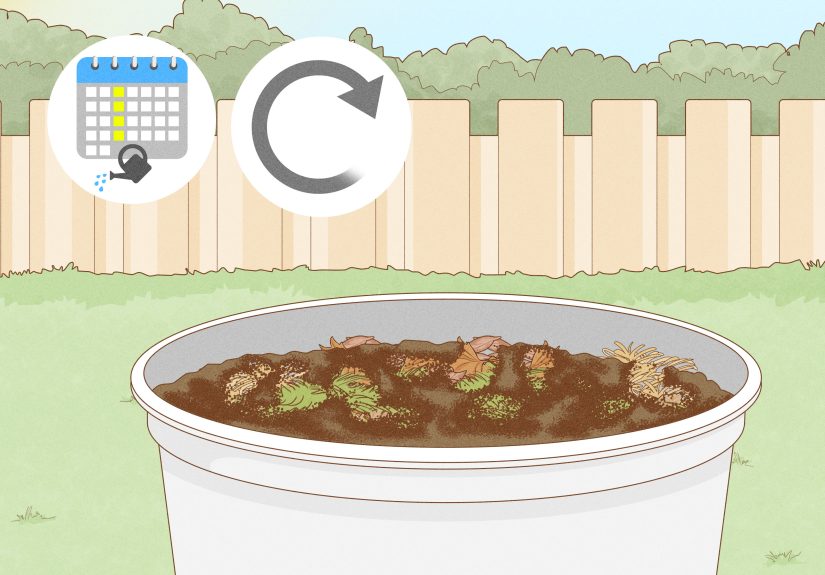
Let’s say your compost bin is packed with dry maple leaves, shredded cardboard, and a few twiggy stems. It is airy, but nothing is happening. To add nitrogen, you could mix in a bucket of fresh grass clippings, a small container of chopped vegetable scraps, and a scoop of coffee grounds. Then add water until the pile feels damp, not drenched. Give it a turn, wait a few days, and check again.
If the pile warms up and starts shrinking, you are on the right track. If it smells sharp and ammonia-like, add more dry leaves or shredded paper. If it still looks lifeless, add another modest round of greens and remix. Composting is less about perfection and more about reading feedback from the pile.
Experience-Based Lessons From Real Compost Piles
Gardeners who work with compost for a full season usually discover the same thing: nitrogen is not the hero by itself. It is the sidekick that makes the whole cast perform better. A pile of dry leaves can sit around for months doing almost nothing, looking decorative but unproductive. Then a few rounds of kitchen scraps, fresh clippings, and a little water can turn that sleepy mound into a warm, active compost pile that starts shrinking before your eyes.
One very common experience happens in fall. People collect mountains of leaves, proudly build a huge compost pile, and expect black gold by spring. Instead, by January, it looks almost exactly the same, only sadder. The missing ingredient is usually nitrogen. Once fresh green material gets mixed in, the pile changes character. It becomes less brittle, more moist, and much more biologically active. That shift is often the moment when beginners finally understand what “greens and browns” actually means in practice.
Another familiar lesson comes from grass clippings. They are fantastic, but only when used with restraint. Many composters learn this the funny way: they dump a thick layer of lawn clippings into the bin, feel extremely efficient for about six minutes, and then discover a dense, smelly mat a few days later. The fix is almost always the same. Break up the clumps, add dry browns, and mix everything more thoroughly. After that, grass clippings go from villain to MVP.
Coffee grounds teach a similar lesson. People often treat them like a miracle ingredient because they are easy to collect and feel pleasantly garden-ish. In reality, coffee grounds work best as one member of the team. Mixed through leaves, food scraps, and yard waste, they are excellent. Dumped in thick layers, they can compact. The real win is consistency. A household that adds small amounts of coffee grounds several times a week often ends up with a steadier composting rhythm than a household waiting for one big batch of material every month.
Manure, when used, tends to be the ingredient that separates “casual composting” from “intentional composting.” Gardeners with access to aged herbivore manure often report faster pile heating and better decomposition in big seasonal piles. But they also notice that manure is not a toss-it-and-forget-it ingredient. It works best when the pile is actively managed, mixed with plenty of browns, and monitored for moisture. That experience teaches an important truth: stronger nitrogen sources can be helpful, but they demand better technique.
The biggest practical takeaway from all these experiences is that compost responds best to small corrections, not wild swings. When a pile is slow, add some nitrogen. When it is wet, add browns. When it smells bad, increase airflow. When it is dry, add moisture. Experienced composters rarely panic. They adjust. Over time, the pile becomes easier to read, and what once felt mysterious starts feeling obvious. You stop guessing and start noticing patterns. The compost becomes less of a project and more of a conversation.
And yes, occasionally that conversation says, “Please stop giving me nothing but leaves.” It is worth listening.
Conclusion
If you want to speed up decomposition and make better compost, learning how to add nitrogen is one of the most useful skills you can develop. The best methods are simple and accessible: use fresh grass clippings and soft green yard waste, add kitchen scraps and coffee grounds regularly, and consider aged herbivore manure or a modest organic nitrogen booster when your pile needs extra help.
The key is not to chase a perfect formula. The key is to create balance. Pair nitrogen-rich greens with carbon-rich browns, maintain moisture, protect airflow, and let the microorganisms do the heavy lifting. Once you understand that rhythm, your compost pile becomes far less mysterious and far more productive. In the garden, that is a beautiful thing. In the trash can, it is one less banana peel plotting its lonely future.







 Close
Close