Table of Contents >> Show >> Hide
- What Counts as “Ginger Ale,” Anyway?
- Quick Comparison: Pick Your Ginger Ale Adventure
- Before You Start: A Few Ginger Ale Truths
- Way 1: Classic Ginger Syrup + Club Soda (The Crowd-Pleaser)
- Way 2: Fresh Ginger “Juice” Ginger Ale (Bright, Spicy, Bar-Style)
- Way 3: Naturally Fermented Ginger Ale (Ginger Bug + Natural Bubbles)
- Common Questions About Homemade Ginger Ale
- Serving Ideas (Because Ginger Ale Deserves Hobbies)
- Real-World Kitchen Notes & “Experiences” (Extra 500+ Words)
- Conclusion
Ginger ale is one of those quietly powerful beverages. It’s the polite soda that shows up to the party in a cardigan,
then casually fixes your mocktail, your float, and your “I ate too much pizza” moment without making a scene.
The best part? You can make it at home in a way that fits your vibe: quick and classic, bright and extra-gingery,
or naturally fermented with old-school fizz.
Below are three reliable ways to make ginger ale, with clear ratios, practical tips, and flavor upgrades.
No weird mystery ingredients. No “wait, why is my kitchen sticky?” surprises (okay… fewer surprises).
What Counts as “Ginger Ale,” Anyway?
In the U.S., ginger ale is typically a sweet, ginger-flavored soda with a gentler bite than ginger beer.
At home, that usually means a ginger concentrate (often a syrup) mixed with carbonated water. The “ginger beer” label
often implies a spicier profile and may be naturally carbonated through fermentation, though the lines blur in modern products.
So here’s the home-cook translation: you’re aiming for a drink that’s bubbly, ginger-forward, and balanced
not cough-syrup sweet, not “dare your friends” spicy (unless that’s your brand).
Quick Comparison: Pick Your Ginger Ale Adventure
| Method | Time | Gear | Flavor | Best For |
|---|---|---|---|---|
| Way 1: Ginger Syrup + Seltzer | 20–30 min (plus chilling) | Pot, strainer | Classic, smooth, customizable | Fast homemade soda, batch prep |
| Way 2: Fresh Ginger “Juice” Ginger Ale | 10–20 min | Blender/juicer + strainer | Brighter, sharper ginger bite | Cocktail-bar style freshness |
| Way 3: Naturally Fermented Ginger Ale | 5–7 days (mostly waiting) | Jar + pressure-safe bottles | Light tang, natural fizz | DIY fermentation fans |
Before You Start: A Few Ginger Ale Truths
- Cold is your friend. Chill your syrup (and your bubbles) for stronger carbonation and less foam drama.
- Acid is the secret weapon. Lemon or lime makes ginger taste brighter and less overly sweet.
- Ginger intensity is adjustable. More ginger, finer pieces, longer steeping = more bite.
- Pinch of salt ≠ salty soda. A tiny pinch can make flavors pop, especially in fresh-juice versions.
Way 1: Classic Ginger Syrup + Club Soda (The Crowd-Pleaser)
This is the most dependable method: make a ginger syrup once, then mix ginger ale by the glass whenever you want.
It’s also the easiest to customize (spicy, citrusy, herbal, honeyedchoose your fighter).
Ingredients (Makes About 1 1/2 Cups Syrup)
- 1 cup granulated sugar (or light brown sugar for a warmer flavor)
- 1 cup water
- 4–6 ounces fresh ginger, peeled (or scrubbed well) and thinly sliced or grated
- Optional: 2–3 strips lemon peel (yellow part only)
- Optional: pinch of salt
Step-by-Step
- Build the syrup. Combine sugar and water in a small saucepan. Add ginger (and lemon peel if using).
- Simmer. Bring to a gentle simmer, stirring to dissolve the sugar. Simmer 10–15 minutes.
- Steep for more kick. Turn off the heat and let it sit 10–20 minutes. (Longer steep = spicier.)
- Strain and chill. Strain through a fine-mesh strainer. Cool, then refrigerate until cold.
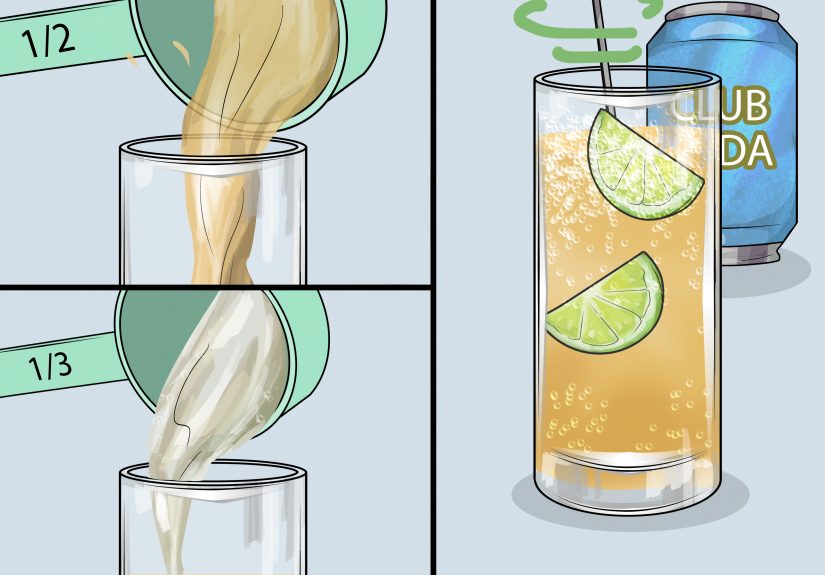
To Make Ginger Ale (Per Glass)
- Ice
- 2–4 tablespoons ginger syrup (start smaller; you can always add more)
- 3/4 to 1 cup cold club soda or sparkling water
- 1–2 teaspoons fresh lime or lemon juice (optional but highly recommended)
- Fill a tall glass with ice.
- Add syrup and citrus juice.
- Top with cold club soda. Stir gently (you want bubbles, not a foam renaissance).
Flavor Upgrades
- Spice cabinet glow-up: Add 2–3 cardamom pods, a small cinnamon stick, or a star anise while simmering.
- Extra peppery bite: Use grated ginger instead of slices (strain well).
- Less sweet: Use 3 tablespoons syrup per 1 cup soda, then add more ginger with longer steeping.
- Make it fancy: Add mint, cucumber ribbons, or a thin ginger slice as garnish.
Storage tip: Keep syrup refrigerated in a sealed jar. For best flavor, use within 1–2 weeks.
Way 2: Fresh Ginger “Juice” Ginger Ale (Bright, Spicy, Bar-Style)
Cooked syrup tastes smooth and cozy; fresh ginger tastes sharper and more vivid. This method is for when you want that
“wow, that’s REAL ginger” momentwithout waiting days.
Ingredients (Makes Concentrate for 4–6 Drinks)
- 4–5 ounces fresh ginger, peeled or well-scrubbed
- 1/2 cup water (for blending)
- 1/3 to 1/2 cup sugar (adjust to taste)
- 2–3 tablespoons fresh lemon or lime juice
- Optional: tiny pinch of salt
- Cold club soda or sparkling water, to serve
Step-by-Step (Blender Method)
- Blend the ginger. Chop ginger into chunks. Blend with 1/2 cup water until very smooth.
- Strain. Pour through a fine-mesh strainer (or cheesecloth). Press to extract as much liquid as possible.
- Sweeten. Stir in sugar until dissolved. If it won’t dissolve easily, warm the mixture gently in a small pan, then cool.
- Balance with citrus. Add lemon/lime juice and a pinch of salt (optional). Chill.
To Make Ginger Ale (Per Glass)
- Ice
- 1–3 tablespoons fresh ginger concentrate (start with 2 tablespoons)
- 3/4 to 1 cup cold sparkling water
- Optional: extra citrus wedge for squeezing
Pro move: Carbonate your water first, then add concentrate. Carbonating sweet liquids can cause excessive foaming and is harder on some soda makers.
Variations That Actually Taste Different
- Honey-ginger ale: Swap sugar for honey (note: honey can ferment over time; keep it refrigerated and use promptly).
- Ginger-mint lime: Muddle mint with lime juice before adding concentrate and bubbles.
- “Adult” ginger ale: Add bourbon or dark rum and a squeeze of lime. Instant highball happiness.
Way 3: Naturally Fermented Ginger Ale (Ginger Bug + Natural Bubbles)
This is the old-school method where a ginger bug (a wild-fermented starter made from ginger, sugar, and water)
creates natural carbonation. The result is lightly tangy, naturally fizzy, and very satisfying if you enjoy kitchen science.
Safety First (Read This So Your Kitchen Doesn’t Become a Carbonation Crime Scene)
- Use pressure-safe bottles (plastic soda bottles are the safest training wheels because you can squeeze-test pressure).
- Fermentation makes CO₂ fast. Refrigerate once carbonated to slow fermentation.
- When opening, chill bottles well and open slowly over the sink.
- If you’re serving kids, pregnant people, or anyone avoiding alcohol, know that fermentation can create trace alcohol (amounts vary and are hard to measure at home).
Step 1: Make a Ginger Bug Starter (About 5 Days)
Day 1 (in a clean quart jar):
- 1 tablespoon grated ginger (unpeeled is okay if well-scrubbed)
- 1 tablespoon sugar
- 1 1/2 cups water
Stir vigorously. Cover with a breathable cloth or coffee filter and a rubber band (you want airflow, not fruit flies).
Days 2–5: Once a day, add:
- 1 tablespoon grated ginger
- 1 tablespoon sugar
Stir vigorously each day. It’s ready when it looks bubbly/active and smells pleasantly yeasty and gingery.
Step 2: Make the Ginger Tea Base
- 6 cups water
- 1 cup grated ginger (or 3/4 cup finely chopped)
- 3/4 to 1 cup sugar (less sugar = less fizz potential)
- 1/4 cup lemon juice (or more to taste)
- Simmer water, ginger, and sugar 10–15 minutes.
- Cool to room temperature (hot liquid can harm your starter).
- Strain if you want a clearer soda, or leave a little ginger in for extra punch.
- Stir in lemon juice once cool.
Step 3: Ferment + Bottle
- Add the bug. Stir in 1/2 cup of active ginger bug liquid (strain out solids if you want).
- Short ferment (optional). Cover and let sit 12–24 hours to get fermentation moving.
- Bottle carefully. Pour into pressure-safe bottles, leaving 1–2 inches of headspace.
- Carbonate. Leave at room temperature 1–3 days. Check daily.
- Refrigerate. When bubbly, refrigerate to slow fermentation.
Troubleshooting Fermented Ginger Ale
- Not fizzy? Bug may be inactive, temperature too cool, or bottles not sealing. Try a warmer spot and an extra day, or refresh the bug.
- Too fizzy? Refrigerate immediately and open carefully when cold. Next time, shorten bottle time or reduce sugar.
- Tastes too “yeasty”? Shorten fermentation time and use more citrus for brightness.
- Too sweet? Ferment a bit longer (carefully) or dilute with more sparkling water when serving.
Common Questions About Homemade Ginger Ale
Can I make it less sweet without losing ginger flavor?
Yes. Use more ginger and longer steeping instead of more sugar. Add citrus to brighten flavor. If you’re fermenting,
be careful: less sugar also means less carbonation potential.
Do I have to peel the ginger?
Not always. If the ginger is fresh and you scrub it well, you can skip peeling, especially for syrups and ginger bug.
Peeling can make a slightly cleaner flavor, but it’s not mandatory.
Can I use ground ginger?
You can, but it won’t taste the same. Ground ginger is warmer and more muted compared to fresh. If you must, use it
as a backup booster in syrup (and strain well), not as the main event.
How do I make it super spicy?
Use grated ginger, increase the ginger amount, and steep longer. Fresh-juice ginger ale also delivers more bite than simmered syrup.
For maximum heat, add a few thin slices of raw ginger to the glass before topping with soda water.
Serving Ideas (Because Ginger Ale Deserves Hobbies)
- Ginger ale float: Vanilla ice cream + homemade ginger ale. Childhood, upgraded.
- Mocktail spritz: Ginger ale + grapefruit juice + rosemary sprig.
- Easy mule shortcut: Ginger ale + lime + mint (and vodka if desired).
- Brunch helper: Ginger ale + orange juice + lots of ice (a “ginger mimosa” vibe, no champagne needed).
Real-World Kitchen Notes & “Experiences” (Extra 500+ Words)
If you’ve never made ginger ale before, the first “experience” is usually realizing that ginger has moods.
Slice it and you get a gentler, tea-like warmth. Grate it and you unlock the full spicy personalityyour eyes may water,
your nose may tingle, and you’ll suddenly understand why ginger is the unofficial mascot of “wake up, taste buds.”
That’s why many home cooks start with the syrup method: it’s forgiving. If the syrup comes out mild, you simply simmer longer
or add more ginger next time. If it’s too intense, you dilute with more soda water and pretend you meant to create a “light” version all along.
Another common discovery: sweetness is not just sweetnessit’s a volume knob for ginger. A little sugar rounds off the heat
and makes ginger taste more “soda-like.” Too much sugar, though, and the ginger flavor starts to feel like it’s shouting from the other room.
The fix is usually acid. A squeeze of lime or lemon doesn’t just add tartness; it snaps the flavor into focus so the drink tastes brighter
and less candy-like. Even a strip of lemon peel simmered in the syrup can change the whole vibe from “holiday cookie” to “clean and citrusy.”
Carbonation is the third surprise. When you mix syrup into fizzy water, the drink can foam up like it’s auditioning for a bubble bath commercial.
Chilling everything firstsyrup, soda water, and even the glasskeeps the fizz where you want it: in the drink, not on your countertop.
If you use a soda maker, you’ll notice another quirk: carbonating plain water first and then adding syrup generally holds bubbles better than
trying to carbonate a sweet liquid. Sugar and pulp create nucleation points (tiny “bubble launch pads”), which can lead to a volcano moment if you’re not careful.
The fresh-ginger-juice method tends to win people over for one reason: it tastes alive. Cooked syrup has a cozy, mellow ginger flavor;
fresh juice has a sharper bite and a greener aroma. The trade-off is texturefresh ginger can be pulpy. A fine strainer (or even a coffee filter for the patient among us)
gives you a cleaner sip. And if you’re chasing that fancy cocktail-bar vibe, a pinch of salt is weirdly helpful. It doesn’t make the drink salty;
it makes the ginger taste more gingery, like turning up contrast on a photo.
Then there’s the fermented route, which feels like adopting a tiny, bubbly pet. Your ginger bug will behave differently depending on temperature, sugar,
and how often you feed it. Some days it’s a calm aquarium; other days it’s actively fizzing like it has weekend plans.
The first time you bottle-ferment, you’ll learn the golden rule: use pressure-safe bottles and check them. Plastic soda bottles are unglamorous,
but they’re great training wheels because you can squeeze themwhen they’re rock-hard, it’s time to refrigerate. With glass swing-tops, “burping” is a real thing,
and doing it over the sink is an even realer thing.
Flavor-wise, fermented ginger ale often picks up a light tang that tastes closer to old-fashioned soda (and a little like ginger beer’s gentler cousin).
If it comes out flat, the bug may have been sleepy (not active enough), the room may have been cool, or the bottles may not have sealed well.
If it comes out too fizzy, you probably gave it extra sugar and extra timecongratulations, you made a science fair project.
The good news is that once you’ve done a couple of batches, you start to trust the rhythm: active bug, cool ingredients, short bottle time, then straight to the fridge.
Finally, the most fun “experience” is serving it. Homemade ginger ale makes people do that surprised little eyebrow raise because it tastes fresher than store-bought.
Float it with vanilla ice cream for a ginger-cream treat, spike it with bourbon or rum for an easy highball, or keep it zero-proof with muddled mint and cucumber.
After a few rounds, you’ll stop thinking of ginger ale as a backup mixer and start treating it like the main characterbubbly, spicy, and just dramatic enough to be memorable.
Conclusion
If you want maximum control with minimum hassle, make ginger syrup and mix ginger ale on demand.
If you want fresh, punchy ginger flavor, go the ginger “juice” route.
And if you love a DIY project with natural fizz, build a ginger bug and ferment your way to bubbly greatness.
However you do it, keep things cold, balance with citrus, and remember: ginger is bold, but it behaves beautifully when you give it the right supporting cast.