Table of Contents >> Show >> Hide
- What Bloat in Dogs Really Means
- 1. Look for a Sudden Swollen, Tight, or Unusually Hard Abdomen
- 2. Watch for Repeated Retching, Gagging, or Trying to Vomit With Little or Nothing Coming Up
- 3. Notice the Whole-Dog Emergency Picture: Restlessness, Pain, Fast Breathing, Weakness, or Collapse
- What to Do Immediately if You Suspect Bloat
- Which Dogs Are Most at Risk?
- Can You Prevent Bloat Completely?
- Conclusion
- Owner Experiences and Real-World Patterns to Learn From
If you share your home with a dog, you already know they can be dramatic. A tiny leaf blows by? Suspicious. The mail carrier appears? Treason. Dinner is five minutes late? Clearly a human rights violation. But when it comes to bloat in dogs, the drama is not for show. It is one of the most serious emergencies in veterinary medicine, and it can go from “something seems off” to “get in the car right now” with terrifying speed.
Dog bloat, often called gastric dilatation-volvulus (GDV), happens when the stomach fills with gas, fluid, or food and may then twist. That twist cuts off normal stomach emptying, squeezes blood vessels, interferes with breathing, and can send a dog into shock fast. In plain English: this is not a tummy ache, not a “let’s see how he looks after a nap” situation, and definitely not a moment for internet roulette.
The good news is that owners often notice warning signs before the worst stage develops. The challenge is knowing what to look for. Below are the three clearest ways to recognize bloat in dogs, along with what to do next, which dogs are most at risk, and why minutes matter more than wishful thinking.
What Bloat in Dogs Really Means
Before jumping into the warning signs, it helps to understand what this condition actually is. In the early stage, the stomach becomes enlarged with trapped gas, food, or fluid. Sometimes it remains a severe “bloat” without twisting. In other cases, the stomach rotates, and that is when GDV in dogs becomes especially dangerous. Blood flow drops, pressure builds, and the body can spiral into shock.
Why It Is So Dangerous
When the stomach swells, it pushes on nearby organs and major blood vessels. If the stomach twists, both the entrance and exit can become blocked. That means the gas cannot escape, the pressure keeps rising, and the dog gets sicker quickly. This is why veterinarians treat suspected bloat as an emergency even before every detail is confirmed.
Another tricky part is that bloat does not always look like a cartoon balloon belly right away. Some dogs show subtle signs first: pacing, drooling, trying to vomit, acting painful, or looking deeply uncomfortable. Owners who wait for a perfectly dramatic belly shape can lose valuable time.
1. Look for a Sudden Swollen, Tight, or Unusually Hard Abdomen
The first major clue is a belly that looks wrong all of a sudden. A dog with bloat may develop a noticeably enlarged abdomen, especially behind the rib cage. The area can appear tight, stretched, or firm rather than simply round or chubby. Some owners describe it as looking like their dog “inflated out of nowhere.” That description is not poetry. It is a red flag.
With some dogs, especially deep-chested breeds, the swelling may be more obvious on the left side. In others, it is subtler, particularly early on. That is why it helps to pay attention to your dog’s normal body shape when they are healthy. If you know what “normal” looks like, “not normal” jumps out faster.
What This Kind of Belly Is Not
Not every big belly equals bloat. A gradually enlarged abdomen can come from weight gain, pregnancy, fluid buildup, worms, or other medical conditions. Those issues matter too, but they do not usually appear with the same abrupt timing and panic-filled body language.
What makes dog bloat symptoms different is the combination of a sudden abdominal change and a dog who looks uncomfortable, agitated, or unable to settle. If your dog’s belly seems tighter than usual and they are also drooling, retching, or pacing, think emergency, not “digestive drama queen.”
How Owners Often Miss This Sign
Owners sometimes assume a dog is just full after eating or drank a lot of water too fast. That may happen, but bloat tends to come with escalating discomfort. A normal “I ate like a champion” belly does not usually bring repeated attempts to vomit, obvious distress, or trouble getting comfortable.
If the abdomen appears distended and your dog is acting off, trust your eyes. You do not need a veterinary degree to notice that a dog’s body shape changed suddenly. You just need to act on it.
2. Watch for Repeated Retching, Gagging, or Trying to Vomit With Little or Nothing Coming Up
This is one of the classic signs of bloat and one of the easiest to underestimate. A dog with GDV may try again and again to vomit but produce nothing, or only a tiny amount of foam or saliva. This is called nonproductive retching, and it is one of the biggest warning bells in canine emergency care.
Think of it as your dog’s body trying to solve a problem it cannot fix. The stomach is distended, pressure is building, but the contents cannot move normally. So the dog retches, gags, hunches, and looks miserable, while almost nothing comes up.
Why This Sign Matters So Much
Plenty of dogs vomit now and then. Dogs are overachievers in that department. But repeated dry heaving or gagging without results is different. It suggests something may be blocking normal movement in the stomach, especially if it happens with drooling, restlessness, or abdominal swelling.
This is why many emergency vets pay close attention when an owner says, “He keeps trying to throw up, but nothing is coming out.” That sentence should set off alarms, particularly in large or giant breeds.
What It Can Look Like at Home
Some dogs stretch their neck, make hacking sounds, and swallow repeatedly. Others stand hunched, drool heavily, and retch every few minutes. Some owners think the dog is choking, coughing, or dealing with mild nausea. But if the pattern continues and the dog cannot actually vomit, bloat needs to be on the list immediately.
Do not wait to see whether a real vomit eventually appears. That is like waiting for a fire alarm to become less loud before leaving the building. Repeated unproductive retching plus distress is enough reason to call an emergency veterinarian right away.
3. Notice the Whole-Dog Emergency Picture: Restlessness, Pain, Fast Breathing, Weakness, or Collapse
The third way to recognize bloat is to stop looking only at the stomach and look at the whole dog. Dogs with bloat often act profoundly uncomfortable. They may pace, circle, stand and lie down repeatedly, whine, stretch oddly, stare at their belly, or seem unable to settle. Many look anxious in a way that feels different from normal nerves. Owners often say, “He just could not get comfortable,” which is a classic description.
As the condition worsens, signs can progress to rapid breathing, pale gums, weakness, lethargy, wobbliness, or collapse. At that point, shock may already be developing. This is the stage where every second matters.
Pain Often Shows Up as Restlessness
Dogs do not usually point to their abdomen and announce, “My stomach is in crisis.” Instead, they communicate through behavior. A painful dog may pace the room, keep changing position, refuse to lie down, or seem unable to relax. If your dog is usually calm but is suddenly up, down, up, down like they are auditioning for a fitness app, pay attention.
Breathing and Energy Changes Matter Too
As the stomach expands, it can press against the diaphragm and make breathing harder. That means your dog may pant more, breathe faster, or look like each breath takes extra effort. Later, weakness can set in as circulation is compromised.
This is why bloat is not just a digestive issue. It becomes a whole-body crisis. When a dog has a swollen abdomen, repeated dry heaving, and is also restless, drooling, weak, or breathing hard, the pattern is screaming emergency.
What to Do Immediately if You Suspect Bloat
If you think your dog may have bloat, do not wait for the signs to “become obvious.” Do not offer a home remedy. Do not take a casual walk to “help things move.” Do not waste precious time posting in a neighborhood pet group and hoping a stranger with a golden retriever avatar solves it.
Call your veterinarian or the nearest emergency veterinary hospital immediately and head there at once. Tell them you are concerned about bloat or GDV so the team can prepare. Fast treatment can include stabilizing the dog, relieving stomach pressure, imaging, and surgery if the stomach has twisted.
Even if it turns out not to be bloat, the combination of abdominal distension, nonproductive retching, pain, and collapse-level distress still deserves urgent care. A false alarm is far better than a tragic delay.
Which Dogs Are Most at Risk?
Although any dog can potentially develop bloat, the risk is highest in large and giant deep-chested breeds. Great Danes are famously high on the list, but other at-risk breeds often include Standard Poodles, Weimaraners, Irish Setters, German Shepherds, Saint Bernards, Dobermans, and similar body types.
Age appears to increase risk, and family history matters too. Some research has also linked rapid eating, stress, and certain feeding patterns with increased risk. That does not mean every fast eater will develop GDV, and it does not mean every careful owner can prevent it completely. It does mean that owners of higher-risk dogs should know the warning signs cold.
Why Deep-Chested Dogs Are Mentioned So Often
Breed structure matters. Dogs with a narrow, deep chest appear more vulnerable than dogs with a broader chest shape. That does not make them fragile flowers. It just means their anatomy may make the stomach more prone to dangerous movement when distension occurs.
If you have a breed known for GDV risk, talk with your veterinarian about prevention strategies and whether a preventive gastropexy makes sense. That procedure secures the stomach to reduce the chance of twisting later. It is not a casual topic, but it is an important one for some dogs.
Can You Prevent Bloat Completely?
No owner can guarantee their dog will never bloat. Anyone promising a magic prevention hack is selling fairy dust. Still, there are practical steps that may help reduce risk and improve readiness.
Smart Habits for Higher-Risk Dogs
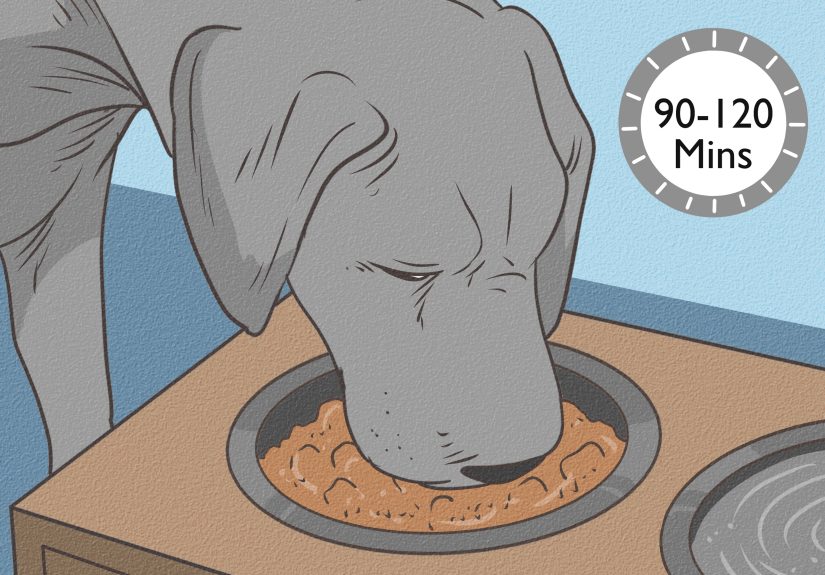
Many veterinarians recommend slowing down dogs that inhale meals like furry vacuum cleaners. Using slow-feeder bowls, dividing food into smaller meals, managing post-meal excitement, and discussing feeding routines with your vet can all be part of a prevention plan.
Just as important, know where your nearest emergency clinic is before you need it. Save the number in your phone. If your dog is a large, deep-chested breed, that prep work is not paranoid. It is responsible.
Conclusion
Recognizing bloat in dogs comes down to spotting a pattern, not waiting for a perfect textbook scene. The three biggest clues are: a suddenly swollen or tight abdomen, repeated retching or attempts to vomit with little coming up, and whole-body distress such as pacing, drooling, pain, fast breathing, weakness, or collapse.
Put simply, if your dog looks bloated, miserable, and keeps trying to vomit without success, do not play the waiting game. Bloat can escalate frighteningly fast, and prompt treatment can save a life. In this situation, being the calm, slightly overprepared dog owner is a badge of honor.
Owner Experiences and Real-World Patterns to Learn From
The most useful “experience” stories around bloat usually sound surprisingly similar, which is exactly why they matter. One owner notices their big dog pacing after dinner. At first it looks like restlessness, maybe gas, maybe a weird need to reorganize the living room with body language. But then the dog keeps trying to throw up and nothing comes out. The owner waits ten minutes, then twenty, hoping it passes. By the time they head to the emergency hospital, the dog is drooling, breathing hard, and clearly worsening. The lesson from this pattern is simple: repeated dry heaving is not a wait-and-see symptom.
Another common experience starts with the belly. Owners often say they were petting their dog and suddenly realized the abdomen felt tight or looked larger than normal. What makes this memorable is the speed. The dog did not slowly gain weight over a week. The body shape changed over a short period, and the dog seemed uncomfortable at the same time. That combination tends to be the clue that separates GDV from everyday digestive weirdness.
There are also cases where the earliest sign is behavior, not the belly. A dog gets up, lies down, gets up again, circles, pants, stares, and cannot settle. Owners sometimes assume anxiety, especially during storms, travel, or busy evenings. But with bloat, the restlessness is often paired with drooling, swallowing, or attempts to retch. The dog looks worried because the dog feels awful. When owners learn to connect agitation with abdominal pain, they catch the problem sooner.
Emergency teams also hear from owners who say, “I almost didn’t come in because I thought I was overreacting.” That is one of the most important takeaways of all. With suspected bloat, overreacting is usually the safer option. Nobody wins an award for correctly guessing that a surgical emergency was “probably just gas.”
Owners of giant breeds often describe a second kind of experience: living with background awareness. They know their dog is in a higher-risk category, so they keep emergency numbers handy, pay attention to post-meal behavior, and talk to their vet about prevention, including gastropexy. That kind of preparation does not make someone anxious. It makes them efficient when minutes count.
The most valuable real-world pattern is this: bloat is often recognized through a cluster of signs, not one dramatic symptom. A little pacing alone may not mean much. Drooling alone may not mean much. A rounder belly alone may have many causes. But when the dog has a tight abdomen, repeated unproductive retching, obvious discomfort, and rising distress, experienced owners and vets do not brush it off. They move.
That is the mindset worth remembering. You do not need to diagnose GDV in your living room. You only need to recognize when the pattern is dangerous enough to treat as an emergency. In real life, that awareness is often what buys a dog the time they need.