Table of Contents >> Show >> Hide
- Why Vitamin E Oil Became So Famous
- What Vitamin E Oil Actually Is
- What Vitamin E Oil Can Actually Do Well
- What Vitamin E Oil Usually Does Not Do
- Who Might Benefit From Vitamin E Oil
- Who Should Be Careful
- How to Use Vitamin E Oil the Smart Way
- What About Vitamin E Supplements?
- The Bottom Line on Vitamin E Oil
- Real-World Experiences With Vitamin E Oil
- SEO Tags
Vitamin E oil has enjoyed a long, glamorous career as the overachiever of the beauty aisle. Dry patch? Vitamin E oil. Rough elbows? Vitamin E oil. Scar from that one time you tried to open a box like a raccoon instead of using scissors? Apparently, vitamin E oil again. It has been marketed as a skin savior for so long that many people assume it can do everything except file taxes.
But the truth about vitamin E oil is much less dramatic and much more useful: it can absolutely help in some situations, especially when skin is dry and in need of extra moisture, yet it is not a miracle cure for scars, not a replacement for sunscreen, and not always a good match for acne-prone or sensitive skin. In other words, vitamin E oil is a solid supporting actor. It is not the superhero cape marketers keep trying to pin on it.
If you want the honest version, here it is: vitamin E oil can make skin feel softer, support the skin barrier, and provide antioxidant protection. What it usually cannot do is erase years of sun damage, flatten every scar, or transform a breakout-prone face into a porcelain dream overnight. For that, you would need either a dermatologist, a better routine, or a time machine.
Why Vitamin E Oil Became So Famous
Vitamin E has a built-in public relations advantage: it is an antioxidant, and “antioxidant” sounds smart, expensive, and vaguely like something your skin should absolutely be getting more of. In the body, vitamin E helps protect cells from oxidative damage. In skincare, it is often included in oils, creams, serums, and balms because it can help moisturize skin and support the barrier that keeps water in and irritation out.
That is where the hype begins. Somewhere along the way, “helpful for skin” got translated into “rubbing vitamin E oil on everything will solve your life.” That leap is where myths were born. Vitamin E oil works best when its job description stays realistic.
What Vitamin E Oil Actually Is
It Is Not One Magical Mystery Liquid
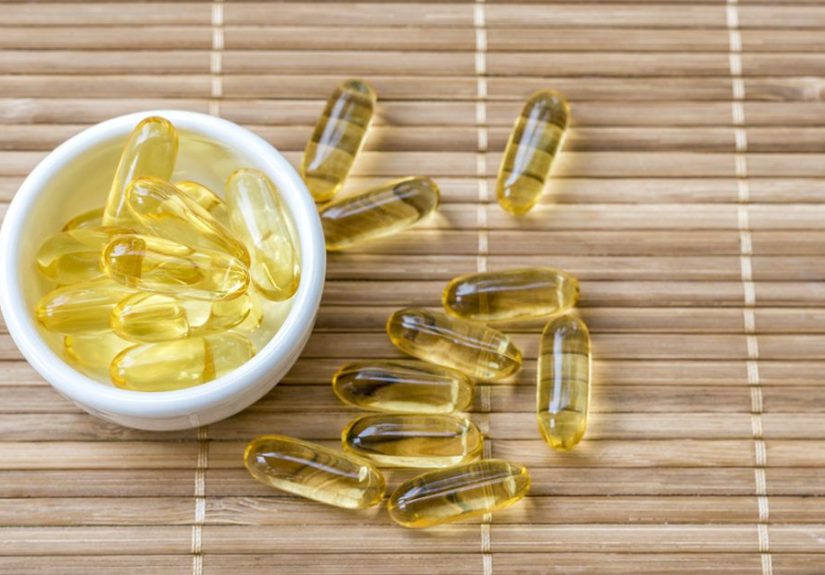
When people say “vitamin E oil,” they may be talking about a few different things. Some products contain pure or concentrated vitamin E, while others are blends of plant oils with vitamin E added in. On ingredient labels, vitamin E may appear as tocopherol or tocopheryl acetate. The exact formula matters because a thick oil, a light serum, and a cream with vitamin E may behave very differently on the skin.
That difference is important. A well-formulated moisturizer with vitamin E can feel elegant and supportive. A thick blob squeezed from a capsule onto your face can feel like your pores just received a parking violation.
Topical Vitamin E and Oral Vitamin E Are Not the Same Conversation
This is where things often get messy. Applying vitamin E oil to your skin is not the same as taking a vitamin E supplement by mouth. Topical vitamin E is mainly a skincare issue: texture, moisture, tolerance, and irritation. Oral vitamin E is a nutrition and medical issue, complete with dosage questions, drug interactions, and a lot more reason to talk to a clinician before getting ambitious.
So if someone says, “Vitamin E is great for skin,” the first question should be: In what form, how much, and for whom? Context matters. Skincare without context is just expensive optimism.
What Vitamin E Oil Can Actually Do Well
1. Help Dry Skin Hold Onto Moisture
This is vitamin E oil’s most defensible claim. It is especially appealing for dry, flaky, rough, or mature skin because it helps soften the surface and reduce moisture loss. That is why people often like it on dry hands, cuticles, elbows, knees, and patches that feel tight in cold weather.
Think of vitamin E oil as a seal. It does not magically create healthy skin out of thin air, but it can help lock in hydration when used over damp skin or layered with a moisturizer. If your skin barrier is stressed from weather, over-exfoliation, or aggressive cleansing, a product containing vitamin E may help your skin feel calmer and less parched.
2. Offer Antioxidant Support
Vitamin E is an antioxidant, which means it helps defend against oxidative stress. In skincare, that makes it a useful supporting ingredient in products designed for environmental exposure, dryness, and visible aging. It is often paired with other antioxidants, especially vitamin C, because these combinations are common in formulas aimed at helping skin look brighter and more resilient.
Notice the wording there: supporting ingredient. That is not me being coy. It is the reality. Vitamin E contributes to a smarter skincare formula, but it is not a one-bottle answer to every skin concern. If a product label sounds like it will reverse time, ask it to show its work.
3. Soothe Some Rough or Irritated Areas
Some people find vitamin E helpful on small dry zones like chapped knuckles, flaky corners around the nose, or rough patches on the body. In these cases, the benefit is usually less about “healing magic” and more about lubrication, softness, and barrier support. That can still be useful. Comfort counts.
What Vitamin E Oil Usually Does Not Do
1. It Does Not Reliably Fade Scars
This is the biggest myth attached to vitamin E oil, and probably the most stubborn. The image is familiar: a person dutifully massaging a scar with vitamin E oil, convinced they are one shiny dab away from perfect skin. The evidence for that belief is weak.
Topical vitamin E has not consistently shown a meaningful benefit for improving the cosmetic appearance of scars when used alone. In fact, some people develop irritation or contact dermatitis from it, which can make the area look and feel worse. That is an especially cruel plot twist for a product people often use with good intentions.
If your goal is scar management, evidence-based options such as proper wound care, silicone-based products, sun protection, and dermatologist-guided treatment generally make far more sense than blind loyalty to vitamin E oil. A fresh scar is not a science fair. It does not need random experiments.
2. It Is Not an Acne Cure
Vitamin E oil may sound appealing if your skin is inflamed, but thick oils are not always friendly to oily or acne-prone skin. Some people find vitamin E-heavy products too rich, too occlusive, or simply too likely to trigger breakouts. If your skin already produces plenty of oil, adding a heavy layer of vitamin E oil may feel less like skincare and more like crowding an already busy room.
That does not mean every product containing vitamin E is bad for acne-prone skin. It means formulation matters. A light moisturizer or serum with vitamin E may be fine. Smearing concentrated oil all over an active breakout situation is a much riskier move.
3. It Is Not a Substitute for Sunscreen
Yes, vitamin E has antioxidant properties. No, that does not mean you can skip sunscreen and declare yourself “naturally protected.” Sunscreen protects against ultraviolet damage in a way vitamin E oil simply does not. At best, vitamin E may serve as a helpful supporting ingredient in a broader skincare routine. At worst, it gives people a false sense of security while the sun continues doing what the sun does.
If you remember only one line from this article, make it this: vitamin E oil is skincare; sunscreen is sun protection. Those are not interchangeable jobs.
Who Might Benefit From Vitamin E Oil
Dry, Mature, or Weather-Stressed Skin
If your skin feels tight after cleansing, flakes in winter, or looks dull from dryness, vitamin E oil or a moisturizer that contains vitamin E may be a good fit. It can be especially helpful on the body, around cuticles, or on dry facial areas that need extra cushioning.
People Who Prefer Richer Barrier-Supporting Products
Some skin loves richer textures. If that sounds like yours, vitamin E oil may feel nourishing rather than heavy. It often works best as the last step in a routine or as a spot treatment on especially dry areas.
Who Should Be Careful
Oily or Acne-Prone Skin
If your face already gets shiny by noon, concentrated vitamin E oil may be more drama than help. A lighter, non-greasy moisturizer is usually the safer play.
Sensitive Skin or Allergy-Prone Skin
Vitamin E can trigger irritation or allergic contact dermatitis in some people. That means redness, itching, rash, or burning instead of the soft, healthy glow you were promised. Patch testing is not glamorous, but neither is waking up with an angry face because you trusted a capsule from the supplement aisle more than common sense.
Anyone Treating a Fresh Wound or Surgical Scar Without Medical Guidance
Freshly injured skin is not the moment for DIY heroics. Follow wound-care instructions from your clinician, and do not assume vitamin E oil is automatically helpful just because it is popular online.
How to Use Vitamin E Oil the Smart Way
Start Small
Patch test first. Apply a small amount to a discreet area for a day or two before using it broadly. If your skin responds with peace and cooperation, great. If it responds like you insulted its family, move on.
Use It on Damp Skin or Over Moisturizer
Vitamin E oil works well as a sealing step. If applied over slightly damp skin or over a lighter moisturizer, it can help trap hydration more effectively than when slapped onto dry skin all by itself.
Keep It Targeted
You do not need to coat your entire face like a holiday roast. Try it on dry patches, cuticles, elbows, or areas that genuinely need extra softness. Precision is underrated in skincare.
Choose Formulas, Not Just Hype
A balanced skincare product that contains vitamin E is often a better choice than straight oil from a capsule. Formulated products are generally designed for stability, spreadability, and comfort. Capsule oil is not automatically evil, but it is often thicker and more irritating than people expect.
What About Vitamin E Supplements?
Here is where the truth gets even less glamorous and more important. Most healthy adults can get vitamin E from food, including nuts, seeds, vegetable oils, and leafy greens. That is usually the smarter route than taking high-dose supplements because food does not come with the same tendency to make people think, “If some is good, an alarming amount must be better.”
High-dose vitamin E supplements are not casual wellness candy. They can interact with medications and may increase bleeding risk, especially in people taking blood thinners or dealing with certain medical conditions. Vitamin E supplements have also not earned a gold medal for preventing major diseases just because they are antioxidants. Bigger dose does not equal bigger wisdom.
If you are thinking about taking vitamin E for skin benefits alone, it is worth pausing. Topical use and oral supplementation are different tools, and oral supplements deserve actual medical judgment, not TikTok confidence.
The Bottom Line on Vitamin E Oil
The truth about vitamin E oil is refreshingly simple: it is a useful moisturizer and antioxidant-support ingredient, not a miracle cure. It can help dry skin feel softer and more comfortable. It may support the skin barrier. It can be a nice addition to a skincare routine when the formula suits your skin type.
But it is not reliably effective for fading scars, it is not the first choice for acne-prone skin, and it absolutely does not replace sunscreen. For some people, it can even cause irritation or allergic reactions. That does not make vitamin E oil a fraud. It just makes it normal. Helpful, yes. Magical, no.
And honestly, that may be the most useful truth in skincare: the best products are often the ones that do one or two things well, quietly, without promising to change your life by Tuesday.
Real-World Experiences With Vitamin E Oil
The most honest way to talk about vitamin E oil is through the kinds of experiences people commonly have with it in everyday life. Not glossy ad copy. Not one dramatic before-and-after photo under suspicious lighting. Just realistic patterns.
One very common experience happens in winter. Someone notices their hands, lips, or cheeks feel dry enough to qualify as emotional support sandpaper. They try vitamin E oil at night, usually on small rough areas rather than everywhere, and by morning the skin feels softer and less tight. In that kind of situation, vitamin E oil often gets rave reviews. Why? Because the problem is dryness, and a rich oil is good at helping trap moisture. The win is real, but it is also specific. It is not that vitamin E performed a miracle. It simply did the practical job of supporting a compromised skin barrier.
Then there is the scar-chasing experience, which is probably the biggest setup for disappointment. A person gets a cut, burn, or post-surgical mark and starts applying vitamin E oil faithfully, expecting the scar to fade dramatically. Sometimes they see little to no difference, which can be frustrating after weeks of effort. Sometimes the area becomes itchy, red, or irritated, and suddenly the “healing” product becomes the star of an entirely different problem. This is one reason vitamin E oil has such a mixed reputation. People are often using it for one of its weakest claims.
Another common experience involves acne-prone skin. A person hears vitamin E is good for skin, buys a thick oil, and uses it all over the face because more glow sounds like a wonderful idea. A few days later, their skin feels greasy, congested, or just uncomfortable. They do not necessarily have a true allergy, but the texture is too heavy for their skin type. The lesson here is not that vitamin E is bad. It is that skin type matters more than trendiness. A dry-skinned person and an oily-skinned person can use the same product and come away with totally different opinions, both of them sincere.
There is also the “formulation surprise” experience. Some people hate pure vitamin E oil but love a moisturizer or serum that contains vitamin E among other ingredients. That makes sense. A formula designed for the face may spread better, feel lighter, and pair vitamin E with humectants, ceramides, or other ingredients that make the product more balanced. In other words, the issue is sometimes not vitamin E itself, but the way it is delivered.
And finally, there is the supplement experience. A person takes vitamin E capsules hoping for better skin from the inside out, then discovers that supplements are not nearly as casual as beauty marketing makes them sound. They may realize their diet already provides enough vitamin E, or they learn that supplements can interact with medications and are not something to add recklessly. This is often the moment when the entire topic becomes less about beauty hacks and more about health literacy.
If you step back and look at these experiences together, the pattern is clear. Vitamin E oil tends to shine when expectations are realistic, the skin is dry, and the product is used thoughtfully. It tends to disappoint when it is treated like a cure-all, used on the wrong skin type, or asked to do jobs it is not particularly good at doing. That is not a scandal. It is simply the truth about vitamin E oil, and the truth is usually more helpful than the hype.