Table of Contents >> Show >> Hide
- The quick answer
- 1) “Chica bonita”
- 2) “Chica guapa”
- 3) “Chica hermosa”
- How to choose the right phrase (without making it awkward)
- Pronunciation mini-guide
- Grammar tips that instantly make you sound more fluent
- Common mistakes (and how to avoid them)
- Wrap-up: your 3 best options
- Experiences: 5 real-life practice moments (about )
- SEO Tags
You want to say “beautiful girl” in Spanish without sounding like a movie villain stroking a tiny cat. Good news:
Spanish has several natural, everyday ways to say iteach with a slightly different vibe. The trick isn’t just the
words; it’s when, how, and to whom you say them.
In this guide, you’ll learn three go-to phraseschica bonita, chica guapa, and
chica hermosaplus the cultural and grammar details that keep your compliment sweet instead of
weird. (Yes, there’s a difference.)
The quick answer
- Chica bonita “pretty/beautiful girl” (warm, friendly, widely safe)
- Chica guapa “good-looking/gorgeous girl” (more about attractiveness; can feel flirty)
- Chica hermosa “beautiful girl” (stronger, more heartfelt; often more intense)
1) “Chica bonita”
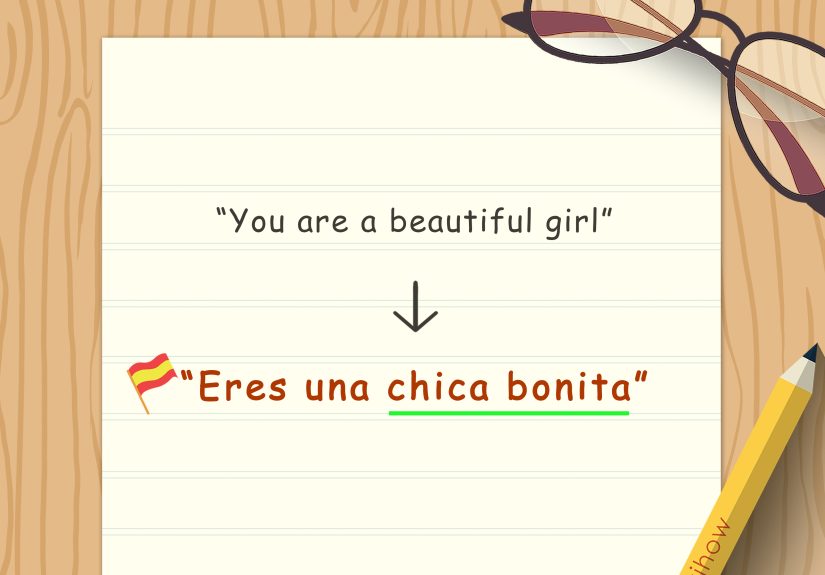
Chica bonita is the “classic” option. It translates most closely to “pretty girl” or “beautiful
girl,” and it tends to feel friendly and approachable. If you’re not sure what to say, this is usually the safest
starting point.
What it means (and how it feels)
Bonita often carries a softer, warm tonepretty, cute, nice-lookingwithout cranking the compliment up to
“romance novel cover.” That’s why you’ll hear it used for kids, family members, friends, and general descriptions.
Examples you can actually use
- Ella es una chica bonita. She’s a pretty girl.
- Esa chica es muy bonita. That girl is very pretty.
- ¡Qué chica tan bonita! What a pretty girl!
Small upgrades that sound natural
If you want your Spanish to sound less like a vocabulary list and more like a human person:
- tan = “so”: Es tan bonita. (She’s so pretty.)
- qué = “how/what (an exclamation)”:
¡Qué bonita! (How pretty!) - muy = “very”: Es muy bonita. (She’s very pretty.)
When to choose “chica bonita”
- You’re describing someone’s appearance in a neutral, non-intense way.
- You want a compliment that can be friendly, not automatically flirty.
- You’re talking about a younger person and want something gentle.
One quick note: Spanish has a few words for “girl,” and the best choice depends on age and tone:
niña (little girl), chica (girl/young woman), muchacha (girl/young woman).
If you mean a child, niña bonita is more accurate than chica bonita.
2) “Chica guapa”
Chica guapa leans more toward “good-looking,” “gorgeous,” or “attractive.” It’s commonly used for
people (especially women when you use guapa), and it can feel more openly complimentarysometimes flirty,
depending on context.
What it means (and why it can feel stronger)
In many places, guapa focuses on someone’s physical attractiveness in a way that’s a bit more “wow” than
bonita. Think: “pretty” vs. “you look really good.”
Examples that won’t make you sound like a soap opera
- Esa chica es muy guapa. That girl is very attractive/gorgeous.
- ¡Qué guapa estás hoy! You look gorgeous today!
- Te ves guapa. You look pretty/gorgeous.
“Eres guapa” vs. “Estás guapa” (tiny grammar, big difference)
Spanish often separates “who you are” from “how you look right now”:
- Eres guapa. You are (in general) a pretty/attractive person.
- Estás guapa. You look pretty (today / at the moment).
If you’re complimenting someone’s look for a specific dayan outfit, a hairstyle, a special eventestás
can feel more situational and less intense.
Regional vibe check
In Spain, guapa can show up as a friendly, casual complimenteven as a warm greeting among people who know
each other. In many Latin American contexts, it can still be friendly, but it may read more romantic depending on
your relationship and tone.
3) “Chica hermosa”
If bonita is “pretty,” and guapa is “gorgeous,” then hermosa is the one you pull out
when you mean “beautiful” with a capital B. It can feel more heartfelt, more admiring, and sometimes more formal or
poetic.
What it means (and why it can feel intense)
Hermosa is often used for “beautiful” in a fuller sensesomeone’s appearance, presence, or overall beauty.
Because of that, it can sound deeper than bonita. Great when you mean it. Risky when you barely know the
person.
Examples you’ll hear in real life
- Es una chica hermosa. She’s a beautiful girl.
- Qué hermosa es. How beautiful she is.
- Te ves hermosa. You look beautiful.
Close cousins: “bella” and “preciosa”
If you want variety (or you’re trying not to repeat yourself in a text message), you’ll also hear:
- bella “beautiful” (often a bit more poetic)
- preciosa “gorgeous/so beautiful” (strong, affectionate, sometimes dramatic in a fun way)
These are great optionsbut they also trend stronger, so use them when the relationship fits.
How to choose the right phrase (without making it awkward)
Here’s the easiest way to pick the best phrase: match the compliment to the relationship and setting. Spanish-speaking
cultures can be more openly complimentary than some English-speaking contexts, but you still want to be respectful.
A simple decision guide
- Go with “bonita” when you want friendly, light, and broadly appropriate.
- Go with “guapa” when you mean “attractive” or “you look amazing,” especially in a flirty or
playful context. - Go with “hermosa” when you want “beautiful” in a more heartfelt, admiring way.
Make it feel safer and more genuine
A pro move is to compliment something specific rather than labeling the personespecially if you don’t know them well.
It’s often received as more respectful:
- Tu sonrisa es muy bonita. Your smile is very pretty.
- Qué bonitos ojos tienes. You have such beautiful eyes.
- Ese vestido te queda muy bien. That dress looks great on you.
Pronunciation mini-guide
If you want your compliment to land, pronunciation helps. Here are friendly approximations for English speakers:
- chica CHEE-kah
- bonita boh-NEE-tah
- guapa GWAH-pah
- hermosa ehr-MOH-sah (the “h” is silent)
Grammar tips that instantly make you sound more fluent
1) Agreement matters
Spanish adjectives change to match the noun. Since chica is feminine singular, you use feminine singular
adjectives:
bonita, guapa, hermosa.
If you switch to chico (boy), you’d change them to masculine:
bonito, guapo, hermoso.
2) Adjective placement changes emphasis
Most of the time, adjectives come after the noun:
chica bonita.
If you move the adjective before the noun, it can sound more emphatic, expressive, or poetic:
bonita chica (“such a pretty girl” / “what a pretty girl” vibe).
3) “Qué… tan…” is your best friend
This structure is common in compliments and keeps your Spanish sounding natural:
- ¡Qué chica tan bonita!
- ¡Qué guapa estás!
- ¡Qué hermosa te ves!
Common mistakes (and how to avoid them)
- Don’t use “caliente” for “hot” unless you truly know what you’re doing. It often means “sexually
aroused,” not “attractive.” If you mean “you look great,” use guapa or a style compliment. - Be careful with strangers. A compliment can be friendly, but it can also feel intrusive depending
on context. When in doubt, compliment something non-body-related (style, outfit, vibe). - Don’t over-stack intensifiers. “Muy, muy, súper, mega, re-contra hermosa” is funny once… then it
becomes a meme of itself.
Wrap-up: your 3 best options
If you remember nothing else, remember this:
chica bonita is warm and broadly safe,
chica guapa is more “attractive/gorgeous,”
and chica hermosa is “beautiful” with a deeper, more admiring tone.
Choose the phrase that matches the relationship, keep it respectful, and consider complimenting something specific
when you’re unsure. The best compliment in any language is the one that feels genuinenot rehearsed.
Experiences: 5 real-life practice moments (about )
The easiest way to make these phrases feel natural is to picture where you’d actually say them. Here are five
realistic practice momentswritten like mini “language diary” snapshotsso you can see which phrase fits without
guessing.
1) The group photo moment (friendly and safe)
Imagine you’re with classmates or coworkers after an event, and someone posts a group photo. You want to leave a
friendly comment that won’t sound like you’re flirting with the entire internet. This is where bonita
shines. A simple “¡Qué bonita foto!” (What a nice photo!) keeps it light. If you’re complimenting a
friend directly, “Te ves muy bonita” (You look very pretty) sounds warm and appropriate, especially
because it focuses on how they look in that moment rather than labeling them forever.
2) The “new haircut” compliment (situational, not intense)
Someone shows up with a new hairstyle and clearly wants validation. In English you’d say, “That looks great!” In
Spanish, you can keep it classy with “¡Qué guapa estás!” or “Te ves guapa”. The
magic is the verb: estás and te ves keep it “today/this look,” which usually feels
more comfortable than a big, sweeping statement. It’s like telling someone, “Your outfit is amazing,” rather than,
“You are the definition of beauty,” which can feel like a lot before coffee.
3) The romantic-text lane (when you actually mean it)
Now picture a more intimate context: you’re texting someone you’re dating or someone you genuinely admire. This is
where hermosa earns its keep. “Te ves hermosa” is sweet, direct, and more emotionally
loaded than bonita. If you want to make it feel even more sincere, pair it with something specific:
“Te ves hermosame encanta tu sonrisa” (You look beautifulI love your smile). It sounds less like a
scripted compliment and more like a real reaction.
4) The travel conversation (describing someone in a story)
You’re telling a story: “We met this really beautiful girl who helped us find the train platform.” If you want
neutral description, go with “una chica muy bonita”. If your story emphasizes how striking she was,
“una chica muy guapa” can work. If the story is heartfeltlike someone who made your daythen
“una chica hermosa” can carry that emotional weight. Same “beautiful,” different storytelling flavor.
5) The “don’t be creepy” rule in the real world
Let’s be honest: complimenting strangers is tricky in any language. If you’re practicing Spanish in everyday life,
you’ll usually get better results complimenting something non-personal: “Qué bonito vestido” (What a
beautiful dress) or “Me encanta tu estilo” (I love your style). You still learn the adjective, you
still sound natural, and you reduce the chance your compliment lands like an awkward plot twist.
Those five moments show why Spanish has multiple “beautiful” options: the best phrase depends on the vibe you’re
trying to create. Practice them in the right situations, and your Spanish compliments will sound less like a
phrasebook and more like you.