Table of Contents >> Show >> Hide
- What Swelling Actually Is
- 1. Use Cold, Rest, and Gentle Protection for Injury-Related Swelling
- 2. Use Elevation, Compression, and Movement for Fluid Buildup
- 3. Treat the Underlying Cause Instead of Just Chasing the Puffiness
- Everyday Habits That Can Help Keep Swelling Down
- When to Get Emergency Help
- Final Takeaway
- Real-World Experiences With Swelling
Swelling has a talent for showing up at the worst possible moment. One day it is your ankle after a badly judged step off the curb. The next day it is your feet after a long flight, your fingers after a salty dinner, or your face after an allergic reaction that definitely did not fit into your plans. In simple terms, swelling happens when fluid builds up in the body’s tissues or when inflammation makes an area puff up, feel tight, and sometimes ache.
The tricky part is that “swelling” is not just one thing wearing different shoes. Sometimes it is a short-term response to an injury. Sometimes it is edema, which means fluid is collecting where it should not. Sometimes it points to a bigger issue involving circulation, the lymphatic system, medication side effects, or an underlying medical condition. That is why the smartest treatment plan is not just about making the puffiness go away. It is about matching the fix to the reason it showed up in the first place.
This guide breaks swelling treatment into three practical, evidence-based strategies. Think of it as a useful roadmap, not a medical crystal ball. If swelling is severe, sudden, painful, one-sided, or paired with chest pain, trouble breathing, fever, or facial and tongue swelling, seek medical care right away.
What Swelling Actually Is
Before jumping into treatment, it helps to know what you are treating. Swelling can come from inflammation, which is common after an injury, irritation, or infection. It can also come from fluid retention, often called edema, when excess fluid collects in tissues. That is why a sprained ankle and swollen legs after sitting all day may look similar but need slightly different game plans.
Common clues include puffiness, tight or shiny skin, soreness, heaviness, stiffness, and skin that may leave a dent when pressed. Some swelling is mild and temporary. Some sticks around because the underlying cause never got the memo that it was supposed to leave.
1. Use Cold, Rest, and Gentle Protection for Injury-Related Swelling
If swelling started after a twist, bump, strain, or overuse injury, the first treatment lane is usually the most familiar one: calm the area down. This is where cold therapy, rest, and gentle protection do the heavy lifting.
Why this works
Injuries trigger inflammation. Blood flow increases, fluid moves into the area, and your body basically throws a tiny emergency meeting in the tissue. That response is helpful at first, but too much inflammation can increase pain and limit movement. Cooling the area can reduce inflammation and help with discomfort, while resting prevents you from making a grumpy ankle even grumpier.
How to do it well
Apply a cold pack wrapped in a cloth for short intervals instead of putting ice directly on the skin like a reckless kitchen experiment. Rest the area enough to avoid aggravating it, but do not assume that total immobility for days is always the hero of the story. Once the acute pain starts easing, gentle movement is often helpful so the joint does not become stiff and dramatic.
You can also support the area with a wrap, brace, or snug bandage if that makes it feel more stable. The goal is support, not turning your limb into a hostage situation. If the wrap causes numbness, tingling, or color change, it is too tight.
Best for
- Sprains and strains
- Minor sports injuries
- Bumps and bruises
- Overuse swelling after a workout or physically demanding day
What people often get wrong
One common mistake is using heat right away on a fresh injury. Warmth may feel comforting, but early on it can encourage more blood flow and worsen swelling. Another mistake is “walking it off” when the area is clearly telling you it would prefer a little respect. If you cannot bear weight, if the pain is intense, or if the swelling is rapidly worsening, get checked out.
2. Use Elevation, Compression, and Movement for Fluid Buildup
When swelling is more about fluid pooling than a fresh injury, the winning trio is often elevation, compression, and movement. This approach is especially useful for swollen feet, ankles, and lower legs after long periods of standing, sitting, travel, mild venous issues, or everyday fluid retention.
Why this works
Gravity is not always your friend. When you sit or stand for long stretches, fluid can collect in the lower parts of the body. Raising the swollen area above the level of the heart helps encourage that fluid to move back where it belongs. Compression garments can help limit fluid buildup. Movement activates the muscles, especially in the legs, which act like pumps that help circulation and fluid return.
A practical routine that helps
Start by elevating the swollen limb for a while, ideally with proper support rather than balancing it on a suspicious stack of couch cushions. If swelling happens often in your feet or ankles, compression socks or stockings may help, especially during the day, while traveling, or when you know you will be on your feet for hours.
Then add movement. That does not mean training for a marathon because your socks left indentations. It means walking, stretching your calves, flexing your ankles, changing positions often, and avoiding long periods of sitting still. Even simple leg exercises during a flight or at a desk can make a real difference.
Food choices matter too. A high-sodium diet can encourage fluid retention, so reducing salt may help some types of swelling. Hydration also matters. Oddly enough, when people get mildly dehydrated, the body may cling to fluid like it is storing water for a desert crossing.
Best for
- Swollen feet or ankles after travel
- Leg swelling after long work shifts or extended sitting
- Mild edema related to fluid retention
- Chronic venous insufficiency support, with clinician guidance
- Lymphedema support as part of a bigger treatment plan
When compression is not a DIY guess
Compression can be helpful, but it is not one-size-fits-all. People with certain circulation problems, severe arterial disease, or complex medical conditions should get guidance before using tight compression garments. In lymphedema, compression is often part of a broader treatment plan that may also include specialized exercise, skin care, bandaging, and manual lymph drainage from trained professionals.
3. Treat the Underlying Cause Instead of Just Chasing the Puffiness
This is the big one. If swelling keeps coming back, affects one area repeatedly, or shows up with other symptoms, the real treatment is often finding and managing the cause. In other words, the swelling is the smoke alarm, not the burnt toast.
Common causes that may need medical treatment
Swelling can be related to medications, vein problems, kidney disease, heart failure, liver disease, lymphedema, infection, allergies, joint inflammation, or blood clots. That is why persistent edema should not always be treated like a quirky body feature that will just resolve when the moon changes phase.
Some people need prescription diuretics, also called water pills, to help the body get rid of excess fluid. Others need medication adjustments if a current prescription is contributing to swelling. People with lymphedema may need complete decongestive therapy. If swelling comes from an infection, allergy, or inflammatory condition, the treatment plan may look completely different from the usual rest-and-elevate routine.
Signs it is time to stop guessing
- Swelling lasts more than a few days without improving
- It keeps returning
- Only one leg is swollen, painful, warm, or red
- The skin looks stretched, shiny, or leaves a deep dent
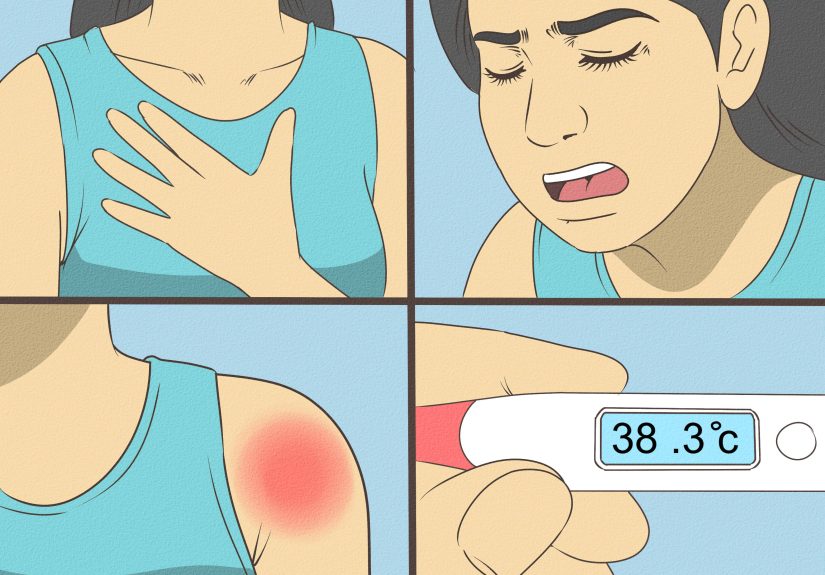
- You also have shortness of breath, chest pain, fever, or an irregular heartbeat
- Your face, lips, tongue, or throat are swelling
That last one is especially important. Facial or tongue swelling can signal a serious allergic reaction and needs urgent medical attention. Likewise, sudden leg swelling with pain can point to a clot. Swelling plus breathing trouble is not something to “monitor for a little while.” It is something to get evaluated fast.
Everyday Habits That Can Help Keep Swelling Down
Even when swelling is not dangerous, it can be annoying, uncomfortable, and impressively good at ruining shoe choices. A few habits can help reduce how often it shows up:
- Change position often during the day
- Walk regularly, especially during travel or desk work
- Elevate legs when you rest if lower-leg swelling is common
- Wear properly fitted compression gear if your clinician recommends it
- Go easy on excess sodium
- Maintain a healthy activity level
- Follow treatment plans for heart, kidney, vein, or lymphatic conditions
These steps are not glamorous. No one has ever posted, “Just did my fourth ankle flex break of the day, feeling iconic.” But they work, especially when done consistently.
When to Get Emergency Help
Swelling can usually wait for a regular appointment when it is mild and clearly tied to a minor cause. But some symptoms need immediate care. Get emergency help if swelling comes with:
- Chest pain
- Shortness of breath or trouble breathing
- Fainting, dizziness, or coughing up blood
- Sudden one-sided leg swelling with pain
- Rapid facial, lip, tongue, or throat swelling
Those symptoms can signal a medical emergency, including a blood clot, pulmonary edema, or a severe allergic reaction.
Final Takeaway
If you want the short version, here it is: the best treatment for swelling depends on why the swelling is happening. For fresh injuries, cool it down and protect the area. For fluid-related puffiness, elevate, move, and use compression when appropriate. For persistent or unexplained swelling, treat the root cause with medical guidance instead of hoping your body sorts it out by sheer enthusiasm.
Swelling is common, but it should not be ignored when it is severe, sudden, or paired with warning signs. If your body keeps puffing up like it is filing a formal complaint, listen to it. It is probably trying to tell you something useful.
Real-World Experiences With Swelling
One of the most common experiences people have with swelling starts with a completely ordinary mistake. Someone twists an ankle stepping off a curb, playing pickup basketball, or missing the last stair because they were looking at their phone instead of the staircase. At first, the area just feels sore. Then, within an hour, the ankle looks thicker, feels warm, and suddenly the shoe fits like it borrowed someone else’s foot. In that kind of situation, people often notice that cold packs and resting the joint help the most during the first day or two. They also learn a lesson that is practically universal: trying to “walk it off” too early usually makes the swelling worse.
Another very typical experience is lower-leg swelling after long periods of sitting or standing. Office workers, teachers, retail employees, nurses, drivers, and travelers know this story well. By evening, socks leave marks, shoes feel tighter, and legs feel heavy instead of painful. Many people describe this kind of swelling as less dramatic than an injury but more annoying because it keeps happening. They often find that elevating their legs after work, walking more often during the day, and using compression socks on busy days can make a noticeable difference. It is not flashy treatment, but it is the kind of practical routine that helps people feel better and function better.
Then there are people dealing with longer-term swelling, such as lymphedema or chronic vein problems. Their experience is usually very different from someone with a simple sprain. The swelling may come and go, or it may be a daily issue that changes how clothes fit, how far they can walk, or how confident they feel in public. Many describe the sensation as heaviness, tightness, or stiffness more than sharp pain. These are the people who often benefit from structured care plans, including compression, exercise, skin care, and sessions with trained therapists. Their experience is a good reminder that swelling is not always a quick-fix problem. Sometimes it is a management issue, not a one-time event.
Facial swelling is another experience people remember very clearly because it can feel unsettling fast. A person wakes up with puffy eyelids after an allergic reaction, dental issue, sinus problem, or irritation and immediately feels alarmed because the swelling is visible. Some cases are mild and improve with basic care, while others escalate quickly and need urgent help, especially if the lips, tongue, or breathing are involved. People who have been through that often say the scariest part is how quickly it changes. That is why facial swelling is one of those symptoms that deserves respect and not a wait-and-see attitude when warning signs appear.
The big takeaway from these real-life experiences is that swelling is more than a cosmetic nuisance. It changes movement, comfort, sleep, confidence, and daily routines. It can be a minor inconvenience or an early clue that something deeper is going on. The best outcomes usually happen when people stop treating all swelling like the same problem and start asking the better question: What kind of swelling is this, and what is the smartest way to respond?