
Table of Contents >> Show >> Hide
- Why This Tuscan Bean Soup Works
- What You’ll Need
- How to Make Tuscan Bean Soup
- Full Tuscan Bean Soup Recipe at a Glance
- Tips for the Best Flavor
- Common Mistakes to Avoid
- Variations to Try
- What to Serve with Tuscan Bean Soup
- How to Store and Reheat It
- Why Tuscan Bean Soup Keeps Winning People Over
- Experience: Why This Soup Feels Bigger Than the Recipe
- Final Thoughts
If soup had a cashmere sweater, this would be it. A good Tuscan bean soup recipe is cozy without being fussy, hearty without feeling heavy, and rustic in the kind of way that makes you want to eat dinner by candlelight even if the candle is just the one you found in the junk drawer. It is the sort of meal that tastes like someone sensible and charming made it for you after saying, “You look cold. Sit down.”
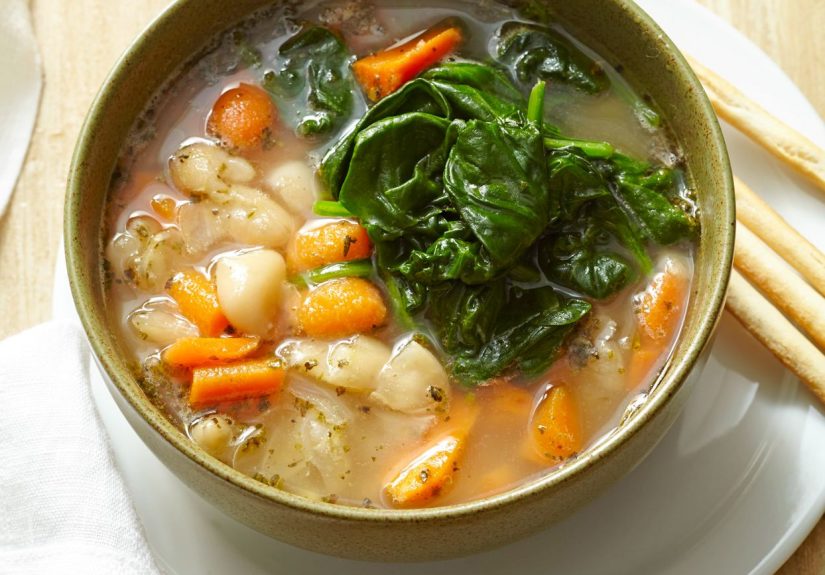
At its core, Tuscan bean soup is all about simple ingredients doing impressive things. White beans turn creamy, aromatics melt into the broth, herbs wake everything up, and a chunk of crusty bread on the side makes the whole experience feel suspiciously luxurious for a pot built mostly from pantry staples. Some versions lean brothy, some are thick enough to flirt with stew, and some wander toward ribollita, the classic Tuscan bread-and-bean situation that proves leftovers can, in fact, have a glow-up.
This version keeps the spirit of Tuscany while staying practical for an American home kitchen. It uses canned cannellini beans to save time, includes kale for body and color, and borrows the smartest tricks from top-tested recipes: build flavor with onion, carrot, and celery; use rosemary carefully so it does not try to run the entire meeting; and mash some of the beans so the soup tastes like it simmered all day, even when it absolutely did not.
Why This Tuscan Bean Soup Works
The best Tuscan soups are humble in the most confident way possible. They do not need a mile-long ingredient list or a dramatic garnish tower. They need balance. Creamy beans provide substance, vegetables bring sweetness, garlic and herbs add backbone, and broth ties it all together. A Parmesan rind, if you have one, adds savory depth without turning the soup into a cheese parade.
This recipe also succeeds because it gives you texture in layers. Some beans stay whole, while others get mashed into the pot. That creates a silky, restaurant-style broth without cream. It is culinary wizardry, except the wand is a wooden spoon and your robe is probably a hoodie.
What You’ll Need
Main Ingredients
- 2 tablespoons extra-virgin olive oil
- 1 medium yellow onion, diced
- 2 medium carrots, diced
- 2 celery stalks, diced
- 4 garlic cloves, minced
- 1 tablespoon tomato paste
- 1/4 teaspoon crushed red pepper flakes, optional
- 3 cans (15 ounces each) cannellini beans, drained and rinsed
- 6 cups low-sodium chicken broth or vegetable broth
- 1 small Parmesan rind, optional
- 1 bay leaf
- 1 teaspoon chopped fresh rosemary, or 1/2 teaspoon dried rosemary
- 4 cups chopped kale or Tuscan kale
- Salt and black pepper, to taste
- 1 tablespoon lemon juice
- Freshly grated Parmesan, for serving
- Crusty bread, for serving
- Extra olive oil, for drizzling
Ingredient Notes
Cannellini beans are the classic choice because they are creamy and mild, but Great Northern beans also work well. Kale gives the soup structure and that rustic Tuscan feel, though spinach or Swiss chard can step in if needed. Tomato paste adds subtle richness; this is not a tomato soup pretending to be something else. And lemon juice at the end is the small detail that keeps the soup from tasting flat.
How to Make Tuscan Bean Soup
1. Start with the flavor base
Heat the olive oil in a large Dutch oven or soup pot over medium heat. Add the onion, carrots, and celery. Cook for 7 to 8 minutes, stirring occasionally, until the vegetables soften and smell like dinner is finally getting its act together. Add the garlic, tomato paste, and red pepper flakes, then cook for 1 minute more.
2. Add the beans and broth
Stir in the cannellini beans, broth, Parmesan rind, bay leaf, and rosemary. Bring the soup to a gentle simmer. Let it cook uncovered for about 15 minutes so the flavors can settle in and start acting like old friends.
3. Make it creamy without cream
Scoop out about 1 cup of the beans and vegetables, then mash them with a fork or blend them briefly. Stir that mixture back into the pot. You can also use an immersion blender for just a few pulses. Do not puree the whole soup unless your goal is “bean smoothie,” which, respectfully, is not the assignment.
4. Add the greens
Stir in the kale and simmer for 5 to 10 minutes, until tender but still bright. Remove the Parmesan rind and bay leaf.
5. Finish strong
Taste and season with salt, black pepper, and lemon juice. Ladle the soup into bowls, top with grated Parmesan, drizzle with good olive oil, and serve with warm crusty bread. If you want bonus points, rub the toast with a cut clove of garlic first.
Full Tuscan Bean Soup Recipe at a Glance
Prep time: 15 minutes
Cook time: 30 to 35 minutes
Servings: 6
This is the kind of easy Tuscan white bean soup that feels weeknight-friendly but still tastes like a recipe you would proudly hand to someone after they ask, “Wait, what is in this?”
Tips for the Best Flavor
Do not rush the vegetables
Soup is forgiving, but flavor still needs a little courtship. If you undercook the onion, carrot, and celery, the broth never quite develops that mellow, layered character that makes homemade soup taste finished.
Use rosemary with restraint
Rosemary is lovely. Rosemary is also capable of behaving like the loudest person at brunch. A little goes a long way. You want a woodsy, savory note, not a bowl that tastes like your soup fell into a shrub.
Mash some beans
This trick is the difference between “nice broth” and “where has this soup been all my life?” Mashing creates body and makes the soup feel slow-cooked even when it came together in under an hour.
Finish with acid and fat
A squeeze of lemon and a drizzle of olive oil wake up the entire pot. That final contrast makes the beans taste richer, the greens taste fresher, and the broth taste more alive.
Common Mistakes to Avoid
Using bland broth: Since the ingredient list is simple, every component matters. Use a broth you actually like.
Adding too many tomatoes: This is bean soup, not marinara with a side hustle.
Skipping the garnish: Parmesan, olive oil, and bread are not decorative. They complete the dish.
Overcooking spinach: If swapping in spinach for kale, add it at the very end so it wilts instead of surrendering completely.
Variations to Try
Vegetarian Tuscan Bean Soup
Use vegetable broth and skip the Parmesan rind if you need the soup fully vegetarian. A spoonful of nutritional yeast can add a little savory depth.
Tuscan Bean Soup with Sausage
Brown 8 ounces of Italian sausage before adding the vegetables. This version is richer and heartier, perfect when you want the soup to eat like a full winter supper.
Ribollita-Inspired Version
Stir in chunks of stale rustic bread near the end of cooking and let them soften into the broth. The soup becomes thicker, more rustic, and deeply comforting.
Lemony White Bean Soup
Add extra lemon zest and a little more juice for a brighter, lighter bowl that feels ideal for early spring.
What to Serve with Tuscan Bean Soup
The obvious answer is bread, and the obvious answer is correct. A toasted slice of sourdough, ciabatta, or country loaf is perfect for dunking. A simple salad with bitter greens and vinaigrette also works beautifully. If you want the meal to feel extra generous, serve the soup with roasted vegetables, a small antipasto plate, or a grilled cheese sandwich that absolutely knows it is overdressed for the occasion.
How to Store and Reheat It
This soup keeps well in the refrigerator for up to 4 days and often tastes even better on day two, once the flavors have had time to mingle and gossip. Reheat it gently on the stovetop or in the microwave with a splash of broth or water if it has thickened. It also freezes well for up to 3 months, though the greens may soften a bit after thawing.
Why Tuscan Bean Soup Keeps Winning People Over
There is something deeply satisfying about a dish that feels old-fashioned in the best possible way. Tuscan white bean soup does not rely on trendiness, surprise ingredients, or culinary gymnastics. It is good because the fundamentals are good. Beans are nourishing, aromatics are reliable, herbs are generous, and bread is never a bad idea.
It is also wildly adaptable. You can make it meaty or vegetarian, brothy or thick, weeknight-simple or Sunday-project elaborate. You can use canned beans when life is busy or cook dried beans when you want the full slow-food experience. Either way, the result is usually the same: a pot of soup that makes the kitchen smell wonderful and the table feel more inviting.
Experience: Why This Soup Feels Bigger Than the Recipe
A funny thing happens when you make a Tuscan bean soup recipe more than once: it stops being just dinner and starts becoming part of the rhythm of your home. The first time, you follow the recipe closely. You chop the onion, measure the broth, question whether kale is being a little dramatic, and wonder if three cans of beans are somehow too many. Then the soup simmers, the kitchen smells warm and herbal, and by the time you sit down with a bowl and a piece of bread, you understand why people become fiercely loyal to recipes like this.
By the second or third time, the soup gets personal. Maybe you add extra garlic because your household believes moderation is for other people. Maybe you use homemade stock because it is Sunday and you are feeling virtuous. Maybe you keep it vegetarian one week, then toss in sausage the next because the weather turned rude. The beauty of this soup is that it welcomes all of it. It has structure, but it also has grace.
For many home cooks, bean soup becomes a low-key survival tool. It is what you make when money is tight, when the fridge looks sparse, or when everyone at home wants “something cozy” but no one wants to explain what that means. It is dependable. It stretches. It reheats well. It can sit on the stove while you answer emails, fold laundry, or stare out the window pretending you are in a hillside kitchen in Tuscany instead of wondering where your other sock went.
There is also the emotional side. Tuscan bean soup feels generous, even though the ingredients are humble. Serving it to friends does not feel like an apology meal; it feels intentional. A bowl topped with Parmesan, black pepper, olive oil, and thick toast looks abundant. It tells people they are welcome. It tells them to stay a while. It tells them yes, absolutely, there is enough for seconds.
And then there is the memory factor. Soup, more than almost any other food, has a way of attaching itself to specific moments. A rainy Tuesday. A snow day. A dinner eaten quietly after a long week. A crowded table where everyone starts out polite and ends up asking for more bread. Over time, the recipe becomes less about beans and broth and more about atmosphere. You remember the steam on the windows, the olive oil on the spoon, the sound of the pot bubbling gently while the house settles down for the evening.
That is probably why this soup keeps showing up in so many kitchens and so many recipe collections. It is practical, yes. It is affordable, yes. It is healthy-ish in the way people like to mention while reaching for a second slice of bread. But beyond all that, it is comforting in a real and useful way. It makes an ordinary night feel more grounded. It asks very little and gives a lot. For a recipe made from beans, vegetables, and broth, that is honestly a pretty impressive personality.
So if you are looking for a meal that is simple, flexible, and quietly excellent, this is it. Make it once for dinner, then make it again because the leftovers were great, then make it a third time because someone in your house asked for “that bean soup” and suddenly you realize it has become part of your life. Not bad for a pot of pantry staples.
Final Thoughts
If you want a recipe that is hearty, flexible, and deeply comforting, this Tuscan bean soup recipe deserves a permanent spot in your rotation. It is cozy enough for cold weather, light enough for year-round cooking, and forgiving enough to handle real life. Keep the basics strong, finish it with care, and do not forget the bread. The bread is not optional in spirit, even if technically it is optional on paper.







 Close
Close