Table of Contents >> Show >> Hide
- Probiotics 101: What they are (and what they are not)
- How we picked the “best” probiotic supplements for 2026
- 5 Best Probiotic Supplements for 2026
- 1) Culturelle Digestive Daily Probiotic (LGG) Best “starter” probiotic for everyday digestive support
- 2) Align 24/7 Digestive Support Best single-strain pick for gas/bloating-type digestive discomfort
- 3) Florastor (Saccharomyces boulardii CNCM I-745) Best probiotic to consider during/after antibiotics or travel changes
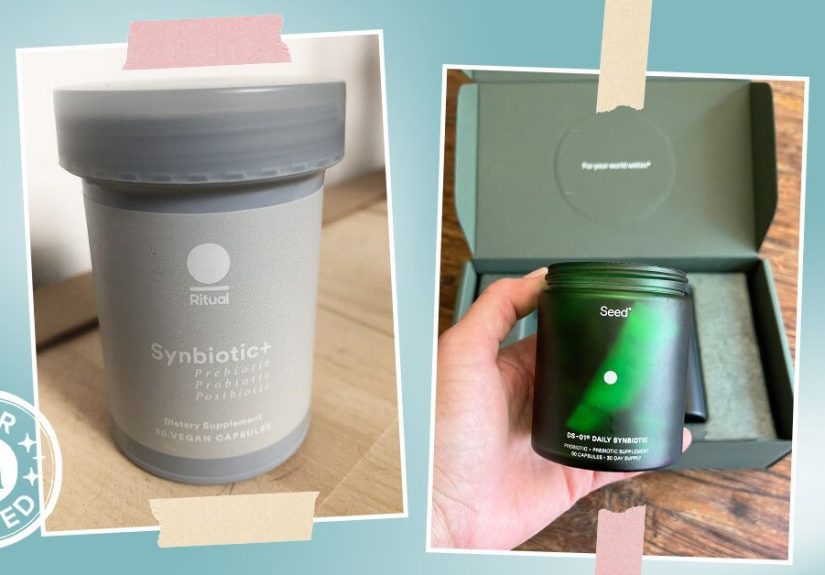
- 4) Seed DS-01 Daily Synbiotic Best “systems thinker” synbiotic (probiotic + prebiotic) for routine daily use
- 5) Visbiome GI Care Best high-potency, refrigerated option for clinician-guided protocols
- How to choose the right probiotic supplement (without spiraling in the aisle)
- How to take probiotics for the best chance of success
- Who should be cautious with probiotics?
- Quick FAQ
- Real-world experiences: what probiotic “success” usually looks like (and what it doesn’t)
- Conclusion: the simplest way to pick a probiotic you won’t regret
Probiotics are supposed to be the “good guys” of the gutfriendly microbes that help keep your digestive system from acting like it’s in a constant group chat with chaos.
But shopping for a probiotic supplement can feel like reading a sci-fi novel written by a vitamin aisle:
50 billion CFU! 24 strains! Capsule-in-a-capsule! Guaranteed potency!
Here’s the truth: probiotics can be genuinely helpful for certain goals, but they’re not magic, and they’re not one-size-fits-all.
The best probiotic supplement for 2026 is the one that matches your reason for taking it, uses well-studied strains, and is made with quality and transparencynot just a giant number on the front label.
In this guide, you’ll get five standout probiotic supplements (with clear “best for” use cases), plus a practical checklist to choose confidentlywithout needing a PhD in Latin names.
Probiotics 101: What they are (and what they are not)
Probiotics are live microorganismsusually bacteria or yeastthat may support health when taken in adequate amounts.
They’re found naturally in your body and also in fermented foods (like yogurt, kefir, kimchi, and sauerkraut) and supplements.
Important nuance: probiotic effects are often strain-specific.
That means two supplements can both say “Lactobacillus” and still behave like completely different houseguestsone cleans up and helps out, the other eats your snacks and leaves.
Also, more CFUs doesn’t automatically mean “better.”
A smaller dose of a strain that’s actually been studied for your goal can beat a mega-dose of random strains every day of the week.
How we picked the “best” probiotic supplements for 2026
We prioritized supplements that check as many of these boxes as possible:
- Clearly labeled strains (genus + species + strain ID when available)
- Evidence-friendly choices (strains commonly studied for gut support and/or specific needs)
- Quality signals (brand transparency, published potency promises, storage guidance)
- Real-world usability (shelf stability when appropriate, clear dosing, consistent availability in the U.S.)
- Different “best for” scenarios (because your gut goals are not identical to your neighbor’s)
Quick safety note: most healthy adults tolerate probiotics well, but people with severely weakened immune systems or serious illness should check with a clinician before using them.
5 Best Probiotic Supplements for 2026
1) Culturelle Digestive Daily Probiotic (LGG) Best “starter” probiotic for everyday digestive support
Best for: people new to probiotics, mild occasional digestive upset, and those who want a simple, well-known strain.
Culturelle’s claim to fame is Lactobacillus rhamnosus GG (LGG), one of the most studied probiotic strains in the world.
If you don’t want a “kitchen sink” blend, this is a clean, focused approach: one headline strain, straightforward dosing, and widely available.
Why it’s on the list: A simple single-strain probiotic can be a smart first step.
You can actually tell what you’re taking, and it’s easier to evaluate whether it helps you.
Pro tip: Give it 2–4 weeks before judging results. Many people notice changes in regularity or bloating gradually, not overnight.
2) Align 24/7 Digestive Support Best single-strain pick for gas/bloating-type digestive discomfort
Best for: people who deal with occasional gas, bloating, and abdominal discomfort and want a well-known, targeted strain.
Align is built around Bifidobacterium 35624, a strain with a long history of use in digestive health products.
It’s also a good example of what “quality signals” can look like: clear strain identity and a stated potency promise through the “best by” date.
Why it’s on the list: If your main complaint is the “why do I feel like a balloon after lunch?” vibe, a Bifidobacterium-focused approach is often a reasonable place to start.
Pro tip: Take it consistently. With probiotics, the pattern matters more than the exact minute you swallow it.
3) Florastor (Saccharomyces boulardii CNCM I-745) Best probiotic to consider during/after antibiotics or travel changes
Best for: antibiotic-related digestive changes, travelers, and people who want a probiotic that’s not a bacterium.
Florastor uses Saccharomyces boulardii, which is a beneficial yeast, not a bacterial strain.
The practical upside: because it’s yeast, it’s generally not affected the same way bacteria are when you take an antibioticmaking it a popular “antibiotic companion” choice.
Why it’s on the list: When your gut routine is disrupted (antibiotics, travel, food shifts), S. boulardii is one of the better-known options people discuss with clinicians.
Pro tip: If you’re taking antibiotics and also using a bacterial probiotic, separate them by a couple of hours when possible.
(This matters less for yeast-based options.)
4) Seed DS-01 Daily Synbiotic Best “systems thinker” synbiotic (probiotic + prebiotic) for routine daily use
Best for: people who want a broad, modern synbiotic formula and prefer shelf-stable convenience.
DS-01 is a synbiotic, meaning it combines probiotics with a prebiotic component (a “food source” that can support beneficial microbes).
It’s designed as a more comprehensive daily routine option and is positioned around survivability through digestion.
Why it’s on the list: If you’re the type of person who actually uses a pill organizer and reads labels for fun (no judgmentsame),
this is a thoughtfully packaged option with a lot of transparency baked into the brand messaging.
Pro tip: Because synbiotics can be more “active” for some people, start on a calm week.
If you’re prone to bloating, a slower ramp-up can make the experience much friendlier.
5) Visbiome GI Care Best high-potency, refrigerated option for clinician-guided protocols
Best for: people who have been specifically advised to use a high-potency probiotic and can handle refrigeration.
Visbiome is a high-CFU, multi-strain probiotic that’s typically shipped cold and stored refrigerated to maintain potency.
This is the opposite of a casual “grab it at checkout” supplementit’s more like a specialty tool.
Why it’s on the list: Some people want (or need) a high-potency probiotic as part of a plan created with a clinician.
If you’ve been told to consider a medical-grade, cold-shipped probiotic, Visbiome is one of the most recognizable names in that category.
Pro tip: Don’t buy refrigerated probiotics from places that leave them sitting warm.
For cold-chain products, storage is not a suggestionit’s the whole plot.
How to choose the right probiotic supplement (without spiraling in the aisle)
Step 1: Pick your goal (be specific)
“Gut health” is broad. Try one of these clearer goals instead:
- Everyday maintenance: regularity, mild bloating, general support
- Antibiotics/travel disruption: short-term digestive stability
- Gas/bloating discomfort: a more targeted approach
- Clinician-guided protocols: higher potency, specialized blends
Matching the probiotic to the goal is where most of the “results” live.
Step 2: Read the label like a detective, not a hype victim
-
Look for full strain names.
“Lactobacillus” alone is like saying “dog.” Helpful? Sure. Specific? Not at all. -
Check the potency statement.
Better labels specify the amount through the expiration or “best by” date. -
Confirm storage instructions.
Shelf-stable is convenient, refrigerated can be powerfulboth can be fine if handled correctly. -
Watch for unnecessary extras.
Some formulas add long lists of herbs, enzymes, or sweeteners. More ingredients means more variables.
Step 3: Don’t chase CFU numbers like they’re Pokémon
CFU stands for colony-forming unitsa way to estimate viable microbes.
Some brands use other terms like AFU. The bigger lesson is the same:
viability at the time you take it matters more than the biggest number on the shelf.
A reasonable “everyday” range for many products is often in the billions, but the right dose depends on the strain and your goal.
Step 4: Quality matters because supplements aren’t pre-approved like drugs
Probiotics are typically sold as dietary supplements, which means they’re regulated differently than medications.
Companies can make structure/function claims (like “supports digestive health”) but they must include the classic disclaimer about not diagnosing, treating, curing, or preventing disease.
That’s why “trust signals” are important:
- Third-party testing (when available) and transparent manufacturing practices
- Clear brand identity (real contact info, consistent labeling, track record)
- Potency promise and storage guidance that matches the product’s needs
Step 5: Choose a format you’ll actually use
The best probiotic is the one you take consistently.
Capsules are easiest for most people. Powders can be useful for higher-dose protocols. Gummies are tasty, but sometimes lower potency and higher additives.
How to take probiotics for the best chance of success
Start low, go slow (especially if you bloat easily)
A common experience is mild gas or bloating in the first week as your gut adjusts.
Starting with a lower dose or taking it every other day for a week can make the transition smoother.
Give it a fair trial window
If you’re evaluating a daily probiotic, aim for 2–4 weeks of consistent use before deciding.
If nothing changes (or you feel worse), switch strains or consider that a probiotic may not be the right tool for your goal.
If you’re taking antibiotics
Some evidence suggests certain probiotics may help reduce the risk of antibiotic-associated diarrhea when started early.
If you’re using a bacterial probiotic, separating it from the antibiotic dose by a couple of hours can be a practical move.
Yeast-based probiotics are often chosen specifically because they’re not bacteria.
Pair with “gut basics” so you’re not asking one capsule to do everything
- Get fiber from real food (beans, oats, berries, veggies) if you tolerate it
- Stay hydrated
- Prioritize sleep (your gut is dramatic when you don’t)
- Consider fermented foods a few times per week
Who should be cautious with probiotics?
Probiotics are generally considered safe for healthy people, but certain groups should talk to a healthcare professional first:
- People with severely weakened immune systems (or on immunosuppressive therapy)
- People who are critically ill or have central venous catheters
- Those with a history of serious infections or complex medical conditions
- Parents of premature or medically fragile infants
Rare complications have been reported in vulnerable groups, so this is the place to be carefulnot courageous.
Quick FAQ
How do I know if my probiotic is working?
Look for measurable, boring improvements: more comfortable digestion, more predictable bowel habits, less “after-meal drama.”
If your goal is very specific, track it for 2–4 weeks (notes app counts as science).
Should I rotate probiotics?
You can, but you don’t have to. Many people do best with one solid choice taken consistently.
Rotation makes sense if you’re experimenting and tracking results, not if you’re panic-buying because an influencer blinked twice.
Are refrigerated probiotics always better?
Not automatically. Refrigeration can help certain high-potency products maintain viability, but plenty of shelf-stable products are formulated to survive at room temperature.
The best option is the one stored correctly from factory to your home.
Real-world experiences: what probiotic “success” usually looks like (and what it doesn’t)
Let’s talk about the part nobody puts on the front label: the day-to-day experience of actually taking a probiotic.
Not the marketing version where you swallow a capsule and immediately feel like a wellness deity. The real version.
Experience #1: The “Week 1 Bubble.”
A lot of people report a slightly gassier first weekespecially if they start with a high-CFU multi-strain blend.
It’s not always a bad sign; it can be your gut adjusting.
The move that often helps: start on a lower dose, take it with a meal if the label allows, and give it a few days before declaring it a villain.
Experience #2: The “Nothing Happened… Until It Did.”
Probiotics can be subtle. People often don’t notice anything for the first 10–14 days.
Then they realize they’re less bloated after dinner, or their bathroom routine is more predictable.
This is why a 2–4 week trial mattersbecause your gut rarely sends a confetti cannon.
Experience #3: The “Wrong Tool for the Job.”
Sometimes a probiotic doesn’t help because the issue isn’t a probiotic problem.
If constipation is really low fiber + low water + stress, no capsule will out-muscle that trio.
Or if bloating is triggered by specific foods (hello, lactose or high-FODMAP meals), the fix might be dietary strategy, not a different brand.
The best probiotic buyers tend to pair supplements with basics: hydration, fiber they tolerate, movement, and sleep.
Experience #4: The “Antibiotic Side Quest.”
People often start probiotics during antibiotics because they want to keep digestion steady.
A common real-life pattern is choosing a yeast-based probiotic during that window, then switching back to a standard daily probiotic later.
Whether you do that or not, the important experience lesson is timing: start early, be consistent, and don’t expect perfection if your gut is being asked to multitask.
Experience #5: The “Storage Oops.”
Probiotics are alive (or at least they’re trying to be). Heat and time can reduce viability.
Real people leave bottles in hot cars, sunny windows, gym bags, or kitchens that turn into saunas.
If you’re taking a cold-shipped probiotic, treat it like milk, not like a paperback novel.
And if you travel, a shelf-stable option might be the most practical “experience-friendly” choice.
Experience #6: The “My Friend Loved It” Trap.
This is the classic: your friend swears one probiotic “changed their life,” you try it, and your gut responds with, “Respectfully, no.”
That doesn’t mean probiotics are fakeit means strain-specific effects and individual microbiomes are real.
The smartest approach is a small experiment: pick one goal, pick one product, track for a few weeks, then decide.
Bottom line: probiotic success is usually steady and specific, not instant and dramatic.
If you approach it like a simple experimentrather than a miracleyou’re far more likely to end up with a supplement that actually earns its spot on your counter.
Conclusion: the simplest way to pick a probiotic you won’t regret
If you remember nothing else, remember this: choose the probiotic that matches your goal, has clearly identified strains, and is stored the way it needs to be stored.
Start with a fair trial period, track what changes, and don’t be afraid to switch strains if the first choice isn’t a fit.
Probiotics can be a helpful tooljust not the only tool. Pair them with gut basics, and you’ll get the best odds of a calmer, happier digestive routine in 2026.