Table of Contents >> Show >> Hide
Energy bills have a sneaky talent for showing up right when you thought your budget was behaving. One month you are feeling responsible, adult, and possibly heroic. The next month, your utility bill arrives looking like it ordered room service. The good news? You do not need to live by candlelight, shower in glacier water, or yell at your toaster to save money. Small, practical habits can lower energy costs without turning your home into a survival documentary.
This guide shares 50 super simple ways to save on energy costs, from thermostat tweaks and laundry tricks to kitchen upgrades, lighting swaps, and smarter shopping decisions. Some ideas cost nothing. Others are low-cost weekend fixes. A few are bigger upgrades that can pay off over time. Mix and match them based on your home, climate, budget, and tolerance for crawling around looking for drafts. Spoiler: drafts are usually guilty.
Why Energy Costs Add Up So Quickly
Most homes use the largest share of energy on heating, cooling, water heating, refrigeration, lighting, electronics, cooking, and laundry. That means the best energy-saving strategy is not one dramatic change. It is a collection of small improvements that stop waste in the places where energy quietly leaks away. Think of your home like a bucket. Saving energy is less about filling the bucket with expensive gadgets and more about patching the holes first.
The simplest approach is to start with behavior changes, then move to maintenance, then consider upgrades when an appliance or system is already due for replacement. That way, you save money without buying things just because a shiny label whispered, “I am efficient.”
50 Super Simple Ways to Save on Energy Costs
Heating and Cooling Savings
- Adjust your thermostat by a few degrees. In winter, lower it when you are asleep or away. In summer, raise it when the house is empty. A small change can make a noticeable difference because heating and cooling work hard for every degree.
- Use a programmable or smart thermostat. A thermostat that follows your schedule saves energy automatically. It is basically a tiny household manager that does not ask for snacks.
- Replace HVAC filters regularly. Dirty filters make your heating and cooling system push air through a dusty obstacle course. Check them monthly during heavy-use seasons and replace them as needed.
- Book seasonal HVAC maintenance. A spring air-conditioning checkup and fall heating tune-up can improve efficiency, comfort, and system life. It is cheaper than discovering your furnace has retired mid-January.
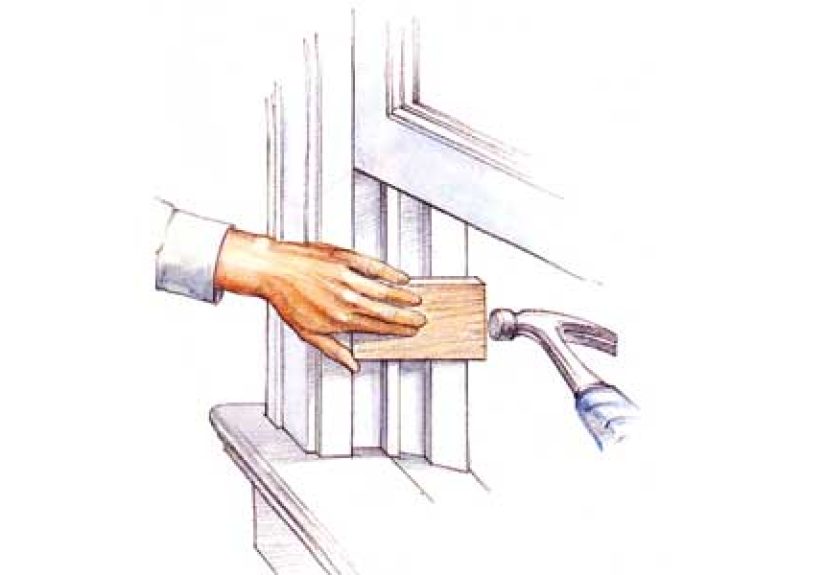
- Seal air leaks around doors and windows. Use caulk for stationary gaps and weatherstripping for moving parts. If you feel a draft, your paid-for air is trying to escape.
- Close the fireplace damper. An open damper can send heated or cooled air straight up the chimney. Close it when the fireplace is not in use.
- Use ceiling fans correctly. In summer, run fans counterclockwise to create a cooling breeze. In winter, reverse the direction on low speed to push warm air down.
- Do not cool empty rooms. Close blinds, reduce unnecessary airflow, and avoid conditioning spaces you rarely use. For safety and system balance, do not block too many vents without checking your HVAC setup.
- Shade sunny windows in summer. Curtains, blinds, exterior shades, awnings, and shade trees can reduce heat gain. Your air conditioner deserves a little emotional support.
- Let sunlight in during winter. Open curtains on sunny cold days, especially on south-facing windows, then close them at night to reduce heat loss.
- Add insulation where it matters. Attics, crawl spaces, basements, and exterior walls are common trouble spots. Good insulation keeps comfortable air where you paid for it to be.
- Seal ducts in unconditioned spaces. Leaky ducts in attics, garages, and crawl spaces can waste heated or cooled air before it reaches your rooms.
Water Heating Savings
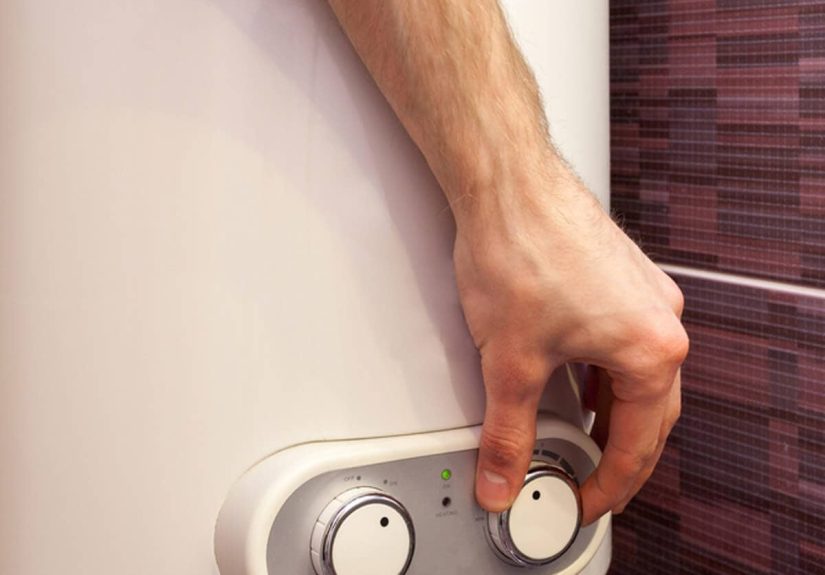
- Set your water heater to 120°F. This setting is hot enough for most households and can reduce standby losses while lowering scalding risk.
- Take shorter showers. You do not need to race like you are in a game show, but trimming even a few minutes saves hot water and energy.
- Install WaterSense-labeled showerheads. Efficient showerheads reduce water use while still providing a satisfying shower. Translation: less waste, no sad drizzle.
- Fix hot-water leaks quickly. A dripping hot-water faucet wastes both water and the energy used to heat it.
- Wash clothes in cold water. Most everyday laundry cleans well in cold water, and heating water is one of the biggest energy demands in washing.
- Insulate hot-water pipes. Pipe insulation helps hot water stay warmer as it travels, so you waste less water waiting for heat at the tap.
- Use the dishwasher instead of handwashing large loads. A full, efficient dishwasher often uses less hot water than washing a sink full of dishes by hand.
- Skip pre-rinsing dishes. Scrape plates instead. Modern dishwashers are not delicate Victorian poets; they can handle some sauce.
- Run full dishwasher loads. Full loads spread the energy and water use across more dishes, making each cycle more efficient.
- Air-dry dishes. Use the air-dry setting or crack the door after the rinse cycle if your dishwasher allows it safely.
Lighting and Electronics Savings
- Switch to LED bulbs. LEDs use far less energy than incandescent bulbs and last much longer. Start with the lights you use most.
- Turn lights off when leaving a room. This tip is old, boring, and still correct. Your empty hallway does not need ambiance.
- Use task lighting. A desk lamp or under-cabinet light can be more efficient than lighting an entire room for one activity.
- Install dimmers or motion sensors. These are especially useful in bathrooms, closets, garages, and laundry rooms where lights are often forgotten.
- Unplug chargers when not in use. Many chargers draw tiny amounts of power even when they are not charging anything.
- Use smart power strips. They cut power to devices that go into standby mode, such as gaming systems, speakers, monitors, and entertainment equipment.
- Enable energy-saving settings on computers and TVs. Sleep mode, lower screen brightness, and automatic shutoff features are easy wins.
- Do not run old electronics all day. Older TVs, desktop computers, and sound systems can use more power than expected. Turn them off when nobody is using them.
Kitchen and Appliance Savings
- Clean refrigerator coils. Dusty coils make your refrigerator work harder. Clean them a couple of times per year, especially if you have pets.
- Check refrigerator door seals. If a dollar bill slides out easily when shut in the door, the gasket may not be sealing well.
- Keep the refrigerator full but not stuffed. A reasonably full fridge holds temperature better, but blocked airflow reduces efficiency.
- Let hot food cool before refrigerating. Do not leave food out unsafely, but avoid putting steaming-hot pots directly into the fridge.
- Use the microwave, toaster oven, or air fryer for small meals. Smaller appliances often use less energy than heating a full-size oven.
- Match pan size to burner size. A tiny pan on a giant burner wastes heat and looks like a cooking show mistake.
- Use lids while cooking. Lids trap heat, reduce cooking time, and help water boil faster.
- Avoid opening the oven repeatedly. Each peek lets heat escape. Use the oven light when possible.
- Choose ENERGY STAR appliances when replacing old ones. Do not replace working appliances just for fun, but when it is time, compare efficiency and operating costs.
- Read the EnergyGuide label. The yellow label helps you compare estimated yearly energy use and cost before buying.
Laundry Savings
- Wash full loads. Clothes washers use a similar amount of energy for many load sizes, so fuller loads are usually more efficient.
- Use high spin speed. A faster spin removes more water, reducing dryer time.
- Clean the dryer lint filter every load. Better airflow means faster drying and less energy waste.
- Do not overdry clothes. Use moisture sensors if your dryer has them. Extra drying time wastes energy and can age fabrics faster.
- Dry similar fabrics together. Towels and lightweight shirts dry at different speeds. Mixing them can trick you into running the dryer longer than needed.
- Air-dry when possible. A drying rack saves energy and is gentle on clothes. It also makes your laundry room look briefly responsible.
Whole-Home Habits and Smart Upgrades
- Request a home energy audit. Many utilities offer free or discounted assessments. An audit helps you find the biggest energy leaks first.
- Ask about rebates and assistance programs. Utilities, states, and federal programs may offer rebates for insulation, heat pumps, smart thermostats, efficient appliances, and weatherization.
- Track your utility usage monthly. Compare bills by usage, not just price. Rates change, but kilowatt-hours and fuel use reveal your real habits.
- Start with the easiest three changes. Pick one thermostat habit, one hot-water habit, and one lighting or laundry habit. Simple wins build momentum.
Best Low-Cost Energy Savers to Try First
If you want the fastest results without spending much, begin with thermostat scheduling, cold-water laundry, LED bulbs, air sealing, clean filters, shorter showers, and power strips. These changes are simple, affordable, and friendly to renters. You do not need permission from a landlord to turn off unused lights, clean a lint filter, or stop running the dryer like it is training for a marathon.
For homeowners, air sealing and insulation often deserve special attention because they improve comfort and reduce heating and cooling waste. If your home has rooms that are always too hot, too cold, dusty, or drafty, the problem may not be your thermostat. It may be leaks, poor insulation, duct issues, or an HVAC system that needs maintenance.
When Bigger Upgrades Make Sense
Some energy-saving upgrades cost more upfront but can reduce utility bills for years. These include heat pump water heaters, efficient HVAC systems, ENERGY STAR windows, improved attic insulation, smart thermostats, and newer appliances. The best time to upgrade is usually when something old breaks, performs poorly, or costs too much to operate.
Before buying, compare the purchase price, estimated yearly energy cost, rebates, installation needs, and expected lifespan. A cheaper appliance that wastes energy may cost more over time. On the other hand, the fanciest model in the store is not automatically the smartest choice. Efficiency is about performance, not showing off to your refrigerator.
Real-Life Experience: What Actually Works at Home
The easiest energy savings often come from noticing the ordinary things you do every day. In many homes, the thermostat becomes a silent budget villain. People set it once, forget it, and then wonder why the bill looks like it joined a gym and bulked up. A practical routine is to set daytime and nighttime temperatures based on actual comfort, not habit. For example, in winter, wearing a sweater and lowering the heat a few degrees at night can feel surprisingly normal after a week. In summer, using fans and closing sunny blinds during the hottest hours can make a room feel cooler without forcing the air conditioner to wrestle the sun.
Laundry is another place where small habits matter. Switching to cold water is one of those changes that feels too easy to count, but it does. Most regular clothing does not need hot water, and modern detergents are designed to work well in cooler temperatures. The dryer is where many households accidentally burn money. Cleaning the lint filter, using high spin speed in the washer, drying similar fabrics together, and stopping the cycle when clothes are actually dry can reduce wasted runtime. Overdrying towels until they feel like desert artifacts is not a requirement.
The kitchen also offers simple wins. Keeping refrigerator coils clean is not glamorous, but neither is paying extra because dust bunnies built a vacation home behind your fridge. Using lids on pots, choosing smaller appliances for small meals, and running full dishwasher loads are easy habits that reduce energy without changing your lifestyle. Even skipping pre-rinsing can help. Scrape the plate, load the dishwasher, and let the machine do the job it trained for.
One of the most satisfying home energy experiences is finding drafts. A cold breeze around a door or window is basically your house waving a tiny flag that says, “Money is escaping here.” Weatherstripping and caulk are inexpensive, and the comfort improvement can be immediate. For older homes, attic insulation and duct sealing can be even more powerful. If one bedroom feels like a refrigerator while another feels like a toaster, the issue may be airflow, insulation, or leaks rather than your family’s mysterious temperature opinions.
The biggest lesson is that saving on energy costs works best when it feels realistic. You do not have to do all 50 tips this weekend. Start with five: adjust the thermostat, wash laundry in cold water, clean filters, switch key bulbs to LED, and seal an obvious draft. Then watch your utility usage for the next billing cycle. Energy savings are not magic; they are the result of fewer tiny wastes happening all day, every day. And yes, your toaster may still judge you, but at least it will do so in a more efficient kitchen.
Conclusion
Saving on energy costs does not require a dramatic lifestyle makeover. The best results usually come from practical, repeatable actions: control heating and cooling, reduce hot-water waste, use efficient lighting, maintain appliances, and stop paying for energy nobody is using. Start small, stay consistent, and upgrade wisely when the time is right. Your utility bill may not send you a thank-you card, but it can become a lot less dramatic.
Note: This article is written for general home energy-saving education. For the best recommendations, homeowners should consider local climate, utility rates, appliance age, home size, and available rebate programs.