Table of Contents >> Show >> Hide
- Yes, Panda “Daycare” Is RealSort Of
- What Happens Inside Panda Daycare?
- Why People Can’t Stop Watching Panda Daycare
- The Conservation Story Behind the Cuteness
- Panda Daycare Is Not Quite What Social Media Thinks It Is
- Can Visitors Experience Panda Daycare?
- Why Panda Daycare Still Matters
- Panda “Daycare” Experiences: What It Feels Like to Witness the World’s Cutest Chaos
- Conclusion
If the internet had a capital city, there is a strong chance it would be a giant panda nursery. Somewhere between the clumsy somersaults, sleepy basket debuts, and tiny black-and-white troublemakers falling off logs like they were designed by a very distracted toy company, the world decided that panda “daycare” might be the cutest concept ever invented. And honestly? The world has a point.
But here is the important part: panda daycare is not just a catchy phrase slapped onto a viral video. In China’s giant panda breeding and research centers, there really are nursery-style systems for caring for cubs, monitoring their health, helping vulnerable newborns survive, and, when they are old enough, letting young pandas interact, climb, wrestle, nap, and generally behave like fuzzy toddlers with zero respect for personal space. It is adorable, yes. It is also serious conservation work wearing a very photogenic disguise.
This is what makes panda daycare so fascinating. On the surface, it looks like the planet’s happiest preschool. Underneath the squealing cuteness, it is a blend of veterinary care, breeding science, maternal management, habitat conservation, and public education. In other words, the fluffy chaos has a purpose.
Yes, Panda “Daycare” Is RealSort Of
Let’s clear up the phrase first. “Panda daycare” is not an official scientific term. You are not going to find cubs carrying lunch boxes, finger-painting bamboo stalks, or learning the alphabet in growls. The phrase usually refers to nursery and “kindergarten” style environments at giant panda research and breeding centers in Sichuan, especially places associated with Chengdu, Wolong, and Bifengxia.
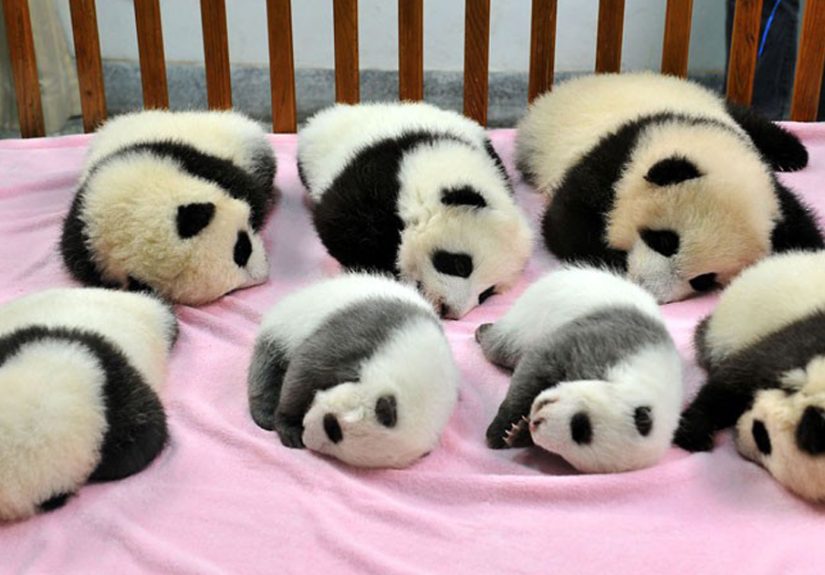
These facilities care for newborn and juvenile pandas in ways that can look strikingly similar to human childcare: round-the-clock supervision, feeding schedules, health checks, indoor nursery rooms, controlled outdoor play areas, and group social time for young cubs. The comparison stuck because the visuals are ridiculous in the best possible way. One minute a cub is clinging to a branch like a determined marshmallow, and the next it is rolling backward into a sibling pileup. If that is not daycare energy, what is?
Still, the real mission is not entertainment. It is survival. Giant pandas are difficult breeders, panda cubs are tiny and fragile at birth, and mothersespecially with twinsoften cannot successfully raise both cubs on their own. So what looks like a cuddly playgroup is actually part neonatal care unit, part wildlife nursery, and part conservation classroom.
What Happens Inside Panda Daycare?
Newborn care is intense
Baby giant pandas arrive looking almost suspiciously un-panda-like. They are born pink, nearly hairless, blind, and astonishingly small compared with their mothers. That size gap is one reason early care is so delicate. Newborn cubs need warmth, close monitoring, regular feeding, and constant attention. It is less “tiny bear vacation” and more “medical miracle with paws.”
In the earliest stage, cubs may spend time with their mother and additional time under human care if the situation calls for it. When twins are born, keepers may rotate the cubs so each one gets access to nursing and maternal bonding while staff watch the second cub. This kind of intervention is not done because people think they are better moms than actual pandas. It is done because giant panda mothers usually manage one cub best, and twins can create a brutal survival challenge.
That reality is one reason panda daycare stories often feel so emotionally loaded. The cute footage is real, but it comes from a system built to solve a difficult biological problem.
Older cubs get a “kindergarten” phase
As cubs grow stronger, the atmosphere shifts from neonatal care to supervised panda mayhem. This is the stage most people mean when they talk about panda kindergarten or panda daycare. Young cubs are placed in safe nursery settings where they can climb, tumble, explore, and interact with other pandas of similar age.
And yes, this part looks like the world’s softest wrestling league. Cubs scramble over wooden frames, drag themselves onto branches, slide off platforms they absolutely believed they had mastered, and pile into one another like fuzzy bowling balls. It is hilarious to watch, but it also serves a developmental function. The cubs build strength, coordination, balance, and confidence while learning how to move through their environment.
That matters because pandas may look like plush furniture with opinions, but they still need physical competence. Climbing, scenting, foraging behavior, and independence are all part of becoming a functional giant panda.
Health, diet, and survival are the real curriculum
The behind-the-scenes work is where panda daycare becomes conservation rather than spectacle. Keepers and veterinarians track growth, feeding, digestion, weight gain, hydration, and illness risk. Chinese institutions and partner zoos have also developed specialized milk formulas and neonatal techniques that dramatically improved the survival odds of nursery-reared cubs over time.
That progress matters. Panda breeding in human care used to be notoriously difficult. Reproduction windows are narrow, pregnancy can be tricky to confirm, cubs can be fragile, and maternal care does not always go according to plan. The gains in cub survival are part of why the modern panda story is more hopeful than it used to be.
Why People Can’t Stop Watching Panda Daycare
Because pandas are nature’s answer to the question, “What if a teddy bear came to life but had absolutely no core strength?” That is the comedic answer, anyway.
The deeper answer is that panda daycare turns conservation into something people can feel. It takes a distant environmental issuehabitat loss, genetic diversity, species recoveryand gives it a face that flops off a tree branch and lands on its backside. Suddenly the story is not abstract. It is personal. People see a cub, laugh at the cub, fall in love with the cub, and then become much more willing to care about forests, breeding science, and wildlife policy.
There is also something strangely comforting about the whole thing. In a world that often feels like a stack of breaking-news alerts wearing a trench coat, watching baby pandas nap in a heap feels like emotional first aid. Even hardened cynics tend to soften after approximately eight seconds of panda kindergarten footage. That is not weakness. That is biology. Or magic. Possibly both.
The Conservation Story Behind the Cuteness
Captive breeding helped buy time
Giant pandas were once treated as a symbol of conservation anxiety: beloved, endangered, difficult to breed, and heavily dependent on shrinking habitat. Over time, coordinated work in China and with international partners improved breeding knowledge, neonatal care, veterinary care, and population management. Wild panda numbers rose enough that the species was reclassified from endangered to vulnerable, a meaningful conservation milestone.
That does not mean the job is finished. It means progress happened because people invested in science, habitat protection, and long-term cooperation. Panda daycare belongs inside that larger story. Cute cubs may grab the headlines, but the headline exists because decades of unglamorous work came first.
Habitat still matters more than camera-friendly cubs
Here is the reality check every panda article needs: no amount of baby-panda adorableness can replace wild habitat. Giant pandas rely heavily on bamboo forests, and those forests have been fragmented by development, roads, agriculture, and other human pressures. Climate change adds another layer of uncertainty because bamboo itself is vulnerable to environmental shifts.
That is why responsible panda conservation cannot stop at breeding centers. Nursery care helps cub survival, but habitat protection is what keeps the species from becoming a permanent museum piece with excellent PR. The goal is not to create a world full of professionally pampered pandas in carefully designed enclosures. The goal is a future in which giant pandas continue to exist as a wild species, not just as an ambassador of cuteness.
There is an ethical conversation here, too
It is fair to ask whether panda daycare is more about tourists than pandas. Some critics argue that public debuts and heavily photographed cub displays can drift toward spectacle. That concern is worth taking seriously. Conservation gets shaky when the animal becomes a mascot first and a species second.
But the strongest case for these programs is that the best of them do both jobs at once. They help vulnerable cubs survive, advance research, fund conservation, and build public support. The key question is not whether the setting is cute. It obviously is. The key question is whether the cuteness is attached to real welfare standards and real conservation outcomes. When it is, panda daycare becomes more than a viral moment. It becomes a gateway into wildlife protection.
Panda Daycare Is Not Quite What Social Media Thinks It Is
Social media tends to flatten everything into a single mood. In this case, the mood is “Look at the fluffy idiots!” That mood is understandable, but incomplete.
Real panda daycare is not a novelty theme park for baby bears. It is a carefully managed system for cub rearing, health support, and structured development. Some cubs spend more time with human caregivers than others. Some need medical support. Some are in facilities that also support research and breeding management. Some public appearances are staged. Some clips capture normal, spontaneous cub behavior in outdoor nursery spaces.
So yes, the videos are adorable. But they are not the whole story. Think of panda daycare as a place where conservation science happens to wear very funny pants.
Can Visitors Experience Panda Daycare?
In some cases, yesthough not always in the exact fantasy version people imagine. Certain panda bases in China have allowed visitors to observe cubs, tour breeding facilities, or take part in highly controlled keeper-style educational programs. Access changes over time, and not every part of cub care is open to the public. That makes sense. These are living animals, not furry museum exhibits with office hours.
For U.S. readers, the fascination is easier to understand than ever. Giant pandas returned to major American zoos in a big way in 2024 and 2025, renewing public excitement in San Diego and Washington, D.C. That renewed interest matters because it keeps pandas visible not just as internet celebrities, but as an active conservation story with international reach.
And honestly, there is something delightful about a species that can inspire advanced reproductive science, diplomatic symbolism, and total emotional collapse in adults who just watched a cub sneeze itself backward.
Why Panda Daycare Still Matters
Panda daycare matters because it bridges two worlds that often struggle to meet: science and emotion. Science says cub survival, genetic management, health monitoring, and habitat strategy all matter. Emotion says, “I would protect that tiny gremlin with my entire tax refund.” Conservation works best when both voices are in the room.
The panda has always had unusual power as a symbol. It is recognizable, charismatic, and weirdly capable of making people care. Panda daycare turns that symbolic power into something immediate. You see the cubs. You laugh. You melt. Then, if the program is doing its job, you leave caring not just about one baby panda but about forests, biodiversity, and the fragile systems that keep wild animals alive.
So yes, panda daycare might be one of the most adorable places on Earth. But it is also one of the smartest reminders that conservation does not have to be cold, distant, or abstract. Sometimes it looks like a tiny cub falling off a branch and standing back up like nothing happened. Comedy, resilience, and scienceall wrapped in black and white fur.
Panda “Daycare” Experiences: What It Feels Like to Witness the World’s Cutest Chaos
To understand why panda daycare has such a grip on people, imagine stepping into a place where every living thing seems to move at the exact speed of a warm cinnamon roll sliding off a plate. The first surprise is not even the pandas themselves. It is the mood. People enter quietly, almost reverently, and then the first cub trips over its own feet and the whole crowd dissolves into helpless laughter.
Watching young pandas together does not feel like visiting a typical animal exhibit. It feels more like accidentally stumbling into a secret club where gravity is optional and dignity has been permanently canceled. One cub may be determined to climb a wooden structure with the confidence of an action hero, only to pause halfway up and reconsider every life choice that led there. Another may be fully committed to a nap in the middle of a path while its siblings bounce around like they were powered by fresh batteries and bad ideas.
The soundscape adds to the experience. Visitors expect roaring, or at least something majestic. What they get instead is a soundtrack of rustling leaves, keeper activity, occasional squeaks, and the soft universal noise of people trying not to squeal in public. You can almost hear everyone having the same internal monologue: “I came here as a serious adult. Unfortunately, I am now emotionally owned by a panda the size of a throw pillow.”
There is also a strange joy in seeing how unpolished young pandas are. They are not elegant in the way people sometimes imagine wildlife should be. They are awkward, stubborn, floppy, curious, and gloriously unserious. That awkwardness makes them feel real. You are not watching a fantasy creature. You are watching a young animal learn balance, strength, social boundaries, and independence one very clumsy moment at a time.
The most memorable part, though, is often the contrast between what visitors feel and what the place actually represents. On the surface, it is delight. Underneath, it is effortyears of reproductive research, veterinary care, habitat work, and human patience. That contrast gives the experience emotional weight. Panda daycare is not moving because it is cute. It is moving because the cuteness exists inside a much bigger story about keeping a species alive.
By the time people leave, they usually take more than photos with them. They leave with a stronger sense that conservation is not just about grim statistics or distant policy debates. Sometimes conservation looks playful. Sometimes it looks hopeful. Sometimes it looks like six panda cubs turning a climbing frame into a furry traffic jam. And somehow, that image can do what lectures often cannot: make people care enough to remember, talk about, and support the work behind the wonder.
Conclusion
Panda daycare is one of those rare ideas that sounds too cute to be real, then turns out to be real enough to be even better. Yes, the cubs tumble, nap, wrestle, and cause full-scale internet meltdowns. But beneath that irresistible surface is something much more important: a system built to support fragile newborns, improve cub survival, expand scientific knowledge, and connect the public to the long game of conservation.
That is why panda daycare endures as more than a viral curiosity. It is adorable, absolutely. It is also a reminder that conservation can be smart, emotional, funny, and deeply human all at once. The cubs may be the stars, but the real triumph is that their story is no longer only about survival against the odds. It is also about progress, partnership, and the possibility that caring deeply about something fluffy can lead to something genuinely meaningful.