
Table of Contents >> Show >> Hide
- 1) Mowing Too Short (AKA “Scalping” Your Lawn)
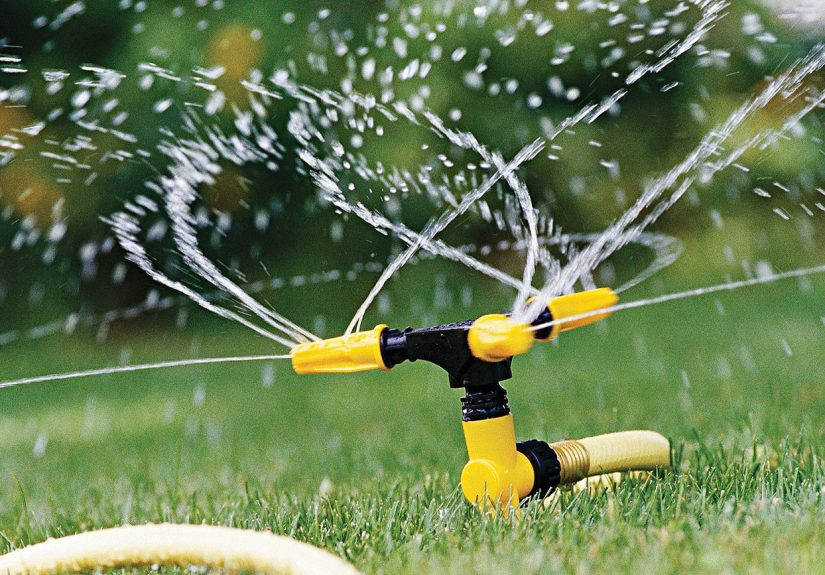
- 2) Watering Too Often (And Not Deeply Enough)
- 3) Watering at the Wrong Time of Day
- 4) Using Dull Mower Blades (Your Lawn Can Tell)
- 5) Fertilizing Without a Plan (Or Without Knowing What Your Soil Needs)
- 6) Treating Weeds Too Late (Or Using Weed Killer Like a Confetti Cannon)
- Quick “Do This, Not That” Cheat Sheet
- Conclusion
- Bonus: 6 Mistakes in the Real World (Beginner Experiences + Lessons)
- Experience #1: The “I’ll mow it short before vacation” plan
- Experience #2: The daily sprinkler habit that creates a thirsty lawn
- Experience #3: The dull-blade mystery“Why is my lawn brown after mowing?”
- Experience #4: Fertilizer enthusiasm meets summer heat
- Experience #5: Weed control that starts after weeds move in
- Experience #6: The “product-first” approach instead of a quick diagnosis
If lawn care feels like a secret society with a handshake made of grass clippings, you’re not alone. Most “bad lawns” aren’t lazy lawnsthey’re
lawns that are being loved in the wrong ways. The good news: once you stop making a few classic beginner lawn care mistakes, your yard usually
improves fast (often within a few mow-and-water cycles).
This guide breaks down six lawn care mistakes to avoidthe ones that quietly sabotage new homeowners and first-time DIY lawn
people every season. You’ll get the “why,” the “how to spot it,” and the “do this instead,” with specific examples you can actually use.
1) Mowing Too Short (AKA “Scalping” Your Lawn)
The #1 beginner move is mowing the grass super short so you “don’t have to mow as often.” It sounds efficient. It is not. Cutting too low stresses
the plant, reduces root growth, and opens the door for weeds. Think of it like giving your lawn a buzz cut right before a sunburn contest.
Why it backfires
- Short blades = less photosynthesis, so grass can’t fuel strong roots.
- Weeds love sunlight; thin, short turf lets light hit the soil and invites weed seeds to germinate.
- Drought hits harder because shallow roots dry out quickly.
How to tell you’re mowing too low
- Brown or straw-looking patches right after mowing (scalp marks).
- Grass that looks “thinner” week by week, even though you water.
- More crabgrass and other opportunistic weeds moving in.
Do this instead
- Follow the “one-third rule”: never remove more than one-third of the blade height in a single mow.
- Raise your mowing height during heat waves. Taller grass shades soil, helps conserve moisture, and crowds out weeds.
-
Use a simple benchmark:
- Cool-season lawns (common in many U.S. regions): often look best kept taller (around the “don’t scalp me” range).
- Warm-season lawns: can be maintained shorter depending on grass type, but still shouldn’t be buzzed down randomly.
Practical example: If you want your lawn to sit around 3 inches, mow when it hits roughly 4 inches. Yes, that can mean mowing a little more often
during spring growth spurts. Your future self (and your root system) will thank you.
2) Watering Too Often (And Not Deeply Enough)
Beginners usually water like they’re misting a houseplant: a little bit, often, whenever the lawn looks “thirsty.” Unfortunately, frequent shallow
watering trains grass to grow shallow rootswhich means it becomes dependent on you like a teenager with a ride request every 12 minutes.
Why it backfires
- Shallow watering = shallow roots, making grass less drought-tolerant.
- Too much moisture near the surface can increase disease risk in some conditions.
- It wastes water (and money) without truly hydrating the root zone.
What “better watering” looks like
- Water deeply, less often so moisture reaches deeper soil.
- Aim for early morning watering when possibleless evaporation than mid-day and less “wet overnight” time than late evening.
-
If your soil is clay-heavy or your yard slopes, use a “cycle-and-soak” approach: water in shorter bursts, pause, then water again
so it soaks in instead of running off.
Easy ways to avoid guessing
-
Do the tuna-can test: place a few shallow cans around the sprinkler zone and see how long it takes to collect about 1 inch of water.
(Then you have a real schedule, not a vibe.) -
Check the lawn before watering: if the grass springs back after you walk on it, it may not need water yet. If footprints linger and blades look dull
or folded, it might be time.
Practical example: Many lawns do better with a couple of deeper watering sessions per week rather than daily sprinkling. Weather, soil, shade, and grass
type matterso the “right” schedule is the one that gets water down to roots without turning the surface into a swamp.
3) Watering at the Wrong Time of Day
Even if your watering amount is decent, timing can still make your lawn struggle. Watering in the blazing heat is basically donating water to the sky.
Watering too late can keep grass wet for long stretches overnight, which may encourage fungal issues in warm, humid conditions.
Do this instead
- Best window: early morning (often before 10 a.m.).
- Avoid: mid-day watering when evaporation is high.
- If you must water later: try to water early enough that grass blades dry before nightfall (especially during muggy weather).
Practical example: If your lawn gets intense afternoon sun, morning watering gives roots moisture before heat stress peakskind of like hydrating before
you run errands in July instead of chugging water after you’re already roasted.
4) Using Dull Mower Blades (Your Lawn Can Tell)
A mower blade should cut grass cleanly. A dull blade tears grass. Torn tips turn brown, look ragged, and can make your whole lawn appear stressed even
when you’re doing everything else “right.”
Signs your mower blade is dull
- Grass tips look shredded instead of neatly cut.
- A hazy brown cast appears a day or two after mowing.
- Your mower seems to “work harder” and leaves uneven patches.
Do this instead
- Sharpen the blade regularly during the growing season (more often if you hit twigs, rocks, or sandy soil).
- Keep your deck clean so clippings don’t clump and block airflow.
- Consider “grasscycling” (mulching clippings) if you mow often enoughsmall clippings can return nutrients to the soil instead of leaving your lawn hungry.
Practical example: If your lawn looks like it got a bad haircut after you mow (uneven, frayed, and mildly offended), the blade is a prime suspect.
Sharpening is one of the cheapest “lawn makeovers” you can do.
5) Fertilizing Without a Plan (Or Without Knowing What Your Soil Needs)
Fertilizer is powerfullike caffeine. The right amount at the right time helps. The wrong amount at the wrong time makes everything worse, faster.
Over-fertilizing can burn grass, trigger disease-prone growth, and contribute to runoff issues. Under-fertilizing can leave turf thin and easily invaded
by weeds.
The most common beginner fertilizing mistakes
- Skipping a soil test and applying whatever a bag promises.
- Applying at the wrong time (like feeding dormant grass and expecting it to “try harder”).
- Overlapping passes with a spreader, creating “stripe burn” patterns.
- Fertilizing right before heavy rain, which can wash nutrients away.
Do this instead
- Start with a soil test when possible so you’re not guessing about nitrogen, phosphorus, potassium, and pH.
- Feed when grass is actively growing and conditions are reasonable (not extreme heat, drought-stress, or frozen ground).
- Use the right product for the job (many beginners do well with slow-release formulas).
- Calibrate your spreader and follow label rates like it’s a recipe, not a dare.
Practical example: If you fertilize because the lawn “looks sad” but the real issue is compaction, shade, or mowing too low, you’re basically throwing
protein powder at a problem that needs sleep and therapy. Diagnose first, then feed.
6) Treating Weeds Too Late (Or Using Weed Killer Like a Confetti Cannon)
Weeds are not just “plants you don’t want.” They’re a symptom that something about the lawn is giving them an opening: thin turf, exposed soil, poor
mowing height, or mistimed prevention. The beginner trap is waiting until weeds are everywhere and then trying to solve it all with one heroic spray.
Where beginners go wrong
- Applying pre-emergent too late (after weed seeds have already germinated).
- Spraying when conditions are wrong (windy days, extreme heat, or drought-stressed turf).
- Over-applying herbicide because “more must work better,” which can harm grass and nearby plants.
- Skipping the root causethin grass from scalping or shallow watering practically sends weeds an invitation.
Do this instead
-
Use prevention timing cues for summer annual weeds like crabgrass. Many lawn guides recommend applying pre-emergent before soil warms
to roughly the “crabgrass wakes up” range; a common rule of thumb is when forsythia finishes blooming in your area. - Spot-treat when possible instead of blanketing the whole lawn.
- Read labels carefully (especially for temperature limits, re-entry time, and watering instructions).
- Thicken the turf with proper mowing height and wateringhealthy grass is the best “weed control product” most people never buy.
Practical example: If crabgrass shows up every year in the same sunny, thin patch, a pre-emergent at the right time plus higher mowing height usually
beats the annual “spray-and-pray” routine.
Quick “Do This, Not That” Cheat Sheet
- Do: mow higher and follow the one-third rule. Not: scalp to “mow less.”
- Do: water deeply and less often. Not: sprinkle daily.
- Do: water early morning when possible. Not: water mid-day or keep grass wet all night.
- Do: sharpen mower blades. Not: tear grass and wonder why it browns.
- Do: fertilize based on need and timing. Not: randomly “green it up” with extra nitrogen.
- Do: prevent weeds early and fix thin turf. Not: nuke weeds late and repeat next year.
Conclusion
A great lawn isn’t about doing everythingit’s about doing the basics correctly. Avoid these beginner lawn care mistakes and you’ll
usually see stronger color, thicker growth, and fewer weeds without turning weekends into a turf management internship.
If you only remember three things: mow higher, water smarter, and don’t guess with fertilizer and weed control.
Start there, stay consistent, and your lawn will stop acting like it’s in a constant state of emergency.
Bonus: 6 Mistakes in the Real World (Beginner Experiences + Lessons)
Below are common “real-life” scenarios new lawn owners run intobased on patterns frequently discussed by U.S. turf educators, local lawn clinics,
and the same homeowner questions that pop up every spring. If any of these feel uncomfortably familiar… congratulations. You are officially a normal
person with a lawn.
Experience #1: The “I’ll mow it short before vacation” plan
A classic: someone scalps the lawn before a trip so it “won’t grow as fast.” They come back to a yard that looks sunburned and patchy, and the lawn
seems to grow back unevenly. The real issue isn’t growth rateit’s stress. When grass loses too much leaf surface, it can’t photosynthesize well, so it
robs energy from the roots to recover. That weakens the plant right when heat, foot traffic, and weeds are ready to pounce. The better move is mowing at
the proper height a day or two before leaving, then mowing again at a normal height when you return. If it got a little tall while you were gone, don’t
“correct” it in one brutal cutstep it down over a couple of mows.
Experience #2: The daily sprinkler habit that creates a thirsty lawn
Another common story: a homeowner waters every day for 10 minutes because the top inch of soil dries quickly and “looks” dusty. Over time the lawn becomes
more dependent on constant watering and wilts fast when a day is missed. That’s shallow-root training in action. Switching to deeper watering feels scary
at first because you’re changing a routine that looks like “good care.” But once roots start exploring deeper soil, grass is less dramatic during hot days.
One practical way people make this transition is measuring output (tuna cans, a small rain gauge, or a sprinkler catch cup), then gradually spacing watering
days farther apart while increasing the total depth per session.
Experience #3: The dull-blade mystery“Why is my lawn brown after mowing?”
Many beginners assume browning after mowing means they “need fertilizer.” In reality, the lawn may be getting shredded. Torn grass tips dry out and turn
tan, which reads as “my lawn is dying,” even if the roots are okay. Sharpening the blade often creates an immediate improvement: cleaner cuts, less browning,
and a more uniform look. It’s one of those unglamorous taskslike changing your HVAC filterthat quietly makes everything work better.
Experience #4: Fertilizer enthusiasm meets summer heat
This one usually happens after a neighbor casually mentions a “green-up” product. A beginner applies more than the recommended rate (or applies during high
heat), then notices yellowing or burned stripes where the spreader overlapped. Aside from the visual damage, too much nitrogen can push tender growth that’s
more vulnerable to stress. The lesson: fertilizer is not a pep talk; it’s chemistry. Following label rates matters, watering in when directed matters, and
timing matters. Many people learn to treat fertilizer like salt in cookingenough makes it better, too much ruins the whole dish.
Experience #5: Weed control that starts after weeds move in
It’s very common to treat weeds only when they’re visible. The problem is that by the time crabgrass and other annual weeds are obvious, they’re already
established. Then the lawn gets hit with multiple rescue treatments, which can stress turf and still leave bare spots. The better lesson is prevention:
timed pre-emergent applications (based on regional cues), plus thicker turf through mowing height and watering habits. When the lawn becomes denser, it’s
harder for weeds to find open spacelike trying to park a car in a full lot.
Experience #6: The “product-first” approach instead of a quick diagnosis
Beginners often buy solutions before identifying the real problem: shade, compacted soil, poor drainage, wrong grass type for the region, or heavy foot
traffic on the same path every day. In those cases, adding more seed or more fertilizer can feel like doing something, but it doesn’t fix the limiting
factor. A simple diagnosis habit helps: observe sun exposure, check how quickly water soaks in, notice where traffic patterns are, and look for consistent
trouble spots. Then you can choose the right fixlike raising mowing height in sunny scorch zones, using cycle-and-soak where runoff happens, or focusing on
turf density where weeds keep returning.
If you’re a beginner, here’s the big takeaway from all these experiences: lawns reward consistency more than intensity. You don’t need to do everything,
buy everything, or become a part-time turf scientist. Avoid the big mistakes, nail the basics, and your lawn will start cooperating like it finally read
your group chat.







 Close
Close