
Table of Contents >> Show >> Hide
- The Big Idea: Build a “Container System,” Not a “Bin Collection”
- What You’ll Make: The DIY Container “Kit” (Modular + Cheap)
- Tools & Materials (Shop Your House First)
- Step-by-Step: The DIY Container Project
- Step 1: Pick One “Problem Zone” (Keep It Small)
- Step 2: Empty, Sort, and Make Three Piles
- Step 3: Create Categories (Group Like With Like)
- Step 4: Measure the Space (So Your Bins Don’t Become Décor)
- Step 5: Choose Container Types Based on How You Use the Stuff
- Step 6: Build DIY Drawer Dividers (The “Tiny Items” Fix)
- Step 7: Set Up Zones and Put Things Back in “Use Order”
- Step 8: Label Like a Normal Person (Not Like a Museum Curator)
- Step 9: Clean and Refresh Containers (Especially if Reusing)
- Real-World Examples: Where This DIY Container Project Works Best
- Common Mistakes (And the Fixes That Save You)
- Maintenance: How to Keep It Organized Without Becoming a Full-Time Organizer
- Wrap-Up: Your Home Doesn’t Need PerfectIt Needs “Findable”
- Real-Life Experiences You’ll Recognize (And How the Container Project Helps)
Confession: most “messy” homes aren’t messythey’re just under-housed. Your stuff is basically waiting for a job offer… and you’re the hiring manager. The good news? You don’t need a celebrity-level pantry makeover or a cart full of matching acrylic bins to feel instantly more in-control. You need a smart, repeatable system that fits your life.
This guide walks you through a simple DIY container project that works in kitchens, bathrooms, closets, garages, and that one drawer that somehow contains scissors, soy sauce packets, and a mystery key. We’ll build a flexible container “ecosystem” using what you already have, plus a few optional upgradesthen lock it in with zones, labels, and easy maintenance habits.
The Big Idea: Build a “Container System,” Not a “Bin Collection”
Organizing doesn’t fail because you picked the wrong basket color. It fails because the system is missing at least one of these three ingredients:
- Containers that match the space (size, shape, and visibility)
- Zones that match your routines (where items live and why)
- Labels that match real humans (so future-you and other people can follow the rules)
Professional organizers repeat the same fundamentals: declutter first, measure before you buy, create zones, and label what matters. The “DIY container project” approach is basically those fundamentals in a fun, practical build.
What You’ll Make: The DIY Container “Kit” (Modular + Cheap)
You’re creating a small set of repeatable container types you can mix and match anywhere:
- Type A: Open bins for fast-grab items (snacks, toys, cleaning cloths, daily toiletries)
- Type B: Lidded containers for stackable storage (seasonal décor, backup supplies, keepsakes)
- Type C: Divided containers for tiny chaos-makers (batteries, hair ties, screws, crayons)
- Type D: “Tall and narrow” containers for vertical spaces (pantry shelves, under-sink gaps, closet edges)
Once you have a few of each, you can organize almost any area without reinventing the wheelor buying 47 random bins that don’t fit anywhere.
Tools & Materials (Shop Your House First)
Free-ish materials you probably already own
- Shoe boxes, delivery boxes, sturdy cardboard
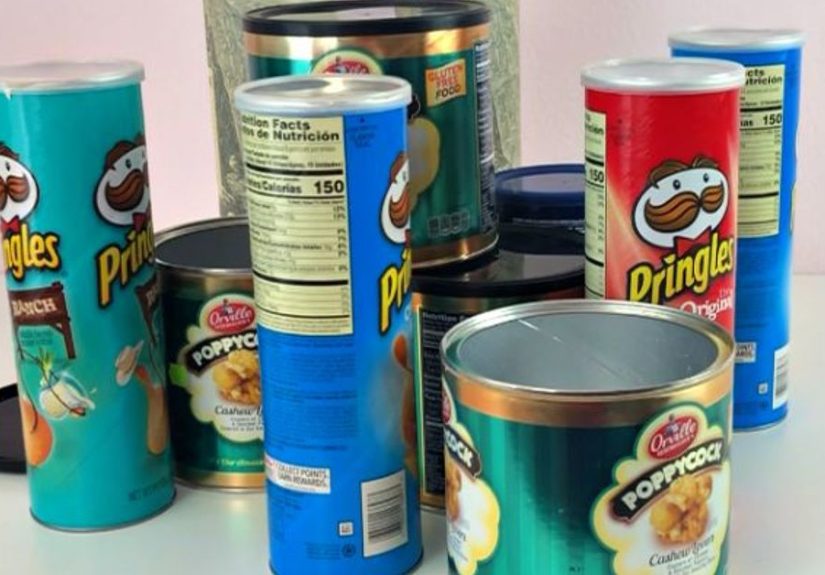
- Empty jars (pasta sauce, salsa), small trays, old plastic food containers
- Binder clips, rubber bands, zip-top bags
- Painter’s tape or masking tape
- Paper + scissors (yes, this counts as engineering)
Optional upgrades (cheap but mighty)
- Clear bins or stackable containers
- Adhesive labels or a simple label maker
- Foam board for sturdier dividers
- Contact paper for “I meant to do that” aesthetics
Step-by-Step: The DIY Container Project
Step 1: Pick One “Problem Zone” (Keep It Small)
Choose a single area that annoys you daily: the snack shelf, the bathroom cabinet, the entryway pile, the desk drawer, or under the kitchen sink. Smaller wins build momentum. A timer-based approach helps, too25 minutes is long enough to make progress and short enough to avoid burnout.
Step 2: Empty, Sort, and Make Three Piles
Pull everything out. Yes, everything. Then sort into:
- Keep (you use it, need it, or genuinely love it)
- Donate/Sell (still useful, just not to you)
- Recycle/Trash (broken, expired, duplicated beyond reason)
This matters because you can’t “organize” items you don’t actually want. You’re just relocating stress from one shelf to another.
Step 3: Create Categories (Group Like With Like)
Before you touch a container, group your Keep pile into categories that make sense for your life. Don’t aim for perfectionaim for retrieval. Ask: “If I needed this in 10 seconds, where would I look?”
Example categories:
- Pantry: breakfast, snacks, baking, dinner helpers, backstock
- Bathroom: dental, hair, skincare, first aid, cleaning
- Garage: fasteners, electrical, painting, seasonal, auto
Step 4: Measure the Space (So Your Bins Don’t Become Décor)
This is the step that prevents “I bought cute bins and now none of them fit” heartbreak. Measure the inside of drawers, shelves, and cabinets (width, depth, and height). If you’re using stackable containers, remember that lids add height. If you want to pull bins out easily, leave a little wiggle room.
Quick measuring trick: write your measurements on painter’s tape and stick it inside the cabinet. Instant reference, zero detective work later.
Step 5: Choose Container Types Based on How You Use the Stuff
Container choice is strategy, not vibes:
- Clear containers help when you need visibility (pantry staples, craft supplies, backup toiletries).
- Opaque containers help when you want calm and visual simplicity (cords, paperwork, seasonal décor).
- Plastic bins work well in areas with moisture, mess, or frequent handling (kids’ toys, garage items, cleaning supplies).
- Glass jars are great for dry goods and small itemsespecially when you want to see quantity at a glance.
Pantry tip: for dry goods, look for containers that are easy to open, easy to clean, and stack neatly. Airtight options can help keep foods fresher and reduce pest problems.
Step 6: Build DIY Drawer Dividers (The “Tiny Items” Fix)
If you do one DIY step, make it this one. Drawer dividers instantly stop small items from migrating and forming their own little nations.
Simple divider method (cardboard version):
- Measure the drawer’s interior width, depth, and height.
- Cut two long cardboard strips to match the drawer’s depth, and two to match the width (height should be slightly shorter than the drawer height).
- Plan a grid layout based on what you’re storing (bigger sections for bulky items, smaller sections for tiny items).
- Cut halfway-down slits where pieces intersect, then slide them together.
- Optional: wrap the dividers in contact paper for durability and easy wipe-down.
Where this shines: junk drawers, makeup, tools, office supplies, hair accessories, kids’ art supplies.
Step 7: Set Up Zones and Put Things Back in “Use Order”
Now you’re ready to contain each category and assign it a home (a zone). Place items by frequency:
- Daily items at eye level or front-and-center
- Weekly items nearby but not prime real estate
- Occasional items up high, down low, or farther back
This is how you avoid the classic mistake of storing the stuff you use every day behind the waffle iron you use twice a year.
Step 8: Label Like a Normal Person (Not Like a Museum Curator)
Labels aren’t just for pretty pantriesthey’re behavior change. A label tells your brain (and your household) where things go, which makes tidying faster and prevents the “where do I put this?” shrug that creates piles.
Label rules that actually work:
- Use category labels (e.g., “Baking,” “First Aid,” “Batteries”) instead of ultra-specific inventories.
- Place labels consistently (front center, same height) so they’re easy to scan.
- Make labels readablebig enough to see in low light.
- For kids, add picture labels (a toy car image for “Cars,” a LEGO image for “Blocks”).
Step 9: Clean and Refresh Containers (Especially if Reusing)
If you’re repurposing containersespecially for kitchens, bathrooms, or cleaning supplieswash them first. A safe general approach is to clean with soap and water, then follow product directions if you disinfect. If using disinfectants like diluted bleach solutions, follow the label instructions carefully and use appropriate ventilation.
Real-World Examples: Where This DIY Container Project Works Best
1) Pantry “Snack Zone” (The Household Peace Treaty)
Goal: stop snack avalanches and reduce duplicate buying.
- Use open bins for grab-and-go snacks (“Chips,” “Bars,” “Fruit Snacks”).
- Create a “Backstock” bin for extras so they don’t crowd the daily zone.
- For baking staples (flour, sugar, oats), use clear containers so you can see when you’re running low.
Why it works: zones reduce decision fatigue, and visibility reduces “We have three ketchups?” situations.
2) Bathroom Cabinet (Small Space, Big Results)
Goal: stop the “product pileup” and make mornings easier.
- Use small bins for categories: “Dental,” “Hair,” “Skin,” “First Aid.”
- Add a divided container for tiny items like cotton swabs, hair ties, and travel minis.
- Keep one “Open Now” bin for daily-use items and store backups separately.
Why it works: categories prevent the “everything everywhere” effect, and separating backups stops overbuying.
3) Entryway Drop Zone (The Anti-Pile System)
Goal: prevent backpacks, keys, and mail from forming a new continent on your counter.
- One tray or small bin for keys + sunglasses.
- One vertical file or bin for mail (“To Pay,” “To File,” “To Recycle”).
- One basket for shoes (or shoe pairs become solo artists).
4) Garage/Utility (Where Bins Earn Their Paycheck)
Goal: protect items from dust and make tools easier to find.
- Use plastic bins for hardware, seasonal décor, car care, and outdoor gear.
- Label by project type (“Painting,” “Plumbing,” “Electrical”) not by item (“Blue Tape,” “Screws”).
- Stack vertically when possible, keeping heavy bins at waist height or lower.
5) Desk + Tech Drawer (Cord Chaos, Solved)
Goal: end cable spaghetti and “where’s the charger?” drama.
- Use divided sections for chargers, batteries, adapters, and earphones.
- Store cords in labeled zip-top bags inside a bin (“USB-C,” “Lightning,” “HDMI”).
- Create a “Return to Room” mini-bin for items that belong elsewhere.
Common Mistakes (And the Fixes That Save You)
Mistake 1: Buying containers before decluttering
Fix: purge first, then measure, then contain. Otherwise you’re just buying expensive clutter costumes.
Mistake 2: Over-categorizing
Fix: keep categories broad enough to maintain. “Baking” is easier than “Baking: sprinkles, extracts, leaveners, tiny cupcake liners.” (Unless that brings you joythen sprinkle on.)
Mistake 3: Labels that are too small or too fancy
Fix: readable beats aesthetic. Make labels scannable from a standing position.
Mistake 4: Ignoring vertical space
Fix: stack safely, add risers/shelves where appropriate, and store least-used items higher.
Maintenance: How to Keep It Organized Without Becoming a Full-Time Organizer
Organization should reduce work, not create a new hobby called “Reorganizing.” Try these low-effort habits:
- The 60-second reset: once a day, put five items back in their zones.
- The 8-minute tidy: set a short timer and do a fast surface sweep.
- Seasonal audit: once a season, toss expired items and re-label categories if your life changed.
And here’s the best rule: if it’s hard to put away, it won’t stay organized. Adjust the system until “put away” feels almost automatic.
Wrap-Up: Your Home Doesn’t Need PerfectIt Needs “Findable”
This DIY container project works because it’s built around behavior: declutter first, group by category, measure the space, choose the right container types, create zones, and label for real-life use. Do that, and you’ll spend less time hunting for stuff and more time doing literally anything elseincluding relaxing in a space that finally feels like it’s on your side.
Real-Life Experiences You’ll Recognize (And How the Container Project Helps)
Let’s talk about what this looks like in real homesbecause the internet loves a pristine “after” photo, but your real victory is the Tuesday afternoon when you find what you need in under ten seconds.
Experience #1: The “I swear we just bought this” moment. You’re standing in front of the pantry holding a grocery list like it’s a court document. Do you have rice? Maybe. Is it behind the cereal? Possibly. Is there a half-open bag somewhere? Almost definitely. When you move dry goods into clear containersor even just into a labeled binyour brain stops guessing. You can see quantity, you can see categories, and you’re far less likely to buy duplicates. The result isn’t just organization; it’s fewer frustrating trips and less wasted food.
Experience #2: The junk drawer that multiplies overnight. You clean it out, you feel proud, and then three days later it looks like a tiny tornado took up residence. That’s usually because the drawer is missing boundaries. A divider grid gives every small item a “parking spot.” Scissors aren’t wrestling rubber bands anymore, and batteries aren’t rolling into a paperclip convention. The best part? Cardboard dividers are forgiving. If you realize the “tape” section needs to be wider, you adjust it. No guilt, no re-buying, no drama.
Experience #3: The “no one else in this house knows where anything goes” problem. You may be the household’s unofficial inventory manager. Other people genuinely want to help… but they don’t know the rules, so they create piles “for later.” Labels solve this in a weirdly magical way. A label turns a private system into a public one. When a bin says “First Aid,” it’s obvious where bandages go, and it’s obvious where to look when someone needs them. Bonus: labels also help you put items away faster because you don’t have to decide where they belong each time.
Experience #4: The cleaning-supply avalanche under the sink. That cabinet is basically a dark cave of bottles that fall over when you breathe near them. A simple caddy-style bin fixes the “topple factor.” You can slide the whole category out, grab what you need, and slide it back. If you add a second bin for backstock (sponges, extra trash bags), you stop cramming everything into one unstable tower. The cabinet becomes functional, not frightening.
Experience #5: The kid-room cleanup that feels like negotiating peace treaties. Kids can help, but only if the system matches their skills. Big bins with picture labels are a game-changer. You’re not asking them to sort 14 micro-categoriesyou’re asking them to put “Cars” in the car bin. That’s doable. It also reduces the number of tiny piles that turn into overwhelm. You’ll still find a dinosaur in the block bin sometimes, but honestly, dinosaurs have always been rebellious.
Experience #6: The “I tried organizing and it didn’t stick” discouragement. If you’ve tried before and it slid back into chaos, it doesn’t mean you “failed.” It usually means the system required too many steps or didn’t match how you naturally move through the space. The DIY container project is meant to be adjustable. If a zone keeps overflowing, you either need a bigger container, fewer items in that category, or a better location. When you treat organization like an experiment instead of a final exam, you keep improving without feeling defeated.
That’s the real win: you’re not aiming for a showroom. You’re building a home where your stuff is easy to find, easy to put away, and no longer running the place like an unpaid manager.





 Close
Close