
Table of Contents >> Show >> Hide
- Before the Hacks: What Irish Spring Soap Can and Cannot Really Do
- 1. Create a Porch-Planter Scent Shield
- 2. Build a Soap Perimeter Around Foundation Beds
- 3. Guard New Shrubs and Fresh Landscaping
- 4. Use Mesh Bags Instead of Soap Confetti
- 5. Protect Small Trouble Zones, Not the Whole Yard
- 6. Refresh Often and Rotate Placement
- 7. Pair Soap Outdoors With Real Pest-Proofing Indoors
- Common Mistakes That Make Irish Spring Soap Fail
- How to Use This Hack Sensibly
- Real-World Experiences With Irish Spring Soap for Pest Control
- Conclusion
There are two kinds of people in this world: people who buy Irish Spring because they like the smell, and people who buy it because somebody’s aunt swears it can keep every pest in the county at bay. The internet has turned that bright green bar into a full-blown DIY legend. But does it actually work? The honest answer is a lot less dramatic than the folkloreand a lot more helpful.
Irish Spring soap is not a magic force field. It is not a one-bar solution for mice in the pantry, roaches behind the fridge, ants on the counter, or mosquitoes treating your backyard like an all-you-can-bite buffet. What it may do, however, is act as a temporary scent deterrent for certain outdoor browsing pests in small areas around the home, especially deer and, in some cases, rabbits.
So this guide skips the nonsense and focuses on seven practical Irish Spring soap hacks that make sense in real life. You will learn where this trick may help, where it usually fails, and how to pair it with smarter pest-control basics so your home and yard are better protected without smelling like you dropped a soap aisle on the lawn.
Before the Hacks: What Irish Spring Soap Can and Cannot Really Do
What it may help with
Fragrant bar soap is best used as an odor-based deterrent in small outdoor trouble spots. If deer keep nibbling hostas near the porch or rabbits are clipping tender growth around a flower bed, strong-smelling soap may make the area less appealing for a while. That is the sweet spot for this trick: outdoor browsing pressure, limited space, and plants you want to protect without immediately building a fence around the zip code.
What it usually does not help with
If you are fighting indoor pests, Irish Spring is not the hero of this movie. Mice and rats respond far better to sealed entry points, reduced food sources, and trapping. Roaches and ants need sanitation, exclusion, and targeted control. Mosquitoes require standing-water reduction and EPA-registered repellents. In other words, the soap might be a decent supporting actor outdoors, but it should not be cast as the lead in your indoor pest-control strategy.
One important soap warning
A regular bath bar like Irish Spring is not the same thing as insecticidal soap used in the garden. Insecticidal soap is a labeled product designed for plant pests such as aphids, whiteflies, and mites. Your shower soap is for people. Your aphids did not ask for a spa day.
1. Create a Porch-Planter Scent Shield
If deer keep nosing around your front porch planters like they were invited to brunch, this is the easiest hack to try. Cut a bar of Irish Spring into chunks and place the pieces in small mesh bags. Hang or tie those bags near the containers rather than dropping the soap directly into the potting soil.
The goal is not to season the dirt. The goal is to create a noticeable scent zone around tender plants that tend to get sampled first, such as pansies, petunias, tulips, hostas, and other deer favorites. This works best in tight, defined spaces where the scent stays close to the plants you care about most.
Why it helps: porch planters are compact, exposed, and easy to target.
Best for: containers by the front door, patio, or deck.
Watch out for: rain, fading scent, and expecting miracles.
2. Build a Soap Perimeter Around Foundation Beds
Foundation beds are prime snacking territory. They are sheltered, close to the house, often full of ornamental plants, and usually planted with enough care to make browsing damage feel personal. One of the most effective ways to use Irish Spring soap is to create a loose perimeter around these beds.
Keep the bars whole or poke a hole through each one and hang them from short stakes, branches, or fence wire around the outside edge of the bed. Some gardeners prefer to keep the wrapper on for slower weathering. Others use mesh bags for a tidier look. Either way, the idea is the same: surround the bed with scent, not with chaos.
This method is especially handy for hostas, daylilies, hydrangeas, and young shrubs planted near walkways or entry points. If the browsing pressure is light, the scent may be enough to encourage pests to wander elsewhere for dinner.
3. Guard New Shrubs and Fresh Landscaping
New landscaping is the appetizer platter of the plant world. Fresh shrubs, newly planted ornamental trees, and tender evergreen starts are soft, visible, and easy for deer or rabbits to damage fast. That makes them one of the better candidates for soap-based deterrence.
Hang a bar or mesh pouch close to the outer branches of a vulnerable shrub. For young ornamentals near the house, this can offer low-cost backup during the period when plants are still establishing themselves. A little browsing on an old shrub is annoying. A lot of browsing on a new shrub can wreck its shape before it even gets going.
This hack is most useful when the damage is occasional rather than relentless. If wildlife pressure is heavy, soap alone usually will not cut it. Think of it as a bodyguard, not a fortress.
4. Use Mesh Bags Instead of Soap Confetti
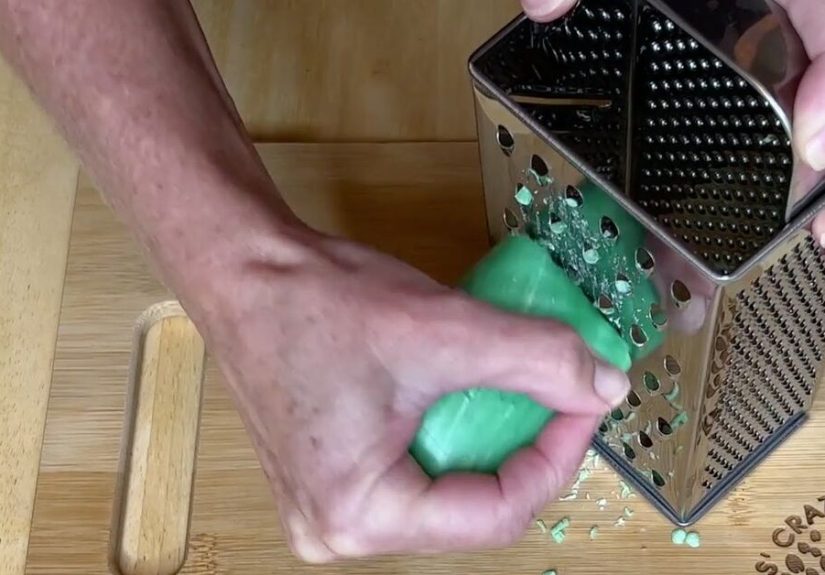
This may be the least glamorous hack in the article, but it might save the most frustration. A lot of DIY advice recommends shaving or scattering soap all over the yard. That sounds wonderfully rustic until rain turns the whole area into a weird, slimy craft project.
Mesh bags are cleaner, easier to move, easier to replace, and less likely to leave residue near steps, pavers, porches, or raised beds. They also make it simpler to target scent exactly where you want it. Instead of covering an entire bed in soap crumbs, you can place a few sachets around the perimeter and refresh them when the smell weakens.
In other words, use Irish Spring like a smart homeowner, not like you lost a fight with a cheese grater.
5. Protect Small Trouble Zones, Not the Whole Yard
Here is one of the biggest reasons Irish Spring “works” for some people and totally flops for others: they are using it at different scales. Odor repellents generally perform better in small, targeted areas than across a giant yard where wildlife can simply walk around the smell and continue their nonsense.
So protect the spots that matter most. Think one mailbox bed, one cluster of hostas, one row of container herbs, one set of shrubs near the garage, or one small side-yard border that keeps getting browsed. A limited zone gives the scent a better chance to matter.
If you are trying to defend your entire landscape with a handful of soap bars, the deer are probably not worried. They are likely just confused by your dedication.
6. Refresh Often and Rotate Placement
Fresh soap smells strong. Old soap smells like a faded memory of ambition. Weather, time, and animal adaptation all reduce the usefulness of this hack. That means if you want to try Irish Spring as a deterrent, you need a maintenance plan.
Replace bars after heavy rain. Swap in fresh sachets when the scent fades. Move them slightly if browsing shifts from one plant group to another. Animals can get used to repeated odors, especially when food is scarce. So if you notice damage returning, do not just keep adding more bars until the yard smells like a locker room with great branding. Rotate, reassess, and upgrade your strategy when needed.
This is why Irish Spring works best as a short-term or seasonal tool. It is helpful when pressure is light, damage is localized, and you are willing to keep up with it. It is not a “set it and forget it” miracle.
7. Pair Soap Outdoors With Real Pest-Proofing Indoors
This is the hack that actually brings you closest to a pest-free home: use Irish Spring where it may help outdoors, and use integrated pest management where it matters most indoors. That means letting the soap guard your favorite plants while the house gets a serious, grown-up pest plan.
Seal gaps around doors, windows, pipes, vents, and utility lines. Install or repair door sweeps. Store dry goods in sealed containers. Clean crumbs, spills, and grease before pests turn your kitchen into a buffet line. Fix leaks. Reduce standing water. Trim vegetation away from the foundation. Use traps when pests appear. If mosquitoes are the issue, reach for EPA-registered repellents instead of fragrance-based folklore.
This combination is where the real value lives. The soap handles a small outdoor role. The real pest-proofing does the heavy lifting.
Common Mistakes That Make Irish Spring Soap Fail
- Using it for indoor mice or rats: strong scent is not a reliable rodent-control plan.
- Expecting it to repel all insects: ants, roaches, spiders, and mosquitoes need different solutions.
- Covering too large an area: small zones work better than whole-property experiments.
- Leaving old soap out forever: weather and time weaken the scent.
- Skipping fencing or barriers: when pressure is heavy, physical exclusion wins.
- Confusing bath soap with insecticidal soap: these are not interchangeable.
How to Use This Hack Sensibly
Keep it simple. Place soap near the plants being targeted, not all over the yard. Use mesh bags or wrapped bars to keep things tidy. Focus on high-value plants near the home. Refresh the scent regularly. And if you are dealing with a serious wildlife problem or a true indoor infestation, do not waste two weeks hoping a bar of soap will turn into a certified pest professional.
The smartest use of Irish Spring is practical, temporary, and realistic. No overpromises. No internet mythology. Just a cheap little trick that may help in the right outdoor spots while you rely on proven methods for everything else.
Real-World Experiences With Irish Spring Soap for Pest Control
One of the most interesting things about Irish Spring soap hacks is how predictable the success stories are. The people who report the best results usually are not trying to solve every pest problem on earth. They are trying to protect a very specific spot: a front porch planter, a bed of hostas, a young shrub by the mailbox, or a few ornamentals near the back patio. In those situations, a strong-smelling bar sometimes seems to buy them enough breathing room to prevent repeated browsing.
Another pattern shows up just as often. Homeowners toss a few bars into the garage, basement, camper, attic, or shed because they heard Irish Spring “keeps mice away.” Then they discover the mice did not get that memo. The same happens with people hoping soap will solve ants, roaches, or mosquitoes. They end up frustrated, not because the soap is totally useless, but because they gave it a job it was never especially good at doing.
There are also plenty of stories about partial success. A homeowner notices that deer leave one flower bed alone for a couple of weeks after fresh soap goes up. Then a stretch of rain rolls through, the scent fades, and the nibbling starts again. That kind of experience actually makes sense. Odor-based deterrents are temporary, and weather matters. So does pest pressure. If food is scarce and the plant is tasty enough, animals become much more willing to ignore a weird smell and keep chewing.
The most practical homeowners tend to land in the middle. They do not worship the soap, and they do not laugh it off either. They use mesh bags to keep the application neat. They protect the plants that matter most instead of trying to fragrance the entire county. They refresh bars regularly. And when browsing or pest pressure gets more serious, they move on to stronger solutions like fencing, exclusion, habitat cleanup, and traps.
That same pattern shows up indoors too. The people who get the best results do not rely on soap bars to “repel” household pests. They seal cracks, repair door sweeps, store food in tight containers, clean up spills, reduce clutter, and fix leaks. In other words, they stop making life so comfortable for pests. That is the difference between a clever trick and a durable strategy.
So if you are curious about Irish Spring soap hacks, the most realistic expectation is this: it may help as a low-cost, low-drama outdoor deterrent in small areas around the home, especially against browsing pressure. It is not a magic force field. It is not a stand-in for integrated pest management. And it definitely is not a one-bar answer to every furry or creepy-crawly freeloader in your life. Used wisely, it can be useful. Used like folklore in bar form, it mostly just makes the yard smell aggressively clean.
Conclusion
Irish Spring soap deserves its reputationbut only in moderation. Around small outdoor spaces, it may help discourage deer and other browsing pests from treating your favorite plants like a snack tray. Inside the house, though, the old boring basics still win: seal entry points, remove food and water sources, reduce clutter, inspect often, and use the right tools for the right pests. Let the soap handle the cameo role. Let smart pest management take the lead. That is how you build a home that feels cleaner, calmer, and a lot less welcoming to uninvited guests.






 Close
Close