
Table of Contents >> Show >> Hide
- What Is Chronic Lymphocytic Leukemia?
- Why CLL Symptoms Can Be Easy to Miss
- Common Symptoms of Chronic Lymphocytic Leukemia
- Symptoms That May Show Up Later or Signal More Advanced Disease
- What Symptoms of Chronic Lymphocytic Leukemia Feel Like in Real Life
- What Symptoms Do Not Automatically Mean CLL?
- When to Talk to a Doctor
- How Doctors Think About Symptoms in CLL
- Experiences Related to Symptoms of Chronic Lymphocytic Leukemia
- Final Thoughts
Note: The experience section near the end is a composite, educational illustration based on common symptom patterns and patient concerns. It is not a personal testimonial or a diagnosis.
Chronic lymphocytic leukemia, or CLL, is one of those conditions with a talent for sneaking into the room quietly, sitting down, and pretending it isn’t there. Many people learn they have it after a routine blood test, not because their body rang a giant alarm bell. That slow, sneaky behavior is part of what makes the symptoms of chronic lymphocytic leukemia so tricky. They can be mild, vague, or easy to blame on stress, aging, poor sleep, a busy week, or that third cup of coffee that somehow still didn’t help.
Still, CLL symptoms matter. They can offer clues about how the disease is affecting the blood, bone marrow, lymph nodes, spleen, and immune system. They can also help explain why some people feel completely fine for a long time, while others begin noticing changes that are hard to ignore. In this guide, we’ll walk through the most common CLL symptoms, why they happen, what they may feel like in real life, and when those signs deserve medical attention.
What Is Chronic Lymphocytic Leukemia?
CLL is a cancer of the blood and bone marrow that starts in a type of white blood cell called a lymphocyte. These abnormal lymphocytes build up slowly over time. Because the disease often progresses gradually, many people have no symptoms at first. In fact, “no symptoms” is practically part of the CLL introduction package.
As leukemia cells increase, they can crowd out healthy blood-forming cells in the bone marrow and collect in places like the lymph nodes, liver, and spleen. That’s when symptoms of chronic lymphocytic leukemia may begin to show up more clearly. Some symptoms come from the cancer cells themselves. Others happen because the body starts running short on normal red blood cells, platelets, or infection-fighting immune cells.
Why CLL Symptoms Can Be Easy to Miss
One reason CLL can fly under the radar is that its symptoms are not always dramatic. Fatigue can sound like “I just need a weekend.” Night sweats can be blamed on a warm room. Swollen lymph nodes may not hurt. Mild anemia may show up as reduced stamina rather than a flashing neon sign.
That is why the early symptoms of chronic lymphocytic leukemia are often mistaken for ordinary life. The disease can also be discovered before symptoms appear at all, which is common. So if you are searching for a neat, movie-style symptom reveal, CLL usually says, “Absolutely not. Let’s do something much subtler.”
Common Symptoms of Chronic Lymphocytic Leukemia
1. Fatigue That Doesn’t Feel Normal
Fatigue is one of the most common CLL symptoms. This is not always the ordinary kind of tiredness that improves after sleep or a lazy Sunday. People often describe it as feeling drained, sluggish, weak, or unable to keep up with their usual pace.
There are a few reasons this happens. CLL can interfere with normal blood cell production, leading to anemia, which means fewer red blood cells are available to carry oxygen around the body. It can also place a constant burden on the immune system, which is a very unfun way for the body to spend its energy budget.
In daily life, fatigue may look like needing extra naps, losing stamina during exercise, feeling wiped out after routine chores, or struggling to focus through the workday. If “walking up stairs” suddenly feels like a personal betrayal, it may be worth bringing up with a doctor.
2. Swollen Lymph Nodes
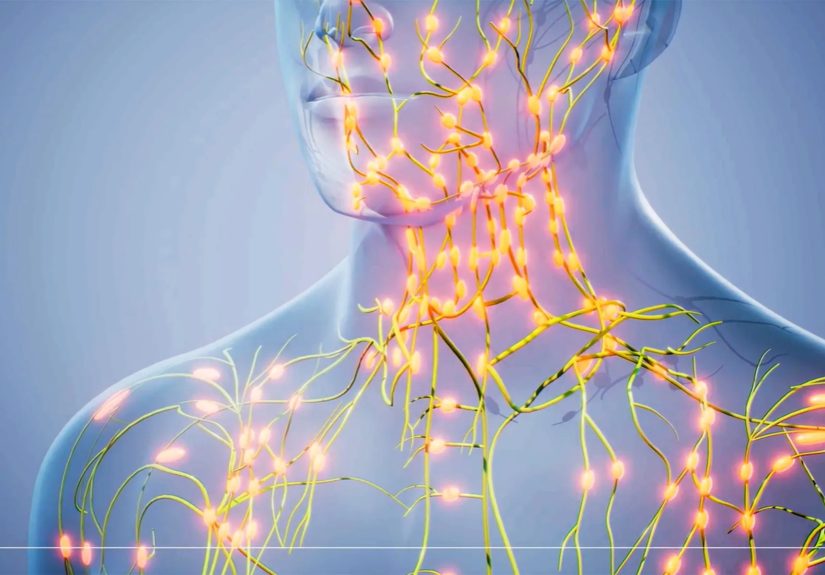
Swollen lymph nodes are another classic symptom of chronic lymphocytic leukemia. These may appear as painless lumps in the neck, underarms, or groin. Because they often do not hurt, people may notice them only by accident while showering, shaving, or wondering why a collar suddenly feels weird.
Lymph nodes swell in CLL because leukemia cells can collect inside them. While swollen nodes can happen for many reasons, including infections, CLL-related enlargement may linger or gradually increase over time. Internal lymph nodes in the chest or abdomen can enlarge too, though those are not usually something a person can feel directly.
3. Frequent Infections
Even though CLL involves white blood cells, those cells do not work the way healthy immune cells should. That means the body can become more vulnerable to infections. Some people notice recurring sinus infections, respiratory infections, skin infections, or illnesses that seem to hang around longer than usual.
This symptom can be especially frustrating because it feels unfair. You have more lymphocytes, yet your immune system still acts like it forgot the assignment. Repeated infections can be one of the earliest clues that CLL is affecting immune function in a meaningful way.
4. Fever Without a Clear Cause
Low-grade or persistent fevers can be part of CLL symptoms, especially when they happen without an obvious infection. Fever may reflect immune system activity, the disease itself, or an infection that becomes more likely because of immune dysfunction.
If a fever keeps returning or lasts longer than expected, it deserves medical attention. Fever is one of those symptoms that should not just be filed away under “probably nothing” when blood cancer is part of the conversation.
5. Drenching Night Sweats
Night sweats linked to CLL are not the same as waking up a little warm. They can be heavy enough to soak sleepwear or bedding. These are sometimes grouped with fever and weight loss as so-called “B symptoms,” a term that sounds a bit too casual for something that can seriously affect quality of life.
Night sweats may come and go, but when they are persistent and unexplained, they can be an important sign that the disease is more active.
6. Unintentional Weight Loss
Weight loss without trying is another potential symptom of chronic lymphocytic leukemia. This is not the “I skipped dessert twice and now my jeans fit better” kind. It is weight loss that happens without a meaningful change in diet or exercise.
Some people lose weight because the disease increases the body’s overall energy demands. Others eat less because they feel full quickly, especially if the spleen is enlarged. Either way, unexplained weight loss should always be taken seriously.
7. Fullness or Discomfort in the Upper Abdomen
CLL can cause the spleen and sometimes the liver to enlarge. When that happens, a person may feel pressure, discomfort, or fullness under the ribs, usually on the left side. They may also feel full sooner while eating, even after a small meal.
This symptom can be easy to misread as indigestion, bloating, or just a heavy lunch. But persistent abdominal fullness, especially when paired with other CLL signs, may point to an enlarged spleen.
8. Easy Bruising or Bleeding
When CLL affects platelet production, bruising and bleeding can become more common. Someone may notice bruises that appear too easily, nosebleeds, bleeding gums, or tiny red or purple spots on the skin called petechiae.
Platelets help blood clot normally, so when platelet counts drop, the body’s ability to stop bleeding becomes less reliable. This is one symptom people often notice visually, and it can be one of the more alarming ones.
9. Shortness of Breath, Weakness, or Pale Skin
These symptoms often tie back to anemia. If CLL reduces the number of healthy red blood cells, oxygen delivery can suffer. That can leave a person short of breath with exertion, physically weak, dizzy, or noticeably pale.
Again, this is where CLL symptoms can be sneaky. People may think they are out of shape, run-down, or still recovering from a virus. Sometimes the body is sending a more important message.
Symptoms That May Show Up Later or Signal More Advanced Disease
As CLL progresses, symptoms may become more obvious or more disruptive. Enlarged lymph nodes may become more pronounced. Fatigue may deepen. Infections may happen more often. Anemia and low platelets may create a bigger impact on daily life. Weight loss, fever, and night sweats may also become more persistent.
This does not mean every person with CLL will follow the same path. The disease can vary widely. Some people remain stable for years with few or no symptoms, while others develop problems that require treatment sooner.
What Symptoms of Chronic Lymphocytic Leukemia Feel Like in Real Life
Medical lists are useful, but real life is messier. Symptoms do not arrive wearing name tags. Fatigue might feel like you cannot get through errands without sitting down. Swollen lymph nodes might seem like harmless lumps that do not hurt. Night sweats might lead to changing shirts at 3 a.m. and then trying to convince yourself it is no big deal.
Many people with CLL symptoms describe a slow shift rather than a dramatic crash. They may feel “off” for months before understanding why. That is one reason it helps to look at the overall pattern rather than one isolated sign.
What Symptoms Do Not Automatically Mean CLL?
Here is the important reality check: fatigue, bruising, fever, swollen glands, and weight loss can happen with many conditions besides chronic lymphocytic leukemia. Viral illnesses, autoimmune disorders, iron deficiency, medication effects, and other cancers can cause similar problems.
That is why symptoms alone cannot diagnose CLL. Doctors use blood tests, physical exams, and specialized studies to determine what is actually going on. If you are worried about leukemia symptoms, the goal is not to self-diagnose at 2 a.m. with ten browser tabs open and rising panic. The goal is to get properly evaluated.
When to Talk to a Doctor
You should seek medical evaluation if you have persistent swollen lymph nodes, unexplained fatigue, recurrent infections, night sweats, fever without a clear reason, unusual bruising, bleeding, early fullness, or unintentional weight loss. These signs do not confirm CLL, but they are worth checking out, especially if they last or cluster together.
If you already have a diagnosis of CLL, report new or worsening symptoms promptly. Changes in energy, appetite, bleeding, infections, or lymph node size can all help guide the next steps in monitoring or treatment.
How Doctors Think About Symptoms in CLL
Symptoms are not just background noise in chronic lymphocytic leukemia. They help doctors understand whether the disease is quiet, causing complications, or becoming active enough to need treatment. In many cases, people with early CLL and no major symptoms are monitored closely instead of treated right away. This approach is often called watchful waiting or active surveillance.
That can sound strange at first. People hear the word “leukemia” and expect immediate action. But in CLL, treatment decisions often depend heavily on whether symptoms are present, whether blood counts are worsening, and whether organs like the spleen or lymph nodes are becoming significantly enlarged.
Experiences Related to Symptoms of Chronic Lymphocytic Leukemia
For many people, the experience of CLL symptoms starts with confusion rather than crisis. They may not feel dramatically ill. Instead, they feel a little more tired than usual, a little less energetic, a little more likely to cancel plans. They may notice that a small lump in the neck does not go away, or that they keep catching every cold that wanders through the office like it pays rent there.
One common emotional experience is uncertainty. Fatigue can be frustrating because it is invisible. From the outside, a person may look fine. From the inside, they may feel like their battery never charges past 40 percent. That gap between appearance and reality can make symptoms harder to explain to family, friends, or coworkers.
Night sweats bring their own weird brand of disruption. They do not just interrupt sleep. They can create anxiety, because waking up drenched in sweat naturally makes people wonder whether something serious is happening. Poor sleep then makes the next day harder, which can feed into the fatigue cycle. It becomes a domino effect: sweat, wake up, worry, lose sleep, feel awful, repeat.
Swollen lymph nodes can be emotionally unsettling too. Even when they are painless, they are concrete. You can touch them. You can feel them. That makes the illness feel more real. For some people, this is the symptom that pushes them to finally make an appointment instead of brushing everything off.
Frequent infections can change daily habits in subtle but meaningful ways. Some people become more cautious in crowded spaces. Others feel frustrated by how long it takes to recover from routine illnesses. A cough that would have been a minor inconvenience in the past can suddenly turn into a drawn-out ordeal that drains energy and confidence.
Abdominal fullness from an enlarged spleen can also affect quality of life more than people expect. Eating becomes less enjoyable when a few bites make you feel overly full. Social meals can become awkward. Weight loss may follow, not because someone is trying to slim down, but because their body and appetite are no longer cooperating.
Bruising and bleeding symptoms often create a different kind of concern: fear. Seeing unexplained bruises or tiny red spots on the skin can be alarming, especially when the person knows platelet problems may be involved. It is not just a cosmetic issue. It is a reminder that something deeper may be changing in the blood.
Perhaps the most important shared experience is that symptoms often build slowly. People may look back and realize the signs were there for months. At the time, each symptom seemed small. Together, they told a story. That is the strange genius of CLL symptoms: individually ordinary, collectively important.
For patients and families, understanding this symptom pattern can reduce fear and improve communication. It helps people describe what is happening more clearly, notice changes sooner, and know when to ask for help. And while symptoms of chronic lymphocytic leukemia can be physically and emotionally exhausting, recognizing them is also empowering. Knowledge does not erase uncertainty, but it does replace some of the mystery with direction.
Final Thoughts
The symptoms of chronic lymphocytic leukemia are often subtle at first, but they are not meaningless. Fatigue, swollen lymph nodes, frequent infections, fevers, night sweats, weight loss, abdominal fullness, and easy bruising can all reflect how CLL affects the blood, bone marrow, immune system, and organs.
The tricky part is that these symptoms are common in many other conditions too. That is why context matters, patterns matter, and proper medical evaluation matters. If symptoms persist or worsen, do not shrug them off forever. The body is not always dramatic, but it is often trying to say something.







 Close
Close