
Table of Contents >> Show >> Hide
- Outdoor Shoes Bring the Outside In
- It Can Make Allergies and Asthma More Annoying
- Shoes Can Carry Bacteria and Gross Residue
- Lead, Lawn Chemicals, and Urban Gunk Are Not Great Houseguests
- Your Floors Will Last Longer and Look Better
- Your Home Feels Cleaner Because It Actually Is
- Who Benefits Most From a No-Shoes Policy?
- What to Wear Instead
- How to Start a No-Shoes Rule Without Making It Weird
- But Is It Always Bad to Wear Shoes at Home?
- Conclusion
- Experiences People Often Notice After Going Shoe-Free
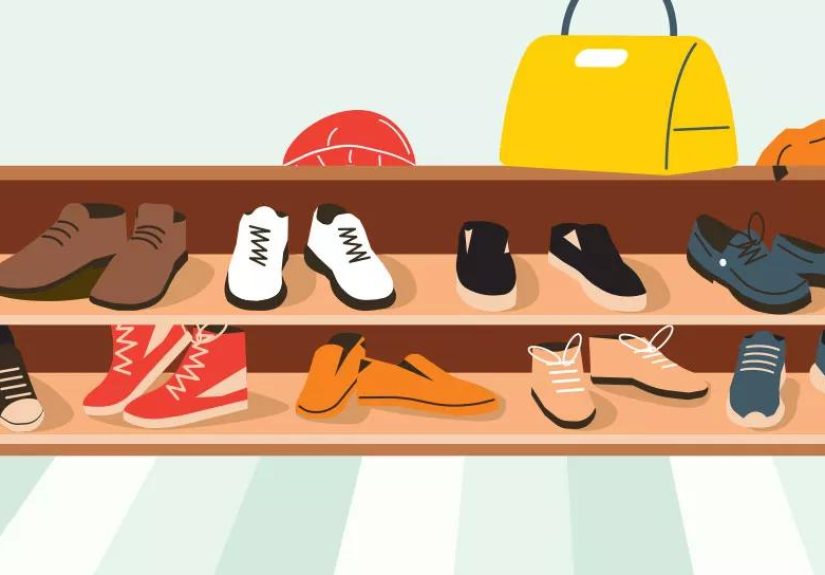
There are two kinds of households in this world: the “shoes off at the door” camp and the “my sneakers are basically family” camp. If you belong to the second group, this article is your gentle but firm intervention. Not the dramatic kind with folding chairs and a slideshow, but the practical kind that asks one simple question: why bring the outside world all the way into your living room when it can stay politely at the threshold?
The case against wearing shoes at home is not just about keeping floors pretty. It is about cleanliness, indoor air quality, allergens, grime, wear and tear, and the weird little reality that the soles of your shoes travel through parking lots, public restrooms, sidewalks, lawns, office hallways, and who-knows-what near the gas station ice machine. Then they stroll straight onto your kitchen floor like they pay rent.
If you want a healthier, cleaner, easier-to-maintain home, a no-shoes policy is one of the simplest upgrades you can make. It costs almost nothing, takes about five seconds to do, and saves you from inviting dirt, dust, bacteria, pollen, lawn chemicals, and outdoor residues into the place where you eat, lounge, stretch, and occasionally lie on the floor pretending to organize cables.
Outdoor Shoes Bring the Outside In
Let’s start with the obvious truth: shoes are floor tools. They are designed to touch the ground so your feet do not have to. That is wonderful outdoors. Indoors, it is less charming.
When you wear shoes in the house, you track in everything that sticks to the soles: dirt, dust, pollen, residue from roads and sidewalks, pet waste particles, old soil, and whatever mystery seasoning is living in public spaces. Even when shoes look clean, that only means the mess is not auditioning for a close-up. Fine particles do not need to be visible to be annoying.
This matters because household dust is not just “dust.” It is a mixed bag of particles that can include outdoor soil, pollen, skin flakes, pet dander, insect fragments, and other debris. Once that material gets indoors, it settles on floors, rugs, corners, baseboards, and soft surfaces. Then it gets stirred up again when people walk, vacuum badly, or flop onto the couch with all the grace of a falling backpack.
A shoe-free home helps reduce the amount of tracked-in mess before it becomes part of your indoor environment. In other words, the cleanest dirt is the dirt that never made it past your front door.
It Can Make Allergies and Asthma More Annoying
If you have allergies, asthma, or a household member whose nose reacts like it has a personal grudge against pollen, wearing shoes indoors is not doing anyone any favors.
Outdoor allergens such as pollen and mold spores hitch rides on shoes, clothing, and bags. Once inside, they settle into flooring, rugs, and dust. From there, they can circulate through the home, especially in high-traffic areas. If your goal is to create a calmer indoor environment, tracking allergens into the house is a strange way to show commitment.
Carpets make this even worse. Carpet is basically a polite-looking storage unit for particles. It can hold onto dust, allergens, and outdoor debris, then release some of it back into the air when disturbed. That does not mean carpet is evil. It just means carpet plus outdoor shoes is a combo that works very hard against your cleaning routine.
A no-shoes policy is not a miracle cure for allergies, of course. You still need regular cleaning, decent ventilation, and common-sense habits. But removing shoes at the door is one of those low-effort moves that supports everything else. It is like putting a lid on the container instead of complaining that the soup keeps spilling.
Shoes Can Carry Bacteria and Gross Residue
Now for the part that usually makes people stare at their sneakers with suspicion.
Shoes can pick up bacteria outdoors and transfer some of that contamination to indoor surfaces. That does not mean your foyer instantly becomes a biohazard every time someone forgets to take off their loafers. It does mean that floors can collect more than harmless dust when outdoor footwear comes inside.
Think about where shoes go in a normal week: sidewalks, store bathrooms, elevators, parking garages, office floors, playgrounds, transit platforms, damp entry mats, and patches of soil visited by birds, dogs, and everyone’s least favorite pigeon. None of those places are known for their spa-like purity.
For many healthy adults, this may sound more gross than catastrophic. Fair enough. But gross counts for something when the contamination is avoidable. And the concern rises in homes where babies crawl, toddlers play on the floor, children drop snacks and retrieve them with alarming confidence, or family members have weakened immune systems.
The question is not whether every outdoor shoe causes illness. The better question is this: why intentionally spread avoidable grime around the surfaces people touch most often? That is not relaxed living. That is just giving your mop job an unnecessary sequel.
Lead, Lawn Chemicals, and Urban Gunk Are Not Great Houseguests
One of the strongest reasons not to wear shoes at home is that some outdoor particles are more than just dirty. In certain environments, they may include harmful substances such as lead-contaminated soil, pesticide residues, or chemical particles from treated lawns and paved surfaces.
This is especially important in older neighborhoods, near busy roads, around older buildings, or anywhere soil contamination may be a concern. Lead dust and lead-contaminated soil are serious issues for children, and public health guidance often recommends removing shoes indoors to reduce the chance of bringing those particles into the home.
That recommendation makes perfect sense. Floors are where children crawl, sit, stack blocks, chase crackers, and stage epic stuffed-animal court trials. The less contaminated dust they are exposed to indoors, the better.
Even outside of lead concerns, plenty of people walk through fertilizer residue, weed treatments, oils, grime from asphalt, and the general funk of modern life. You may not notice those particles underfoot, but your floors eventually do. So do your socks. And no one has ever pulled off gray-bottomed socks and said, “Excellent. Exactly the clean indoor experience I was hoping for.”
Your Floors Will Last Longer and Look Better
Health reasons tend to get the headlines, but your floors also deserve a little sympathy. Outdoor shoes grind tiny particles into indoor flooring. Over time, that friction can dull surfaces, scratch finishes, flatten carpet fibers, and make the whole house feel harder to keep fresh.
Hardwood floors are especially dramatic about this. Grit acts like sandpaper. Tile is tougher, but grout still collects grime. Rugs absorb dirt like overachievers. Carpet traps residue and requires more frequent deep cleaning. The result is simple: the more outdoor material you bring in, the faster your surfaces show it.
A shoe-free policy helps reduce wear, lowers the cleaning burden, and keeps floors looking nicer longer. It is not glamorous advice, but neither is replacing flooring because everyone treated the hallway like a continuation of the parking lot.
Your Home Feels Cleaner Because It Actually Is
There is also a psychological benefit to not wearing shoes at home: rooms feel calmer and cleaner when they are not carrying the mood of the outside world.
Taking off your shoes creates a small but powerful boundary. Outside is errands, weather, noise, crowds, deadlines, and surprise puddles. Inside is comfort, rest, meals, and your right to sit down without wondering what just got walked across the rug. A shoe-free home often feels more intentional, more peaceful, and more “we live here” instead of “we just brought the sidewalk indoors.”
It also changes how people move through the space. They tread more lightly. They are less likely to stomp dirt across rooms. They tend to notice the home as a lived-in, cared-for environment instead of a place that can absorb endless mess without complaint.
Who Benefits Most From a No-Shoes Policy?
Honestly, almost everyone. But some households benefit even more:
Families with babies and toddlers
Little kids spend a lot of time close to the floor. They crawl, roll, touch everything, and test household hygiene with the scientific rigor of tiny raccoons. Cleaner floors matter more when the floor is basically part of the nursery.
People with allergies or asthma
Reducing tracked-in dust, pollen, and outdoor debris can support a cleaner indoor environment and may help lower exposure to triggers.
Homes with elderly family members or immunocompromised residents
When someone in the home is more vulnerable, cutting down on avoidable contamination is just smart housekeeping.
Anyone with carpet, rugs, or hardwood they actually like
If you have ever looked at a floor sample and called it an “investment,” then yes, this section is about you.
What to Wear Instead
A no-shoes home does not mean everyone must shuffle around like Victorian ghosts. There are easy alternatives.
- Wear socks if your floors are clean and comfortable.
- Use indoor-only slippers that never go outside.
- Keep supportive house shoes for people who need cushioning or arch support.
- Place a bench or small chair near the entrance so taking shoes off is convenient, not acrobatic.
Indoor-only footwear is the best compromise for people who need comfort without bringing the outdoors along for the ride. Think of it as having two passports: one for the street, one for the sanctuary.
How to Start a No-Shoes Rule Without Making It Weird
The easiest way to create a shoe-free home is to make the system obvious and friendly.
- Put a doormat outside and another just inside the door.
- Create a clean, designated shoe area near the entrance.
- Offer guest slippers or disposable shoe covers if appropriate.
- Use a simple sign or a cheerful reminder.
- Lead by example. If you are padding around in socks, guests get the hint.
You do not need to deliver a lecture about microbiology every time someone rings the bell. A warm “We’re a shoes-off home” is usually enough. Most people are used to this rule, and if they are not, they will survive the shocking inconvenience of unlacing their sneakers for thirty seconds.
But Is It Always Bad to Wear Shoes at Home?
Let’s be reasonable. This is not a courtroom drama where one flip-flop ends civilization. The risk depends on your environment, your cleaning habits, your flooring, and who lives in the home.
If someone walks in once to grab forgotten keys, the sky does not collapse. If you clean meticulously and rarely wear shoes past the entry area, the impact is smaller than in a house where muddy soles parade from room to room like they own stock in the vacuum industry.
Still, the overall logic holds up: less tracked-in dirt means a cleaner indoor space. Fewer outdoor particles on floors means fewer things to clean, fewer allergens to manage, and fewer unpleasant surprises on socks, rugs, and baby toys. When a habit is simple, free, and useful, it does not need to be perfect to be worth doing.
Conclusion
Not wearing shoes at home is one of those rare lifestyle changes that is both incredibly practical and mildly satisfying. It helps reduce tracked-in dirt, limits exposure to outdoor debris, supports better indoor cleanliness, protects flooring, and makes the home feel calmer. It is not about being obsessive. It is about being strategic.
You already lock the door to keep the outside world from barging in. Taking off your shoes is just the floor version of the same idea.
So the next time you step inside, pause at the threshold, slip off your shoes, and let your floors enjoy a day without hosting the entire neighborhood. Your home will look better, feel cleaner, and smell a little less like “mystery sidewalk.” That is a win for hygiene, comfort, and everyone who prefers their living room not to double as a tiny branch office of the parking lot.
Experiences People Often Notice After Going Shoe-Free
One of the most interesting things about a no-shoes policy is how quickly people notice the difference once they actually try it. At first, it can feel like a small household rule, almost too small to matter. Then a week passes, and people start saying things like, “Why does the floor still feel clean?” in the same tone normally reserved for magic tricks and suspiciously good leftovers.
A common experience is that the entryway becomes more organized. When shoes stay near the door, the whole home starts to develop a natural rhythm. Bags land in one place. Coats stop migrating to dining chairs. The entrance begins to function like a transition zone instead of a launch site for clutter. That tiny habit can make the whole house feel more under control, even for families who are not exactly famous for minimalist discipline.
Parents often notice the biggest emotional payoff. When babies and toddlers play on the floor, adults become strangely aware of every crumb, speck, and mystery particle. A shoe-free routine does not eliminate mess, because children remain committed to creating it, but it changes the type of mess. You are dealing more with indoor life and less with whatever blew in from the sidewalk. For a lot of families, that alone makes the house feel safer and more comfortable.
People with allergies also tend to describe a quieter kind of benefit. It is not always dramatic, like a movie montage where someone twirls into a pollen-free paradise. More often, it is subtle: less grit underfoot, less visible dust near the entry, fewer moments of wondering why the floor looks tired only a day after cleaning. That subtlety matters. Home comfort is often built from small improvements that stack up over time.
Another frequent experience is that cleaning gets easier, not because the house stops getting dirty, but because the dirt becomes less stubborn. Floors may need less intense scrubbing. Rugs may stay fresher between cleanings. Socks do not pick up that gray, gritty film as quickly. People who switch to indoor slippers often say their homes feel cozier too, as if the space has become more clearly separated from work, errands, and the outside rush.
Guests usually adapt faster than expected. Many homeowners worry that asking visitors to remove shoes will feel awkward or unfriendly. In reality, the moment tends to be brief and completely manageable. A simple bench, a mat, and a friendly tone do most of the work. Some guests even seem relieved. After a long day, taking off shoes can feel less like a rule and more like permission to exhale.
Perhaps the most telling experience is what happens when people go back to wearing shoes indoors after getting used to a shoe-free home. Suddenly every step feels louder, harsher, and vaguely rude. The habit that once seemed picky starts to feel perfectly sensible. Once you notice how much outdoor grime shoes can bring in, it becomes difficult to un-know it. The floor is no longer just a floor. It is part of the home you live on, sit on, clean, and share.
That is why many people stick with the rule once they start. It is simple, cheap, and surprisingly effective. No expensive gadget. No complicated routine. Just one small decision at the door that makes the whole home feel a little cleaner, calmer, and more cared for. Not bad for something that takes less effort than finding the TV remote.


 Close
Close