
Table of Contents >> Show >> Hide
- Introduction: Meet CFTR, the Tiny Gatekeeper With a Very Big Job
- What Is the CFTR Gene?
- How CFTR Mutations Cause Cystic Fibrosis
- Common Symptoms Linked to CFTR Dysfunction
- How CFTR-Related Disease Is Diagnosed
- CFTR Modulators: Treating the Protein, Not Just the Symptoms
- Beyond Modulators: Airway Clearance, Nutrition, and Daily Care
- CFTR Research: Where Science Is Heading
- Practical Examples: How CFTR Biology Shows Up in Real Life
- Living With CFTR-Related Conditions: Experience-Based Perspectives
- Conclusion: CFTR Is Small, But Its Impact Is Huge
Editor’s note: This article is for educational purposes only. It explains CFTR biology, cystic fibrosis, diagnosis, and treatment concepts in plain American English. Anyone with symptoms, a diagnosis, or medication questions should speak with a qualified healthcare professional or a cystic fibrosis care team.
Introduction: Meet CFTR, the Tiny Gatekeeper With a Very Big Job
The Cystic Fibrosis Transmembrane Conductance Regulator (CFTR) sounds like the name of a spaceship engine designed by a committee of scientists who had too much coffee. In reality, CFTR is a protein that works like a microscopic gate on the surface of certain cells. Its main job is to help move chloride, a component of salt, across cell membranes. Where chloride goes, water tends to follow. That simple movement helps keep mucus, sweat, saliva, digestive fluids, and airway surfaces properly hydrated.
When the CFTR protein works well, it quietly helps the lungs stay moist, the pancreas release digestive enzymes, and the body maintain a healthy salt-and-water balance. When CFTR does not work correctly because of mutations in the CFTR gene, secretions can become thick, sticky, and difficult to clear. That is the biological root of cystic fibrosis, a genetic disease that can affect the lungs, pancreas, intestines, liver, sinuses, sweat glands, and reproductive system.
Think of CFTR as the building superintendent of your body’s “moisture management department.” If the superintendent keeps the plumbing flowing, everything runs smoothly. If the superintendent loses the keys, mucus gets stubborn, airways clog, digestion struggles, and bacteria may find cozy places to throw unwanted parties.
What Is the CFTR Gene?
The CFTR gene provides instructions for making the CFTR protein. This gene is located on chromosome 7 and is especially important in epithelial cells, which line surfaces and tubes throughout the body. These include the airways, pancreatic ducts, intestines, bile ducts, sweat glands, and reproductive tract.
CFTR is classified as an ion channel. More specifically, it helps regulate the movement of chloride ions and influences the movement of sodium and water. This is why a single gene can affect so many organs. The lungs, pancreas, sweat glands, and intestines may seem like different neighborhoods, but CFTR is delivering the same basic service in each one: balanced fluid transport.
Why Chloride Movement Matters
Chloride is not just “salt trivia.” It helps control how much water sits on the surface of tissues. In the lungs, a thin layer of fluid allows tiny hair-like structures called cilia to sweep mucus and trapped germs out of the airways. When CFTR is faulty, the airway surface may become dehydrated. Mucus then turns thick and sticky, making it harder to cough out and easier for infections to settle in.
In the pancreas, thick secretions can block ducts that normally carry digestive enzymes into the small intestine. Without enough enzymes, the body may struggle to absorb fats, proteins, and fat-soluble vitamins. This can lead to poor growth, greasy stools, stomach discomfort, and nutritional challenges.
How CFTR Mutations Cause Cystic Fibrosis
Cystic fibrosis is usually inherited in an autosomal recessive pattern. That means a person typically must inherit two disease-causing CFTR variants, one from each parent, to develop classic cystic fibrosis. A person with only one CFTR mutation is usually called a carrier. Carriers often do not have CF, but they can pass the mutation to their children.
Not every CFTR mutation behaves the same way. Some mutations prevent the body from making enough CFTR protein. Others cause the protein to fold incorrectly, get stuck inside the cell, open poorly, conduct chloride weakly, or appear in too small an amount on the cell surface. This is why two people with cystic fibrosis can have different symptoms, different ages of diagnosis, and different treatment options.
The Five Major Classes of CFTR Mutations
CFTR mutations are often grouped into functional classes. These classes help researchers and clinicians understand what is going wrong with the protein.
- Class I: Protein production mutations. The cell makes little or no CFTR protein.
- Class II: Protein processing mutations. The protein is made but folds incorrectly and may not reach the cell surface. The well-known F508del mutation is in this category.
- Class III: Gating mutations. The protein reaches the cell surface but does not open properly.
- Class IV: Conduction mutations. The channel opens, but chloride does not move through it efficiently.
- Class V: Insufficient protein mutations. Some working CFTR is produced, but not enough for normal function.
This classification is more than academic housekeeping. It helps explain why CFTR modulator therapies may work well for some mutations but not others. In other words, the exact spelling mistake in the gene can influence the treatment strategy.
Common Symptoms Linked to CFTR Dysfunction
Because CFTR affects multiple organs, cystic fibrosis symptoms can be wide-ranging. Some people are diagnosed shortly after birth through newborn screening. Others, especially those with milder or atypical CFTR variants, may not be diagnosed until childhood, adolescence, or adulthood.
Respiratory Symptoms
The lungs are often the most heavily discussed part of cystic fibrosis, and for good reason. Thick mucus can trap bacteria and trigger repeated infections. Over time, inflammation and infection may damage the airways.
Respiratory symptoms may include chronic coughing, frequent lung infections, wheezing, shortness of breath, sinus congestion, nasal polyps, and reduced exercise tolerance. Some people experience bronchiectasis, a condition in which the airways become widened and scarred from long-term damage.
Digestive and Nutritional Symptoms
CFTR dysfunction can also affect the pancreas. When mucus blocks pancreatic ducts, digestive enzymes may not reach the intestines properly. This can cause poor weight gain, malabsorption, bulky or greasy stools, bloating, and vitamin deficiencies.
Many people with cystic fibrosis need pancreatic enzyme replacement therapy with meals and snacks. Nutrition is not a side quest in CF care; it is one of the main missions. A well-supported nutrition plan can help maintain weight, energy, immune function, and lung health.
Sweat, Salt, and the Classic Sweat Test Clue
One of the classic signs of cystic fibrosis is salty-tasting skin. In sweat glands, CFTR helps reabsorb chloride. When CFTR does not work properly, chloride and sodium remain in sweat at higher levels. That is why the sweat chloride test is a key diagnostic tool for cystic fibrosis.
How CFTR-Related Disease Is Diagnosed
In the United States, newborns are screened for cystic fibrosis soon after birth. Newborn screening does not always equal a final diagnosis, but it helps identify babies who need follow-up testing. A diagnosis is usually confirmed through sweat chloride testing, genetic testing, symptoms, family history, or other specialized tests of CFTR function.
Sweat Chloride Testing
The sweat test measures how much chloride is present in sweat. High sweat chloride levels can indicate cystic fibrosis. The test is noninvasive and is typically performed at specialized centers or experienced labs. For people with borderline results, repeat testing or expanded genetic analysis may be recommended.
Genetic Testing
Genetic testing looks for variants in the CFTR gene. Some panels test for common CFTR mutations, while broader sequencing can search the entire gene. This matters because more than one CFTR variant can contribute to CF or CFTR-related disorders, and rare variants may not appear on basic screening panels.
Why Diagnosis Can Be Complicated
CFTR biology is not always tidy. Some people have classic cystic fibrosis with clear symptoms and high sweat chloride. Others have intermediate sweat test values, milder symptoms, or disease affecting one main organ system. Conditions such as congenital bilateral absence of the vas deferens, recurrent pancreatitis, or chronic sinus and lung disease may be related to CFTR dysfunction without looking exactly like classic CF.
CFTR Modulators: Treating the Protein, Not Just the Symptoms
For decades, cystic fibrosis care focused mainly on managing symptoms: clearing mucus, treating infections, improving nutrition, and protecting lung function. Those treatments remain important. But CFTR modulators changed the conversation because they target the underlying protein problem in people with responsive mutations.
CFTR modulators are medications designed to improve the function of the defective CFTR protein. Different modulators do different jobs. Some help the protein fold and reach the cell surface. Others help the channel open better. Combination therapies may use more than one approach at the same time.
Types of CFTR Modulators
- Potentiators help CFTR channels open more effectively. Ivacaftor is a well-known example.
- Correctors help misfolded CFTR protein reach the cell surface. Lumacaftor, tezacaftor, and elexacaftor are examples.
- Combination therapies use multiple drugs to improve CFTR function from more than one angle.
These therapies are not suitable for every CFTR mutation. A person’s eligibility depends on their specific genetic variants, age, medical history, and approved medication labeling. This is why CF care increasingly looks like precision medicine: the treatment plan follows the biology.
Beyond Modulators: Airway Clearance, Nutrition, and Daily Care
Even when CFTR modulators are available, cystic fibrosis care usually remains a team sport. Pulmonologists, nurses, dietitians, respiratory therapists, pharmacists, social workers, psychologists, and genetic counselors may all be involved. It is less “one magic pill” and more “highly coordinated orchestra.” Ideally, nobody in the orchestra is playing the kazoo during the lung function test.
Airway Clearance
Airway clearance techniques help loosen and move mucus out of the lungs. These may include chest physical therapy, oscillating vests, breathing techniques, positive expiratory pressure devices, and exercise. The goal is to reduce mucus buildup, lower infection risk, and preserve lung function.
Inhaled and Oral Medicines
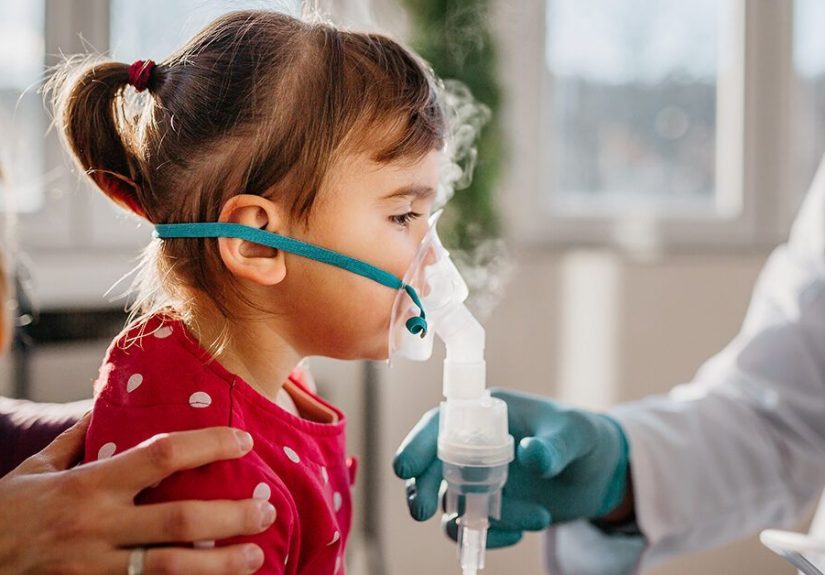
Some people use inhaled medications to thin mucus, open airways, or fight infections. Antibiotics may be used to treat or suppress certain bacterial infections. Anti-inflammatory strategies may also be part of care. The exact medication plan depends on culture results, symptoms, lung function, age, and medical history.
Nutrition Support
Good nutrition is central to cystic fibrosis management. Many people need pancreatic enzymes, high-calorie meals, salt replacement during heat or exercise, and fat-soluble vitamin supplementation. The body with CF can burn extra energy simply by breathing, fighting inflammation, and keeping up with daily treatment routines.
CFTR Research: Where Science Is Heading
CFTR research is moving quickly. Scientists are studying new modulators, genetic therapies, RNA-based therapies, gene editing, improved drug delivery systems, and better ways to match rare mutations with effective treatments. One exciting area is theratyping, where cells with rare CFTR variants are tested in the lab to see whether they respond to existing modulators.
The long-term dream is to create therapies that work regardless of mutation type, including for people who make little or no CFTR protein. That is a major challenge because delivering genetic material safely and effectively to airway cells is not as simple as mailing a package. The lungs have mucus barriers, immune defenses, and complex surfaces. Science, however, has a stubborn streakand in this case, stubborn is good.
Practical Examples: How CFTR Biology Shows Up in Real Life
Example 1: The Baby Diagnosed After Newborn Screening
A newborn screening test suggests possible cystic fibrosis. The baby is referred for a sweat chloride test, and genetic testing identifies two CF-causing CFTR variants. Early diagnosis allows the care team to begin pancreatic enzymes, monitor growth, educate the family, and start preventive respiratory care. The baby may look perfectly fine at first, which is exactly why newborn screening is so useful.
Example 2: The Teen With Chronic Sinus and Lung Problems
A teenager has years of sinus infections, coughing, and slow weight gain. A sweat test comes back intermediate, so the doctor orders expanded CFTR genetic testing. The results show CFTR variants associated with a milder or atypical presentation. The diagnosis may not fit the old textbook image of CF, but the biology still matters because targeted care can reduce complications.
Example 3: The Adult Learning About Carrier Status
An adult discovers through family planning testing that they carry one CFTR mutation. They do not have cystic fibrosis, but the result matters if their partner is also a carrier. Genetic counseling can help explain reproductive risks, testing options, and what the results mean without turning the internet into a panic machine.
Living With CFTR-Related Conditions: Experience-Based Perspectives
Experiences with CFTR-related disease vary widely, but certain themes appear again and again in patient and family stories: routines, uncertainty, resilience, and the constant negotiation between medical care and ordinary life. A person living with cystic fibrosis may start the morning not with coffee and a dramatic sunrise, but with airway clearance, inhaled treatments, enzymes at breakfast, and a mental checklist that would impress an air traffic controller.
One common experience is learning that consistency matters. Airway clearance may not feel exciting, especially when someone feels well. But in CF care, “boring and consistent” can be powerful. Doing treatments on good days may help prevent bad days. That does not make the routine easy. It means families often build systems: medication bins, phone alarms, travel kits, backup chargers, freezer meals, clinic folders, and the sacred rule that enzymes must not disappear into the mysterious black hole known as “somewhere in the backpack.”
Another lived experience is the emotional weight of numbers. Lung function percentages, weight charts, culture results, sweat chloride values, liver enzymes, vitamin levels, and genetic reports can start to feel like a second language. A good clinic team helps translate those numbers into practical meaning. A single result rarely tells the whole story. Trends, symptoms, and daily function matter too.
Families also learn that infection prevention is not about fear; it is about smart habits. Handwashing, cleaning nebulizer equipment, staying current with recommended vaccines, avoiding close contact with sick people when possible, and following clinic infection-control rules all become part of life. For children and teens, this can feel frustrating. Nobody wants to be reminded to wash their hands for the seven-thousandth time. Still, these habits help protect health, especially when thick mucus makes respiratory infections harder to clear.
Nutrition brings its own learning curve. People with pancreatic insufficiency may need enzymes every time they eat fat-containing foods. Forgetting enzymes can lead to stomach symptoms, poor absorption, or awkward bathroom situations that deserve sympathy, not jokesalthough many families develop a sense of humor because humor is cheaper than replacing the bathroom fan. Dietitians can help adjust calories, enzymes, vitamins, and salt intake as needs change.
For people who qualify for CFTR modulators, the experience can be life-changing, but it still requires monitoring. Some people notice easier breathing, improved energy, better weight gain, or fewer respiratory flares. Others may have side effects, lab monitoring, insurance hurdles, or complicated feelings about having access to a therapy that others with rare mutations may not be able to use. Hope and frustration can sit at the same table.
School, sports, work, friendships, and travel all require planning. A student may need time for treatments before class. An athlete may need extra salt and hydration. A family trip may involve packing medications, a nebulizer, cleaning supplies, copies of prescriptions, and more snacks than a small movie theater. The goal is not to make life revolve around CFTR; the goal is to build enough structure so life can expand around it.
The most important experience-based lesson is that cystic fibrosis is not one-size-fits-all. CFTR mutations, symptoms, treatment response, family resources, and personal goals differ from person to person. Good care respects both the science and the human being living inside the science.
Conclusion: CFTR Is Small, But Its Impact Is Huge
The Cystic Fibrosis Transmembrane Conductance Regulator (CFTR) is a tiny protein with a giant responsibility. By helping regulate chloride and water movement across cell surfaces, it keeps mucus and other secretions at the right consistency. When CFTR does not work properly, the consequences can affect breathing, digestion, salt balance, fertility, and long-term health.
Understanding CFTR turns cystic fibrosis from a mysterious disease into a clearer biological story. The plot is still complex, but the main character is no longer hiding backstage. Today, genetic testing, sweat testing, specialized CF care, CFTR modulators, nutrition support, airway clearance, and ongoing research are changing what it means to live with CFTR-related disease. The future is not simple, but it is more hopeful than it has ever been.







 Close
Close