
Table of Contents >> Show >> Hide
- What Makes Fire from Sticks Possible?
- Safety First: Where and When to Practice
- The Best Method for Beginners: The Bow Drill
- Choosing the Right Wood
- Preparing the Tinder Bundle
- Step-by-Step: How to Start a Fire with Sticks Using a Bow Drill
- Building the Fire Lay
- Other Ways to Start a Fire with Sticks
- Common Bow Drill Problems and Fixes
- Responsible Fire Practice
- Experience Notes: What Starting a Fire with Sticks Really Feels Like
- Conclusion
Learning how to start a fire with sticks is one of those outdoor skills that sounds simple until you try it and discover that two innocent-looking pieces of wood can humble you faster than a wet tent zipper. Still, friction fire is not magic. It is physics, patience, dry materials, and a little bit of “please work before my arms turn into noodles.”
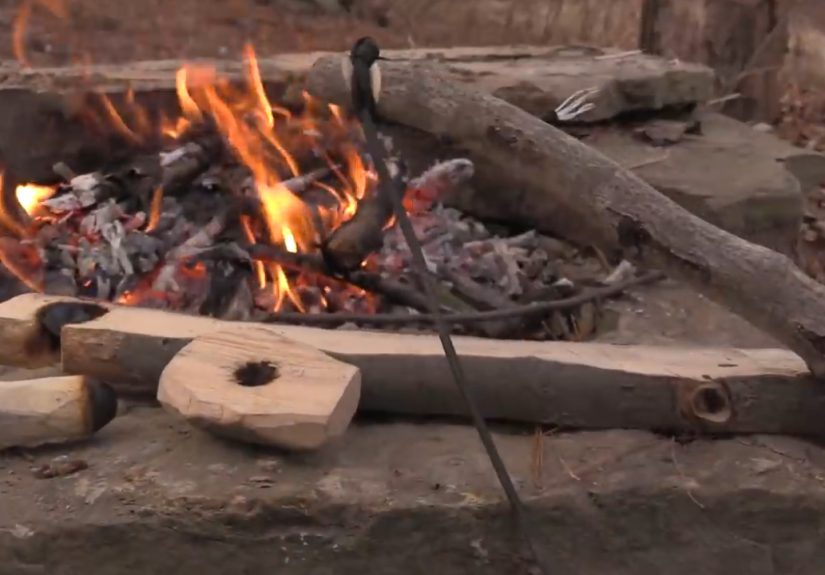
At its core, starting a fire with sticks means using friction to create a tiny ember, then transferring that ember into a tinder bundle and gently blowing it into flame. The most beginner-friendly method is the bow drill, because the bow helps spin a wooden spindle quickly and consistently against a fireboard. Other traditional methods, such as the hand drill and fire plow, can work too, but they usually demand more strength, better technique, and exceptionally dry materials.
Before we dive in, one important reminder: fire is useful, beautiful, and wildly unforgiving. Practice only where fires are legal, use an existing fire ring whenever possible, keep water nearby, avoid dry and windy conditions, and fully extinguish every coal before leaving. A survival skill should not become tomorrow’s wildfire headline.
What Makes Fire from Sticks Possible?
Fire needs three things: heat, fuel, and oxygen. With friction fire, your spinning or rubbing motion creates heat. The wood dust produced by that friction becomes the first fuel. Oxygen feeds the tiny ember once it begins to glow. Your job is to help all three elements meet at exactly the right moment without smothering the ember, scattering the dust, or sighing dramatically into the forest.
The process usually follows this pattern:
- Create dry, powdery wood dust through friction.
- Heat that dust until it becomes a smoking coal.
- Move the coal into a dry tinder bundle.
- Blow steadily until the tinder bursts into flame.
- Feed the flame with tiny sticks, then pencil-size kindling, then larger fuel.
The secret is not brute force. It is dry materials, steady rhythm, proper body position, and a fire lay ready before the ember appears. If you wait until you have a coal to start gathering kindling, you are already late to the party.
Safety First: Where and When to Practice
Starting a fire with sticks should be practiced in a controlled outdoor setting, not on a windy hillside covered in dry grass. Choose a legal fire area, preferably an established fire ring or fire pan. Clear loose leaves, pine needles, and other flammable debris from the immediate area. Keep your fire small and manageable. A practice fire does not need to look like a movie scene where someone is signaling a dragon.
Check Conditions Before You Begin
Do not practice friction fire during burn bans, red flag warnings, drought conditions, or high winds. Even a tiny ember can travel if conditions are dry enough. If the ground vegetation crunches like breakfast cereal, skip the fire and practice carving your bow drill kit instead.
Keep Extinguishing Tools Nearby
Have water, dirt, sand, or a shovel ready before you begin. Water is best for putting out a campfire completely. When finished, drown the fire, stir the ashes, add more water, and check that everything is cold to the touch. If it is too hot to touch, it is too hot to leave.
The Best Method for Beginners: The Bow Drill
The bow drill is the classic answer to the question, “How do you start a fire with sticks without matches?” It gives you mechanical advantage. Instead of twisting a spindle between your palms, you use a bow and cord to rotate the spindle quickly. That spinning motion grinds the spindle into the fireboard, creating hot dust that can become an ember.
Parts of a Bow Drill Kit
A basic bow drill kit includes five parts:
- Bow: A slightly curved stick about arm length.
- String: Cordage, paracord, rawhide, or strong natural fiber.
- Spindle: A straight, dry wooden stick that spins against the fireboard.
- Fireboard: A flat, dry piece of wood where the ember forms.
- Bearing block: A handhold made from hardwood, stone, bone, shell, or another smooth material.
You will also need a tinder bundle, small kindling, and larger fuel wood. Think of fire building as feeding a very picky baby bird: tiny bites first, bigger bites later.
Choosing the Right Wood
Wood selection can make or break your success. The best bow drill woods are dry, dead, and soft enough to create fine dust without crumbling into useless chunks. Common choices include cedar, cottonwood, willow, basswood, aspen, yucca, and similar softwoods. Availability depends on your region, so learn what grows locally.
How Dry Should the Wood Be?
Very dry. Not “it looks dry from a distance” dry, but “snaps cleanly and feels light” dry. Wood lying directly on damp ground often holds moisture. Standing dead branches are usually better because they have had airflow around them. If the wood bends, feels cold and heavy, smells green, or produces pale dust instead of dark powder, it may be too wet.
Spindle and Fireboard Pairing
The spindle and fireboard should usually be made from the same or similar wood. A common beginner mistake is using a spindle that is too hard against a board that is too soft, or vice versa. You want the bottom of the spindle to grind into the board and produce dark dust. If everything gets shiny and polished, you are making a wooden mirror, not a coal.
Preparing the Tinder Bundle
Your tinder bundle is where the ember becomes flame. It should be bone-dry, airy, and fibrous. Good tinder materials include dry grass, shredded inner bark, cattail fluff mixed with fibers, dry cedar bark, jute, scraped wood fibers, or fine plant down. Shape it like a bird’s nest with a small hollow in the center for the coal.
Do not use thick sticks as tinder. Tinder must catch from a tiny coal, not from a roaring torch. If your tinder bundle feels damp, compact, or chunky, it will betray you at the exact moment you need loyalty.
Step-by-Step: How to Start a Fire with Sticks Using a Bow Drill
Step 1: Make the Bow
Choose a slightly curved stick about the length of your arm. It should be sturdy but not brittle. Tie your cord to both ends. The string should be tight enough to grip the spindle when wrapped around it once, but not so tight that the spindle cannot rotate. If the string slips, tighten it. If it snaps, congratulations: you have discovered why spare cordage is lovely.
Step 2: Carve the Spindle
Your spindle should be straight, dry, and roughly thumb-thick. A length of about 8 to 12 inches works well for many beginners. Carve the top end into a smoother, narrower point to reduce friction in the bearing block. Shape the bottom end into a duller point or rounded tip so it creates friction against the fireboard.
Step 3: Prepare the Fireboard
Use a flat piece of dry softwood about half an inch to one inch thick. Carve a small depression near the edge of the board. This is where the spindle will sit. Place one foot firmly on the board to keep it from wobbling.
Step 4: Burn In the Socket
Wrap the bowstring once around the spindle. Put the bottom of the spindle into the fireboard depression and the top into the bearing block. Begin bowing slowly. The goal is to deepen the socket and create a smooth track. At this stage, do not rush. You are preparing the parts so they cooperate later instead of staging a tiny wooden rebellion.
Step 5: Cut the Notch
After burning in the socket, cut a V-shaped notch from the edge of the fireboard into the socket. The notch should reach close to the center but not remove the entire socket. This notch catches the hot wood dust. Place a dry leaf, piece of bark, or thin wood chip under the notch to collect the coal.
Step 6: Get Into a Stable Position
Kneel beside the fireboard. Place your foot on the board close to the socket. Lock the wrist holding the bearing block against your shin. This keeps the spindle vertical and stable. Keep your bowing arm level and use long, smooth strokes. Stability matters more than speed at the beginning.
Step 7: Build Dust, Then Add Speed
Start with slow, steady strokes to build powder in the notch. Once you see smoke and the notch fills with dark dust, increase speed and downward pressure. Use the full length of the bow. Keep going until the dust pile smokes on its own for several seconds after you stop.
Step 8: Let the Ember Grow
When you stop bowing, do not immediately poke the dust like an impatient raccoon. Wait a few seconds. A true coal often continues smoking and slowly strengthens. Carefully tap or lift the fireboard away, leaving the ember on your bark or leaf coal-catcher.
Step 9: Transfer the Coal to the Tinder Bundle
Gently place the coal into the hollow of your tinder bundle. Fold the tinder around it without crushing it. Hold the bundle so smoke does not blow directly into your face. Unless you enjoy looking like you just argued with a chimney, angle it slightly away.
Step 10: Blow It Into Flame
Blow gently at first, then more steadily as the glow spreads. Long, controlled breaths work better than frantic puffing. The tinder should smoke heavily, glow brighter, and then flash into flame. Once it flames, place it into your prepared fire lay and add tiny kindling immediately.
Building the Fire Lay
Before making an ember, prepare your fire structure. Start with very fine twigs, wood shavings, or feather sticks. Add pencil-thick kindling nearby, then finger-thick sticks, then larger fuel. A teepee fire lay works well for quick ignition because it allows airflow. A lean-to fire lay is useful in breezy conditions because it gives the flame a little protection.
The biggest mistake is adding large sticks too soon. A new flame is fragile. Feed it slowly. If you bury it under heavy wood, the fire will vanish and you will stare at the smoke with the expression of someone who just lost an argument to a salad.
Other Ways to Start a Fire with Sticks
Hand Drill Method
The hand drill uses only a spindle and fireboard. You spin the spindle between your palms while pressing downward. It requires less equipment but more skill, endurance, and dry conditions. It works best with long, lightweight spindles and very soft fireboards. Many people find it harder than the bow drill because the hands move downward as they spin, forcing frequent resets.
Fire Plow Method
The fire plow involves rubbing a stick along a groove in a fireboard until hot dust collects at the end. It can work with the right wood and technique, especially in some dry environments, but it is physically demanding. If the bow drill is a workout, the fire plow is the gym coach who thinks “just one more rep” means thirty-seven.
Common Bow Drill Problems and Fixes
The Spindle Keeps Popping Out
Your spindle may be angled, your socket may be too shallow, or your body position may be unstable. Keep the spindle vertical, lock your wrist against your shin, and make sure your foot holds the board firmly.
The Cord Slips
Tighten the bowstring or roughen the spindle slightly where the cord wraps around it. The cord should rotate the spindle without riding up and down wildly.
The Dust Is Light Brown
Light dust usually means not enough heat. Increase speed and pressure after you have built a good dust pile. Also check whether the wood is too damp or too hard.
The Wood Gets Shiny
Polished wood creates less friction. Scrape the glazed surface with a knife or rough stone. You can also add a tiny pinch of sand to increase abrasion, but use this carefully.
The Handhold Smokes
Too much friction is happening at the top of the spindle. Lubricate the bearing block with a green leaf, a little wax, or natural oil if available. Also narrow and smooth the top of the spindle.
Responsible Fire Practice
Primitive fire skills should increase your respect for fire, not make you careless with it. Use dead and downed wood that can be broken by hand. Avoid cutting live trees or stripping bark from living plants. Keep the fire small, burn wood completely to ash, and clean the site when finished.
If local rules prohibit open fires, do not make one. You can still practice carving a bow drill kit, preparing tinder, tying cordage, and setting up your body position without igniting anything. Skills practiced responsibly are still skills.
Experience Notes: What Starting a Fire with Sticks Really Feels Like
The first time you try to start a fire with sticks, you may feel confident for the first three minutes. You have watched videos. You have selected your wood. You have arranged your tinder bundle like a tiny woodland pastry. Then the spindle squeaks, the cord slips, the board wobbles, and your arms begin writing a resignation letter.
That is normal. Friction fire teaches patience because every small detail matters. Dry wood matters. The angle of the spindle matters. The notch matters. Your breathing matters. Even your mood matters, because frustration makes people rush, and rushing usually ruins the coal. The best approach is to treat each attempt as a test rather than a failure.
On a good practice day, you will notice a rhythm develop. The bow moves smoothly. The spindle stays upright. A thin curl of smoke appears, then disappears, then returns. The dust in the notch darkens. You lean in, increase pressure, and suddenly the smoke continues after you stop. That moment is strangely exciting. It is just a tiny coal, but it feels like you have discovered electricity while wearing hiking socks.
Transferring the ember is where many beginners lose their first success. The coal looks delicate because it is delicate. Move slowly. Slide it into the tinder bundle, fold the fibers around it, and begin with gentle breaths. Smoke will thicken. Your eyes may water. You may question every decision that brought you to this smoky little nest. Keep breathing steadily. When the tinder finally flashes into flame, the reward is huge. It feels earned because it is earned.
One useful lesson from real practice is to prepare far more tinder and kindling than you think you need. Beginners often focus so hard on making the coal that they forget what happens next. A flame without kindling is a brief celebration followed by disappointment. Before bowing, create a kindling ladder: dust-fine tinder, matchstick twigs, pencil-size sticks, finger-size sticks, and larger fuel. Lay everything within arm’s reach.
Another lesson is that comfort improves technique. Kneeling on sharp gravel, leaning awkwardly, or fighting a sliding fireboard wastes energy. Take time to set up. Put the board on stable ground. Brace your wrist. Use long strokes. Let your body weight create pressure instead of relying only on arm strength. Good form saves energy, and energy matters when your first three attempts produce nothing but warm sawdust and character development.
Finally, friction fire changes the way you see ordinary materials. Dry grass becomes valuable. Bark fibers become treasure. A straight dead branch becomes a possible spindle. You begin noticing moisture, wind, wood texture, and ground conditions. That awareness is the real skill. The flame is the dramatic ending, but observation is what gets you there.
Conclusion
Learning how to start a fire with sticks is part survival skill, part science lesson, and part personal humility workshop. The bow drill is the best place for most beginners to start because it offers control, speed, and a repeatable process. Choose dry softwood, prepare excellent tinder, build your fire lay before making the coal, and focus on smooth technique rather than frantic effort.
Most importantly, practice responsibly. Check local regulations, avoid dangerous weather, keep fires small, and extinguish every ember completely. A well-made friction fire is impressive, but a safely managed fire is the mark of someone who truly knows what they are doing.

 Close
Close