
Table of Contents >> Show >> Hide
- What Is a Strawberry Tree?
- Best Growing Conditions for a Strawberry Tree
- How to Plant a Strawberry Tree
- How to Care for a Strawberry Tree
- Growing Strawberry Tree in a Container
- Common Strawberry Tree Problems
- Is Strawberry Tree Fruit Edible?
- Best Strawberry Tree Varieties to Consider
- Landscape Uses for Strawberry Tree
- How Fast Does a Strawberry Tree Grow?
- Extra Growing Experience: Lessons From Living With a Strawberry Tree
- Conclusion
If you have ever wanted a plant that looks polished in every season without acting like a diva, the strawberry tree may be your new favorite garden show-off. Arbutus unedo is an evergreen shrub or small tree with glossy leaves, peeling bark, bell-shaped flowers, and red fruit that looks like it was designed by someone who loves drama but hates maintenance. It is one of those rare plants that can make a front yard look expensive without requiring the gardener to become a full-time plant therapist.
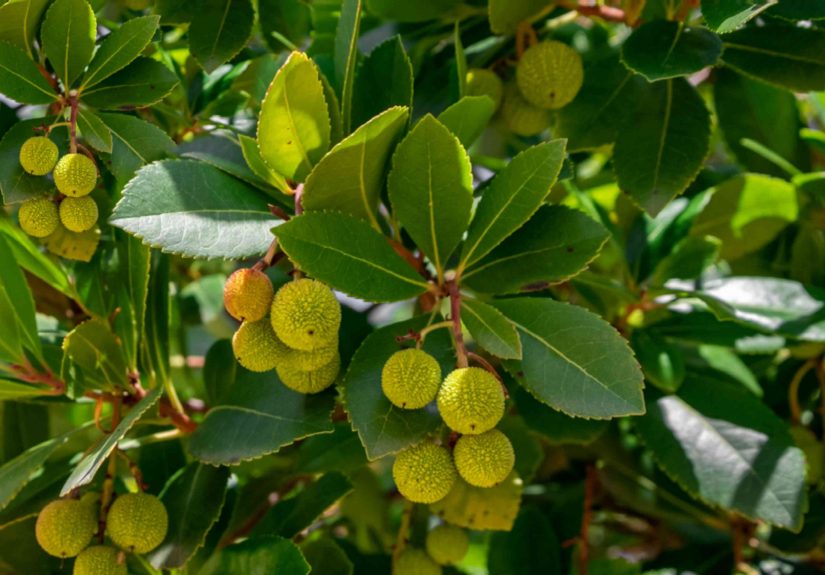
Despite the name, the strawberry tree does not grow actual strawberries. It grows round, bumpy fruit that resembles tiny red ornaments more than berries from a summer patch. The real charm, though, is the timing. This plant often carries flowers and ripening fruit at the same time, which makes it look like it forgot to pick a season and decided to do all of them at once.
For gardeners who want a slow-growing, drought-tolerant, evergreen focal point, strawberry tree care is refreshingly manageable. Give it sun, decent drainage, patience, and a little restraint with the watering can, and it usually rewards you with year-round beauty. Below is everything you need to know about how to grow and care for the strawberry tree, from planting and watering to pruning and problem-solving.
What Is a Strawberry Tree?
The strawberry tree, or Arbutus unedo, is a broadleaf evergreen shrub or small tree native to the Mediterranean region and parts of western Europe. In American landscapes, it is especially prized in mild-climate gardens where it can serve as a specimen plant, patio tree, privacy screen, or handsome multi-trunked accent.
Depending on the variety and the growing conditions, it may stay in the shrub range or mature into a small tree. Many plants reach roughly 10 to 15 feet tall, though older specimens can get larger over time. Its growth is slow, which is either charming or mildly insulting, depending on how impatient you are.
Why gardeners love it
- Evergreen foliage keeps the plant attractive year-round.
- White to blush-pink flowers appear in fall and winter.
- Bright fruit adds ornamental value when many gardens look sleepy.
- Peeling reddish-brown bark gives mature plants extra character.
- Once established, it is fairly drought tolerant.
- It works well as either a multi-stemmed shrub or a trained small tree.
In other words, it is the kind of plant that quietly does a lot. It never screams for attention, but it absolutely knows it looks good.
Best Growing Conditions for a Strawberry Tree
Climate and hardiness
If you are wondering where a strawberry tree grows best, think mild winters, warm summers, and decent air circulation. In the United States, it is commonly grown in USDA Zones 7 through 11, though performance depends on cultivar, drainage, and local humidity. It is especially well suited to Mediterranean-style climates and other regions with dry summers and relatively moderate winter conditions.
It can take light frost and some wind, which makes it tougher than it looks. That said, hot, sticky, humid conditions can make it more vulnerable to disease issues. In plain English: it likes a climate with a little elegance and not too much swamp energy.
Sunlight
Full sun is ideal for the best flowering, fruiting, and overall structure. Partial shade is acceptable, especially in hotter inland locations, but too much shade can make the plant less dense and a bit less impressive. If you want that classic glossy-canopy, ornamental-tree look, give it plenty of light.
Soil
The single most important rule of strawberry tree care is this: plant it in well-drained soil. The plant is adaptable to sandy, loamy, and even some clay soils, but soggy ground is where things get ugly. Root rot is one of the quickest ways to turn a handsome evergreen into a cautionary tale.
Slightly acidic soil is often preferred, though strawberry tree can tolerate a wider range than many gardeners expect. The real deal-breaker is poor drainage, not whether your soil is garden-center-perfect.
Spacing
Because strawberry tree can widen as it matures, avoid cramming it into a tiny slot just because it starts life looking compact and polite. Give it room for air movement and future shape. That extra space helps reduce disease pressure and makes the plant’s bark, branching, and canopy easier to appreciate.
How to Plant a Strawberry Tree
Planting a strawberry tree is not complicated, but getting the first step right will save you years of frustration.
Step 1: Pick the right location
Choose a site with full sun to partial shade and soil that drains well after rain. If water tends to sit there after a storm, do not plant it there unless you enjoy preventable disappointment.
Step 2: Dig a wide hole, not a deep one
Dig the hole about twice as wide as the root ball and no deeper than the root ball itself. The crown should sit at or slightly above the surrounding soil level. Planting too deep is a classic tree mistake, and strawberry tree is not interested in forgiving it.
Step 3: Backfill with native soil
Use the soil you removed unless it is truly awful. Over-amending the planting hole can create a weird bathtub effect where water collects around the roots instead of moving through the soil profile naturally.
Step 4: Water it in
Water thoroughly after planting to settle the soil and eliminate air pockets. Then add mulch around the base, keeping it a few inches away from the trunk.
Step 5: Be patient
This is not a plant that wakes up the next morning and decides to double in size for your convenience. Strawberry tree establishes gradually. The reward comes from steady long-term structure, not instant gratification.
How to Care for a Strawberry Tree
Watering
Newly planted strawberry trees need regular watering while they establish. The goal is consistent moisture, not swamp conditions. Water deeply, then allow the upper soil to begin drying before watering again. Frequent shallow watering encourages weak surface roots and generally teaches the plant bad habits.
Once established, the strawberry tree becomes more drought tolerant and usually needs far less fuss. In many climates, mature plants do best when they are not overwatered in summer. If your tree starts looking stressed, always check the soil before grabbing the hose. Too much kindness kills more ornamental trees than neglect ever will.
Fertilizing
This is not a heavy feeder. In average garden soil, it often gets by with little or no fertilizer. If growth is weak or foliage looks pale, a light application of a balanced fertilizer in spring can help. Avoid overfeeding, especially high-nitrogen products that push lush, soft growth. You want a sturdy, well-shaped tree, not a floppy green overreaction.
Mulching
A 2- to 3-inch layer of organic mulch helps conserve moisture, moderate soil temperature, and reduce weed competition. Keep the mulch ring away from the trunk to avoid rot and pest issues. Mulch should protect the root zone, not dress the trunk in a damp sweater.
Pruning
Pruning a strawberry tree should be light and strategic. This is not a plant that benefits from aggressive haircut energy. Remove dead, damaged, or crossing branches, and do structural pruning while the plant is young if you want a single-trunk or clean multi-trunk form.
Because the plant naturally wants to grow as a rounded, multi-stemmed shrub or small tree, many gardeners simply guide the shape rather than forcing it into something unnatural. Light pruning for form works well. Heavy pruning usually just creates extra work and a slightly offended-looking plant.
Growing Strawberry Tree in a Container
Yes, you can grow a strawberry tree in a large container, especially compact varieties like Compacta or other dwarf selections. Use a pot with excellent drainage and a well-draining potting mix. Container-grown plants need more regular watering than those in the ground, but the same rule applies: moist, not waterlogged.
Container culture works especially well on sunny patios where you want a year-round evergreen focal point. Just remember that slow-growing does not mean forever-small. Repot or root-prune when needed, and do not expect a tiny nursery pot to support a mature tree indefinitely. Plants have boundaries, and so do containers.
Common Strawberry Tree Problems
Yellowing leaves
Yellow leaves can mean several things, but poor drainage is high on the suspect list. Check the soil before assuming the tree is thirsty. Overwatering, compacted soil, or roots sitting in wet ground can all trigger decline.
Leaf spots, dieback, or general sulking
In humid climates, strawberry tree can struggle more with fungal issues and disease pressure. Improve airflow, avoid overhead watering when possible, and make sure the tree is not trapped in constantly wet soil. A plant that likes dry-ish roots will not suddenly reinvent itself because the weather got muggy.
Scale or thrips
These pests can occasionally show up, especially on stressed plants. Minor infestations may be handled with horticultural oil or by improving overall plant vigor. Healthy plants are usually more resilient than those already coping with bad drainage, poor siting, or too much fertilizer.
Fruit drop
The fruit is ornamental and edible, but it can create a mess on pavement or patios when it drops. If you are planting near hardscape, choose the location wisely. Strawberry tree is lovely beside a path, but maybe do not place it exactly where you park a white car and wear nice shoes.
Is Strawberry Tree Fruit Edible?
Yes, the fruit is edible. No, it does not taste like a supermarket strawberry. The texture is often described as grainy or mealy, and the flavor is mild. Some gardeners enjoy it fresh, but many prefer it in jams, jellies, or preserves where its natural pectin is useful. Birds usually seem more enthusiastic than humans, which honestly feels fair.
The plant’s value in most landscapes is ornamental first and edible second. Think of the fruit as a bonus, not the main reason to grow the tree.
Best Strawberry Tree Varieties to Consider
Standard Arbutus unedo
A classic choice for gardeners who want the full small-tree effect, exfoliating bark, and year-round ornamental appeal.
Arbutus unedo ‘Compacta’
A smaller form that works well in tight spaces, foundations, or containers. This is a good option if you love the look but do not have room for a broader specimen.
Arbutus unedo ‘Rubra’
Known for deeper pink flowers, this selection adds a little extra color during bloom season without changing the plant’s overall easy-care personality.
Landscape Uses for Strawberry Tree
One reason strawberry tree keeps showing up in great gardens is its flexibility. It works in several design roles without looking forced.
- Specimen tree: Use it where its bark, flowers, and fruit can be appreciated up close.
- Patio tree: Its manageable size and dense canopy make it ideal near outdoor seating.
- Screen or hedge: Multi-stemmed forms can create privacy with year-round foliage.
- Mediterranean garden plant: It pairs beautifully with lavender, rosemary, rockrose, and other dry-climate favorites.
- Wildlife-friendly planting: Flowers attract pollinators, and fruit can feed birds.
If you are aiming for a landscape that looks polished but not fussy, strawberry tree fits the brief beautifully.
How Fast Does a Strawberry Tree Grow?
Slowly. Respectfully. Without apology.
That slow growth rate is actually one of its strengths. It means less pruning, less chaos, and a more refined shape over time. It also means you should plant it because you genuinely like it, not because you need a ten-foot privacy wall by next Tuesday.
Extra Growing Experience: Lessons From Living With a Strawberry Tree
Gardeners who spend a few years with a strawberry tree usually end up talking about it in a very particular tone. Not excitement exactly, and not obsession either. More like respect. The strawberry tree does not behave like a flashy tropical or a fast-growing screen plant. It wins people over slowly. At first, you notice the glossy leaves and think, “Nice enough.” Then fall arrives and the flowers show up. Then the fruit starts coloring. Then the bark peels and the trunk gets more handsome. Somewhere in that sequence, the plant goes from “pretty good” to “why don’t more people grow this?”
One of the most common real-world lessons is that drainage matters more than almost anything else. Gardeners who place a strawberry tree in a raised bed, slope, or fast-draining border often report that it settles in and improves steadily. Gardeners who plant it where irrigation is frequent or soil stays soggy tend to learn a less enjoyable lesson. The plant may not fail dramatically at first. It often declines in that slow, suspicious way plants do when they are trying to be polite about a bad situation.
Another experience many people mention is that this plant rewards restraint. New gardeners sometimes hover too much. They water often, fertilize eagerly, and trim constantly because the plant looks formal enough to invite interference. Strawberry tree usually responds better when you step back a bit. Water deeply but sensibly. Prune lightly. Let the natural shape develop. It is one of those plants that looks best when it is guided rather than micromanaged.
There is also something deeply satisfying about watching a strawberry tree mature. Young plants can look a little ordinary. Mature plants, on the other hand, develop twisting branches, peeling bark, and real architectural presence. A well-grown specimen near an entry, walkway, or patio has that rare quality of seeming established and intentional, even if the rest of the landscape is still figuring itself out.
People also tend to remember the first time they realize the fruit is more decorative than delicious. The name “strawberry tree” creates expectations that the fruit cannot possibly meet. This is not the plant equivalent of dessert. It is more like a conversation starter with bonus jam potential. That said, many gardeners still enjoy harvesting a few fruits for preserves, and birds are often delighted to take over the job when humans lose interest.
Perhaps the best practical experience-based advice is this: plant strawberry tree where you will actually see it in the cooler months. Too many plants do their best work in spring and disappear into the background afterward. Strawberry tree shines when the garden is quieter. If you place it where winter light catches the bark and fruit, you get the full performance. That is when the plant stops being just another evergreen and becomes the reason your garden still looks alive when everything else is taking a nap.
Conclusion
If you want a plant with four-season appeal, manageable care needs, and enough character to make your landscape feel more thoughtful, the strawberry tree is an excellent choice. It is not the fastest grower, and it is not the right plant for wet soil or heavy-handed maintenance. But in the right place, with the right drainage and a little patience, it becomes one of the most rewarding small trees you can grow.
In short, learn the site, respect the roots, and do not overhelp. That is the real secret behind how to grow and care for the strawberry tree.






 Close
Close