
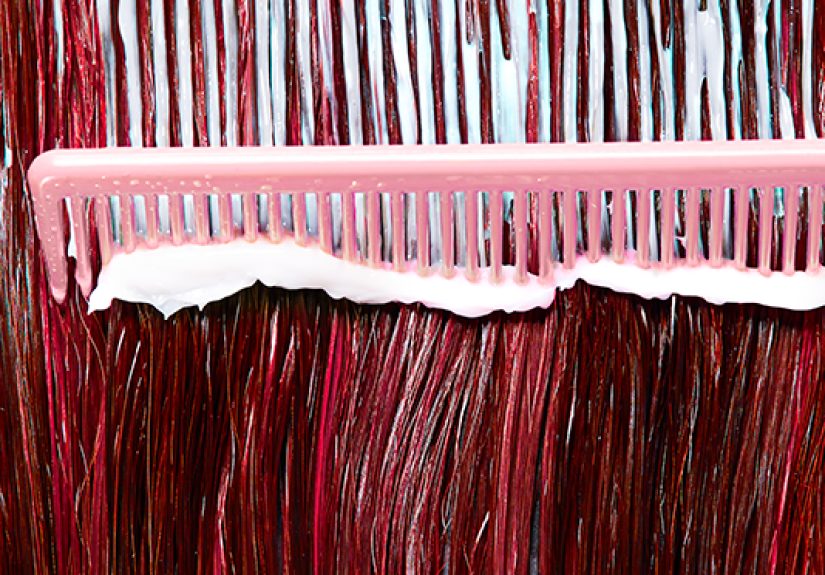
Table of Contents >> Show >> Hide
- Understanding Hair Color Basics Before You Begin
- Popular Hair Color Techniques Explained
- Types of Hair Color Products
- DIY Hair Color Tips for Better Results
- Hair Color Inspiration by Goal
- How to Maintain Hair Color Longer
- When to See a Professional Colorist
- Common Hair Color Mistakes to Avoid
- Experience-Based Tips: What Real Hair Color Adventures Teach You
- Conclusion
Hair color is one of the fastest ways to change your look without buying a new wardrobe, learning a new personality, or pretending you suddenly enjoy green juice. Whether you want soft caramel balayage, bold copper, glossy brunette, icy blonde, gray coverage, or a playful pastel moment, the right hair color technique can make your hair look fresher, fuller, brighter, and more expensive than your actual coffee budget.
But hair color can also be confusing. What is the difference between balayage and highlights? Is toner a dye? Can you go from dark brown to platinum blonde at home? Why does “ash blonde” sometimes turn into “accidental swamp beige”? This guide breaks down the most popular hair color techniques, safe DIY tips, product categories, maintenance advice, and real-life lessons so you can make smarter color choices before you open the box, book the salon chair, or panic-Google “how to fix orange hair.”
Understanding Hair Color Basics Before You Begin
Before choosing a shade, it helps to understand three things: your natural hair level, your undertone, and your hair condition. Hair color levels usually run from 1 to 10, with 1 being black and 10 being very light blonde. The darker your starting level, the more work it takes to go lighter. Hair also has undertones. Dark brown hair may reveal red or orange warmth when lifted, while dark blonde hair may reveal yellow. That is why toners and glosses exist: they help refine the tone after lightening.
Hair condition matters just as much as color dreams. If your hair is dry, brittle, over-processed, or breaking, dramatic lightening can make it worse. Coloring healthy hair is like painting a smooth wall. Coloring damaged hair is like painting a fence during a thunderstorm: technically possible, but the result may be chaotic.
Popular Hair Color Techniques Explained
1. All-Over Color
All-over color means applying one shade from roots to ends. It is ideal for gray coverage, refreshing faded color, going darker, or making a subtle change close to your natural shade. Permanent color is commonly used for long-lasting results, while demi-permanent or semi-permanent color works well for softer changes and shine.
This is one of the easiest techniques to do at home if you stay within one or two levels of your current color. For example, moving from medium brown to rich chocolate brown is much more DIY-friendly than trying to become platinum blonde before dinner.
2. Root Touch-Up
A root touch-up targets only the new growth near the scalp. It is perfect for covering gray roots or maintaining a permanent shade between full color appointments. Root sprays, powders, temporary sticks, and permanent root kits are all common options.
The golden rule: apply color only to the regrowth unless the instructions say otherwise. Pulling permanent dye through already-colored ends every time can cause dryness, darkness, and that flat “helmet hair” effect nobody requested.
3. Highlights
Highlights lighten selected strands to create brightness and dimension. Traditional highlights often use foils to isolate sections and produce a more controlled lift. They can be fine and natural, bold and chunky, face-framing, partial, or full-head.
Highlights work especially well for adding brightness around the face, softening a solid brunette or blonde base, and creating the illusion of movement. They usually require more maintenance than balayage because root growth can become noticeable.
4. Lowlights
Lowlights are darker strands added to create depth. They are useful when hair looks too light, too flat, or overly highlighted. Blonde hair, for example, can look more natural with beige, honey, or dark blonde lowlights. Brunettes can use espresso, chestnut, or mocha tones to add richness.
If highlights are the spotlight, lowlights are the stage crew. They may not always get applause, but without them, the whole show can look strangely flat.
5. Balayage
Balayage is a freehand painting technique that creates soft, sun-kissed brightness. Instead of placing every strand in a foil, the colorist paints lightener onto selected areas, often focusing on the mid-lengths and ends. The result is blended, dimensional, and usually lower maintenance than traditional highlights.
Balayage is popular because it grows out softly. There is no harsh root line, which means fewer salon visits and less emotional damage when you check your calendar. It works beautifully on brunettes, blondes, redheads, curly hair, straight hair, long layers, lobs, and even shorter cuts when placed carefully.
6. Ombré
Ombré hair color gradually transitions from darker roots to lighter ends. The contrast can be subtle, like espresso melting into caramel, or dramatic, like black roots fading into silver blonde. Unlike balayage, which places brightness in painted ribbons, ombré has a more noticeable gradient.
Ombré is a great option if you want brightness without constant root maintenance. However, the ends often need lightening, so hydration and bond-supporting care are important.
7. Sombré
Sombré is the softer cousin of ombré. The transition is more delicate, usually only a few levels lighter than the base color. Think “I spent a week at the beach” rather than “I wrestled a bleach kit and barely survived.”
This technique is flattering for people who want natural-looking dimension without a major color commitment.
8. Babylights
Babylights are very fine highlights that mimic the soft, delicate brightness often seen in children’s hair after sun exposure. They are excellent for subtle blending, soft blonde results, and natural-looking gray diffusion.
Because babylights involve many tiny sections, they can take longer in the salon. The payoff is a refined finish that looks expensive, polished, and whisper-soft.
9. Money Piece Highlights
A money piece is a brighter face-framing section placed around the front hairline. It can be soft and natural or bold and high contrast. This technique became popular because it gives maximum impact with less coloring overall.
For DIY color lovers, a subtle face frame may be tempting, but be careful. The hair around the face is often finer and can lighten quickly. Always strand test first, and avoid dramatic bleach work if you are inexperienced.
10. Glossing and Toning
A gloss adds shine and can refresh faded color. A toner adjusts unwanted undertones after lightening. For example, violet-based toners can soften yellow tones in blonde hair, while blue-based toners can help reduce orange tones in brunette hair.
Glosses and toners are not magic wands, but they are close enough to deserve a tiny cape. They can make hair look smoother, cooler, warmer, richer, or more polished without a full color overhaul.
Types of Hair Color Products
Permanent Hair Color
Permanent color uses a developer to open the hair cuticle and deposit color. It can cover gray, change your natural shade, and create longer-lasting results. It is best for committed color changes and root maintenance. However, permanent color should be used carefully because repeated application over previously colored hair can cause buildup and dryness.
Demi-Permanent Hair Color
Demi-permanent color is less permanent than permanent dye and usually fades gradually over multiple washes. It is great for blending grays, going darker, refreshing tone, and adding shine. It does not dramatically lighten natural hair, so it is not the tool for going from brunette to blonde.
Semi-Permanent Hair Color
Semi-permanent color deposits pigment without a strong lifting effect. It is commonly used for fashion shades, color refreshes, and low-commitment experiments. Bright colors such as pink, blue, purple, and green show best on pre-lightened hair.
Bleach or Lightener
Bleach removes pigment from the hair and is used for blonding, highlights, balayage, vivid colors, and major transformations. It is also the product most likely to cause damage when used incorrectly. At-home bleach should be approached with extreme caution, especially on previously colored, relaxed, permed, or fragile hair.
Toners, Glosses, and Glazes
Toners refine color after lightening. Glosses and glazes enhance shine and adjust tone. These products are excellent for maintenance, especially when blonde hair becomes brassy, brunette hair looks dull, or red hair loses vibrancy.
Color-Safe Hair Care
Color-safe shampoo, conditioner, masks, leave-in treatments, heat protectants, and bond-building products help preserve color and reduce dryness. Look for formulas designed for color-treated hair, and avoid washing with very hot water, which can speed up fading.
DIY Hair Color Tips for Better Results
Always Do a Patch Test
Hair dye can cause allergic reactions, even if you have used color before. Do a patch test every time according to the product instructions. Apply a small amount to the recommended area, wait the instructed amount of time, and do not use the product if irritation appears.
Do a Strand Test
A strand test shows how your hair reacts before you color your whole head. This is especially important when lightening, covering gray, using red shades, or trying fashion colors. Test a hidden section, process it as directed, rinse, dry, and check the result in natural light.
Read the Instructions Like They Are a Treasure Map
Every formula is different. Processing time, mixing ratios, application order, and safety warnings matter. Do not leave dye on longer because you think it will work “extra hard.” Hair color is not a slow cooker recipe.
Protect Your Skin and Space
Wear gloves. Apply petroleum jelly or barrier cream around the hairline, ears, and neck. Use an old towel, cover surfaces, and avoid wearing your favorite shirt unless you want it to become an abstract art project.
Stay Close to Your Current Shade
At-home color is best for subtle changes, root touch-ups, glossing, toning, and going darker. Major lightening, color correction, platinum blonde, vivid transformations, and black-box-dye removal are better handled by a professional colorist.
Do Not Mix Random Products
Never mix different hair color formulas unless the manufacturer specifically instructs you to do so. Mixing products can create unpredictable results and increase irritation risk.
Never Dye Eyebrows or Eyelashes With Hair Dye
Hair dye should not be used near the eyes. Coloring eyebrows or eyelashes with regular hair dye can cause serious eye injury. Use products specifically designed for that area and follow professional guidance.
Hair Color Inspiration by Goal
For Low Maintenance
Choose balayage, sombré, root shadow, glossing, or a shade close to your natural color. These options grow out softly and reduce the need for frequent touch-ups.
For Gray Coverage
Permanent color is often the strongest option for full gray coverage. Demi-permanent color can blend grays for a softer effect. Babylights and lowlights can also help diffuse gray regrowth for a more natural grow-out.
For Brunettes
Chocolate brown, espresso, chestnut, cinnamon, caramel balayage, mocha gloss, and soft bronze highlights are flattering choices. Brunettes should be cautious with aggressive lightening because orange and red undertones often appear during the lifting process.
For Blondes
Popular blonde tones include champagne, beige, honey, ash, pearl, butter blonde, and icy platinum. Blonde hair usually needs toning, moisture, and purple shampoo used in moderation. Too much purple shampoo can make hair look dull or smoky.
For Red Hair
Copper, auburn, strawberry blonde, mahogany, and cherry cola shades are rich and eye-catching. Red tones fade faster than many other colors, so cool rinses, color-safe products, and gloss refreshes are your best friends.
For Bold Fashion Color
Pink, lavender, blue, teal, silver, and neon shades usually require pre-lightened hair. These colors can fade quickly, but that is part of the fun. Start with semi-permanent color if you want a playful change without a long-term commitment.
How to Maintain Hair Color Longer
Wait at least 24 to 48 hours before shampooing after coloring unless your product instructions say otherwise. Wash with lukewarm or cool water, use color-safe shampoo, and condition regularly. Limit heat styling, and always apply heat protectant before blow-drying, curling, or flat ironing.
Sun exposure, chlorine, salt water, hard water, and frequent washing can fade color. If you swim often, wet your hair with clean water before entering the pool and rinse afterward. Use a weekly mask if your hair feels dry. For blondes and highlighted hair, occasional toning products can help manage brassiness, but do not overuse them.
When to See a Professional Colorist
Book a salon appointment if you want to go much lighter, remove dark permanent color, correct uneven color, blend banding, transition to gray, or try a complex technique like foilyage, platinum blonde, or vivid rainbow placement. A professional can assess porosity, previous color history, natural level, texture, and realistic results.
Color correction is especially tricky. If your hair has turned orange, green, muddy, patchy, or dramatically darker than expected, step away from the box dye. More color on top of a color mistake can turn a small issue into a full documentary.
Common Hair Color Mistakes to Avoid
Choosing a Shade From the Front of the Box Only
The model on the box is not a prophecy. Check the side panel that shows expected results on different starting shades. Your current color determines the outcome more than the photo does.
Applying Color to Dirty, Product-Heavy Hair
A little natural oil can protect the scalp, but heavy styling products can interfere with even application. Avoid coating your hair in oils, gels, or dry shampoo before coloring unless the instructions allow it.
Overlapping Permanent Color
Repeatedly applying permanent dye from roots to ends can make the ends darker, duller, and drier. Refresh the lengths with a gloss or demi-permanent formula when appropriate.
Expecting Color to Lift Color
Regular hair dye generally cannot lighten previously dyed hair the way bleach can. If you colored your hair dark brown last month and now want golden blonde, a professional plan is safer than wishful thinking.
Ignoring Hair Texture
Curly, coily, fine, thick, porous, and chemically treated hair can all respond differently to color. Curly and coily hair may need extra moisture and careful lightener placement because dryness and breakage can affect curl pattern.
Experience-Based Tips: What Real Hair Color Adventures Teach You
After enough hair color experiments, one truth becomes clear: hair has a memory, and sometimes it holds grudges. That glossy brunette you applied six months ago may still influence today’s blonde plan. That “temporary” red may cling like it signed a lease. That one time you overlapped box dye on your ends may explain why they now look darker than the roots. Hair color is creative, but it is also chemistry, and chemistry does not care about your Pinterest board.
The best experience-based advice is to start with a realistic goal. If your hair is naturally dark and you want pale beige blonde, think in sessions rather than miracles. A gradual plan protects the hair and usually looks better along the way. For example, a brunette might start with caramel balayage, then move to honey beige, then lighter blonde over time. This approach gives your hair a chance to recover between services and gives you a chance to decide whether you even like being lighter before reaching the “my shower drain is judging me” stage.
Another lesson: lighting matters. Hair color can look different in bathroom light, sunlight, office light, and car mirrors, which are basically tiny truth courts. Before deciding your color is too warm, too cool, or too dark, check it in natural daylight. Many people panic too early, especially right after coloring when hair may appear more intense. Give it a couple of shampoos if the color is only slightly deeper than expected.
Keep a hair color history note on your phone. Write down the brand, shade, date, processing time, and result. If you visit a salon later, this information helps the colorist avoid surprises. Saying “I used a brown dye sometime last year” is less helpful than “I used a level 4 permanent brown three times in the past eight months.” Your future stylist will silently bless you.
DIY color is most successful when you prepare like a calm scientist, not like a person making decisions at 11:47 p.m. Put on old clothes, section your hair, set a timer, lay out clips, use gloves, and keep towels nearby. Do not start coloring ten minutes before leaving the house. Hair color can sense urgency and will immediately become more complicated.
Finally, maintenance is not optional. Beautiful color needs support. Use gentle products, reduce heat styling, refresh with gloss when needed, and trim dry ends. The most flattering hair color is not always the trendiest one; it is the one that works with your lifestyle, budget, skin tone, hair health, and patience level. If you hate salon visits, choose a soft grow-out. If you love changing your look, experiment with glosses and semi-permanent shades. If you want drama, plan for upkeep. Hair color should feel fun, not like a second job with roots.
Conclusion
Hair color techniques give you endless ways to refresh your style, from subtle glosses and gray blending to dimensional balayage, bright highlights, rich lowlights, and bold fashion shades. The smartest approach is to match the technique to your hair condition, maintenance level, natural color, and desired result. DIY hair color can work beautifully for root touch-ups, glosses, subtle shade changes, and temporary experiments, while major lightening and correction are usually best left to a professional.
Do the patch test. Do the strand test. Read the instructions. Protect your hair like it is valuable, because it is. With the right plan, products, and expectations, your next hair color can be less “oops” and more “who is your colorist?”
Note: This article is for educational hair care and beauty guidance. For allergies, scalp irritation, severe damage, or complex color correction, consult a licensed stylist or dermatologist.



 Close
Close