
Table of Contents >> Show >> Hide
- Introduction: Your Living Room Just Got a Curator
- What Does “A Museum’s Worth of Art, at Home” Really Mean?
- Why Museum Art at Home Has Become So Accessible
- How to Build a Home Gallery That Feels Museum-Worthy
- Digital Art Displays: The New Rotating Exhibition
- Art at Home for Families and Students
- Decorating with Museum Art Without Making Your Home Feel Stuffy
- Printing, Framing, and Display Tips
- Creating a Personal Museum Experience at Home
- Experiences Related to “A Museum’s Worth of Art, at Home”
- Conclusion: The Home Gallery Is for Everyone
Introduction: Your Living Room Just Got a Curator
There was a time when enjoying museum-quality art at home meant owning a mansion, inheriting a mysterious uncle’s collection, or convincing a security guard that you were “just borrowing” a Monet for the weekend. Thankfully, the digital age has given us a much better option: access. Today, anyone with an internet connection, a printer, a screen, a little wall space, and a curious eye can bring a museum’s worth of art into the home without needing velvet ropes or a climate-controlled west wing.
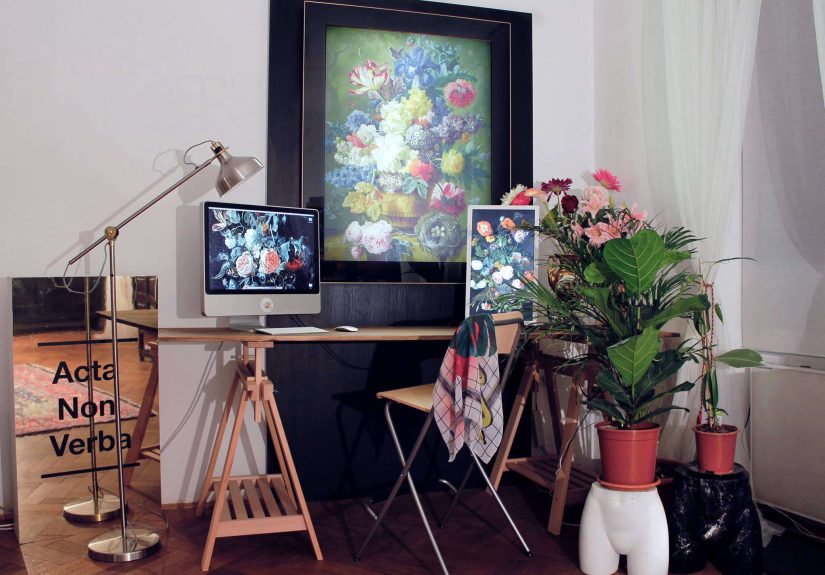
“A Museum’s Worth of Art, at Home” is not just a poetic idea. It is a practical lifestyle shift. Major American museums and cultural institutions now provide vast online collections, public domain images, virtual learning tools, and art-making resources that allow families, students, collectors, decorators, and lifelong learners to explore visual culture from the couch. The Metropolitan Museum of Art, the Smithsonian, the National Gallery of Art, the Getty, the Art Institute of Chicago, MoMA, the Cleveland Museum of Art, the Library of Congress, LACMA, the Detroit Institute of Arts, and many others have opened digital doors that used to require travel, tickets, and comfortable shoes.
The result is a new kind of home gallery: part education, part decoration, part personal sanctuary, and part “please do not touch the wall because I finally got this frame level.” Whether you want to create a gallery wall, teach children about art history, design a rotating digital exhibition, or simply stare at a Dutch still life while eating cereal, bringing art into your home is easier, smarter, and more meaningful than ever.
What Does “A Museum’s Worth of Art, at Home” Really Mean?
At its simplest, the phrase means surrounding yourself with art in a way that feels rich, thoughtful, and personally curated. It does not mean turning your hallway into a silent marble corridor where guests whisper and pretend to understand abstract expressionism. It means using museum resources, high-quality reproductions, public domain artworks, books, digital displays, and creative activities to make art part of daily life.
A museum is not only a building. It is a system of attention. Museums ask us to slow down, compare, wonder, question, and notice details we would normally miss. Bringing that experience home means creating small moments of visual discovery: a framed Japanese woodblock print near your desk, a Renaissance drawing on a tablet screen, a rotating slideshow of American photographs during dinner, or a weekend family activity inspired by modern sculpture.
The key is curation. A museum does not hang everything everywhere all at once, and neither should you. A successful home art experience depends on selection, spacing, context, lighting, and emotional connection. A single powerful image can change the mood of a room. Ten carefully chosen works can tell a story. Thirty random prints taped to a wall can make your living room look like a detective’s evidence board. Choose wisely.
Why Museum Art at Home Has Become So Accessible
Open access changed the game
One of the biggest reasons people can now enjoy museum-quality art at home is the rise of open access. Many museums have made high-resolution images of public domain artworks available for free download and reuse. This means people can study, print, remix, teach with, and enjoy many artworks without requesting special permission.
The National Gallery of Art offers tens of thousands of downloadable images. The Art Institute of Chicago provides free use of many public domain works under Creative Commons Zero. The Getty’s Open Content Program includes a large and growing library of public domain images from its museum and research collections. The Cleveland Museum of Art has made public domain artworks and metadata available for unrestricted use. Smithsonian Open Access goes even further, offering millions of 2D and 3D digital items from across its museums, research centers, libraries, archives, and the National Zoo.
In other words, your home gallery can include paintings, prints, photographs, decorative arts, manuscripts, maps, textiles, and historical objects from some of the most respected collections in the United States. That is a fairly dramatic upgrade from the old “motivational poster with a mountain and one-word caption” era.
Online collections are now serious research tools
Museum websites are no longer simple digital brochures. Many have become deep research platforms. The Met Collection allows users to browse hundreds of thousands of works across thousands of years. MoMA’s online collection features modern and contemporary art, while its learning resources help families and educators turn looking into making. The Library of Congress provides free-to-use image sets covering history, photography, design, books, jazz, architecture, and more.
These resources help people move beyond decoration. You can learn who made an object, when it was created, what materials were used, where it came from, and how it fits into a larger cultural story. That context matters. A print becomes more interesting when you understand the artist’s technique. A photograph becomes more powerful when you know the social world around it. A decorative tile becomes more than a pretty pattern when you recognize the global exchange of style, trade, and influence behind it.
How to Build a Home Gallery That Feels Museum-Worthy
Start with a theme, not a shopping cart
The best home galleries begin with a point of view. Before downloading 83 images because they are free and your printer is feeling brave, choose a theme. Your theme might be “quiet landscapes,” “women artists,” “blue in art,” “city life,” “botanical studies,” “American photography,” “Japanese prints,” “ancient forms,” or “portraits that look like they know my secrets.”
A theme gives your collection structure. It helps you decide what belongs and what can wait. Museums organize exhibitions around ideas, time periods, artists, places, movements, materials, or questions. You can do the same at home. For example, a dining room gallery could focus on still life paintings and food imagery. A home office could feature architectural drawings, maps, or bold modern prints. A child’s room could include animals, space imagery, folk art, and bright abstract compositions.
Mix famous works with unexpected discoveries
It is perfectly fine to love Van Gogh, Monet, Cassatt, Hokusai, O’Keeffe, or Rothko. Famous artworks are famous for a reason. But a home gallery becomes more personal when it includes surprises. Explore museum collections by medium, color, culture, date, or object type. Look for unknown artists, sketches, textiles, ceramics, photographs, posters, and design objects.
For example, instead of hanging only a famous Impressionist reproduction, pair it with a botanical illustration, a 19th-century photograph, or a Japanese woodblock print that shares similar colors. Suddenly the wall becomes a conversation instead of a greatest-hits playlist. Think of yourself as a DJ, but for walls. Fewer glow sticks, more archival paper.
Use scale like a curator
Museums understand scale. A tiny drawing gets breathing room. A large canvas commands attention. At home, scale is just as important. A small print can look lost above a sofa unless it is grouped with other works or placed in a generous mat. A large artwork can anchor a room, but it should not overpower everything else like a visual marching band.
When printing public domain images, consider the original artwork’s proportions. Some works look best as small intimate pieces. Others need size to make an impact. If you are building a gallery wall, combine large, medium, and small frames. Use consistent spacing. Leave negative space. Your wall does not have to be crowded to feel rich. In fact, a little emptiness can make art look more expensive than it is, which is a wonderful trick and entirely legal.
Digital Art Displays: The New Rotating Exhibition
Not every museum-at-home experience needs a hammer, nails, and the emotional journey of measuring twice and still hanging crookedly. Digital displays make it possible to rotate art easily. A smart TV, tablet, digital photo frame, or dedicated art screen can become a changing exhibition.
Create playlists by mood or topic. In the morning, show bright landscapes or abstract works with energy. In the evening, switch to quiet interiors, moonlit photographs, or soft-toned prints. During holidays, build seasonal collections using public domain images from museum and library archives. For a dinner party, create a themed slideshow around food, music, travel, or portraits. Yes, your guests may still talk about real estate and weather, but at least the wall will be doing something cultured.
Digital displays are especially helpful for small apartments, classrooms, shared housing, and families who want variety without storing stacks of frames. They also allow viewers to explore details. Zooming into brushwork, fabric, inscriptions, or background figures can turn passive looking into active discovery.
Art at Home for Families and Students
One of the most valuable uses of home art is education. Children often respond to art with the honesty adults secretly envy. They notice strange animals, dramatic faces, tiny details, odd clothing, and background chaos. They ask questions like, “Why does that baby look like an old man?” which, to be fair, is a valid art-historical inquiry.
Museums such as MoMA and The Met provide family-friendly learning resources, activities, videos, and creative prompts. These tools help children look closely and make their own art. A child might study a collage, then create one from magazine scraps. They might look at a sculpture, then build a form from cardboard. They might compare portraits and then draw a family member with exaggerated expression.
For students, museum collections can support history, literature, science, geography, and design. A map from the Library of Congress can open a discussion about exploration and power. A photograph can introduce social history. A textile can lead to lessons about trade, labor, and technology. A still life can become a conversation about symbolism, wealth, and the suspiciously dramatic life of fruit.
Decorating with Museum Art Without Making Your Home Feel Stuffy
Choose art that matches your life, not just your sofa
Interior design often treats art as a finishing touch, something chosen after the rug, pillows, and lamps have negotiated peace. But meaningful art does more than match a color palette. It reflects personality, memory, values, humor, curiosity, and taste.
That does not mean color is irrelevant. A warm-toned print can make a room feel cozy. A black-and-white photograph can sharpen a modern space. A blue landscape can calm a bedroom. But the best choices also make you feel something. Choose images you want to revisit. Choose works that slow you down. Choose art that still feels interesting after the tenth glance.
Blend old and new
A museum-worthy home does not have to look antique. In fact, mixing periods can make a space feel alive. A classical drawing can look stunning in a modern black frame. A Japanese print can sit beautifully near contemporary furniture. A historical photograph can add depth to a minimalist hallway. A bold modern artwork can wake up a traditional room that has been quietly napping since 1998.
The contrast between old and new reminds us that art is not frozen in the past. It keeps changing depending on where we place it, how we see it, and what we bring to it.
Printing, Framing, and Display Tips
If you plan to print museum images, use high-resolution files whenever available. Choose quality paper, especially for works with delicate lines or rich color. Matte paper often gives reproductions a refined, gallery-like appearance, while glossy paper can work well for certain photographs. For important prints, consider a professional print shop.
Framing matters. A simple frame can make an inexpensive print feel intentional. Mats create breathing room and protect the image from touching the glass. Matching frames can unify a gallery wall, while mixed frames can create a collected-over-time look. Both approaches can work. The goal is not perfection; the goal is intention.
Lighting also changes everything. Avoid placing prints in direct sunlight, which can fade paper and ink. Use soft lamps, picture lights, or indirect natural light. Museums take lighting seriously because light can either reveal beauty or quietly commit vandalism. At home, you do not need museum-grade equipment, but you should avoid turning your favorite print into a sun-bleached ghost.
Creating a Personal Museum Experience at Home
A museum experience is not only about objects. It is about rhythm. You enter, pause, move, compare, read, ignore a label, go back to the label because now you are curious, and eventually leave with one image stuck in your mind. You can recreate this rhythm at home.
Try rotating artworks monthly. Give each room a different theme. Add small labels with artist, title, date, medium, and a one-sentence note. Invite family members to choose a “work of the week.” Build a digital album of favorite pieces. Host a casual art night where each person presents one artwork and explains why they chose it. Snacks are recommended. Museums have cafés for a reason.
You can also pair art with music, books, or meals. Looking at Dutch still lifes while preparing dinner, studying Japanese prints while reading poetry, or viewing early photographs while listening to period music can make art feel connected to everyday life. The more senses you involve, the more memorable the experience becomes.
Experiences Related to “A Museum’s Worth of Art, at Home”
The first time you try to bring museum art into your home, you may expect the process to feel grand and intellectual. In reality, it often begins with a practical question such as, “Why does this wall look so empty?” That small question can lead to a surprisingly rich experience. You search an online museum collection, click one image, then another, then another, and suddenly forty minutes have passed. You started with landscapes and somehow ended up studying 18th-century teapots. This is not failure. This is culture doing what culture does best: wandering into unexpected rooms.
One of the most rewarding experiences is choosing art with other people. A family gallery wall can become a collection of personalities. One person wants dramatic seascapes. Another wants animals. Someone else chooses modern art because “it looks like music.” Children often make the boldest choices. They are less worried about whether something is famous and more interested in whether it feels exciting, funny, spooky, beautiful, or weird. Their honesty can rescue adults from decorating too safely.
Another memorable experience is seeing how art changes a room’s mood. A hallway with blank walls is just a route to somewhere else. Add a row of photographs, prints, or drawings, and the hallway becomes a place to pause. A kitchen with a botanical print feels fresher. A bedroom with a quiet landscape feels calmer. A work area with architectural drawings or bold abstract forms can feel more focused. The art does not need to be expensive to have presence. It needs to be chosen with care.
There is also pleasure in making your own labels. A small label beside a framed reproduction can transform the way people look at it. Include the artist, title, date, and one short sentence: “Notice the tiny figure near the window,” or “This color appears three times across the composition.” Suddenly guests are not just glancing; they are looking. The label turns the wall into a conversation. It also makes you feel slightly like a curator, which is a harmless and highly enjoyable form of power.
Digital displays create a different kind of experience. Instead of committing one wall to one image for years, you can change the atmosphere daily. A Sunday morning slideshow of soft landscapes feels different from a Friday evening rotation of bold modern works. Seasonal sets are especially fun. Winter scenes, flower studies, travel posters, historic photographs, and holiday imagery can refresh a home without buying new decor every month.
Perhaps the best experience is the quietest one: living with an artwork long enough for it to reveal itself. At first you notice the main subject. Later, you notice the background. Then the color. Then the strange little detail in the corner. Then the mood. Museum visits are wonderful, but they are often brief. At home, art has time to become familiar. It becomes part of the room, part of your routine, and sometimes part of your memory. That is the real magic of having a museum’s worth of art at home. You are not just decorating. You are building a daily relationship with looking.
Conclusion: The Home Gallery Is for Everyone
A museum’s worth of art at home is not about wealth, status, or owning rare masterpieces. It is about access, curiosity, and the joy of living with images that make everyday spaces more thoughtful. Thanks to open-access museum collections, online archives, digital learning tools, and high-quality public domain resources, anyone can create a home environment filled with beauty, history, and imagination.
Start small. Choose one wall, one theme, or one digital playlist. Learn about the works you select. Rotate them when your taste changes. Let children participate. Let guests ask questions. Let your home become a place where art is not locked behind glass but woven into ordinary life. You may not have marble columns, a gift shop, or a guard named Dennis reminding people not to touch the sculpture, but you can still build something meaningful: a personal museum that opens every morning when you wake up.






 Close
Close