
Table of Contents >> Show >> Hide
- The Simple Rule: Change Your Tampon Every 4 to 8 Hours
- Why You Should Not Leave a Tampon In Too Long
- What Is Toxic Shock Syndrome?
- Can You Sleep With a Tampon In?
- Choosing the Right Tampon Absorbency
- What Happens If You Accidentally Leave a Tampon In Too Long?
- Can a Tampon Get Lost Inside You?
- Can You Wear a Tampon When You Are Not on Your Period?
- Tampon Hygiene: Small Habits That Matter
- Tampons vs. Pads vs. Period Underwear vs. Menstrual Cups
- Practical Examples: How Long to Keep a Tampon In Based on Your Day
- When to Call a Doctor About Tampon Use
- Extra Experiences and Real-Life Lessons About Tampon Timing
- Conclusion: The 8-Hour Rule Is Your Best Friend
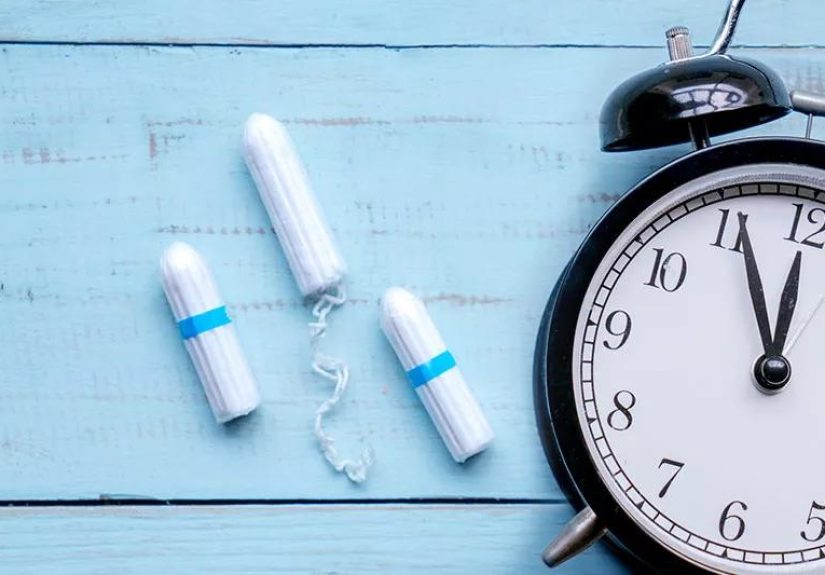
Let’s answer the big question right away: you should change a tampon every 4 to 8 hours, and you should never leave one tampon in for more than 8 hours. That is the standard safety window recommended by major health authorities, including the U.S. Food and Drug Administration. In everyday language, that means a tampon is not a “set it and forget it” kind of product. It is more like a parking meter: useful, convenient, and totally manageableas long as you do not ignore the clock.
Tampons are popular because they are discreet, comfortable when inserted correctly, and helpful for swimming, sports, travel, school, work, and those days when a pad feels like too much laundry planning. But safe tampon use matters. Leaving a tampon in too long can increase the risk of irritation, odor, leakage, bacterial overgrowth, and in rare cases, toxic shock syndrome, often called TSS.
The good news is that tampon safety is not complicated. You do not need a medical degree, a spreadsheet, or a period-tracking command center with flashing lights. You simply need to choose the right absorbency, wash your hands, change your tampon regularly, and know when to switch to another menstrual product.
The Simple Rule: Change Your Tampon Every 4 to 8 Hours
The safest general answer to “how long should you keep a tampon in?” is 4 to 8 hours. If your flow is heavy, you may need to change it closer to every 3 or 4 hours. If your flow is moderate or light, you may be comfortable closer to 6 or 8 hours. But 8 hours is the upper limit, not a casual suggestion.
Think of the 8-hour mark as the “do not cross” line. If your tampon is still not full after 8 hours, that does not mean you found the world’s most efficient tampon. It usually means the absorbency is too high for your flow. In that case, choose a lower absorbency next time.
Quick Timing Guide
- Heavy flow: Change every 3 to 4 hours, or sooner if leaking.
- Moderate flow: Change every 4 to 6 hours.
- Light flow: Change every 6 to 8 hours, but never exceed 8 hours.
- Overnight use: Only use a tampon overnight if you will sleep 8 hours or less and can change it right away when you wake up.
Why You Should Not Leave a Tampon In Too Long
A tampon sits inside the vagina and absorbs menstrual blood. That is its job. However, when a tampon stays in too long, it can create a warm, moist environment where bacteria have more time to multiply. This does not mean every late tampon change causes a medical emergency. Most people who accidentally go past 8 hours will not develop a serious problem. But the risk goes up the longer the tampon stays in.
Leaving a tampon in too long may lead to unpleasant odor, vaginal irritation, unusual discharge, discomfort, or increased risk of infection. The rare but serious concern is toxic shock syndrome, a fast-moving illness linked to toxins produced by certain bacteria. TSS can happen with tampons, menstrual cups, wounds, surgery, burns, and other situations involving bacterial growth. Tampons do not magically create TSS on their own, but prolonged wear and high absorbency can increase risk.
What Is Toxic Shock Syndrome?
Toxic shock syndrome is a rare but potentially life-threatening condition caused by toxins from bacteria such as Staphylococcus aureus or Streptococcus pyogenes. It can affect multiple organs and may progress quickly. Although TSS became widely associated with super-absorbent tampons in the 1980s, today it is much less common thanks to improved product standards, FDA review, labeling, and public education.
Still, “rare” does not mean “ignore it.” Sharks are rare at the neighborhood pool too, but if one appears, you do not debate statisticsyou get out. With TSS, quick action matters.
Warning Signs of TSS
Remove the tampon and seek urgent medical care if you develop symptoms such as:
- Sudden high fever
- Vomiting or diarrhea
- Dizziness, fainting, or feeling like you might pass out
- A rash that looks like sunburn
- Muscle aches or severe weakness
- Confusion or feeling unusually ill
- Low blood pressure symptoms, such as extreme lightheadedness
These symptoms can appear during your period or shortly afterward. If something feels dramatically wrong, do not wait to see if it becomes a “funny story later.” Call a healthcare professional or seek emergency care.
Can You Sleep With a Tampon In?
Yes, you can sleep with a tampon in, but only if you follow the 8-hour rule. If you put in a fresh tampon right before bed and plan to sleep 7 or 8 hours, change it as soon as you wake up. That is generally considered acceptable for many people.
However, if you are a champion sleeper who disappears under the blankets for 10 hours, a tampon is not the best overnight choice. Use a pad, period underwear, or another product designed for longer wear. Your future morning self will thank you, especially if your alarm clock has a history of betrayal.
Best Overnight Tampon Safety Tips
- Insert a fresh tampon right before going to sleep.
- Set an alarm if you might sleep longer than 8 hours.
- Use the lowest absorbency that works for your flow.
- Change the tampon immediately after waking.
- Choose a pad or period underwear if you need longer protection.
Choosing the Right Tampon Absorbency
One of the most important tampon safety tips is simple: use the lowest absorbency tampon that controls your flow. Tampon absorbency is not a confidence ranking. Super-plus does not mean you are winning your period. It simply means the tampon holds more fluid, and if you do not need that much absorbency, it may be too much for your body that day.
If a tampon feels dry or uncomfortable when you remove it after several hours, move down to a lighter absorbency. If you are leaking through in an hour or two, you may need a higher absorbency or a backup pad. Period flow often changes from day to day, so it is normal to use different absorbencies during one cycle.
How to Tell If Your Tampon Absorbency Is Too High
- The tampon feels dry when removed.
- Removal is uncomfortable or scratchy.
- You can wear it 8 hours without much blood on it.
- You feel irritation after use.
How to Tell If Your Tampon Absorbency Is Too Low
- You leak before 4 hours.
- The tampon is fully saturated very quickly.
- You need to change it every 1 to 2 hours repeatedly.
- You need backup protection even with frequent changes.
If your bleeding is so heavy that you soak through a tampon or pad every hour for several hours, contact a healthcare provider. Heavy menstrual bleeding can have many causes, and you deserve answers beyond “well, periods are weird.”
What Happens If You Accidentally Leave a Tampon In Too Long?
First, do not panic. Remove the tampon as soon as you remember. Wash your hands before and after removal. Then pay attention to how you feel over the next day or two.
If you feel normal, you may not need to do anything else. Many people have accidentally gone past the 8-hour mark at least once because life happens: long meetings, road trips, final exams, delayed flights, naps that became hibernation, or a busy day that swallowed time like a tiny administrative monster.
However, if you notice fever, rash, vomiting, diarrhea, dizziness, pelvic pain, foul odor, unusual discharge, or you simply feel very unwell, contact a healthcare provider quickly. If you cannot remove the tampon, do not keep digging around in discomfort. A clinician can remove it safely.
Can a Tampon Get Lost Inside You?
No, a tampon cannot get lost inside your body. The vagina is not an endless hallway with mysterious side doors. The cervix sits at the top of the vagina and prevents a tampon from traveling into the uterus. A tampon can shift higher, turn sideways, or become harder to reach, especially if the string moves inside, but it cannot wander into your abdomen like it has vacation plans.
If you cannot find the string, wash your hands, relax your pelvic muscles, squat or sit on the toilet, and gently try to feel for the tampon. Bearing down slightly, like you are having a bowel movement, may help move it lower. If you still cannot remove it, call a healthcare provider.
Can You Wear a Tampon When You Are Not on Your Period?
No. Tampons are designed for menstrual flow. They should not be used for everyday discharge, spotting that does not require absorbency, or “just in case” protection before your period starts. Wearing a tampon when your flow is too light can cause dryness and irritation. It may also make removal uncomfortable.
If you are expecting your period soon, use a panty liner, pad, or period underwear instead. Tampons work best when there is enough menstrual fluid for comfortable absorption.
Tampon Hygiene: Small Habits That Matter
Good tampon hygiene is refreshingly simple. Wash your hands before inserting or removing a tampon. Use a clean, unopened tampon. Follow the package directions. Throw used tampons in the trash, not the toilet. Change them regularly. Do not reuse tampons. Do not use more than one tampon at a time.
That last point sounds obvious, but it matters. Using two tampons does not double protection; it doubles confusion and raises the risk of forgetting one. If your flow is heavy, use a higher absorbency tampon within safe guidelines or add a backup pad.
Tampons vs. Pads vs. Period Underwear vs. Menstrual Cups
No menstrual product is perfect for everyone. Tampons are convenient and discreet, but they require regular timing. Pads are easy to monitor and often better for overnight use, though some people dislike the bulk. Period underwear can be comfortable for light to moderate flow or backup protection. Menstrual cups and discs may offer longer wear times depending on product instructions, but they also require careful cleaning and correct use.
The best period product is the one that fits your body, flow, schedule, budget, and comfort level. You are not required to be loyal to one product like it is a sports team. Many people use a mix: tampons during the day, pads at night, period underwear for backup, and a menstrual cup for travel or workouts.
Practical Examples: How Long to Keep a Tampon In Based on Your Day
School or Work Day
If your day starts at 8 a.m., insert a fresh tampon before leaving home and plan to change it around lunchtime. Change again in the late afternoon if needed. Keep extra tampons in your bag, desk, locker, or car. A tiny emergency pouch can save the day and make you feel like a responsible wizard.
Workout Day
Tampons can be useful for running, gym workouts, dance, swimming, or team sports. Insert a fresh tampon before the activity if needed, and change it afterward, especially if you have been sweating. Moisture and time are not a dream team for comfort.
Travel Day
Travel can make tampon timing harder because bathrooms are not always available exactly when you want them. Use a lower-risk plan: change before boarding, carry supplies, use backup protection, and avoid pushing past 8 hours. For long flights or bus rides, a pad or period underwear may be easier.
Light Flow Day
On the last day of your period, a tampon may feel dry or uncomfortable. Switch to a liner, light pad, or period underwear. Your vagina does not need to be sandpapered in the name of optimism.
When to Call a Doctor About Tampon Use
Contact a healthcare provider if you have pain when inserting tampons, repeated irritation, unusual discharge, strong odor, fever, rash, dizziness, or trouble removing a tampon. You should also seek medical advice if your periods are suddenly much heavier, last longer than usual, or interfere with daily life.
For teens or first-time tampon users, discomfort can come from tension, angle, dryness, or using the wrong absorbency. But severe pain is not something to “just push through.” A doctor, nurse, or gynecologist can help identify what is going on and suggest a better option.
Extra Experiences and Real-Life Lessons About Tampon Timing
Most tampon problems come from normal life, not carelessness. Someone plans to change their tampon after class, then a teacher runs late. Someone goes to a wedding and discovers the restroom line has the emotional intensity of a theme park ride. Someone takes a “quick nap” and wakes up confused, dehydrated, and suddenly aware that eight hours is not a myth. These situations are common, which is why building small routines helps.
One helpful experience-based habit is pairing tampon changes with existing parts of your day. For example, change your tampon when you wake up, before lunch, after work or school, and before bed if you are using one overnight. Anchoring the habit to meals, breaks, or bathroom visits makes it less likely that time will sneak past you.
Another practical lesson: always carry more than one absorbency. Your period may start like a dramatic thunderstorm and end like a polite drizzle. A regular tampon may be perfect at noon and too much by evening. Keeping light, regular, and super options nearby helps you choose what your body actually needs instead of forcing one product to do every job.
People who are new to tampons often worry about whether they inserted it correctly. A properly inserted tampon usually should not feel uncomfortable. If you can feel it poking, pressing, or sitting too low, it may not be inserted far enough, or the angle may be off. Relaxing your muscles and aiming slightly toward your lower back often helps. If it still hurts, remove it and try again later with a smaller size or a different product.
For busy days, backup protection is not a sign of defeat. A liner or period underwear can prevent leaks if your flow changes suddenly or you cannot get to a bathroom on schedule. Many experienced tampon users rely on backup during heavy days, travel, exams, presentations, shifts, or long commutes. It is not overplanning; it is peace of mind with elastic.
Another real-life tip is to set a quiet phone reminder. Label it something discreet if privacy matters, such as “check bag” or “water break.” A reminder every 4 to 6 hours during your period can help you stay within the safe tampon wear time without mentally tracking every minute. Your brain already has enough tabs open.
Finally, remember that comfort matters. If tampons repeatedly make you anxious, dry, irritated, or uncomfortable, you do not have to use them. Menstrual care is not a personality test. Pads, cups, discs, liners, and period underwear all exist because bodies and lifestyles are different. The goal is not to prove you can use a tampon. The goal is to manage your period safely, comfortably, and with as little drama as possible.
Conclusion: The 8-Hour Rule Is Your Best Friend
So, how long should you keep a tampon in? Change it every 4 to 8 hours, and never wear one tampon for more than 8 hours. Use the lowest absorbency that works for your flow, wash your hands before and after use, and switch to pads or period underwear when you need longer protection.
Tampons are safe for many people when used correctly. The key is timing, absorbency, and awareness. If you accidentally leave one in too long, remove it as soon as possible and monitor for symptoms. If you feel seriously ill, have a sudden fever, rash, vomiting, diarrhea, dizziness, or cannot remove the tampon, seek medical care right away.
Your period may be unpredictable, inconvenient, and occasionally rude, but tampon safety does not have to be complicated. Keep the 4-to-8-hour rule in mind, listen to your body, and give yourself the kind of practical care you would recommend to a friend.
Note: This article is for general educational purposes only and is not a substitute for medical advice, diagnosis, or treatment. If you have severe symptoms, unusual pain, signs of infection, or concerns about toxic shock syndrome, contact a qualified healthcare professional immediately.





 Close
Close