Table of Contents >> Show >> Hide
- What Makes the Nigella Lawson Bread Bin Stand Out?
- Why a Bread Bin Still Makes Sense in a Modern Kitchen
- How to Use a Nigella-Style Bread Bin Properly
- Design Notes: Why This Bread Bin Still Feels Current
- Is It Worth Buying Today?
- Styling Ideas for a Countertop That Looks Effortlessly Put Together
- Experience: Living With a Nigella Lawson Bread Bin
- Final Thoughts
Some kitchen accessories whisper. Others clang around like they are auditioning for a cookware commercial. The Nigella Lawson Bread Bin does neither. It simply sits there looking calm, clever, and a little smug, as if it knows your countertop could use a touch more order and a lot more style. And honestly, it would not be wrong.
Part of Nigella Lawson’s Living Kitchen line, created with designer Sebastian Conran, this bread bin has earned a loyal following because it solves a wonderfully ordinary problem in a very elegant way. It stores bread, yes, but it also behaves like a design object, a prep tool, and the kind of kitchen accessory that makes people ask, “Wait, where did you get that?” even if the answer is now usually, “After a suspiciously competitive hunt through secondhand listings.”
That lasting appeal is the real story here. The Nigella Lawson Bread Bin is not just a container for carb enthusiasts. It represents a style of kitchen design that values usefulness, tactile materials, and visual restraint. In an era of clear plastic organizers and enough labeled bins to make a pantry look like a laboratory, this piece feels refreshingly grown-up. It is practical without being boring, stylish without being loud, and clever without forcing you to read a ten-page instruction booklet to figure out where the lid goes.
What Makes the Nigella Lawson Bread Bin Stand Out?
A design that actually earns its counter space
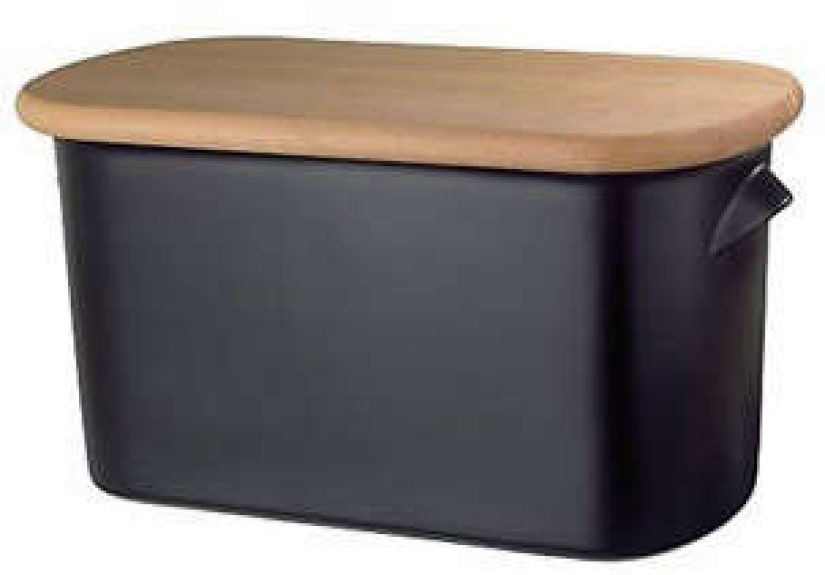
The most distinctive feature is the pairing of a ceramic body with a beech wood lid that flips into service as a bread board. That is the kind of double-duty design people love because it makes sense immediately. No gimmicks. No unnecessary moving parts. Just a handsome bread bin that moonlights as a cutting surface when toast time arrives.
The ceramic base gives the piece a grounded, substantial feel. It looks solid, tidy, and slightly architectural, while the wooden top softens the overall effect and keeps it from feeling cold or industrial. Versions were offered in black and cream, both of which suit a wide range of kitchens. The black version leans dramatic and modern; the cream version feels warmer, softer, and more classic. Either way, the aesthetic is unmistakably polished.
There is also something quietly brilliant about the molded side handles. They make the piece easier to lift, but they also stop the bin from looking like just another box. The shape feels intentional. You can tell it came from a design collaboration rather than from a generic “kitchen storage item, item number 4287” catalog page.
Why it still has fans years later
The reason people still search for this bread bin is simple: it solves more than one problem at once. It hides visual clutter, gives bread a proper home, and makes a countertop look more composed. It is the rare accessory that works hard without looking like it is trying too hard. That balance is harder to find than a decent avocado in a heat wave.
It also benefits from being part of a broader design philosophy. Nigella Lawson has long championed food that feels generous, comforting, and lived-in rather than fussy. This bread bin fits that spirit. It is beautiful, but not precious. Useful, but not utilitarian in a dull way. The message is clear: daily kitchen life deserves good design too.
Why a Bread Bin Still Makes Sense in a Modern Kitchen
The surprisingly important science of bread storage
Let us give bread the respect it deserves. A good loaf is not just food; it is breakfast insurance, soup’s best friend, and the backbone of countless midnight snacks. But bread is also annoyingly dramatic. Too much air and it dries out. Too much trapped moisture and mold arrives like an uninvited relative who plans to stay the week.
That is where a bread bin earns its keep. A well-designed bread box creates a middle ground between full exposure and total sealing. It allows just enough airflow to help reduce excess moisture while still protecting the loaf from the dry open air of the kitchen. For many homes, especially those that buy bakery loaves or bake their own bread, that balance can be more helpful than leaving bread on the counter in a paper bag or trapping it in the wrong kind of plastic.
Still, the truth is more nuanced than “bread box good, everything else bad.” Experts generally agree that the best storage method depends on the type of loaf. Soft sandwich breads often do well in more airtight wrapping because the goal is retaining softness. Crusty artisan loaves need a bit more breathability so the crust does not turn limp too quickly. A bread bin can be a smart middle path, especially for people who want their bread accessible, protected, and not hidden behind the oat milk and yesterday’s leftovers.
Not every loaf wants the same treatment
If you mainly eat soft sourdough sandwich loaves, enriched breads, or store-bought sliced bread, a bag may sometimes outperform a bread bin for maximum softness. If you buy rustic boules, crusty country loaves, or unsliced bakery bread, a bread bin becomes more attractive because it helps keep the crumb from drying while not smothering the crust immediately. In other words, bread storage is less about one perfect rule and more about matching the tool to the loaf.
That is part of the charm of the Nigella Lawson Bread Bin. It is not pretending to suspend the laws of bread physics. It is simply offering a stylish and functional place for the kinds of loaves many people actually want to display, slice, and eat over a couple of days.
How to Use a Nigella-Style Bread Bin Properly
Step one: do not put hot bread in it
If you have baked a loaf yourself, let it cool completely before storing it. Warm bread releases steam, and steam trapped in a container is basically a formal invitation to sogginess. Bread should go into the bin after it has cooled and settled, not while it is still performing its grand oven encore.
Step two: keep the bin in the right place
A bread bin should live in a cool, dry area of the kitchen, away from direct sunlight, the dishwasher, and the top of the refrigerator. Heat and moisture are not your loaf’s friends. If your countertop has one scorching “sunroom for sourdough” corner, choose a different spot.
Step three: be smart about slicing
Leave bread unsliced as long as possible. Once a loaf is cut, more interior surface is exposed to air, which speeds drying. Slice what you need, keep the cut side protected, and let the bread bin do the rest. This is especially helpful for homemade loaves that do not contain preservatives and tend to stale faster than store-bought bread.
Step four: know when the freezer is the better hero
A bread bin is for short-term storage, not time travel. If you know you will not finish a loaf within a few days, slice it, wrap it well, and freeze it. That is often the best way to preserve both texture and flavor for the long haul. The bread bin is excellent, but it is not magic. If it were, stale baguettes would file complaints.
Step five: clean it like you mean it
One of the appealing details of the Nigella Lawson Bread Bin is that the ceramic base is easy to clean, while the wooden lid only needs a damp wipe. In real life, that is a practical advantage. Crumbs build up. Flour appears from nowhere. One day you are storing a loaf, and the next day there is a mysterious sesame seed civilization forming in the corner. Regular cleaning keeps the bin looking beautiful and prevents moisture or crumbs from lingering too long.
Design Notes: Why This Bread Bin Still Feels Current
Trends come and go. One minute every kitchen is industrial farmhouse. The next minute everything is ribbed glass, fluted oak, and a faucet that costs more than a weekend trip. Yet the Nigella Lawson Bread Bin still feels relevant because its design avoids trend gimmicks. It uses classic materials, gentle curves, and a restrained palette. It was made to be lived with, not just photographed next to a strategically placed linen napkin and a lemon nobody plans to eat.
That is also why it works in so many interiors. In a modern kitchen, it reads as sculptural and clean. In a traditional kitchen, it feels warm and familiar. In a smaller apartment kitchen, it can function as both storage and visual anchor. It helps a countertop look intentional rather than accidentally crowded.
And because the lid doubles as a board, the object has a rhythm to it. Lift, slice, serve, close. That simple cycle makes it satisfying to use. The best kitchen tools often create tiny rituals, and this bread bin absolutely does that.
Is It Worth Buying Today?
If you find one in good condition, yes, it can be worth buying, especially if you value kitchen pieces that combine utility with personality. This is particularly true if you enjoy vintage or discontinued homeware with a practical purpose. You are not just buying storage; you are buying a piece of design history with daily usefulness built in.
That said, shop carefully. If you are buying secondhand, inspect the ceramic for chips, crazing, or hairline cracks. Check the wooden lid for warping, splitting, or excessive staining. Since the lid is such a central feature, damage there matters. A beautiful ceramic base with a tired lid is a bit like a sports car with flat tires: still interesting, but not quite living its best life.
Also think about your bread habits. If you mostly keep supermarket sandwich bread in its original packaging and finish it quickly, a dedicated bread bin may be more about style than necessity. But if you buy artisan bread, bake often, or want your kitchen to feel more thoughtful and less cluttered, this piece earns its place.
Styling Ideas for a Countertop That Looks Effortlessly Put Together
The Nigella Lawson Bread Bin shines when styled with restraint. Put it near a kettle, toaster, or coffee setup so it feels part of a breakfast zone. Pair it with a small crock of wooden utensils, a linen towel, or a simple ceramic butter dish for a coordinated but not overly staged look.
The cream version looks especially good in kitchens with warm whites, wood accents, brass hardware, or vintage-inspired details. The black version pairs beautifully with darker countertops, matte finishes, and more contemporary cabinetry. Either one works best when it has a bit of breathing room. Do not wedge it between five appliances and a fruit bowl so crowded it looks like a produce traffic jam.
You can also use it for more than bread. Pastries, bagels, English muffins, and even wrapped baked goods can live there for short-term storage. Just remember that the more mixed the contents, the more often you will need to tidy it out. A bread bin should suggest domestic competence, not expose your secret habit of hoarding half-finished croissants.
Experience: Living With a Nigella Lawson Bread Bin
Using a bread bin like this changes the mood of a kitchen in small but noticeable ways. At first, it seems like a simple storage upgrade. Then, after a few mornings, you realize it has quietly altered the flow of daily life. Bread has a home. Crumbs have boundaries. The countertop looks calmer. Breakfast feels less like a scramble and more like a civilized event, even if you are still standing there in mismatched socks wondering whether coffee counts as a personality.
There is a tactile pleasure to it that cheaper storage options rarely offer. The ceramic base feels substantial when you move it, and the wooden lid has that satisfying, natural warmth that makes a kitchen feel less mechanical. Removing the lid, flipping it over, and slicing into a loaf becomes a tiny ritual. It is one of those moments that makes ordinary kitchen tasks feel a little less ordinary.
It also encourages better habits. Because the bread is stored properly and kept in sight, people are more likely to use it while it is still at its best. A loaf that might otherwise drift sadly toward staleness in a crumpled bag often gets eaten on time because it is visible, accessible, and ready for action. Toast happens faster. Sandwiches happen more often. Impulse garlic bread energy remains high.
From a visual standpoint, the experience is equally strong. A good bread bin can make a counter look styled without looking staged. The Nigella Lawson version does this especially well because it avoids fussiness. It brings shape, texture, and a sense of order. Even on a busy day, when dishes are drying and the mail has somehow migrated into the kitchen again, the bread bin helps anchor the room.
There is also a slight emotional charm to owning a piece like this. It feels connected to the idea of the kitchen as a living space rather than a purely functional one. Bread is one of the most comforting foods on earth, and storing it in something thoughtfully designed adds a quiet layer of pleasure. It is not about luxury in a flashy sense. It is about the deeper luxury of using something well-made in the rhythm of everyday life.
Of course, the experience is not perfect in every household. In very humid climates, you need to stay alert and check your loaf more often. If you buy oversized bakery loaves, you may need to be selective about what fits. And if your family treats bread like a competitive sport and finishes a loaf in six hours, the bread bin may spend most of its time looking decorative. But even then, it still contributes something: a sense that the kitchen has been considered, not just assembled.
That may be the real magic of the Nigella Lawson Bread Bin. It takes one of the most everyday kitchen tasks and gives it a little elegance. Not dramatic elegance. Not chandelier-over-the-island elegance. Just the gentler kind that makes home cooking feel nicer, counters look smarter, and slicing bread seem like an act worth slowing down for.
Final Thoughts
The Nigella Lawson Bread Bin endures because it is exactly what the best kitchen accessories should be: useful, beautiful, and easy to live with. It does not try to reinvent bread storage. It just makes it smarter and more attractive. That beech lid, that ceramic body, that quietly confident shape; they all add up to an object that still feels relevant in modern kitchens.
If you can find one, it is a worthy buy for anyone who loves thoughtful kitchen design, keeps good bread around, or simply wants an accessory that works harder than it shows off. And in a world full of gadgets that promise to transform your life before ending up in the back of a cabinet, that is a refreshing kind of brilliance.