Table of Contents >> Show >> Hide
- What Is the Alessi Serie 40 Place Setting?
- The Design Story Behind Serie 40
- What Comes in the Place Setting and Why It Matters
- How to Style the Alessi Serie 40 Place Setting on a Modern Table
- Buying Tips for Collectors and Design-Lovers
- Care and Maintenance: Keep the Shine, Skip the Regret
- Why the Alessi Serie 40 Place Setting Still Deserves Attention
- Experience Notes: What Living With the Alessi Serie 40 Place Setting Feels Like (Extended)
- Conclusion
Some flatware is just there to move food from plate to face. The Alessi Serie 40 Place Setting is not that kind of flatware. This is the kind of tableware that makes people pause mid-bite and ask, “Wait… where did you get these?” It has that rare design magic: a clean, architectural look, a quiet sense of history, and enough personality to make even Tuesday-night pasta feel a little more intentional.
If you’ve been searching for information on the Alessi Serie 40 Place Setting, you’ve probably already noticed something important: it’s not exactly sitting on every online shelf with a giant “Buy Now” button. That’s because this specific set is widely treated as a discontinued design item, which only adds to its appeal. It lives in that sweet spot between functional flatware and collectible design object.
In this guide, we’ll break down what the Serie 40 Place Setting is, why design lovers still care about it, how it fits into modern table styling, what to know about materials and maintenance, and what real-world use feels like when you bring a design-forward place setting into everyday life. Think of this as part design history, part shopping guide, part practical advice for people who want their dinner table to look good and survive actual dinner.
What Is the Alessi Serie 40 Place Setting?
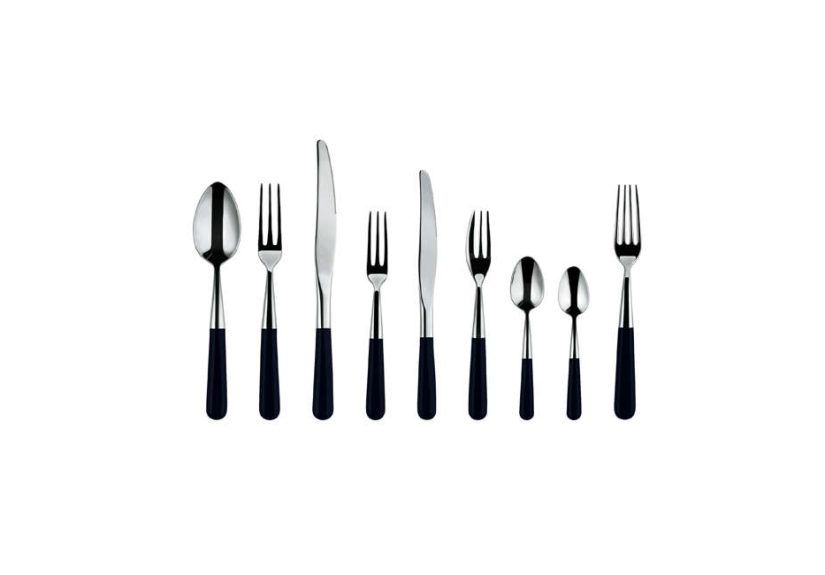
The Alessi Serie 40 Place Setting is a five-piece flatware set associated with Alessi’s historic Italian cutlery design tradition. The set is commonly described as including a dinner knife, dinner spoon, dinner fork, dessert fork, and tea spoon. One of its standout details is the contrast between 18/10 stainless steel and a dark blue, nearly black high-strength plastic handle, which gives it a refined bistro-meets-modernist look.
In practical terms, it’s a place setting that balances elegance and usability. In visual terms, it’s what happens when industrial design gets invited to dinner and actually shows up dressed appropriately. No unnecessary decoration. No fussy flourishes. Just crisp lines, strong proportions, and a subtle handle contrast that makes the set look more tailored than trendy.
The product is often referenced as discontinued, so shoppers today usually encounter it in design archives, specialty listings, or resale markets. That scarcity has turned it into a favorite among collectors, design enthusiasts, and anyone who wants a table setting that feels more curated than mass-market.
The Design Story Behind Serie 40
A 1930s Design Legacy That Still Feels Current
One reason the Alessi Serie 40 Place Setting still gets attention is its design lineage. Alessi’s own Caccia family history points back to a 1938 cutlery project presented at the 1940 Milan Triennale, where it was praised for balancing craftsmanship with the industrial future of household objects. That description still feels surprisingly modern because, frankly, we are all still trying to buy things that feel handmade but don’t act precious.
Design records from major museum collections also reinforce just how important this period was. MoMA catalogs 1938 flatware works connected to Luigi Caccia Dominioni and Pier Giacomo Castiglioni, and its artist records show multiple related flatware and cutlery entries from the same era. In other words: this isn’t just “nice silverware.” It sits inside a larger story of 20th-century product design.
Why the Look Still Works Today
The Serie 40 aesthetic ages well because it avoids gimmicks. The stainless steel body keeps it timeless, while the dark handle adds contrast without shouting. It can work with minimalist white dinnerware, rustic ceramics, or even colorful stoneware if you like a high-low mix. It looks intentional on a formal table and equally at home next to a bowl of takeout noodles you swore you were going to plate nicely.
That versatility is the real superpower. Great flatware should not require a special occasion. It should quietly upgrade the occasion you already have.
What Comes in the Place Setting and Why It Matters
The 5-Piece Composition
A standard five-piece place setting is the sweet spot for most households: enough pieces for everyday meals, flexible enough for casual hosting, and easy to expand if you collect additional sets over time. In the Serie 40 configuration, the lineup typically includes:
- Dinner knife
- Dinner spoon
- Dinner fork
- Dessert fork
- Tea spoon
That mix covers the majority of real meals people actually eat. It’s also consistent with how many modern flatware sets are structured, which is useful if you’re trying to blend a collectible design set with contemporary serving pieces or backup everyday flatware.
Material: 18/10 Stainless Steel
The “18/10” label matters more than it looks. In flatware terminology, the numbers refer to chromium and nickel content in the stainless steel alloy. Higher nickel content is associated with better corrosion resistance and a brighter shine, which is why 18/10 is often treated as the premium choice for flatware. In short: it’s the difference between “looks nice out of the box” and “still looks nice after years of dish duty.”
For design-minded buyers, this is good news. You’re not just paying for the silhouette. You’re getting a material standard that supports long-term use, which is exactly what you want from a piece with design pedigree.
Handle Detail: The Signature Dark Contrast
The handle is where the Serie 40 Place Setting gets its personality. Descriptions of the set consistently note a dark blue, almost black high-strength plastic handle, and individual listings for the 40 Range often identify the handle material as POM (polyoxymethylene), a durable engineering plastic commonly used in precision components.
Translation: it looks sleek, but it’s not fragile drama. The handle material choice supports durability while preserving the visual contrast that makes the set stand out. It’s a small design move with a big impact, like a black blazer over a white shirtsimple, sharp, impossible to mess up.
How to Style the Alessi Serie 40 Place Setting on a Modern Table
Use the “Outside-In” Rule
If you’re using the Serie 40 for guests and want the table to look polished, classic table-setting guidance is your friend. The core rule is simple: place utensils in the order of use, from the outside in. Forks go on the left; knives and spoons go on the right. If you’re serving fewer courses, use fewer utensils. No one has ever been impressed by an unnecessary spoon.
This rule works beautifully with the Serie 40 because the set already has a clean, orderly look. Good placement lets the design do its thing without clutter.
Pairing Ideas for Different Looks
Here are a few table-styling directions that work especially well with this flatware:
- Minimalist: White plates, linen napkins, clear stemware, and no centerpieces taller than your guests’ eyebrows.
- Warm Modern: Matte stoneware, wood chargers, and soft neutral textiles for a less formal but still elevated setup.
- Bistro-Inspired: Plain white dinnerware, small candlelight, and a simple carafeclassic, unfussy, and charming.
- Holiday Upgrade: Keep the flatware modern and let the glassware and linens carry the festive look.
Because the Serie 40 has that dark handle accent, it also plays nicely with darker tablescapescharcoal linens, walnut wood, or smoked glass. It adds contrast without disappearing into the setting.
Buying Tips for Collectors and Design-Lovers
Expect Discontinued Status
The first thing to know: the Alessi Serie 40 Place Setting is commonly listed as discontinued. That means availability can be inconsistent, and pricing may vary depending on condition, completeness, and seller reputation.
If you’re shopping for a set, be ready to act like a patient design detective. Not a chaotic one. A patient one.
What to Check Before You Buy
- Piece completeness: Confirm you’re getting all five pieces, not a partial set.
- Handle condition: Look for cracks, chips, or uneven fading in the dark handle material.
- Surface finish: Minor signs of use are normal, but deep scratches or pitting are different stories.
- Pattern consistency: Vintage and discontinued flatware can get mixed with similar-looking pieces.
- Seller photos: Ask for close-ups of handle joints and knife blades if images are vague.
Use Current Alessi Pricing as a Reality Check
Even if the Serie 40 itself is discontinued, Alessi’s current U.S. Caccia offerings are useful as a pricing benchmark. Current Alessi listings show premium pricing for Caccia flatware sets and individual pieces, which helps explain why well-kept discontinued pieces can hold value. In other words, if you find a complete Serie 40 set in excellent condition, don’t expect thrift-store pricing unless the universe is feeling unusually generous.
Care and Maintenance: Keep the Shine, Skip the Regret
Why 18/10 Helps
High-quality 18/10 stainless steel is favored for its shine and corrosion resistance, but “stainless” does not mean “indestructible.” It means “less likely to betray you if you treat it decently.”
Foods with high acidity or salt content can be rough on flatware if residue sits too long. Eggs, mustard, vinegar, and coffee are repeat offenders in flatware care guides. The best habit is simple: rinse sooner rather than later.
Practical Cleaning Tips
- Rinse flatware after use when possible, especially after acidic or salty foods.
- Use mild dish soap and a soft sponge or cloth.
- Avoid abrasive scrubbers that can scratch the finish.
- If using a dishwasher, avoid overcrowding and separate pieces enough to clean properly.
- Dry promptly if you want fewer water spots and a brighter finish.
Many modern flatware sets are dishwasher-safe, and 40 Range listings have described dishwasher compatibility on individual pieces. Still, if you’re buying a discontinued collectible set, handwashing is a smart move when the handles are older or the condition is pristine. Think of it as low-effort insurance.
Why the Alessi Serie 40 Place Setting Still Deserves Attention
The Alessi Serie 40 Place Setting is one of those rare objects that checks multiple boxes at once: design history, daily function, visual personality, and collectible appeal. It’s not loud. It’s not trendy. It doesn’t need to be. Its strength is how quietly confident it looks on the table.
In a world of disposable kitchen gear and “close enough” copies, the Serie 40 reminds us that flatware can be more than utility. It can be part of the architecture of a meal. And yes, that sounds dramatic for a fork, but some forks have earned the drama.
Experience Notes: What Living With the Alessi Serie 40 Place Setting Feels Like (Extended)
If you’re wondering what the experience of using the Alessi Serie 40 Place Setting is likenot just the specshere’s the part people usually care about most. On the table, the set immediately changes the mood. Even before anyone picks it up, the dark handle creates visual rhythm across each place setting. It frames the plate in a way plain stainless flatware often doesn’t. Guests may not know the name “Serie 40,” but they notice that the table looks intentional.
In everyday use, the best experience is that it doesn’t feel overly precious. That’s important. Some collectible pieces look amazing and then make you nervous every time someone reaches for ketchup. The Serie 40 design language feels sturdy and practical, which makes it easier to actually use rather than admire from a drawer like a tiny museum exhibit. It has design credibility, but it still understands dinner.
For hosts, it shines during small gatherings. A five-piece set naturally supports a more complete place setting, so your table looks put together without needing a formal event. Add a linen napkin and a simple glass, and suddenly your weeknight roast chicken has “I planned this” energy. Add candles, and everyone assumes you are much more organized than you probably are. Flatware cannot solve your life, but it can create that illusion for at least one evening.
There’s also a tactile experience to consider. People who like well-designed flatware often care about balance more than they expect. A good knife shouldn’t feel flimsy. A spoon shouldn’t feel like it came free with takeout. A fork shouldn’t bend when confronted with actual food. The Serie 40, with its stainless construction and structured handle design, is part of that better-hand-feel category. It feels deliberate in the hand, which is one reason design-first flatware becomes surprisingly hard to give up once you’ve used it regularly.
For collectors, the experience is a little differentand honestly, a little more fun. There’s the hunt. Because the set is commonly listed as discontinued, finding a complete matching place setting can feel like a win. Finding multiple matching sets in excellent condition can feel like a tiny domestic jackpot. It’s the kind of object people enjoy researching, comparing, and slowly building into a complete tablescape over time.
And then there’s the long-term satisfaction factor. Great flatware becomes part of your routines: holidays, quick lunches, birthday dinners, random Tuesday leftovers. Over time, that’s the magic of a piece like the Alessi Serie 40 Place Setting. It stops being “the nice set” and becomes your setthe one people recognize, the one that makes your table feel like your home. That’s a pretty good outcome for five pieces of flatware.
Conclusion
The Alessi Serie 40 Place Setting is more than a discontinued flatware set. It’s a smart blend of design heritage, practical function, and timeless styling. With its 18/10 stainless steel construction, signature dark handle, and ties to a major moment in modern design history, it remains a strong choice for collectors and design-conscious home hosts alike.
If you find a well-preserved set, it’s worth serious considerationespecially if you care about objects that look beautiful, work hard, and still make sense decades after they were designed. In the world of tabletop design, that’s not just good taste. That’s good investing in the everyday.