Table of Contents >> Show >> Hide
- What Are Goitrogens, Exactly?
- Which Foods Contain Goitrogens?
- So, Are Goitrogens in Foods Harmful?
- When Can Goitrogens Become a Problem?
- Does Cooking Reduce Goitrogens?
- Should People with Thyroid Problems Avoid These Foods Completely?
- What About Iodine? The Missing Piece in This Debate
- Are Goitrogens Worse Than Other “Anti-Nutrients”?
- Practical Ways to Eat Goitrogenic Foods Safely
- Bottom Line: Should You Be Concerned?
- Everyday Experiences People Commonly Have with Goitrogen Concerns
- Conclusion
If you have ever googled “thyroid-friendly foods,” you have probably met the internet’s favorite nutritional villain: goitrogens. The word sounds like something a comic-book chemist spilled in a lab, so naturally it inspires a little panic. Suddenly broccoli looks suspicious, kale seems guilty, and soy milk is treated like it is plotting against your neck.
But here is the good news: goitrogens in foods are not automatically harmful. In fact, many foods that contain goitrogenic compounds are also some of the most nutritious foods on the planet. The real question is not whether goitrogens exist. They do. The better question is whether the amount you eat, the way you prepare those foods, your iodine intake, and your thyroid health actually make them a problem.
This is where nuance saves the day. For most people eating a varied diet in the United States, goitrogenic foods are not a major concern. However, there are situations where they can matter, especially for people with iodine deficiency, certain thyroid conditions, or habits that involve very large amounts of raw goitrogenic foods.
So let’s separate nutrition fact from food fear and answer the question clearly: Are goitrogens in foods harmful? Usually no, occasionally yes, and almost never in the dramatic way social media suggests.
What Are Goitrogens, Exactly?
Goitrogens are naturally occurring substances found in certain foods that can interfere with the body’s use of iodine or the thyroid’s ability to make hormones. Since the thyroid needs iodine to produce hormones that regulate metabolism, energy use, temperature, and many other body functions, anything that gets in iodine’s way earns a little side-eye.
The term comes from goiter, which is an enlarged thyroid gland. Historically, goiter has often been linked to iodine deficiency. Some goitrogenic compounds can contribute to that problem by reducing iodine uptake or interfering with thyroid hormone production, especially when iodine intake is already low.
That sounds serious, and it can be. But context matters. A food containing a goitrogen is not the same as a food causing thyroid disease. The dose, preparation, and the rest of your diet make all the difference.
Which Foods Contain Goitrogens?
Several foods contain goitrogenic compounds, but the usual headline-grabbers are these:
Cruciferous vegetables
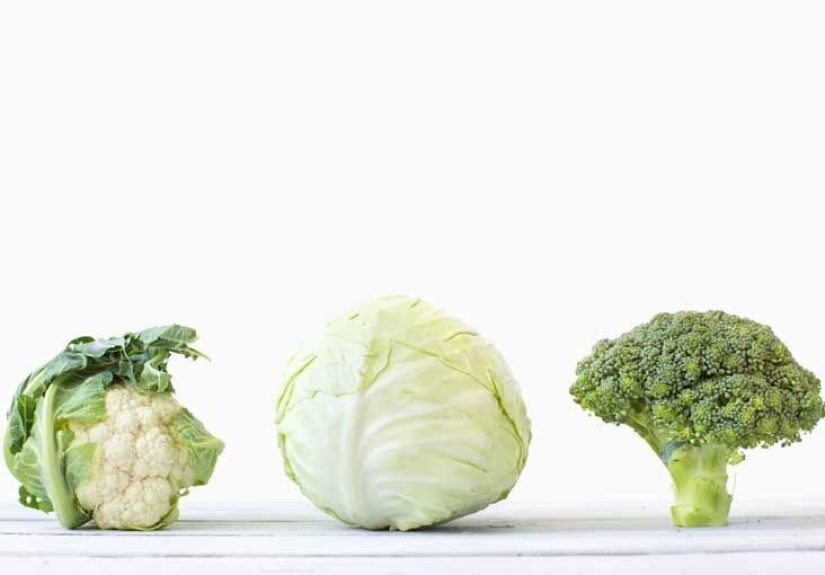
These include broccoli, Brussels sprouts, cabbage, cauliflower, kale, bok choy, collard greens, mustard greens, turnips, and radishes. These vegetables contain compounds called glucosinolates. When broken down, some of those compounds can form substances that may interfere with iodine use in the thyroid.
Soy foods
Soybeans, tofu, tempeh, edamame, soy milk, and soy-based foods are often discussed in relation to thyroid health. Soy isoflavones may have mild goitrogenic effects under certain conditions, though the bigger everyday issue for many people is that soy can interfere with the absorption of thyroid medication if eaten too close to the dose.
Cassava
Cassava is a starchy root eaten in many parts of the world. When it is poorly processed, it can contribute to thyroid problems, particularly in people with low iodine intake. This is much more relevant in regions where cassava is a staple and iodine deficiency is common.
Millet and a few other plant foods
Millet is sometimes mentioned as a goitrogenic grain. Peanuts, some beans, and sweet potatoes may also come up in broader discussions of goitrogenic foods, but cruciferous vegetables, soy, and cassava are the main players in most evidence-based conversations.
So, Are Goitrogens in Foods Harmful?
For most healthy people, no. Eating normal amounts of goitrogenic foods is generally not harmful, especially if your iodine intake is adequate and your overall diet is balanced. This is why most people can keep eating broccoli without scheduling an apology tour to their thyroid.
In the United States, iodine deficiency is uncommon compared with many other parts of the world. That matters because goitrogens are much more likely to become an issue when the body already does not have enough iodine. If iodine intake is sufficient, the thyroid is usually well equipped to handle reasonable amounts of these foods.
Also important: many goitrogenic foods are nutritional heavyweights. Cruciferous vegetables provide fiber, folate, vitamin C, vitamin K, and a range of phytochemicals associated with overall health benefits. Soy foods can offer high-quality plant protein and may fit well into heart-healthy eating patterns. Tossing these foods out of your diet just because the word “goitrogen” sounds spooky would be a nutritional own goal.
When Can Goitrogens Become a Problem?
This is where the conversation gets more practical. Goitrogens are more likely to matter in a few specific situations.
1. You have low iodine intake
If your diet is low in iodine, goitrogenic foods can have a stronger effect. The thyroid relies on iodine to produce hormones, so low iodine status plus heavy goitrogen exposure is a less-than-ideal combo. This is one reason iodine deficiency has historically been linked to goiter.
2. You eat very large amounts of raw cruciferous vegetables
Keyword here: very large. Not “I had a side salad.” More like frequent oversized raw kale smoothies, huge daily portions of raw cabbage, or an aggressively green lifestyle that starts to look like a personal challenge. Cooking reduces the activity of some goitrogenic compounds, so massive raw intake is more concerning than normal cooked intake.
3. You have hypothyroidism or another thyroid condition
People with hypothyroidism, Hashimoto’s disease, or borderline thyroid function may need to pay closer attention to how much goitrogenic food they eat and how they balance it with iodine intake. This does not mean automatic avoidance. It means being thoughtful instead of treating nutrition advice like a dartboard.
4. You take thyroid medication and eat soy at the wrong time
Soy does not usually “destroy” thyroid function, but it can interfere with the absorption of levothyroxine and similar medications if consumed too close to the dose. For some people, that timing issue is more important than soy’s mild goitrogenic potential.
5. You rely on a narrow diet
Problems are more likely when one goitrogenic food dominates the menu. Nutrition tends to go more smoothly when your plate has variety rather than a single food acting like it owns the kitchen.
Does Cooking Reduce Goitrogens?
Yes, often significantly. Cooking can reduce the goitrogenic activity of some foods, especially cruciferous vegetables. Boiling, steaming, sautéing, and roasting all change the compounds involved. In practical terms, cooked broccoli is generally less concerning for thyroid function than the same amount of raw broccoli.
This does not mean raw vegetables are bad. It just means preparation matters. If someone already has thyroid issues and is worried about goitrogens, swapping a few giant raw kale shakes for cooked greens is a very reasonable adjustment.
There is human research suggesting that even fairly generous amounts of cooked cruciferous vegetables do not harm thyroid function in people with adequate iodine status. That is a helpful reminder that ordinary eating patterns are not the same as extreme intake.
Should People with Thyroid Problems Avoid These Foods Completely?
Usually no. A complete ban is rarely necessary. In fact, many endocrinology and nutrition experts recommend a more moderate approach.
If you have hypothyroidism or Hashimoto’s disease, the smarter strategy is usually to:
- eat a balanced diet rather than overloading on one goitrogenic food,
- favor cooked cruciferous vegetables if you consume them often,
- make sure your iodine intake is appropriate but not excessive, and
- take thyroid medication exactly as directed, paying special attention to soy timing.
That last point matters. Many people hear “thyroid diet” and focus on broccoli while ignoring the much more practical issue of taking levothyroxine with breakfast, coffee, supplements, or soy milk. Your medication schedule is not the place for improvisational theater.
What About Iodine? The Missing Piece in This Debate
You cannot talk about goitrogens honestly without talking about iodine. The thyroid uses iodine to make thyroid hormones. If iodine intake is adequate, goitrogens in food are less likely to cause trouble. If iodine intake is too low, the thyroid is more vulnerable.
Good dietary sources of iodine can include dairy products, seafood, eggs, and iodized salt. During pregnancy, iodine needs are higher, so thyroid nutrition deserves extra attention. On the flip side, more iodine is not always better. In some people, especially those with autoimmune thyroid disease, too much iodine can also worsen thyroid problems.
That means the goal is not “eat zero goitrogens and all the iodine.” The goal is balance. Nutrition rarely rewards drama.
Are Goitrogens Worse Than Other “Anti-Nutrients”?
Not really. Goitrogens are often grouped with so-called anti-nutrients, a category that includes compounds like phytates, oxalates, lectins, and tannins. These substances can affect nutrient absorption or metabolism in certain settings, but they also commonly appear in foods linked with good health outcomes.
That is the irony: some of the foods with the scariest online reputations are also foods that dietitians keep telling people to eat more often. Beans, greens, whole grains, soy foods, nuts, and vegetables are not suddenly nutritional villains because they contain natural compounds with complicated names.
The bigger lesson is that foods should be judged in the context of the whole diet, not by one biochemical trait plucked from a wellness infographic.
Practical Ways to Eat Goitrogenic Foods Safely
If you want the benefits of these foods without unnecessary worry, these habits make sense:
Keep portions realistic
A normal serving of cabbage at dinner is different from building your personality around raw kale.
Cook cruciferous vegetables regularly
Steamed Brussels sprouts, roasted cauliflower, stir-fried bok choy, and sautéed cabbage are all solid choices.
Do not self-prescribe iodine supplements
If you think your thyroid needs help, guesswork with supplements can backfire. More iodine can worsen some thyroid disorders.
Be careful with soy and thyroid medication
If you take levothyroxine, follow your clinician’s instructions carefully. Many people are told to take it on an empty stomach and keep soy, calcium, iron, and certain supplements several hours away from the dose.
Talk to your doctor if you have symptoms
Fatigue, unexplained weight changes, constipation, hair thinning, feeling unusually cold, or swelling in the neck deserve proper evaluation, not just a dramatic breakup with broccoli.
Bottom Line: Should You Be Concerned?
For most people, goitrogens in foods are not harmful. Normal amounts of cruciferous vegetables, soy foods, and other goitrogenic foods can be part of a healthy diet. They become more relevant when iodine intake is low, when raw intake is excessive, when someone has an existing thyroid condition, or when soy interferes with thyroid medication absorption.
In other words, this is not a story about “bad foods.” It is a story about context. Broccoli is not your enemy. Neither is tofu. The real trouble usually starts when internet nutrition turns a nuanced topic into a food panic and people begin avoiding nutrient-rich foods they probably never needed to fear.
If you have thyroid disease, the most helpful move is not to build a blacklist. It is to work with your healthcare provider on the big-picture basics: diagnosis, medication timing, appropriate iodine intake, and a balanced eating pattern you can actually maintain.
Everyday Experiences People Commonly Have with Goitrogen Concerns
One of the most common experiences people report is plain old confusion. Someone starts eating “clean,” adds a daily green smoothie with raw kale, hears that kale is goitrogenic, and suddenly wonders whether breakfast has become a betrayal. In reality, what often happens is not a thyroid catastrophe but a flood of mixed messages. They are trying to do something healthy, but nutrition advice online keeps acting like every vegetable has a secret identity.
Another familiar scenario involves people who have just been diagnosed with hypothyroidism. They leave the appointment with a prescription, go home, start searching the internet, and within 20 minutes are convinced they need to stop eating soy, broccoli, cauliflower, peanut butter, and possibly joy itself. The more grounded experience is usually this: they learn from a clinician that medication timing matters more than panic-driven food restriction. Once they take levothyroxine consistently and keep interfering foods and supplements away from the dose, life becomes much less dramatic.
People with Hashimoto’s disease often describe a slightly different experience. They may notice that certain foods seem to bother them, but the pattern is not always clear or universal. Some feel perfectly fine eating cooked Brussels sprouts several times a week. Others decide they feel better when they cut back on huge raw cruciferous salads. This is where practical experimentation matters. Not every dietary choice needs to become a moral issue. Sometimes it is just a matter of portion size, preparation, and paying attention to your own body without making sweeping assumptions.
Vegetarians and vegans also run into this topic a lot because soy foods and cruciferous vegetables often play starring roles in plant-forward diets. Their experience is frequently less about avoiding these foods and more about balance. A tofu stir-fry with cooked bok choy, adequate iodine, and smart medication timing is very different from relying on soy products all day while taking thyroid medicine with breakfast and hoping for the best. Small adjustments tend to solve problems better than extreme restrictions.
Then there is the experience of the wellness rabbit hole. Someone reads that goitrogens are “anti-thyroid,” assumes all anti-nutrients are dangerous, and starts stripping the diet down to a short list of “safe” foods. The result is often more stress, less dietary variety, and no meaningful improvement. Many people feel better when they step back, eat normally varied meals, and stop treating every food compound like a threat level.
Perhaps the most reassuring experience is the one people have after getting reliable information: relief. They realize they do not need to fear cauliflower rice, steamed cabbage, or tofu tacos. They just need to understand the conditions under which goitrogens matter. That kind of clarity is powerful. It turns the question from “What foods should I be scared of?” into “How do I build a balanced diet that supports thyroid health?” That is a much better question, and thankfully, it leads to much better meals.
Conclusion
Goitrogens sound intimidating, but in everyday nutrition they are usually more bark than bite. For most people, the answer to “Are goitrogens in foods harmful?” is no. The exception is when those foods show up in extreme amounts, iodine intake is too low, thyroid disease is already in the picture, or soy keeps getting too cozy with thyroid medication.
The smartest approach is not fear. It is balance, variety, and a little common sense. Eat the broccoli. Cook the cabbage. Enjoy soy if it works for you. Just give your thyroid medication its personal space and let science be louder than internet drama.