
Table of Contents >> Show >> Hide
- Why This Banana Bread Recipe Works
- Ingredients for the Best Banana Bread
- How to Make Banana Bread Step by Step
- Recipe Card: Easy Moist Banana Bread
- How Ripe Should Bananas Be for Banana Bread?
- Tips for Moist, Tender Banana Bread
- Banana Bread Variations
- How to Store Banana Bread
- Serving Ideas
- Common Banana Bread Problems and Fixes
- Personal Experience: What Baking Banana Bread Teaches You
- Conclusion
- SEO Tags
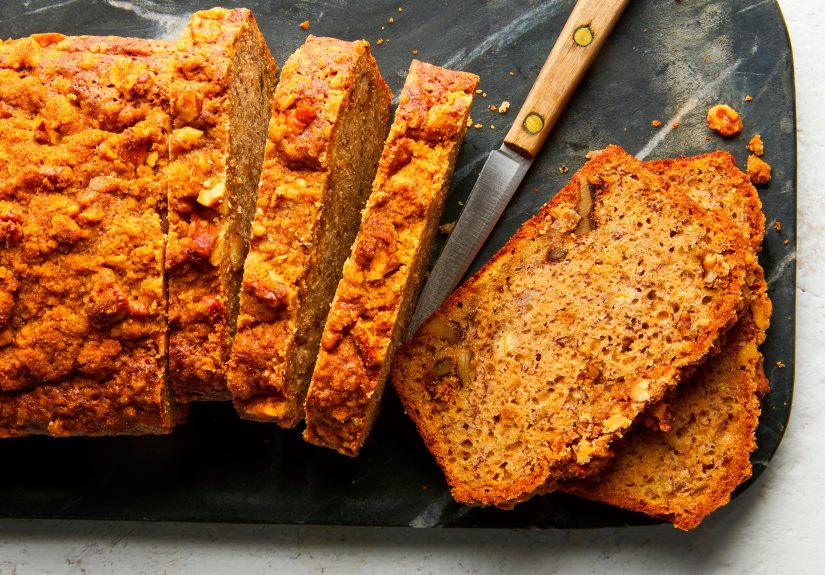
Moist, cozy, naturally sweet, and ridiculously easy to love, this banana bread recipe turns spotty bananas into the kind of loaf that makes the kitchen smell like a bakery with better parking.
Why This Banana Bread Recipe Works
Banana bread is the heroic ending every overripe banana dreams about. One day it is sitting on the counter looking like a fruit bowl dropout, and the next day it is starring in a tender, golden loaf with a soft crumb, deep banana flavor, and a top that begs for a little butter. This classic banana bread recipe is designed for home bakers who want dependable results without needing a mixer, specialty flour, or a motivational speech from a pastry chef.
The secret is balance. Too much banana can make the bread heavy and damp. Too much flour can make it dry. Too much mixing can turn a tender quick bread into something with the personality of a kitchen sponge. This version uses very ripe bananas, melted butter, brown sugar, vanilla, cinnamon, and just enough leavening to create a moist banana bread that rises nicely and slices cleanly after cooling.
Unlike yeast bread, banana bread is a quick bread. That means baking soda and baking powder do the rising work, not yeast. The batter comes together fast, which is wonderful news if you are baking before breakfast, after school, before guests arrive, or during that mysterious hour when everyone suddenly wants “just a little snack.”
Ingredients for the Best Banana Bread
This recipe uses simple pantry ingredients, but each one has a job. Think of them as a tiny baking team where nobody gets to stand around looking decorative.
Main Ingredients
- 3 large very ripe bananas, mashed, about 1 1/2 cups
- 1/2 cup unsalted butter, melted and slightly cooled
- 3/4 cup packed light brown sugar
- 2 large eggs, room temperature if possible
- 1/4 cup sour cream or plain Greek yogurt
- 2 teaspoons vanilla extract
- 1 3/4 cups all-purpose flour
- 1 teaspoon baking soda
- 1/2 teaspoon baking powder
- 1/2 teaspoon fine salt
- 1 teaspoon ground cinnamon
- 1/2 cup chopped walnuts or pecans, optional
- 1/2 cup chocolate chips, optional
Ingredient Notes
Bananas: Choose bananas with heavy brown spotting or mostly dark peels. They should smell sweet and mash easily. If the banana is leaking, moldy, or smells fermented in a bad way, let it retire with dignity in the compost.
Brown sugar: Brown sugar brings a soft, caramel-like sweetness that pairs beautifully with ripe banana. Granulated sugar works too, but brown sugar gives the loaf a warmer flavor.
Sour cream or Greek yogurt: This small addition helps make the banana bread tender and moist without making it greasy. It also adds a gentle tang that keeps the loaf from tasting flat.
Butter: Melted butter makes the recipe easy and gives the bread rich flavor. If you prefer a more cake-like texture, softened butter can be creamed with the sugar, but melted butter keeps this recipe simple and dependable.
How to Make Banana Bread Step by Step
Step 1: Prepare the Pan
Preheat the oven to 350°F. Grease a 9×5-inch loaf pan and line it with parchment paper, leaving a little overhang on the long sides. This creates handles so you can lift the loaf out later instead of negotiating with it like a stubborn couch stuck in a doorway.
Step 2: Mash the Bananas
Peel the bananas and mash them in a large bowl with a fork. A few small lumps are fine. In fact, they are welcome. Smooth banana puree works, but a slightly textured mash gives the bread little pockets of fruit flavor.
Step 3: Mix the Wet Ingredients
Add the melted butter, brown sugar, eggs, sour cream, and vanilla to the mashed bananas. Whisk until everything looks glossy and combined. Do not worry if the mixture is not perfectly smooth. Banana bread is rustic. It does not need to arrive wearing a tuxedo.
Step 4: Combine the Dry Ingredients
In a separate bowl, whisk together the flour, baking soda, baking powder, salt, and cinnamon. This helps distribute the leavening evenly so the loaf rises consistently instead of creating one dramatic mountain on the left side.
Step 5: Fold, Do Not Overmix
Add the dry ingredients to the banana mixture. Use a spatula to fold gently until you no longer see streaks of flour. The batter should be thick and slightly lumpy. Overmixing develops gluten, which can make banana bread dense or rubbery. When the flour disappears, stop. Put the spatula down. Walk away like a responsible adult.
Step 6: Add Mix-Ins
If using nuts or chocolate chips, fold them in gently. Walnuts add crunch and a classic bakery flavor. Chocolate chips make the loaf dessert-adjacent, which is a fancy way of saying nobody will complain.
Step 7: Bake
Pour the batter into the prepared pan and smooth the top. Bake for 55 to 65 minutes, or until a toothpick inserted into the center comes out clean or with a few moist crumbs. If the top browns too quickly, loosely tent it with foil during the final 15 minutes.
Step 8: Cool Before Slicing
Let the banana bread cool in the pan for 10 to 15 minutes, then lift it onto a wire rack. For the neatest slices, cool completely before cutting. Warm banana bread is delicious, but it can crumble if sliced too soon. Of course, if you absolutely must cut one warm piece, the banana bread police are not coming.
Recipe Card: Easy Moist Banana Bread
Prep Time
15 minutes
Bake Time
55 to 65 minutes
Total Time
About 1 hour 20 minutes
Yield
1 loaf, about 10 slices
Ingredients
- 3 large very ripe bananas, mashed
- 1/2 cup unsalted butter, melted and slightly cooled
- 3/4 cup packed light brown sugar
- 2 large eggs
- 1/4 cup sour cream or plain Greek yogurt
- 2 teaspoons vanilla extract
- 1 3/4 cups all-purpose flour
- 1 teaspoon baking soda
- 1/2 teaspoon baking powder
- 1/2 teaspoon fine salt
- 1 teaspoon ground cinnamon
- 1/2 cup chopped walnuts, pecans, or chocolate chips, optional
Instructions
- Preheat oven to 350°F. Grease and line a 9×5-inch loaf pan with parchment paper.
- Mash bananas in a large bowl until mostly smooth with a few small lumps.
- Whisk in melted butter, brown sugar, eggs, sour cream, and vanilla.
- In another bowl, whisk flour, baking soda, baking powder, salt, and cinnamon.
- Fold dry ingredients into wet ingredients just until combined.
- Fold in nuts or chocolate chips, if using.
- Transfer batter to the loaf pan and smooth the top.
- Bake for 55 to 65 minutes, until the center tests done.
- Cool in the pan for 10 to 15 minutes, then transfer to a wire rack.
- Cool before slicing for the cleanest texture.
How Ripe Should Bananas Be for Banana Bread?
The best bananas for banana bread are very ripe, soft, fragrant, and heavily speckled. A banana with a mostly yellow peel can work, but the flavor will be milder. Brown, spotty bananas bring more sweetness, more moisture, and a stronger banana aroma. That is why the saddest-looking bananas on the counter often make the happiest loaf.
If your bananas are not ripe yet, place them in a paper bag and let them sit at room temperature. For a faster option, you can roast unpeeled bananas on a lined baking sheet at 350°F until the skins darken and the fruit softens. This helps with texture, though slow-ripened bananas usually offer the deepest flavor.
Frozen bananas also work well. Thaw them first, drain off excess liquid if they seem watery, then mash and measure. Since frozen bananas release more moisture, measuring the mashed fruit is better than guessing by banana count.
Tips for Moist, Tender Banana Bread
Measure the Banana
Three large bananas usually equal about 1 1/2 cups mashed banana. If your bananas are huge, measure them. Too much banana can make the center wet and heavy, even when the outside looks fully baked.
Use the Spoon-and-Level Method for Flour
Scoop flour into the measuring cup with a spoon, then level it off with a knife. Dipping the cup straight into the flour bag can pack in too much flour, and too much flour leads to dry bread. Banana bread should be moist, not a beige brick with confidence issues.
Check the Center, Not Just the Top
The top may look golden before the middle is finished. Insert a toothpick into the center of the loaf. A few moist crumbs are fine. Wet batter is not. If the top is dark but the center needs time, cover loosely with foil and keep baking.
Let It Rest
Banana bread tastes even better after it rests for a few hours. The crumb settles, the banana flavor deepens, and slicing becomes easier. If you can wait until the next morning, congratulations, you have stronger character than most of us.
Banana Bread Variations
Chocolate Chip Banana Bread
Fold 1/2 to 3/4 cup semisweet chocolate chips into the batter. For extra bakery drama, sprinkle a few on top before baking.
Banana Nut Bread
Add 1/2 cup toasted walnuts or pecans. Toasting the nuts first gives them a richer flavor and better crunch.
Cinnamon Swirl Banana Bread
Mix 1/4 cup brown sugar with 1 teaspoon cinnamon. Pour half the batter into the pan, sprinkle with the cinnamon sugar, add the remaining batter, and gently swirl with a knife.
Whole Wheat Banana Bread
Replace up to half of the all-purpose flour with whole wheat flour. The loaf will taste nuttier and slightly heartier. Add one extra tablespoon of sour cream or yogurt if the batter seems very thick.
Peanut Butter Banana Bread
Swirl 1/4 cup creamy peanut butter into the top of the batter before baking. This version is especially good with chocolate chips, because banana, peanut butter, and chocolate are basically a tiny dessert committee that always votes yes.
How to Store Banana Bread
Let the loaf cool completely before storing. Warm bread trapped in a container creates steam, and steam can make the crust soggy. Once cool, wrap the banana bread tightly or store it in an airtight container at room temperature for up to 3 days.
For longer storage, refrigerate the loaf for up to 5 days. The refrigerator can make quick breads feel firmer, so warm slices briefly before serving. To freeze banana bread, wrap individual slices in plastic wrap, place them in a freezer-safe bag, and freeze for up to 3 months. Thaw at room temperature or warm gently in the microwave.
Serving Ideas
Banana bread is excellent plain, but it also enjoys accessories. Spread a slice with salted butter, cream cheese, peanut butter, or honey. Toast it lightly for breakfast. Serve it with coffee, milk, or tea. Turn thick slices into French toast if you want to become a weekend legend in your own kitchen.
For dessert, warm a slice and add vanilla ice cream. For a lunchbox treat, cut the loaf into small squares. For brunch, serve it beside scrambled eggs, fruit, and yogurt. Banana bread is flexible like that. It understands the assignment whether the assignment is breakfast, snack, dessert, or “I walked past the kitchen and needed emotional support.”
Common Banana Bread Problems and Fixes
Why Is My Banana Bread Dense?
Dense banana bread usually comes from overmixing, too much banana, expired leavening, or too much flour. Mix gently, measure carefully, and make sure your baking soda and baking powder are fresh.
Why Is the Middle Wet?
The loaf may be underbaked, or the batter may contain too much banana. Cover the top with foil and continue baking until the center is set. Next time, measure mashed banana instead of relying only on the number of bananas.
Why Did My Loaf Sink?
A sinking loaf can happen when the bread is underbaked, the batter is overmixed, or the pan is overfilled. Use a 9×5-inch pan and avoid opening the oven door repeatedly during baking.
Why Is My Banana Bread Dry?
Dry banana bread often means too much flour or too much baking time. Measure flour lightly and start checking the loaf around 55 minutes. Every oven has its own little personality, and some are more dramatic than others.
Personal Experience: What Baking Banana Bread Teaches You
The funny thing about making banana bread is that it feels less like a formal recipe and more like a household ritual. It usually begins with good intentions. You buy bananas because you are a responsible person who eats fruit. Then life happens. Suddenly the bananas are covered in brown spots, leaning sadly against the coffee maker, and judging everyone. That is the moment banana bread steps in like a cozy rescue mission.
In my experience, the best banana bread days are not the perfectly planned ones. They are the “we should probably use those bananas today” days. The loaf goes into the oven, and within twenty minutes the entire kitchen changes mood. Cinnamon, butter, vanilla, and banana start drifting through the house like an edible welcome sign. People who claimed they were not hungry begin appearing near the oven with suspicious casualness. Someone asks, “Is that ready yet?” even though the timer clearly says thirty-eight minutes. Banana bread has that power.
One of the biggest lessons is patience. The loaf needs time to bake through, and then it needs time to cool. This is deeply unfair, because warm banana bread smells like it should be eaten immediately with both hands. But cooling matters. A loaf sliced too early can collapse into delicious rubble. Still tasty, yes, but not exactly the clean, bakery-style slices you imagined. Waiting gives the crumb time to set, which means every slice holds together better.
Another lesson is that small details make a big difference. Measuring the mashed banana keeps the loaf from turning gummy. Folding the flour gently keeps the crumb soft. Using brown sugar adds warmth. Adding sour cream or Greek yogurt gives the texture a little extra tenderness. Toasting walnuts before folding them in makes the loaf taste more intentional, like you had a plan all along and were not simply rescuing fruit from the edge of doom.
Banana bread is also forgiving, which is why beginners love it. You can add chocolate chips, skip the nuts, use yogurt instead of sour cream, or freeze extra slices for later. It does not demand perfection. It just asks that you use ripe bananas, avoid overmixing, and let the oven do its work. That is a pretty fair deal.
My favorite way to enjoy it is the next morning, toasted lightly with a thin swipe of salted butter. The edges get crisp, the middle stays tender, and the banana flavor tastes deeper than it did the day before. It is breakfast, snack, and dessert all at once. More importantly, it feels homemade in the best possible way: simple, warm, practical, and just a little bit nostalgic. Banana bread may not solve every problem, but it does make the counter look cleaner, the kitchen smell better, and the day feel softer around the edges.
Conclusion
This banana bread recipe is simple enough for beginners and satisfying enough for experienced bakers who want a dependable loaf. With ripe bananas, melted butter, brown sugar, sour cream, and gentle mixing, you get a moist, flavorful quick bread with a tender crumb and classic homemade taste. Keep the recipe basic, or make it your own with walnuts, chocolate chips, cinnamon swirl, or peanut butter. However you slice it, this is the kind of easy banana bread that turns forgotten fruit into a very good reason to preheat the oven.





 Close
Close