
Table of Contents >> Show >> Hide
- What Is Ulcerative Colitis?
- Inside a Colon With Ulcerative Colitis
- Common Symptoms of Ulcerative Colitis
- Types of Ulcerative Colitis by Location
- What Causes Ulcerative Colitis?
- How Doctors Diagnose Ulcerative Colitis
- Treatment Goals: Calm the Fire, Keep It Quiet
- Possible Complications of Ulcerative Colitis
- Diet and Ulcerative Colitis: Helpful, But Not Magical
- Living With Ulcerative Colitis
- When to Seek Medical Help
- Experiences Related to “Ulcerative Colitis: Inside a Colon”
- Conclusion
Note: This article is for educational purposes only and is based on current information from reputable medical organizations and gastroenterology resources. It should not replace care from a qualified healthcare professional.
Ulcerative colitis sounds like the name of a villain in a medical drama, but for many people, it is a very real, very persistent condition that turns the colon into the least cooperative member of the digestive team. One day your gut may behave politely. The next, it may act like it has launched a formal protest, complete with urgency, cramping, diarrhea, and sometimes blood or mucus in the stool.
To understand ulcerative colitis, it helps to go inside the colonnot with a flashlight and a tiny adventure hat, thankfully, but with a clear explanation of what happens in the body. Ulcerative colitis, often shortened to UC, is a form of inflammatory bowel disease, or IBD. It causes long-term inflammation in the lining of the large intestine, which includes the colon and rectum. Unlike a simple stomach bug that visits, causes chaos, and leaves, UC is chronic. It tends to move through cycles of flares and remission.
This guide explains what ulcerative colitis looks like inside the colon, why symptoms happen, how doctors diagnose it, what treatments may help, and what daily life can feel like for people managing this condition.
What Is Ulcerative Colitis?
Ulcerative colitis is a chronic inflammatory disease that affects the inner lining of the colon and rectum. In a healthy colon, the lining works like a smooth, protective surface that absorbs water, moves waste along, and keeps the digestive process running with impressive behind-the-scenes efficiency. In ulcerative colitis, that lining becomes inflamed, irritated, and may develop small open sores called ulcers.
These ulcers can bleed and produce mucus or pus, which explains why symptoms may include bloody diarrhea, rectal bleeding, abdominal pain, and a sudden need to use the bathroom. The inflammation usually starts in the rectum and may extend upward into part or all of the colon. This continuous pattern is one of the ways ulcerative colitis differs from Crohn’s disease, another major type of IBD that can affect different areas of the digestive tract in patches.
Inside a Colon With Ulcerative Colitis
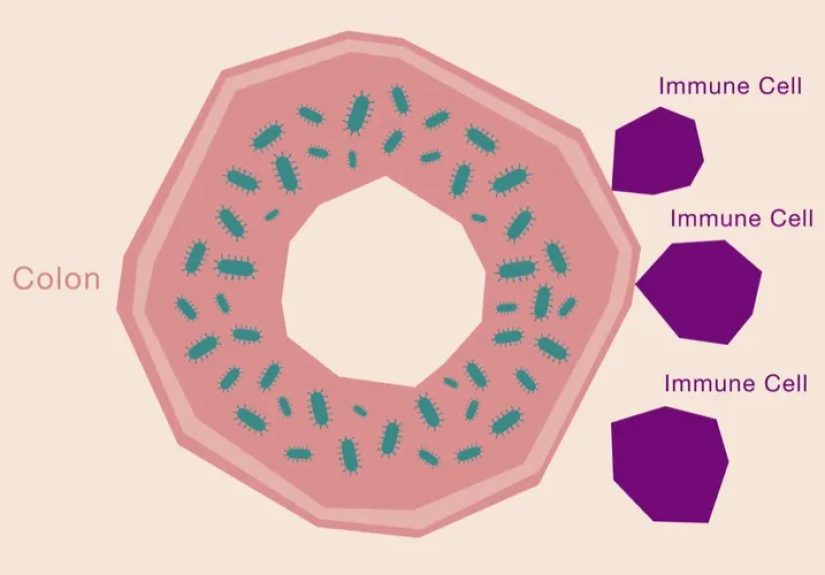
Imagine the colon as a flexible tube lined with a soft inner surface called the mucosa. In a calm, healthy colon, this lining is relatively smooth and helps manage fluid absorption. With ulcerative colitis, the immune system behaves as if the colon lining is under attack, even when there is no harmful invader to fight.
The result is inflammation. Blood flow increases. The lining becomes swollen and fragile. Tiny ulcers may form. The colon may become less efficient at absorbing water, which contributes to loose stools and diarrhea. When the rectum is inflamed, the body may send urgent “go now” signals even when there is little stool to pass. That frustrating feeling is called tenesmus, and it can make the bathroom feel like a second office.
Why the Symptoms Can Feel So Sudden
Urgency is one of the most disruptive symptoms of ulcerative colitis. The colon and rectum are full of nerves that help coordinate bowel movements. When the lining is inflamed, those nerves become more sensitive. The body may interpret irritation as an emergency, even when the situation is not as dramatic as the signal suggests.
This is why someone with UC may feel fine one minute and need a bathroom the next. It is not “being dramatic.” It is the inflamed colon sending very loud internal notifications with no snooze button.
Common Symptoms of Ulcerative Colitis
Symptoms of ulcerative colitis vary from person to person. Some people have mild symptoms that come and go. Others experience frequent flares that affect school, work, sleep, travel, social plans, and overall energy. Common ulcerative colitis symptoms include:
- Diarrhea, often persistent or recurring
- Blood in the stool or rectal bleeding
- Mucus in the stool
- Abdominal cramping or pain
- Urgent need to have a bowel movement
- Feeling like the bowel is not fully empty
- Fatigue or weakness
- Loss of appetite or weight loss
- Fever during more active inflammation
Some people also experience symptoms outside the digestive tract. Ulcerative colitis can be linked with joint pain, skin problems, eye inflammation, mouth sores, anemia, and liver or bile duct complications. This is one reason UC is not “just a bathroom problem.” It is an immune-related condition that can affect the whole body.
Types of Ulcerative Colitis by Location
Doctors often describe ulcerative colitis based on how much of the colon is affected. The location matters because it can influence symptoms, treatment choices, and long-term monitoring.
Ulcerative Proctitis
Ulcerative proctitis affects only the rectum. Symptoms may include rectal bleeding, urgency, and tenesmus. Some people with proctitis have constipation rather than diarrhea, which can be confusing because many people assume UC always means frequent loose stool.
Left-Sided Colitis
Left-sided colitis affects the rectum and extends into the left side of the colon. People may experience bloody diarrhea, abdominal cramps on the left side, urgency, and weight loss.
Extensive Colitis or Pancolitis
Pancolitis affects most or all of the colon. Symptoms can be more severe and may include frequent bloody diarrhea, stronger cramping, fatigue, fever, and weight loss. People with extensive disease may need closer monitoring because long-standing inflammation across a larger area can increase the risk of complications.
What Causes Ulcerative Colitis?
There is no single confirmed cause of ulcerative colitis. Researchers believe it develops from a mix of immune system activity, genetics, gut bacteria, and environmental factors. In simple terms, the immune system appears to overreact in the colon, leading to chronic inflammation.
Family history can increase risk, but many people with UC have no close relative with the disease. Diet and stress do not directly “cause” ulcerative colitis, but they may influence symptoms or flares in some people. This distinction matters. Blaming a person’s lunch, personality, or stress level for UC is not only inaccurateit is also rude, and the colon already has enough drama.
How Doctors Diagnose Ulcerative Colitis
Diagnosing ulcerative colitis usually takes more than one test. Doctors typically begin with a medical history, symptom review, and physical exam. They may ask about stool frequency, blood in the stool, abdominal pain, weight changes, family history, medications, recent travel, and infections.
Blood tests can check for anemia, inflammation, and signs of infection. Stool tests may help rule out infections and may measure markers of intestinal inflammation. Imaging may be used if doctors need to evaluate complications or distinguish UC from other conditions.
Colonoscopy and Biopsy
A colonoscopy is one of the most important tools for diagnosing ulcerative colitis. During this procedure, a doctor uses a thin, flexible tube with a camera to view the inside of the colon. They can see inflammation, ulcers, bleeding, and the extent of disease. Small tissue samples, called biopsies, are often taken and examined under a microscope.
Biopsies help confirm the diagnosis and rule out other causes of symptoms. They also help doctors understand how active the inflammation is, even when symptoms do not tell the whole story.
Treatment Goals: Calm the Fire, Keep It Quiet
The main goals of ulcerative colitis treatment are to reduce inflammation, control symptoms, heal the colon lining, prevent complications, and maintain remission. Remission means symptoms are greatly reduced or absent, and ideally the colon lining shows healing as well.
Treatment is individualized. A person with mild proctitis may need a very different plan from someone with severe pancolitis. Doctors consider disease location, severity, past flares, lab results, colonoscopy findings, other health conditions, and how a person responds to medication.
Common Medication Options
Medications used for ulcerative colitis may include aminosalicylates, corticosteroids, immunomodulators, biologic therapies, and small-molecule drugs. Aminosalicylates may be used for mild to moderate disease. Corticosteroids can reduce inflammation during flares but are generally not preferred for long-term maintenance because of side effects.
Biologic medications and targeted small-molecule therapies are used for moderate to severe ulcerative colitis or when other treatments are not effective. These therapies work by targeting specific immune pathways involved in inflammation. The treatment landscape continues to evolve, giving doctors more options than ever before.
When Surgery Is Considered
Surgery may be considered when medications do not control disease, when serious complications occur, or when precancerous changes are found. Removing the colon and rectum can eliminate ulcerative colitis in the colon because the diseased organ is removed. However, surgery is a major decision and may involve creating an ileal pouch or ostomy, depending on the situation.
Possible Complications of Ulcerative Colitis
When ulcerative colitis is active or poorly controlled, complications may develop. These can include severe bleeding, dehydration, anemia, colon dilation, perforation, and a rare but serious condition called toxic megacolon. Long-term inflammation can also increase the risk of colorectal cancer, especially when a large portion of the colon has been affected for many years.
This does not mean every person with UC will develop serious complications. Many people manage the condition well with treatment and monitoring. Regular follow-up, colonoscopy surveillance when recommended, and attention to changing symptoms are key parts of long-term care.
Diet and Ulcerative Colitis: Helpful, But Not Magical
Diet can play a role in managing symptoms, but there is no universal ulcerative colitis diet that works for everyone. During a flare, some people feel better with lower-fiber foods, smaller meals, and gentle hydration. During remission, a balanced diet with adequate protein, fruits, vegetables, whole grains, and healthy fats may support overall health.
Food triggers vary. One person may tolerate dairy. Another may glare at a glass of milk like it insulted their ancestors. Keeping a food and symptom journal can help identify personal patterns, but overly restrictive eating can lead to nutrient gaps. People with UC should discuss major diet changes, supplements, or weight loss with a healthcare professional, especially if symptoms are active.
Living With Ulcerative Colitis
Living with ulcerative colitis often means planning ahead. People may learn where bathrooms are located before they sit down at a restaurant, choose aisle seats during events, pack emergency supplies, or avoid scheduling important activities during a flare. This kind of planning is not anxiety for fun; it is practical disease management.
Fatigue is another major issue. Inflammation, anemia, poor sleep, pain, and frequent bathroom trips can drain energy. Friends and coworkers may not always understand because UC is often invisible from the outside. Someone can look completely fine while internally negotiating with a rebellious colon.
Mental health matters too. Chronic illness can bring stress, embarrassment, frustration, and isolation. Support groups, therapy, honest conversations, and reliable medical care can make the experience less lonely.
When to Seek Medical Help
Anyone with ongoing diarrhea, rectal bleeding, unexplained weight loss, persistent abdominal pain, or symptoms that wake them from sleep should speak with a healthcare professional. People already diagnosed with ulcerative colitis should contact their care team if symptoms worsen, medication stops working, fever develops, dehydration occurs, or bleeding increases.
Emergency care may be needed for severe abdominal pain, fainting, heavy bleeding, high fever, signs of dehydration, or a swollen, painful abdomen. UC flares can sometimes escalate quickly, so it is better to be cautious than to let the colon run the meeting unsupervised.
Experiences Related to “Ulcerative Colitis: Inside a Colon”
Understanding ulcerative colitis from the inside changes the way many people think about the disease. From the outside, UC can look like “stomach trouble.” From the inside, it is much more complex. It is inflammation, immune activity, damaged tissue, unpredictable signals, and a digestive system that may not follow social rules.
One common experience among people with ulcerative colitis is the constant mental math. Before leaving home, they may calculate the distance to the destination, the number of bathrooms along the way, the risk of traffic, the meal they ate, the timing of medications, and whether wearing light-colored pants is a brave decision or a comedy setup. This planning can become automatic, but it can also be exhausting.
Another experience is learning that symptoms do not always match what is happening inside the colon. Some people feel terrible during visible inflammation. Others may have mild symptoms even when tests show active disease. That is why doctors may rely on colonoscopy, stool markers, blood tests, and imaging rather than symptoms alone. The colon, apparently, is not always a reliable narrator.
During a flare, daily life can shrink. A simple grocery trip may feel complicated. Sleep may be interrupted by urgent bathroom visits. Appetite may disappear. Social plans may be canceled, not because the person does not care, but because their body is busy staging a digestive rebellion. The emotional side can be heavy: embarrassment, frustration, fear of accidents, and worry about being misunderstood.
Remission can feel like getting part of life back. People often describe relief when urgency fades, energy improves, and food feels less risky. But remission can also come with caution. After repeated flares, it is normal to wonder whether symptoms will return. Many people become experts at noticing tiny changes in their body, sometimes before lab tests or appointments confirm anything.
There is also the experience of becoming fluent in medical language. Words like “biopsy,” “mucosal healing,” “pancolitis,” “biologic,” “calprotectin,” and “maintenance therapy” may enter everyday vocabulary. At first, these terms can feel overwhelming. Over time, understanding them can give people more confidence in medical appointments and treatment decisions.
Support makes a big difference. A person with UC may not need dramatic sympathy, but practical understanding helps. Flexibility at work or school, access to bathrooms, patience during flares, and friends who do not make awkward jokes about symptoms can all reduce stress. Humor can help too, as long as it belongs to the person living with the condition. The colon may be the problem, but dignity still deserves a reserved seat.
The biggest lesson from looking “inside a colon” with ulcerative colitis is that UC is not a character flaw, a weak stomach, or a result of eating one suspicious taco in 2018. It is a chronic inflammatory condition that requires real care, real treatment, and real compassion. With the right medical support, many people with ulcerative colitis can study, work, travel, build relationships, and live full liveseven if they always know exactly where the nearest bathroom is.
Conclusion
Ulcerative colitis is a chronic inflammatory bowel disease that affects the lining of the colon and rectum. Inside the colon, inflammation can cause swelling, ulcers, bleeding, mucus, urgency, diarrhea, and pain. Outside the colon, UC can influence energy, mood, nutrition, social plans, and long-term health.
The good news is that ulcerative colitis is treatable. Modern diagnosis and treatment focus not only on reducing symptoms but also on healing the colon lining and maintaining remission. For people living with UC, knowledge is not just comfortingit is practical. Understanding what happens inside the colon can make symptoms less mysterious, appointments more productive, and daily life a little easier to navigate.







 Close
Close