
Table of Contents >> Show >> Hide
- Aloe Vera 101: What’s in the Gel (and Why Your Hair Cares)
- Top Benefits of Aloe Vera for Hair (The Realistic, Evidence-Informed List)
- 1) It can soothe an itchy, irritated scalp
- 2) It may help with flakes when dryness or mild scalp inflammation is involved
- 3) It boosts “slip,” softness, and manageability
- 4) It helps hair look shinier (by improving hydration and smoothing the surface)
- 5) It can feel refreshing for oily roots and product buildup (with a big asterisk)
- 6) It’s a friendly option after sun exposure or heat stylingwhen your scalp feels “stressed”
- What Aloe Vera Probably Won’t Do (No Matter How Convincing the TikTok Was)
- How to Use Aloe Vera for Hair (Without Making Your Scalp Mad)
- Choosing the Right Aloe (and Avoiding the Wrong Kind)
- Safety Notes and When to See a Pro
- The Bottom Line: Why Aloe Vera Earned Its Place in Hair Care
- Experiences: What People Commonly Notice When Using Aloe Vera for Hair
- SEO Tags
Aloe vera is basically the overachiever of houseplants: it just sits there looking innocent, then casually shows up in
shampoos, scalp serums, hair masks, and the “DIY corner” of your bathroom counter. People swear it makes hair softer,
shinier, less flaky, and generally more cooperative (which, let’s be honest, is all we’re asking of hair most days).
But what does aloe vera actually do for hairand what is just internet folklore wearing a spa headband?
Let’s break down the real benefits, the realistic expectations, and the best ways to use aloe without turning your
scalp into a science fair experiment.
Aloe Vera 101: What’s in the Gel (and Why Your Hair Cares)
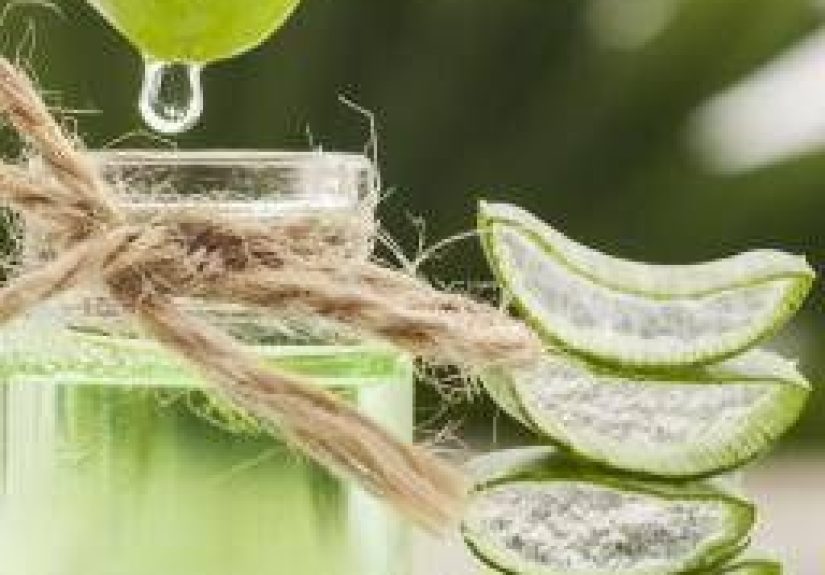
Aloe vera gel (the clear, slippery inner part of the leaf) is mostly water, plus a mix of naturally occurring compounds
like sugars (polysaccharides), amino acids, vitamins, minerals, and plant antioxidants. Those polysaccharides are a big
deal because they’re associated with soothing, moisturizing, and protective propertiesone reason aloe is widely used
topically in skin care and wound-care research.
One important distinction: aloe gel (inner leaf gel) is not the same as aloe latex
(the yellow sap near the leaf’s outer layer). Latex is the part associated with harsh laxative effects and safety
concerns when taken orally. For hair and scalp care, you’re typically looking for the clear gelnot the yellow sap and
definitely not a “drink it for hair growth” detour.
Top Benefits of Aloe Vera for Hair (The Realistic, Evidence-Informed List)
1) It can soothe an itchy, irritated scalp
If your scalp feels itchy, tight, or cranky, aloe’s cooling feel can be genuinely comforting. The best way to think
about this is: aloe may help calm the symptoms (itch and irritation), especially when dryness or mild
inflammation is part of the problem.
This is why aloe shows up so often in scalp products aimed at itch relief. It’s not a guaranteed fix for every cause
of scalp itching (psoriasis, seborrheic dermatitis, allergic reactions, product irritation, and infections can all
feel similar at first), but it can be a helpful supporting player in a scalp-friendly routine.
2) It may help with flakes when dryness or mild scalp inflammation is involved
Flakes have multiple causes. Some are “my scalp is dry,” and some are “my scalp is throwing a tiny, dramatic tantrum”
(like dandruff/seborrheic dermatitis). Aloe is often discussed in the dandruff conversation because a healthier,
calmer scalp environment can make flakes less noticeable and less itchy.
That said, dermatologists typically recommend proven anti-dandruff actives (like ketoconazole, zinc pyrithione,
selenium sulfide, salicylic acid, sulfur, or coal tar) when dandruff is persistent. Aloe can complement a routine,
but if flakes are a long-running series instead of a one-episode cameo, you’ll likely need an anti-dandruff shampoo
with one of those evidence-based ingredients.
3) It boosts “slip,” softness, and manageability
Even if you never cared about the chemistry of hair, you’ve definitely cared about the experience of detangling it.
Aloe gel has a naturally slippery texture that can reduce friction while finger-detangling or combing. Less friction
can mean less breakage, fewer snapped strands, and fewer moments of staring at your brush like it betrayed you.
Aloe also plays well in conditioning formulas because it can make hair feel smoother and more flexible, especially
if your hair is dry, textured, or heat-styled.
4) It helps hair look shinier (by improving hydration and smoothing the surface)
“Shine” usually comes from how smoothly hair reflects light. When hair is dry or rough, it scatters light, and your
hair looks dull. Aloe won’t magically change your hair’s genetics, but it can help hair behave like it’s
having a better daymore hydrated, less rough, and therefore shinier-looking.
The key is pairing aloe with a good conditioner. Aloe can help with hydration, but most hair types still need
conditioning agents (and sometimes lightweight oils or silicones) to lock in moisture and smooth the cuticle.
5) It can feel refreshing for oily roots and product buildup (with a big asterisk)
Some people like aloe as a “reset” step because it feels clean and light. Aloe is often described as helping with
excess oil and residue, and you’ll see it marketed that way in hair care. In real life, the benefit is often more
about how aloe feels and how it fits into cleansing routines than about it acting like a heavy-duty clarifier.
If you deal with real buildup (dry shampoo layers, pomades, heavy styling creams), you’ll still want an occasional
clarifying shampoo. Aloe can be a gentle add-on, but it shouldn’t be forced to do a job meant for surfactants.
(Aloe is talented, not magical.)
6) It’s a friendly option after sun exposure or heat stylingwhen your scalp feels “stressed”
Aloe’s reputation for soothing sun-exposed skin is one reason people reach for it when the scalp feels tender or
overworked. If you’ve had a lot of sun, hot tools, or tight styles, aloe can feel calming when applied gently.
This is more of a comfort benefit than a cure, but comfort counts.
What Aloe Vera Probably Won’t Do (No Matter How Convincing the TikTok Was)
It won’t “regrow hair” in a reliable, proven way
Hair growth is complicated. Hormones, genetics, stress, nutrition, medications, autoimmune conditions, and scalp
inflammation can all affect shedding and density. Aloe may support scalp comfort and reduce breakage by improving
manageability, but that’s not the same thing as proven regrowth for pattern hair loss.
It won’t replace dandruff medications if dandruff is persistent
If you have ongoing flakes, scalp redness, or thick scaling, think of aloe as supportivelike a nice supporting
actornot the lead. If symptoms persist, evidence-based dandruff shampoos (or a dermatologist visit) are more likely
to give you the “finally, peace” outcome.
Eating or drinking aloe isn’t a shortcut to better hair
Oral aloe products have different safety considerations than topical gel, and “internal aloe for hair” is not a
slam-dunk idea. For hair and scalp benefits, topical use is the usual routeand the one most commonly considered
well-tolerated for many people.
How to Use Aloe Vera for Hair (Without Making Your Scalp Mad)
Option A: Scalp soothing gel (pre-shampoo)
This is a popular method if you’re targeting itch, tightness, or mild flaking.
- Apply a thin layer of aloe gel directly to the scalp (section your hair if needed).
- Leave it on for 10–30 minutes.
- Shampoo and condition as usual.
Why pre-shampoo? Because it reduces the chance of leftover gel drying oddly on the scalp, and it’s easier to rinse
cleanespecially if your hair is thick or curly.
Option B: Mix-in booster for conditioner or hair mask
If your goal is softness and shine, mixing a small amount of aloe into conditioner can add slip and a lightweight
hydration boost.
- In your palm or a bowl, combine conditioner with a teaspoon (or so) of aloe gel.
- Apply mid-lengths to ends (and only on the scalp if your scalp likes it).
- Rinse well.
Option C: Leave-in for curls (lightweight styling helper)
Many curl routines already rely on water + humectants + styling polymers. Aloe can fit in as a light leave-in step
when used sparingly.
- Apply a pea-to-dime-sized amount to damp hair.
- Follow with your usual leave-in or curl cream to prevent dryness.
- Scrunch and style.
Tip: if your hair is sensitive to humectants (frizz in humidity, dryness in very dry weather), test aloe on a small
section first and adjust.
Option D: Store-bought aloe hair products (the “no mess, no stress” route)
If DIY isn’t your thing (valid), look for shampoos, scalp serums, and masks where aloe is listed near the top of the
ingredient list. Try to avoid formulas loaded with drying alcohols and heavy fragrance if you’re irritation-prone.
This route also reduces the risk of contamination you can get from kitchen mixing.
Choosing the Right Aloe (and Avoiding the Wrong Kind)
Fresh plant gel vs. bottled gel
Fresh gel feels luxurious and funlike you’re in a spa run by a plant. Bottled gels are convenient and often more
stable. Either can work, but quality matters.
- If using fresh gel: rinse the leaf, slice it open, and use the clear inner gel. Avoid the yellow sap.
- If using bottled gel: choose a product intended for topical use, ideally with minimal additives.
Do a patch test (yes, even if you’re “not sensitive”)
Aloe is generally well tolerated topically, but some people get burning, itching, rash, or irritationespecially if
they’re reactive to certain plants or fragrances added to products. Patch testing takes a couple of minutes and can
save you a week of scalp regret.
Safety Notes and When to See a Pro
Aloe is popular partly because it’s often considered gentle, but “natural” doesn’t automatically mean “works for
everyone.” Stop using aloe and consider medical advice if you notice:
- Worsening redness, swelling, hives, or burning
- Oozing, crusting, or signs of infection
- Thick scaling, bleeding, or hair loss in patches
- Persistent dandruff that doesn’t respond to evidence-based anti-dandruff shampoo
If you have a diagnosed scalp condition (psoriasis, eczema, seborrheic dermatitis), aloe may help comfort, but your
main plan should come from proven treatments and a clinician’s guidance.
The Bottom Line: Why Aloe Vera Earned Its Place in Hair Care
Aloe vera is best viewed as a scalp-and-hair comfort ingredient: it can soothe irritation, support
hydration, improve slip for easier detangling, and help hair look shinier by making it feel softer and smoother.
It’s not a guaranteed hair-growth miracle, and it won’t replace medicated dandruff treatments when you truly need them.
But as a routine-friendly helper? Aloe has earned its reputationjust keep expectations realistic and use it smartly.
Experiences: What People Commonly Notice When Using Aloe Vera for Hair
Since aloe is used in everything from salon products to DIY masks, a lot of “aloe hair stories” sound similareven
across different hair types. Below are experience-style examples based on common patterns people report, plus what
usually makes the difference between “wow, nice” and “why is my scalp upset?”
1) The Curly-Hair Detangling Win
A frequent experience among people with curly or coily hair is that a small amount of aloe gel on damp strands makes
detangling feel less like a negotiation. The hair has more “slip,” fingers glide more easily, and there’s less
snapping and breakage during wash day. The biggest success factor is using aloe as a helper, not the whole plan:
aloe first for glide, then conditioner or a leave-in to keep the hair from feeling rough once it dries.
The funny part? People often start with “I used a lot because my hair is dry,” then learn that less aloe can be
more. Too much can leave a stiff or tacky feeling depending on the product and climatelike your curls put on a thin
gel helmet without telling you.
2) The Flaky-Scalp “Calmer Week”
Another common report: aloe doesn’t always erase flakes overnight, but it can reduce the itch and tight feeling that
makes dandruff extra annoying. People who get the best results often apply aloe as a pre-shampoo scalp treatment
for 15–30 minutes, then wash with an anti-dandruff shampoo (if needed) and follow with a gentle conditioner.
The biggest lesson here is expectation management: aloe can make the scalp feel calmer, but if flakes come from a
persistent condition like seborrheic dermatitis, aloe alone may be “nice” rather than “fixed.” Many people end up
keeping aloe in the routine for comfort while using proven dandruff actives to handle the root problem.
3) The Post-Gym Grease Patrol (Lightweight Refresh)
People with oily roots sometimes like aloe because it feels refreshing and light, especially between full wash days.
A typical experience is applying a tiny amount to the scalp, letting it sit briefly, then rinsing and shampooing
normallyor using aloe only on the lengths for softness while keeping the scalp routine focused on cleansing.
The “aha” moment is realizing aloe is not a true clarifying product. It can feel clean, but heavy buildup still
needs a clarifying shampoo occasionally. Aloe is more like the supportive friend who brings water and snacks; it’s
not the person doing the heavy lifting in the moving truck.
4) The Heat-Styled Hair Softness Boost
People who blow-dry or flat-iron frequently often describe aloe as making hair feel softer and more pliableespecially
when it’s mixed into a conditioner or used in a mask. The most noticeable change is usually touch and behavior:
less roughness, fewer tangles, and hair that seems to “lay better.” This can indirectly reduce breakage by reducing
friction (brush + rough hair is a classic villain pairing).
The best results tend to happen when aloe is paired with conditioning ingredients (fatty alcohols, silicones, oils,
or butters). Aloe alone is rarely enough to make heat-stressed hair feel luxurious, but aloe plus a solid conditioner
can feel like your hair finally exhaled.
5) The “Oops” Story: When Aloe Irritates Instead of Helps
Not every aloe experience is a love story. Some people try a heavily fragranced aloe gel, or they use fresh aloe
without avoiding the yellow sap, and they end up with itching or stinging. Others apply aloe and then layer multiple
strong scalp products on top (acids, medicated treatments, intense essential oils), and the combo becomes irritating.
The fix is usually simple: patch test, choose simpler formulations, and don’t stack too many “active”
products at once. When aloe works, it tends to feel soothing. When it doesn’t, your scalp makes it clearloudly.
Overall, the most consistent “best aloe results” come from people who treat aloe like a smart accessory: targeted,
moderate use, paired with a routine that matches their hair type and scalp needs. Aloe isn’t a miracle, but it can
absolutely be a reliable “good hair day assistant.”






 Close
Close