
Table of Contents >> Show >> Hide
- Why Phoenix Has So Many Biting Bugs
- Mosquitoes: The Classic Phoenix Biter
- No-See-Ums and Biting Midges: Invisible Itch Machines
- Kissing Bugs: Small Bite, Big Reputation
- Bed Bugs: Biting While You Sleep
- Fleas and Ticks: Pet-Related Pests in the Desert
- Spiders and Scorpions: Not Insects, Still Ouch
- Ants and Other Occasional Biters
- How to Tell Which Biting Bug Got You
- Prevention Tips for Phoenix Homeowners
- Real-Life Experiences with Biting Bugs in Phoenix
- Conclusion
If you’ve ever tried to enjoy a sunset in Phoenix only to be eaten alive by something tiny, winged, or mysteriously invisible, welcome to the club.
The Sonoran Desert might look dry and dusty, but it’s crawling, buzzing, and occasionally swooping with biting bugs that love a good human buffet.
From mosquitoes hanging around backyard pools to sneaky bed bugs in your suitcase, Phoenix residents deal with a surprising variety of biting pests.
Understanding which biting bugs live in Phoenix, what their bites look like, and how to keep them off your skin is a big part of protecting your health
and sanity. Some pests are just irritating, leaving itchy welts and ruined outdoor plans. Others can spread serious diseases to people and pets.
This guide breaks down the most common types of biting bugs in Phoenix, how to spot them, and what you can do to fight back without losing your cool.
Why Phoenix Has So Many Biting Bugs
On paper, you’d think Phoenix’s hot, dry climate would be too harsh for many insects. In reality, the city’s mix of irrigation, backyard landscaping,
swimming pools, canals, and monsoon storms creates a patchwork of perfect breeding spots for biting bugs. When rain from late summer storms pools in
low spots, clogged gutters, or neglected pools, mosquitoes can go from zero to “why are there clouds of bugs in my yard?” in just a few days.
Urban growth has also helped biting bugs thrive. Dense neighborhoods, pets, lush lawns, and constant watering give fleas, ticks, and ants plenty of
reasons to stick around. Add in warm nights, long summers, and relatively mild winters, and you end up with an extended “bug season” that can stretch
well beyond the traditional summer months.
Mosquitoes: The Classic Phoenix Biter
Mosquitoes are probably the most famous biting bugs in Phoenixand unfortunately, they’re not just annoying. In and around the city, you’ll mostly find:
- Culex mosquitoes, which are known carriers of West Nile virus and St. Louis encephalitis.
- Aedes mosquitoes, including Aedes aegypti, the day-biting species linked to diseases like dengue, Zika, and chikungunya in other regions.
Mosquitoes love stagnant water. In Phoenix, that might mean:
- Unmaintained or “green” swimming pools
- Buckets, plant saucers, or toys holding water after irrigation or rain
- Clogged gutters and drains
- Low spots in yards that stay damp
Mosquito bites usually appear as round, itchy bumps on exposed skinarms, legs, ankles, and neck are favorite targets. If you spend a night outside and
wake up with a dozen new “mystery itches,” mosquitoes are a good suspect. While not every bite carries disease, Phoenix has regular mosquito-borne
illness activity, so it’s smart to take precautions.
To reduce mosquito problems around your home:
- Dump standing water every few days, especially after irrigation or storms.
- Keep pool water filtered and treated, even in the off-season.
- Repair screens on windows and doors.
- Use EPA-registered insect repellent when you’re outdoors, especially at dawn and dusk.
No-See-Ums and Biting Midges: Invisible Itch Machines
If you’re getting tiny, intensely itchy bites but rarely see anything flying around, you might be dealing with no-see-umsalso known as biting midges.
These insects are incredibly small (think specks more than full-size bugs) but pack a surprisingly painful bite.
In Arizona, many no-see-ums belong to the genus Culicoides, part of a large family of biting midges. They often hang around damp areas,
such as irrigated lawns, areas near canals, or spots with wet soil. They’re especially active around sunrise and sunset, making an evening on the patio
feel like you’re under microscopic attack.
No-see-um bites:
- Are usually very small, red or pink bumps
- Can be more painful or itchier than mosquito bites
- Often appear in clusters on exposed areas like legs, arms, or neck
Because you rarely catch them in the act, people often assume they’re allergic to something in the yard or that “something in the grass” is biting them.
In reality, a swarm of nearly invisible midges might be quietly snacking.
Helpful strategies include using fine-mesh screens, running fans on patios (they’re weak fliers), and avoiding outdoor activities at peak biting times
if they’re especially bad in your neighborhood.
Kissing Bugs: Small Bite, Big Reputation
Kissing bugsalso called triatomine bugsare one of the more unsettling biting insects associated with Arizona. They get their nickname because they
often bite around the mouth or eyes while people are sleeping. These insects feed on blood and are known carriers of the parasite that causes
Chagas disease, a serious illness that can affect the heart and digestive system over time.
Kissing bugs are found in the southern half of the United States, including Arizona, and are commonly associated with:
- Rural or semi-rural homes
- Dog kennels and outdoor pet areas
- Wildlife shelters, woodpiles, and rodent nests
A kissing bug bite itself may not be particularly dramaticoften it’s just a swollen, itchy spot, sometimes with a large area of redness. The bigger
concern is when parasite-carrying bugs leave infected droppings near the bite. If someone scratches the area or rubs their eyes or mouth, the parasite
can enter the body and potentially cause infection.
While the overall risk of Chagas disease in Phoenix is still considered low compared with parts of Latin America, awareness is increasing as more cases
are identified across several U.S. states. Pet owners should be especially cautious, as dogs can be exposed outdoors and may bring kissing bugs closer
to homes.
To reduce risk:
- Seal cracks and gaps around doors, windows, and foundations.
- Bring pet food indoors at night and keep outdoor lights to a minimum when possible.
- Keep yards clear of piles of wood, debris, and rodent nests that can shelter these bugs.
Bed Bugs: Biting While You Sleep
Phoenix is a busy travel hub, which makes it an attractive place not just for tourists, but for bed bugs hitching rides on luggage and clothing.
These tiny, flat, reddish-brown insects hide in beds, sofas, baseboards, and other cracks near where humans rest.
Classic signs of bed bugs include:
- Itchy bites in rows or clusters, often on arms, shoulders, back, or legs
- Small dark spots (droppings) on sheets, mattresses, or headboards
- Actual bugs or shed skins along mattress seams or behind bed frames
Bed bug bites can look similar to mosquito or flea bites, but the “breakfast, lunch, and dinner” patternthree or more bites in a lineis a common clue.
Although bed bugs are not known to spread disease, their presence can cause major stress, insomnia, and allergic reactions in some people.
Because bed bugs are so hard to eradicate with DIY methods, most infestations in Phoenix homes and apartments are best handled by professional pest control.
Frequent travelers can reduce their risk by checking hotel beds, keeping luggage off the floor, and washing and drying clothes on high heat after trips.
Fleas and Ticks: Pet-Related Pests in the Desert
Even in a desert environment, fleas and ticks are a reality for Phoenix pet owners. Fleas are typically brought into homes by cats and dogs, then happily
bite humans once they’re established indoors.
Flea bites:
- Are small, red spots often surrounded by a halo
- Usually appear on feet, ankles, and lower legs
- Are intensely itchy and may appear in clusters
Ticks tend to be more of a problem for people and pets who hike, camp, or live near natural open spaces. They latch onto exposed skin and feed slowly,
sometimes going unnoticed for hours. Different tick species can spread illnesses such as Rocky Mountain spotted fever or other tick-borne infections.
Protection tips include:
- Keeping pets on year-round veterinarian-recommended flea and tick preventives
- Vacuuming carpets and washing pet bedding frequently
- Wearing long sleeves and pants on the trail and checking your body and pets after outdoor activities
Spiders and Scorpions: Not Insects, Still Ouch
While spiders and scorpions aren’t technically “bugs” (they’re arachnids), they definitely belong on the Phoenix “things that bite or sting” list.
Two common concerns include:
- Black widow spiders – shy but venomous, usually hiding in garages, sheds, and cluttered corners.
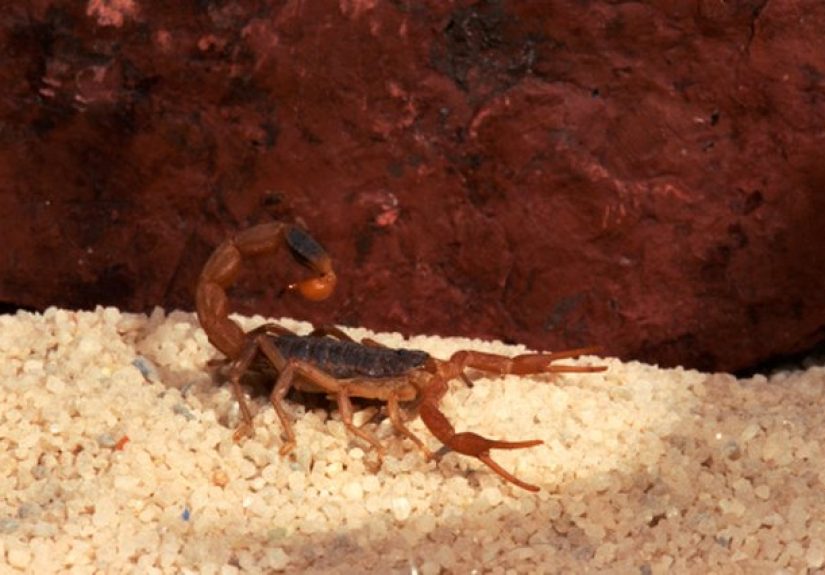
- Arizona bark scorpions – small but highly venomous, able to squeeze through narrow gaps and sometimes found indoors.
Most spider bites are painful but not medically serious, though anyone with severe symptoms should seek medical care. Bark scorpion stings can cause
intense pain, numbness, and, in some cases, more serious symptoms, especially in children or people with underlying health issues.
Good housekeepingreducing clutter, sealing gaps, shaking out shoes, and using yellow “bug” lights outdoorscan help make your home less appealing
to these nighttime prowlers.
Ants and Other Occasional Biters
Arizona is home to several ant species, and while many are just annoying pantry raiders, some can bite or sting. Harvester ants and certain fire ants
can deliver painful stings that leave burning, swollen welts. In yards and parks, barefoot walkers and kids playing on the ground are prime targets
if they stumble onto a disturbed mound.
Other occasional biters you might encounter around Phoenix include:
- Gnats and small flies that bite near irrigated fields or golf courses
- Earwigs or beetles that nip when handled, though they’re more annoying than dangerous
While these pests aren’t usually linked to serious diseases, they can still make outdoor time miserable if their populations spike in your area.
How to Tell Which Biting Bug Got You
Without a lab and a tiny insect confession booth, you’ll never be 100% sure what bit you. But certain patterns can help narrow it down:
- Mosquitoes: Single raised bumps or scattered bites on exposed skin, often worse after evenings outside.
- No-see-ums: Very small, intensely itchy bumps in clusters, especially on legs and ankles after time near damp or grassy areas.
- Fleas: Multiple tiny bites around ankles and lower legs, often under socks, sometimes in lines or clusters.
- Bed bugs: Groups or rows of bites on areas exposed while sleepingarms, shoulders, back, or legs.
- Kissing bugs: Larger swollen bite, occasionally near the face, with localized redness and itching.
Allergic reactions, skin sensitivity, and scratching can make different bites look more alike over time. If you experience symptoms such as fever,
severe swelling, shortness of breath, chest pain, or persistent illness after being bitten, it’s important to contact a healthcare providerespecially
if you’ve been exposed to mosquitoes, ticks, or kissing bugs.
Prevention Tips for Phoenix Homeowners
The good news: you don’t have to surrender your backyard or your sleep to biting bugs. A few consistent habits can go a long way.
Control Moisture and Standing Water
- Dump and scrub containers that hold water at least once a week.
- Repair irrigation leaks and avoid overwatering lawns.
- Maintain pools properly or cover and treat them if not in use.
Bug-Proof Your Home
- Install and repair window and door screens.
- Seal gaps around pipes, cables, and foundation cracks.
- Use door sweeps to close gaps where insects can slip in.
Protect People and Pets
- Use insect repellent when spending time outdoors, especially near water or at dusk.
- Keep pets on year-round flea and tick prevention.
- Shake out shoes, jackets, and bedding that have been stored in garages or sheds.
In areas with heavy mosquito or biting-bug activity, local vector control agencies and professional pest-control companies can help identify
problem sources and treat them safely. For severe or recurring issues, especially involving mosquitoes, kissing bugs, or bed bugs, professional
help is often more effective than DIY sprays alone.
Real-Life Experiences with Biting Bugs in Phoenix
Ask almost any long-time Phoenix resident, and you’ll hear a bug story. Maybe it’s the summer a neighbor’s neglected pool turned into a mosquito
factory, or the mystery of the “invisible biters” that attacked during evening barbecues. These real-world experiences show how quickly small
pest problems can growand how a few smart steps can turn things around.
One common scenario goes like this: a quiet neighborhood suddenly starts complaining on community pages about “crazy mosquitoes” after a stretch
of late-summer storms. The yards look fine, and nobody has discovered a swamp, but there are still swarms of mosquitoes at dusk. Eventually, someone
realizes a vacant home on the street has a green, untreated pool collecting leaves and rainwater. Once the pool is reported to local authorities
and treated, mosquito activity drops dramatically. It’s a perfect example of how a single water source can affect an entire block.
Another familiar story involves no-see-ums and outdoor entertaining. A family might invest in a beautiful patio, complete with string lights,
outdoor furniture, and a grillonly to find that every sunset gathering ends in dozens of tiny, itchy bites. They see a bug here and there but
never anything obvious. After some investigation, they discover that constantly damp soil from nightly irrigation is attracting biting midges.
Adjusting the watering schedule, improving drainage, and adding a fan to the patio often reduces the problem so they can actually enjoy dinner
outside again.
Bed bugs, while less visible, create some of the most stressful experiences. Many Phoenix residents first encounter them after travel: a weekend
trip, a hotel stay, or a visit to a friend or relative’s home in another city. Weeks later, they start noticing itchy bites and small dark stains
on sheets. At first, they blame mosquitoesuntil they see a small, flat bug along the mattress seam. The cleanup is rarely fun: bagging clothing,
washing everything on high heat, vacuuming daily, and coordinating with pest control. But once the infestation is resolved, people typically become
much more vigilant travelerschecking mattresses with a flashlight, storing luggage off beds, and unpacking directly into the laundry room.
Kissing bugs tend to create more fear than inconvenience. Someone living on the outskirts of the city may find an odd-looking bug near their porch
light or dog house and later learn it’s a triatomine. The good news is that not every kissing bug carries the parasite that causes Chagas disease,
and not every bite leads to infection. Still, spotting one is often the nudge people need to seal gaps in their home, clean up woodpiles, and keep
outdoor pet beds raised and away from walls.
The common thread in all these stories is that small changes make a big difference. Fixing one abandoned pool, changing watering schedules,
sealing a few cracks, or treating pets regularly can dramatically reduce biting bugs. Phoenix may never be completely bug-free, but with a little
knowledge and proactive habits, you can keep most of the biting, stinging, and itching outside of your daily lifeand get back to enjoying the
sunsets instead of swatting through them.
Conclusion
Phoenix might be known for its sunshine, saguaros, and stunning skies, but biting bugs are absolutely part of the desert lifestyle. Mosquitoes,
no-see-ums, kissing bugs, bed bugs, fleas, ticks, and the occasional spider or scorpion all have their place in the local ecosystemand sometimes,
unfortunately, in our homes and yards.
By understanding which biting bugs are most common, where they thrive, and how their bites tend to look, you can respond calmly instead of panicking
at the first itchy welt. Combine that knowledge with simple prevention stepscontrolling standing water, sealing entry points, protecting pets,
and calling in professionals when neededand you’ll be far better equipped to keep Phoenix’s biting bugs from taking a bite out of your comfort.






 Close
Close