Table of Contents >> Show >> Hide
- What Is a Bentwood Hairpin Side Chair?
- A Quick History Lesson: From Viennese Cafés to Midcentury Lofts
- Why This Chair Works So Well in Modern Homes
- Where to Use a Bentwood Hairpin Side Chair
- Buying Guide: What to Look For
- Care and Maintenance Tips
- Is the Bentwood Hairpin Side Chair Still in Style?
- Living with a Bentwood Hairpin Side Chair: Real-World Takeaways
- 1. They’re surprisingly forgiving in tight spaces
- 2. The right table height makes or breaks comfort
- 3. Cushions are optional, but great for marathon sessions
- 4. Kids and pets will test your finish
- 5. They move easily, which you’ll love if you entertain
- 6. They hold their own as statement pieces
- 7. They age with personality, not just wear
- Final Thoughts
If a classic Parisian café chair and a midcentury loft table had a stylish little baby, it would be the
bentwood hairpin side chair. With its curvy wooden back and skinny metal legs, this chair looks delicate,
feels surprisingly sturdy, and works almost anywherefrom tiny studio apartments to big family dining rooms.
In this guide, we’ll unpack what makes the bentwood hairpin side chair special, how it evolved from
19th-century cafés and 1940s factories, and how to style, buy, and care for one so it actually survives
everyday life (yes, even with kids, pets, and red wine in the same room).
What Is a Bentwood Hairpin Side Chair?
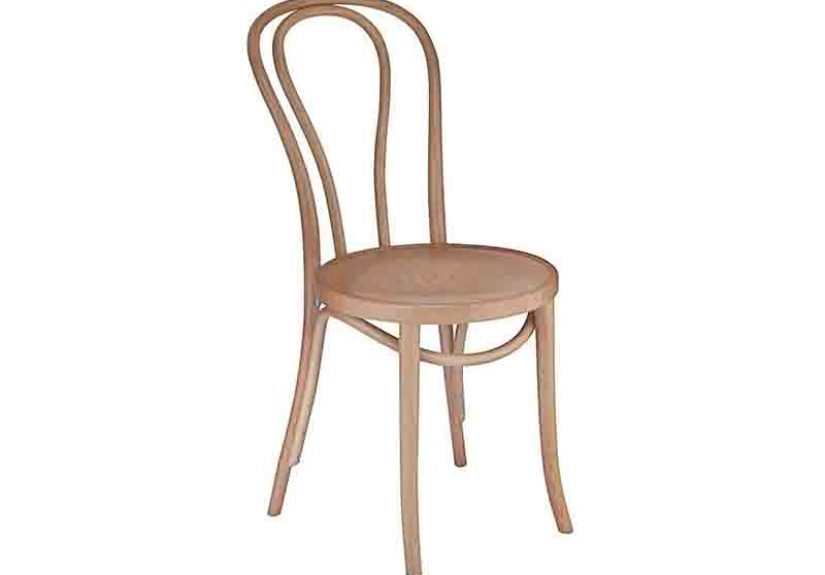
A bentwood hairpin side chair is exactly what it sounds like: a side chair that combines a bentwood
seat and back with slim, metal hairpin legs. The upper part usually echoes the
iconic café chair silhouettearched back, rounded or gently scooped seat, and smooth curves created by
steaming and bending solid wood. The base swaps traditional wooden legs for simple steel rods that curve
down and back up like a hairpin.
The result is a chair that feels:
- Lightweight but strong
- Compact yet comfortable enough for lingering over dessert
- Classic on top and modern on the bottom
That contrastwarm wood above, cool metal belowis exactly why these chairs fit so easily into modern,
eclectic, and minimalist interiors.
A Quick History Lesson: From Viennese Cafés to Midcentury Lofts
The bentwood chair: the original café icon
Bentwood furniture goes back to the pioneering work of Michael Thonet in the mid-1800s. His famous No. 14
café chair made waves for three big reasons: it used steam-bent beechwood, it shipped flat in simple parts,
and it could be produced in huge quantities without losing its graceful form. Over time, that lookarched
back, rounded seat, and airy framebecame the unofficial uniform of cafés and bistros worldwide.
Today, “bentwood chair” often means any wooden chair whose key curves are formed by bending solid wood
rather than carving it from a block. That technique gives you smooth, continuous lines that feel softer than
sharp, angular frames.
The hairpin leg: a wartime design hack
Hairpin legs have a very different origin story. They first appeared in the early 1940s, when industrial
designer Henry P. Glass was asked to create furniture that used as little metal as possible during wartime
rationing. Instead of bulky frames, he bent slender steel rods into U-shaped legs that could support a
surprising amount of weight while keeping the silhouette incredibly light.
Those hairpin legs became a signature of midcentury modern design. You’ll see them on coffee tables,
consoles, desks, and, of course, dining and side chairs. Their appeal hasn’t faded: they still give pieces a
clean, modern profile with a subtle industrial edge.
The mashup: bentwood meets hairpin
When you put a bentwood upper and hairpin legs together, you get the best of both worlds:
- Old-world charm from the curved wooden back and café-style seat
- Modern minimalism from the sleek metal base
- Visual lightness that keeps small rooms from feeling crowded
That’s why the bentwood hairpin side chair works equally well at a rustic farmhouse table, a glossy marble
pedestal table, or a compact kitchen nook.
Why This Chair Works So Well in Modern Homes
It looks light, so rooms feel bigger
Hairpin legs leave a lot of empty space under and around the chair. Your eye sees more floor and fewer bulky
lines, which can make a small dining area look less cramped. If you’re working with a tight city apartment,
a condo, or a narrow breakfast nook, that lightness is a big win.
It’s comfortable enough for long meals
Many bentwood designs are shaped to follow the curve of your spine, with a back that gently wraps around
your shoulders. Add a slightly scooped seat or a simple seat pad, and you get a chair that can handle a
multi-course dinner or a long laptop session without turning your back into a pretzel.
It plays nicely with multiple styles
Because it mixes traditional and modern elements, a bentwood hairpin side chair can slip into almost any
style:
- Scandinavian: pair natural wood with white walls and simple linens.
- Industrial: go for black-stained wood and raw or dark metal legs.
- Boho: layer cushions, throws, and mixed woods around a mismatched table.
- Modern farmhouse: combine warm wood, matte black legs, and a chunky plank table.
As trends come and go, the chair’s basic silhouette stays relevantso you can change the room without
replacing the seating every few years.
Where to Use a Bentwood Hairpin Side Chair
1. Dining room workhorse
The most obvious place for a bentwood hairpin side chair is around the dining table. Its slim profile
means you can often fit an extra seat or two compared with chunkier upholstered chairs.
For a balanced look:
- Use matching bentwood hairpin chairs along the sides for a cohesive line.
- Choose heavier “head” chairs (armchairs or upholstered host chairs) at the ends.
- Play with two wood tonesfor example, light bentwood chairs and a darker table.
2. Home office or studio
If your “office” is a corner of the living room, this style of chair is a smart compromise. It’s comfortable
enough for steady work, but stylish enough that you don’t feel like you dragged a corporate desk chair into
your lounge.
Choose a version with:
- A slightly wider seat for comfort
- Protective caps on the legs so they glide on hardwoods
- A finish that matches or complements your desk or table
3. Bedroom or entryway accent
In a bedroom, a bentwood hairpin side chair can live next to a dresser as a place to toss a sweater, or next
to a window as a mini reading perch. In an entryway, it makes putting on shoes less of a balancing actand
doubles as a spot to drop your bag.
Try adding a small lumbar cushion or a faux sheepskin throw for extra comfort and texture.
4. Small-space dining nook
Pair two bentwood hairpin side chairs with a tiny round café table in a corner, next to a window, or even
along a blank wall with a slim wall-mounted table. Because they visually “disappear” more than big,
upholstered seats, they keep the corner feeling light and airy.
Buying Guide: What to Look For
Not all bentwood hairpin side chairs are created equal. Before you click “add to cart,” check these details:
1. Wood species and construction
Many classic bentwood chairs use beechwood because it bends well and holds its shape. Others may use
different hardwoods or engineered wood. Look for:
- Solid or high-quality engineered wood with a smooth, even grain
- Continuous curves with no visible cracks or stress marks at the bends
- A sturdy seateither solid wood or a well-secured veneer over a stable substrate
2. Hairpin leg thickness and finish
The thickness of the metal rods affects how stable the chair feels. Extremely thin legs might look chic in
photos, but can flex too much in real life. A slightly thicker gauge offers better support while still
looking delicate.
Pay attention to:
- Powder-coated or well-sealed metal to prevent rust
- Weld quality where the legs meet the seat brackets
- Floor-safe feet (caps or glides) that won’t scratch your floors
3. Comfort details
Because side chairs often pull double dutydining, working, chattingcomfort matters. Check:
- Seat width and depth that match your body size and table height
- A backrest that hits somewhere between your mid-back and shoulder blades
- Optional seat pads or upholstered seats if you sit for long stretches
4. Weight capacity and stability
Look for a clearly listed weight rating and reviews that mention how solid the chair feels. Give it the
“wiggle test” after assembly: sit down, rock slightly, and check that nothing feels loose or rattly. A good
bentwood hairpin side chair should feel light in your hand but sturdy under your weight.
Care and Maintenance Tips
Bentwood plus metal legs is a fairly low-maintenance combo, but a little routine care will keep your chair
looking fresh for years.
Cleaning the wood
- Dust regularly with a soft, dry or slightly damp cloth.
- Wipe up spills right away so moisture doesn’t sit on the surface.
- Use mild soap and water only when needed, then dry thoroughly.
- Avoid harsh chemicals, abrasive pads, or soaking the wood.
For sealed finishes, an occasional furniture polish or wood conditioner can help maintain luster. Always
follow the manufacturer’s instructions, especially if the chair has a special finish like matte lacquer.
Caring for the metal legs
- Wipe metal legs with a damp cloth and mild soap if they get sticky or dusty.
- Dry completely to prevent water spots or corrosion.
- If you see small chips in the finish, touch them up to prevent rust.
- Check the floor glides or caps and replace them if they wear down.
Everyday protection
- Use felt pads under the feet on hardwood or tile floors.
- Avoid dragging the chairlift it instead when possible.
- Keep chairs out of direct, intense sunlight to reduce fading or drying of the wood.
With this kind of basic care, a bentwood hairpin side chair can easily last through multiple moves and
several rounds of redecorating.
Is the Bentwood Hairpin Side Chair Still in Style?
Short answer: yeswhen you style it thoughtfully.
Midcentury-inspired design is no longer about recreating a 1960s catalog page with hairpin legs on every
surface and a sea of bright orange cushions. Designers today treat midcentury pieces as timeless building
blocks rather than a strict theme. That means your bentwood hairpin side chair works best when it’s part of
a layered, modern mix:
- Pair it with a warmer, more organic palettethink earthy neutrals, soft greens, and warm woods.
- Mix in textured materials like linen, wool, cane, or rattan.
- Avoid going “all hairpin everything” and instead let the chair be one of several classic silhouettes in the room.
Styled this way, a bentwood hairpin side chair feels intentional and currentnot like a leftover prop from a
retro TV set.
Living with a Bentwood Hairpin Side Chair: Real-World Takeaways
Design theory is nice, but what is it actually like to live with these chairs day in and day out? Here are
some practical “experience-based” lessons that tend to show up once the honeymoon phase with any new furniture
is over.
1. They’re surprisingly forgiving in tight spaces
When you first bring a bentwood hairpin side chair home, the thing you notice isn’t just how good it looks
it’s how little visual space it takes up. In a small apartment, this matters. You can tuck two or four of
these chairs around a compact table and still see plenty of floor and wall, so the room feels open instead of
crowded.
Over time, you realize this is especially helpful near doors and walkways. The slim profile means you’re not
constantly bumping into chair backs as you squeeze past with groceries or laptops.
2. The right table height makes or breaks comfort
On paper, most dining chairs are designed to work with standard table heights. In real life, a few
centimeters can change everything. Because bentwood hairpin side chairs often have slightly thinner seats and
delicate frames, pairing them with an oversized, too-tall table can make them feel a bit “perched.”
The sweet spot is a table that lets you rest your forearms comfortably with your shoulders relaxed and your
feet flat on the floor. If you’re shopping for both at once, test them togetheror measure carefullyto avoid
the “barstool at a dining table” effect.
3. Cushions are optional, but great for marathon sessions
For everyday meals and quick coffee breaks, a well-shaped bentwood seat usually feels just fine. But if your
dining room often becomes a conference room, homework zone, or crafting station, thin cushions or tie-on seat
pads can be game changers.
Choose low-profile cushions that don’t overwhelm the chair’s light frame and stick to fabrics you can spot
clean. Bonus: swapping cushion covers is an easy way to refresh the room’s color palette without buying new
furniture.
4. Kids and pets will test your finish
Sticky hands, soccer cleats, and the occasional enthusiastic cat will all eventually collide with your
chairs. The good news is that bentwood and metal are fairly resilient, but you’ll quickly appreciate a
durable finish.
In a home with kids or pets, a matte or satin finish often hides small scuffs better than a high-gloss
surface. Keep a gentle cleaner, a soft cloth, and touch-up markers or wax sticks on hand so minor dings never
turn into big eyesores.
5. They move easily, which you’ll love if you entertain
One of the underrated perks of a bentwood hairpin side chair is its weight. Because it’s lighter than many
fully upholstered chairs, you can shuffle seating around with one hand when guests arrive. Pull a chair over
to the living room for game night, slide a couple into the kitchen for extra seating, or line them along a
wall when you need more floor space.
This flexibility makes them ideal for multipurpose homes where the dining room is sometimes a studio,
sometimes a classroom, and sometimes a party zone.
6. They hold their own as statement pieces
Even when they’re not part of a full set, these chairs can stand alone beautifully. A single bentwood hairpin
side chair in a hallway, next to a plant and a small wall hook, can turn a dead corner into a micro-mudroom.
In a bedroom, one next to a window and a floor lamp instantly becomes a reading spot.
Over time, you may find yourself moving one favorite chair around the house just to see where it looks best
and it rarely looks out of place.
7. They age with personality, not just wear
With use, tiny marks, softened edges, and slight patina on the metal legs give the chair character. Instead
of looking “ruined,” a well-maintained bentwood hairpin side chair often looks more interesting after a few
years. That’s the charm of quality materials: they don’t hide the fact that they’re being lived withthey
just wear it well.
If your style leans toward spaces that feel relaxed, cozy, and a bit collected over time, this kind of chair
fits perfectly. It doesn’t demand perfection; it just quietly improves as your home evolves around it.
Final Thoughts
A bentwood hairpin side chair is more than a trendy mashup of old and new. It’s a genuinely practical,
adaptable piece that can handle real life: tight spaces, changing styles, and constant rearranging. The warm
curves of bentwood keep it friendly and timeless, while the slender metal legs keep it feeling fresh and
modern.
Choose a well-made version, treat it kindly, and it will follow you from your first tiny rental dining nook
all the way to your forever homestill pulling up a seat at the table, still looking effortlessly cool.
SEO JSON