Table of Contents >> Show >> Hide
- Why This Trend Works (Even When It’s Absolutely Silly)
- The Secret Sauce: Making a Fake Superhero Ad Look Real
- Superheroes, Villains, and the Product Categories They’d Absolutely Dominate
- 1) The “Unbreakable” Hero + Phone Screen Protector
- 2) The Speedster + Two-Minute Bathroom Cleaner
- 3) The Brooding Vigilante + Extra-Strong Coffee
- 4) The Sunshine Hero + Sunscreen
- 5) The Mischief Villain + Hair Gel
- 6) The Tech Genius + Smart Home Hub
- 7) The “Green” Hero + Reusable Water Bottle
- 8) The Precision Villain + Stain Remover
- 9) The Team Leader + Family-Size Snack Mix
- 10) The Shape-Shifter + Multi-Surface Cleaner
- What This Trend Teaches About Branding (Without Feeling Like Homework)
- Important Reality Check: Legal and Ethical Considerations
- How to Create Your Own “Superhero Endorses a Product” Concept (A Mini Playbook)
- Extra : “Experiences” Designers Commonly Have While Making These Concepts
- Conclusion
If you’ve ever watched a superhero save a city and thought, “Cool, but could they sell me dish soap?”congrats,
your brain is officially compatible with the internet. There’s a whole corner of pop-culture design where graphic
designers reimagine superheroes and villains as modern spokespeople: pitching everyday products, posing for glossy
ads, and delivering tagline energy like it’s part of their origin story.
The idea is simple and ridiculously fun: take characters we already know (and arguably trust with our lives),
then drop them into the very un-epic world of toothpaste, laundry detergent, phone chargers, and snack foods.
The result is a mashup that’s half parody, half design flex, and 100% “Wait… why does this feel like a real campaign?”
Why This Trend Works (Even When It’s Absolutely Silly)
1) Instant storytelling with zero backstory needed
Superheroes and villains come preloaded with personality traits: discipline, chaos, vanity, heroism, arrogance,
mystery, optimism, brooding intensitythe whole buffet. In advertising, that’s gold. Designers can skip the slow
build and jump straight to the punchline (or the emotional hook) because the audience already “gets” the character.
2) Character-to-product “fit” is basically a creative playground
The funniest (and most convincing) pieces are the ones where the product matches the character’s vibe:
a super-speed hero endorsing quick-clean wipes, a tech genius pitching a smart home device, or a villain with
immaculate style selling a luxury fragrance. It’s brand strategy… with capes.
3) Designers get to show real-world ad skillswithout a real client
These projects are often built like legit campaigns: strong typography, clear hierarchy, believable product
photography, persuasive copy, and cohesive art direction. It’s portfolio work disguised as comedy. Or comedy
disguised as portfolio work. Either way, it’s a win.
The Secret Sauce: Making a Fake Superhero Ad Look Real
Start with an advertising “job to be done”
A strong concept begins with a clear goal. Is the product supposed to feel premium? Fast? Safe? Eco-friendly?
Once you decide the promise, the character becomes a storytelling toolnot just a costume.
Use visual hierarchy like you mean it
Great ads aren’t just prettythey’re readable at a glance. The best superhero endorsement designs usually nail:
a headline that lands, a supporting line that clarifies, a product shot that’s unmistakable, and a call-to-action
that feels natural. If viewers can’t tell what’s being “sold” in two seconds, the joke (and the design) loses power.
Match lighting, perspective, and texture in compositing
When designers build these in Photoshop, realism comes from the boring stuff: shadows that fall the right way,
highlights that match the environment, film grain that’s consistent, and edges that don’t scream “cut out at 2 a.m.”
A superhero can be fictional; the light source cannot.
Write ad copy that sounds like a real brand (not a meme)
The difference between “funny” and “fake-looking” is often the copy. Real ads have a rhythm: they’re confident,
specific, and not overly explain-y. The best parody ads feel like they were made by an actual creative team who
got way too excited in the concept meeting.
Superheroes, Villains, and the Product Categories They’d Absolutely Dominate
Below are campaign-style examples (original concepts) that show how designers typically map character traits to
product messaging. These are not real endorsementsjust the kind of creative pairing that makes this trend so addictive.
1) The “Unbreakable” Hero + Phone Screen Protector
Concept: A hero known for durability stands calmly beside a phone that survived a dramatic fall.
Headline: “Drop it. We dare you.”
Design notes: Minimal background, sharp product close-up, bold sans-serif type, a subtle “impact crack”
graphic that stops right at the protector’s edge.
2) The Speedster + Two-Minute Bathroom Cleaner
Concept: A blur of motion, then a spotless sink. The punchline is the before/after speed.
Headline: “Cleaned before your playlist finds the chorus.”
Design notes: Motion streaks, a timer motif, and a bright color palette that feels “fast.”
3) The Brooding Vigilante + Extra-Strong Coffee
Concept: Dark city skyline, dark roast, darker attitude.
Headline: “Sleep is for side characters.”
Design notes: High-contrast lighting, dramatic shadows, a premium matte-black package mockup.
4) The Sunshine Hero + Sunscreen
Concept: Smiling hero, bright beach, protective messaging that feels heroic without being preachy.
Headline: “Save your skin like it’s the whole city.”
Design notes: Clean layout, friendly rounded type, and a big, unmistakable SPF callout.
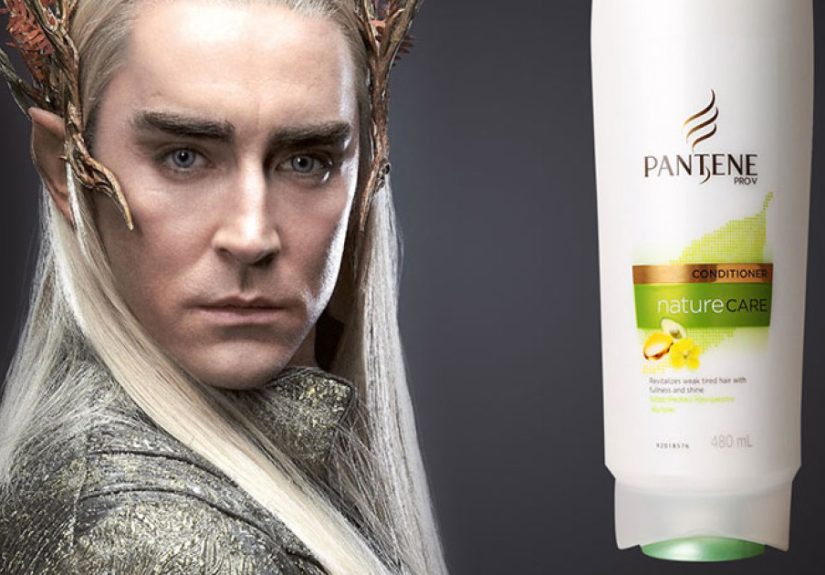
5) The Mischief Villain + Hair Gel
Concept: Perfectly styled hair that looks suspiciously “too controlled.”
Headline: “Chaos everywhere. Not here.”
Design notes: Glossy highlights, sharp typography, and a sleek, high-fashion product shot.
6) The Tech Genius + Smart Home Hub
Concept: A “control room” vibe showing a home dashboard UI and a calm, confident character pose.
Headline: “If your lights aren’t listening to you, that’s a leadership problem.”
Design notes: Futuristic grids, soft glows, and a UI mock that looks plausibly real.
7) The “Green” Hero + Reusable Water Bottle
Concept: A sustainability-forward message with a character who protects nature or the community.
Headline: “Refill. Repeat. Rescue.”
Design notes: Earthy textures, minimalist icons, and a lifestyle photo that feels outdoorsy.
8) The Precision Villain + Stain Remover
Concept: A villain who prides themselves on perfection endorses a product that “eliminates evidence”
without turning it into anything dark or graphic.
Headline: “The stain never stood a chance.”
Design notes: Clinical cleanliness, crisp whites, and tight typographic spacing that screams control.
9) The Team Leader + Family-Size Snack Mix
Concept: Big group energy, big bag energy. Designed like a sports campaign, but with capes.
Headline: “Assemble. Then snack.”
Design notes: Dynamic angle, bold color blocks, and a product hero shot front and center.
10) The Shape-Shifter + Multi-Surface Cleaner
Concept: One character, many formsmirroring a product that works on many surfaces.
Headline: “One bottle. Every mess.”
Design notes: Split-panel layout, subtle transformation effects, and a simple benefit list.
What This Trend Teaches About Branding (Without Feeling Like Homework)
Brand voice is a costume, too
When designers do this well, they’re not just dressing characters upthey’re dressing the brand up. The typography
choices, the color palette, the headline cadence, the product angleeverything signals whether the campaign is playful,
premium, rebellious, or wholesome. Superheroes are the hook, but the brand system is the engine.
Humor works best when the strategy is tight
The funniest ads are often the most disciplined: one clear message, one strong visual idea, one memorable line.
If the concept needs a paragraph to explain, it’s not an adit’s a pitch deck trying to survive.
Important Reality Check: Legal and Ethical Considerations
Pop-culture characters are usually protected by intellectual property laws (copyright and trademarks), and brand-like
presentation can raise extra concerns if it implies an official partnership. That doesn’t mean you can’t create parody
or fan artpeople do it constantlybut it does mean you should be careful about how you publish and monetize it.
Parody isn’t the same thing as “free to use”
In the U.S., “fair use” can sometimes protect parody, but it’s evaluated case-by-case and depends on context.
The safest approach for most designers is to treat these as personal/portfolio concepts, label them clearly as parody,
and avoid presenting them like official commercial adsespecially if money is involved.
If it looks like a real endorsement, disclosure matters
If you’re ever doing actual paid endorsement-style content (in any industry), U.S. advertising rules generally expect
clear disclosure of material connections. Even for parody work, a simple note like “fan-made concept” helps prevent
confusion and keeps the joke clean.
How to Create Your Own “Superhero Endorses a Product” Concept (A Mini Playbook)
Step 1: Pick a product benefit, not a product name
Instead of starting with a specific brand, start with a benefit: “fast cleaning,” “all-day freshness,” “extra durability,”
“quiet comfort.” This keeps the idea more original and easier to design without leaning on recognizable packaging.
Step 2: Cast the character based on the benefit
Match the character’s core trait to the promise. A disciplined hero fits “reliability.” A chaotic villain fits “bold flavor.”
A genius fits “smart tech.” That alignment is what makes the concept feel inevitable.
Step 3: Build an ad layout that passes the “thumbnail test”
Make sure the product is obvious, the headline is readable, and the visual focus is clear even when small.
Social feeds are ruthless. Your composition has to win in a two-inch rectangle.
Step 4: Polish the realism
Match color temperature, add natural shadows, keep edges believable, and unify texture. The more “real” the ad looks,
the funnier it becomesbecause your brain briefly believes it’s possible.
Extra : “Experiences” Designers Commonly Have While Making These Concepts
If you ask designers why they keep coming back to superhero-and-villain endorsement concepts, you’ll hear the same
kind of stories over and overless about capes, more about craft. The first “experience” is usually discovering that
the joke is the easy part, and the ad is the hard part. You can have a perfect pairing (“speedster sells fast cleaner”),
but if the hierarchy is messy or the product shot feels pasted on, the whole thing collapses into “random Photoshop”
instead of “wow, this could run on a billboard.”
Another common experience: learning that characters don’t automatically make copy good. Designers often start by
writing lines that sound like memesfunny, but not ad-like. Then they revise until the headline has that brand cadence:
shorter, sharper, more confident. The shift is noticeable. Suddenly the concept feels less like a fan poster and more like
a campaign. That momentwhen the words finally match the art directionis a weirdly satisfying milestone.
Designers also run into a classic compositing truth: lighting is the boss of everyone. A hero photographed under dramatic
studio lighting can look amazing… until you place them into a bright kitchen scene and realize they now look like a cardboard
cutout with feelings. The fix is rarely one magic button. It’s the slow process: adjusting highlights, matching shadow softness,
balancing contrast, adding subtle grain, and sometimes rethinking the whole background. Many creators say this is where their
skills level up the fastest, because the project is fun enough to keep them tinkering until it works.
Then there’s the “design maturity” moment: choosing restraint. Newer designers may throw every effect into the piecelens flare,
sparks, smoke, bold gradients, heavy texturesbecause superheroes feel like they deserve fireworks. But ad design often benefits
from clarity. Experienced creators learn to pull back: one strong focal point, one smart supporting detail, and typography that
reads like an actual brand system. Ironically, the simpler the layout, the more believable the parody becomes.
Finally, there’s the experience of navigating audience reactions. People love these concepts, but they also love debating them:
“This character would never endorse that!” That’s when designers realize they’ve tapped into something deeper than a joke:
character psychology. The audience isn’t just looking at the productthey’re evaluating whether the character’s “voice” matches
the campaign. When it does, the comments turn into applause. When it doesn’t, the internet becomes your unsolicited creative director.
Either way, designers walk away with sharper instincts about casting, brand fit, and visual storytellingskills that transfer directly
to real client work, minus the boring part where someone asks you to make the logo bigger.
Conclusion
“Graphic Designers Give Superheroes And Villains A Day Job Endorsing Products” isn’t just a fun internet trendit’s a clever,
skill-building format that merges pop culture with real advertising fundamentals. When done well, these concepts prove that great
design can make anything feel believable: a villain selling skincare, a hero pitching stain remover, or a legendary antihero calmly
recommending an all-purpose cleaner like it’s the most dramatic decision they’ll make all day. The capes pull you in, but the design
craft is what makes you stay.