Table of Contents >> Show >> Hide
- Why This Recipe Works (a.k.a. the “Secret Sauce” Behind the Sauce)
- Ingredients
- Step-by-Step: How To Make Beet Fettuccine
- How To Make the Hazelnuts + Goat Cheese Sauce
- Serve It Like You’re in a Restaurant (Without Paying $28)
- Troubleshooting: Fixes for Common “Wait, Why Is It Doing That?” Moments
- Variations (Because You’ll Want to Make This Again)
- Make-Ahead and Storage
- Recipe Card: Beet Fettuccine With Hazelnuts and Goat Cheese
- Kitchen Notes & Real-Life Experiences (500+ Words)
- SEO Tags
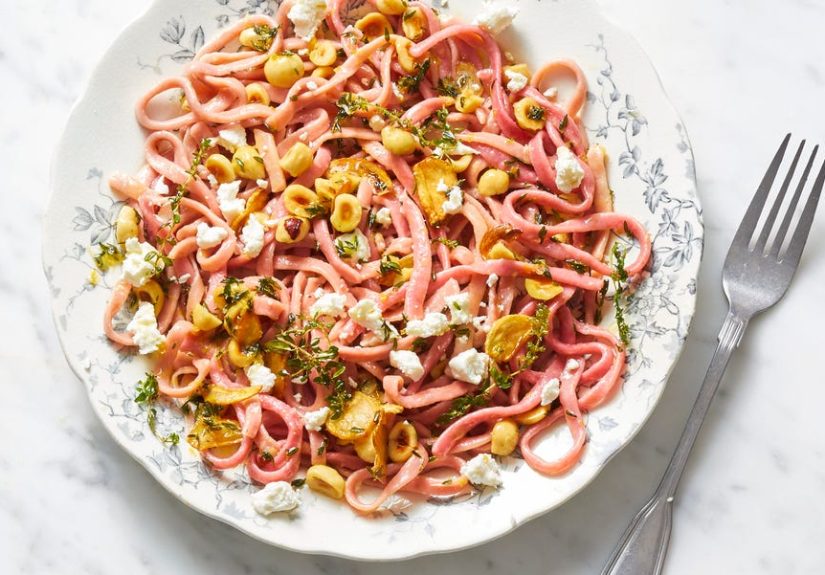
If pasta night had a glow-up, it would look exactly like this: ruby-pink beet fettuccine, creamy goat cheese sauce that clings like it’s got a crush, and toasted hazelnuts bringing the “I’m fancy” crunch. The flavor is surprisingly balancedbeets add gentle sweetness and color (not a dirt-flavored jump scare), goat cheese gives tangy richness, and hazelnuts make every bite feel like you did something impressive on purpose.
This guide walks you through two wins at once: (1) homemade beet pasta that actually behaves, and (2) a goat-cheese sauce that turns silky instead of clumpy. No mystery, no weird hacksjust solid technique, real-world troubleshooting, and a recipe you’ll want to repeat even after the pink cutting board incident.
Why This Recipe Works (a.k.a. the “Secret Sauce” Behind the Sauce)
- Roasted beet purée adds vivid color and mild sweetness without watering down your dough the way straight beet juice sometimes can.
- Egg + yolk-rich dough rolls thinner, cuts cleaner, and cooks up tender with that “fresh pasta bounce.”
- Goat cheese + hot pasta water forms a creamy emulsionthink glossy, not gritty.
- Toasted (and optionally skinned) hazelnuts deliver deep nut flavor and a crisp finish that keeps the dish from feeling heavy.
Ingredients
For the roasted beet purée
- 1 medium red beet (about 8–10 oz)
- 1–2 teaspoons olive oil
- Pinch of kosher salt
For the beet fettuccine dough (serves 4)
- 2 1/2 cups (300 g) “00” flour or unbleached all-purpose flour, plus more for dusting
- 1/2 teaspoon fine salt
- 2 large eggs
- 2 large egg yolks
- 1/2 cup (about 120 g) roasted beet purée (see above)
- 1 teaspoon olive oil (optional, helps dough feel supple)
- Semolina flour, for dusting (optional but helpful for cutting and preventing sticking)
For the hazelnuts + goat cheese finish
- 1/2 cup (about 70 g) hazelnuts, preferably blanched (skins removed)
- 3–4 ounces goat cheese (chèvre), crumbled
- 2 tablespoons unsalted butter
- 1 small garlic clove, finely grated (or 1/2 teaspoon garlic paste)
- Zest of 1 lemon + 1–2 tablespoons lemon juice
- 1/2 to 3/4 cup reserved hot pasta water (you won’t use it all every time)
- 2 tablespoons chopped parsley or chives
- Freshly ground black pepper
- Optional: pinch of red pepper flakes, drizzle of honey, or a handful of arugula
Step-by-Step: How To Make Beet Fettuccine
1) Roast the beet (low effort, high reward)
- Heat oven to 400°F. Scrub the beet well and trim off leafy tops (if any).
- Rub beet with olive oil and a pinch of salt. Wrap tightly in foil and place on a baking sheet.
- Roast 45–60 minutes, until a knife slides in easily. Cool until you can handle it.
- Peel (the skin should rub off easily with a paper towel). Cut into chunks and purée until smooth.
Shortcut: Pre-cooked beets work. Pat them dry, then purée. If they’re watery, simmer the purée for a few minutes to thicken and cool it before using. Your dough wants “mashed potato vibes,” not “beet smoothie.”
2) Make the dough (don’t panic when it looks weird)
- On a clean counter, mound the flour and salt. Make a well in the center.
- Add eggs, yolks, beet purée, and olive oil into the well. Whisk with a fork, gradually pulling flour in from the edges.
- When it becomes shaggy and you can’t whisk anymore, switch to your hands. Press, fold, and knead until it forms a rough dough ball.
- Knead 8–10 minutes until smooth and elastic. If it feels too dry, wet your hands and keep kneading. If it feels sticky, dust lightly with flour.
Fresh pasta dough is basically a mood ring: humidity, beet moisture, and egg size all change the feel. You’re aiming for a dough that’s firm but pliablelike Play-Doh that went to therapy.
3) Rest the dough (this is where the magic happens)
- Wrap dough tightly in plastic wrap or cover with a bowl.
- Rest at room temp for 30–45 minutes (or refrigerate up to 24 hours; bring to room temp before rolling).
Resting relaxes gluten so rolling isn’t a wrestling match. Skipping it is how you end up with pasta sheets that snap back like they’re haunted.
4) Roll the pasta (machine or rolling pinboth count as “homemade”)
- Cut dough into 4 pieces. Keep pieces you’re not using covered.
- Flatten one piece into a rectangle. Dust lightly with flour.
- With a pasta machine: Run through the widest setting, fold into thirds, and repeat 2–3 times until smooth. Then roll progressively thinner until you reach fettuccine thickness (usually setting 5–7, depending on your machine).
- With a rolling pin: Roll from the center outward, rotating and dusting as needed, until the sheet is thin enough to see your hand shadow through it.
5) Cut fettuccine + let it “air-dry” briefly
- Dust the sheet with flour/semolina. Fold loosely into a flat roll.
- Slice into 1/4-inch ribbons. Unfurl immediately and toss with a bit more flour/semolina.
- Let noodles rest on a floured tray or drying rack for 10–20 minutes while you prep the sauce.
How To Make the Hazelnuts + Goat Cheese Sauce
1) Toast (and de-sass) the hazelnuts
- Toast hazelnuts at 325–350°F for 8–12 minutes, shaking once, until fragrant and lightly golden.
- If they have skins, rub warm nuts in a clean kitchen towel to remove as much skin as possible (skins can taste bitter).
- Chop coarsely. You want “crunchy confetti,” not hazelnut dust.
2) Cook the pasta (fast!)
- Bring a large pot of water to a boil and salt it generously (it should taste pleasantly salty).
- Cook fresh beet fettuccine for 1–3 minutes until tender but still bouncy.
- Reserve 1 cup hot pasta water, then drain pasta.
3) Build the sauce in the warm pan
- In a large skillet over medium heat, melt butter. Add garlic and cook 20–30 seconds (just until fragrant).
- Reduce heat to low. Add goat cheese and a splash (about 1/3 cup) of hot pasta water. Stir until creamy.
- Add lemon zest, 1 tablespoon lemon juice, and plenty of black pepper. Stir and loosen with more pasta water as needed.
- Toss in the pasta. Keep tossing until glossy and evenly coated.
- Finish with chopped herbs and toasted hazelnuts. Taste and adjust with more lemon, salt, pepper, or a tiny honey drizzle if you want extra balance.
Serve It Like You’re in a Restaurant (Without Paying $28)
- Texture contrast: Add hazelnuts at the very end so they stay crunchy.
- Color pop: A handful of arugula or baby greens wilted in at the last second looks great and cuts richness.
- Extra credit: Brown the butter lightly before adding garlic for a deeper, nutty base that plays nicely with hazelnuts.
- Cheese balance: Goat cheese is bold; start with 3 ounces if you’re cautious, then add more to taste.
Troubleshooting: Fixes for Common “Wait, Why Is It Doing That?” Moments
Dough feels sticky and won’t roll
Your beet purée was likely wetter than average. Dust lightly with flour, knead briefly, and rest 10 minutes. When rolling, use small dustingstoo much flour makes pasta tough.
Dough is cracking at the edges
It’s too dry. Mist with water or knead with slightly damp hands. If it’s been in the fridge, let it warm up; cold dough is stiff and dramatic.
Pasta strands clump together
Not enough dusting, or you waited too long before separating. Use semolina if you have it, and toss cut noodles gently right away.
Goat cheese sauce looks grainy
Heat was too high or the pan wasn’t warm enough to melt evenly. Keep the heat low and use hot pasta water. Stir steadily; a little more water usually smooths it out.
Hazelnuts taste bitter
That’s often the skin. Toast, rub, and remove as much as you canor buy blanched hazelnuts and live your best, bitterness-free life.
Variations (Because You’ll Want to Make This Again)
- Herby goat cheese: Mix goat cheese with chopped chives, parsley, and a pinch of salt before melting for extra flavor.
- Walnut swap: No hazelnuts? Toasted walnuts or pistachios still give crunch and richness.
- Add protein: Crispy pancetta, seared chicken, or lemony shrimp work well. Keep portions modest so the beet pasta stays the star.
- Vegetable boost: Add sautéed spinach, asparagus tips, or roasted mushrooms for a heartier bowl.
- No time for fresh pasta: Use good-quality dried fettuccine and stir a few tablespoons of beet purée into the sauce for color (not the same, but still very fun).
Make-Ahead and Storage
- Beet purée: Make up to 3 days ahead; store airtight in the fridge.
- Pasta dough: Refrigerate wrapped dough up to 24 hours. Bring to room temp before rolling.
- Cut noodles: Freeze in nests on a tray, then store in a freezer bag up to 1 month. Cook from frozen (add ~30–60 seconds).
- Leftovers: Best fresh, but you can reheat gently with a splash of water in a skillet. Microwave heat can make goat cheese sauce a little moody.
Recipe Card: Beet Fettuccine With Hazelnuts and Goat Cheese
Yield: 4 servings | Total Time: ~1 hour 45 minutes (includes resting; active time ~45 minutes)
Ingredients
- 1 medium beet, roasted and puréed (about 1/2 cup purée)
- 300 g flour + more for dusting, 1/2 tsp salt
- 2 eggs + 2 yolks
- 1/2 cup hazelnuts, toasted and chopped
- 3–4 oz goat cheese
- 2 tbsp butter, 1 small garlic clove
- Lemon zest + 1–2 tbsp lemon juice
- 1/2–3/4 cup hot pasta water (as needed)
- Herbs, pepper, optional chili flakes
Directions
- Roast beet at 400°F until tender; peel and purée smooth.
- Make dough: flour + salt on counter, well in center; add eggs, yolks, beet purée. Mix, then knead 8–10 minutes. Rest 30–45 minutes.
- Roll and cut into fettuccine; dust to prevent sticking.
- Toast hazelnuts; rub off skins if needed; chop.
- Boil pasta 1–3 minutes. Reserve 1 cup pasta water, drain.
- Melt butter, bloom garlic. Off/low heat, melt goat cheese with hot pasta water until creamy. Add lemon + pepper.
- Toss pasta in sauce, loosen with more water as needed. Finish with herbs + hazelnuts. Serve immediately.
Kitchen Notes & Real-Life Experiences (500+ Words)
The first time I made beet fettuccine, I learned an important truth: beets are basically edible hair dye. I had pink fingertips, a rosy cutting board, and one suspiciously magenta dish towel that will never emotionally recover. But here’s the thingonce you see that bowl of vibrant noodles hit the table, you forget all about the evidence of your beet-related crimes. People react to pink pasta the way toddlers react to bubbles: wide eyes, instant joy, and a lot of “WAIT, YOU MADE THIS?” even if you’re standing there like, “Yes, yes I did… please ignore my hands.”
My biggest early mistake was assuming beet purée behaves like a normal ingredient. It doesn’t. Some beets roast up dry and sweet; others seem to hold onto water like it’s their personal hobby. That’s why I now treat the dough like a conversation instead of a command. If it’s sticky, I don’t dump in flour like I’m putting out a fire. I add a teaspoon at a time, knead, and wait. Pasta dough changes as it restsflour hydrates, gluten relaxes, and what felt “too wet” can turn perfectly workable after ten minutes under a bowl.
Rolling is also where confidence gets built. The first sheet might look a little uneven. That’s normal. Fold it, run it again, and suddenly it starts behaving like real pasta. When I’m using a rolling pin, I go slower and accept that the sheet will be slightly rustic. Handmade pasta is allowed to look handmade; it’s part of the charm. And if a strand tears? Congratulations: you’ve made “chef’s snack” while you keep cutting.
The sauce taught me another lesson: goat cheese is delicious, but it has boundaries. Too much heat, and it can go grainy or seize. That’s why I now build the sauce gentlywarm pan, low heat, and pasta water added in small splashes while stirring. When it turns glossy, it feels like you cracked a code. Lemon zest is the underrated hero here. It lifts the whole bowl so it tastes bright instead of heavy, and it makes the beet sweetness feel intentional (not like your pasta took a detour through dessert).
Hazelnuts are the finishing move, but they’re also the detail that separates “good” from “how is this not on a menu?” Toasting them is non-negotiable. Raw hazelnuts can taste flat; toasted ones taste like they woke up and chose greatness. I’ve also learned to respect hazelnut skins. If I’m using unblanched nuts and I’m feeling lazy, I’ll leave some skin on. If I’m serving this to guests I want to impress, I do the towel-rub step and remove as much skin as possible. It’s a small thing, but it smooths out bitterness and lets the nut flavor read as warm and rich.
Now this dish has become a go-to for “I want comfort food, but make it pretty.” It’s perfect for a date night in, a small dinner party, or any moment you want to feel like a person who owns matching napkins. The best part? Once you’ve done it once, the fear disappears. You’ll start roasting an extra beet “just in case,” keeping hazelnuts in the pantry, and casually saying things like, “Oh, I’ll just whip up fresh pasta,” like you weren’t once intimidated by flour on a countertop. That’s the power of beet fettuccine: it turns regular humans into pasta people.