Table of Contents >> Show >> Hide
- What Is Pasta Primavera (And Why Everyone Argues About It)?
- The Secrets to the Best Spring Pasta Primavera
- 1) Pick vegetables like you’re building a playlist
- 2) Cook vegetables in stages (because not everything cooks at the same speed)
- 3) Salt your pasta water like you mean it
- 4) Pasta water is your sauce’s best friend
- 5) Choose a pasta shape that grabs sauce and veggies
- 6) Keep the sauce light, bright, and clingy
- Best Pasta Primavera Recipe (Serves 4)
- How to Make Spring Pasta Primavera Taste Like a Restaurant Dish
- Easy Variations (Choose Your Primavera Personality)
- Make-Ahead, Storage, and Reheating
- Common Pasta Primavera Mistakes (And How to Avoid Them)
- What to Serve With Pasta Primavera
- Conclusion: Your Spring Pasta, Your Rules
- Extra: Real-World Primavera Experiences (The Stuff Recipes Don’t Always Warn You About)
- 1) The “farmers’ market fantasy” vs. the “weekday reality”
- 2) Cutting vegetables is where the magic (and chaos) lives
- 3) The skillet size issue is real (and it changes everything)
- 4) The sauce gets weird if you rush the cheese
- 5) Primavera is a dinner-party cheat codeif you stage it
- 6) Kids (and picky eaters) change the strategy
- 7) Leftovers can be great… with one small upgrade
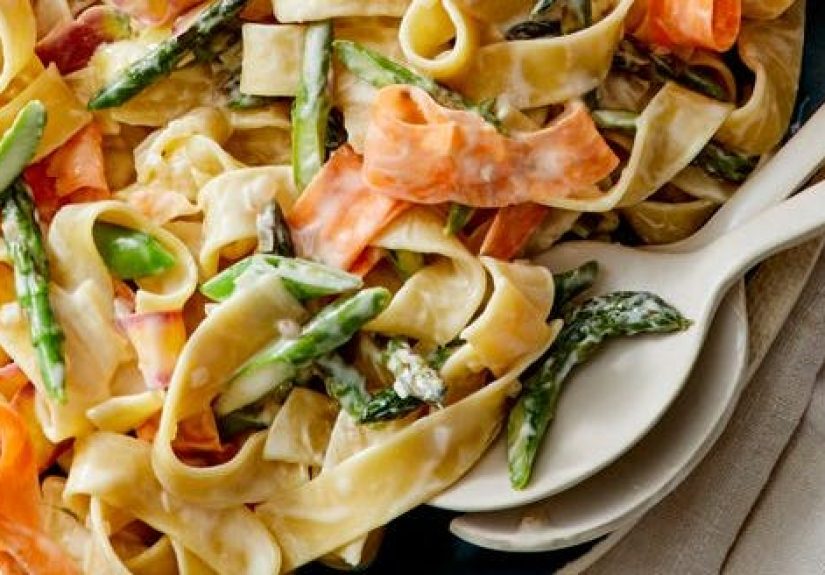
If spring had a signature dish, it would probably wear a bright green jacket, smell faintly like lemon, and insist on showing you its farmers’ market haul. That dish is pasta primaveraa colorful, veggie-packed pasta that tastes like the first warm day after a long winter. It’s fresh, fast, flexible, and (best of all) it makes you look like you have your life together even if you ate cereal for dinner yesterday.
This guide breaks down exactly how to make the best pasta primavera recipe at home: the right vegetables, the best order to cook them, how to make a silky sauce that clings (without turning into a heavy cream bomb), and the easy swaps that keep it “primavera” all season long.
What Is Pasta Primavera (And Why Everyone Argues About It)?
Pasta primavera is an Italian-American classic: pasta tossed with tender-crisp vegetables and a light, glossy sauceoften built from butter and olive oil, Parmesan, and a little cream (or no cream at all), plus lemon and herbs. “Primavera” means spring in Italian, which is why this dish loves peas, asparagus, and anything green that shows up the minute winter stops bullying us.
It also has a fun bit of food history: primavera is widely linked to New York City’s Le Cirque era in the 1970s, then took off in American home kitchens and restaurants. Translation: it’s not an ancient Roman secret. It’s a modern classic that celebrates vegetables the way spring deserves.
The Secrets to the Best Spring Pasta Primavera
1) Pick vegetables like you’re building a playlist
The best primavera isn’t “every vegetable in the drawer.” It’s a balanced mix of:
- Sweet and tender: peas, sugar snap peas
- Grassy and fresh: asparagus, green beans
- Soft and silky: zucchini, yellow squash
- Pop of color: bell pepper, cherry tomatoes
- Optional depth: mushrooms, spring onions/leeks
Keep it to 4–6 vegetables so the dish tastes like primaveranot like a salad bar crash landing in a pasta pot.
2) Cook vegetables in stages (because not everything cooks at the same speed)
This is the make-or-break move. Carrots need time; peas do not. If you cook everything together, you’ll end up with one of two tragedies:
- Crunchy carrots that taste like regret
- Mushy asparagus that looks like it lost a fight
Instead: start with the hardest vegetables, then add the quicker-cooking ones near the end.
3) Salt your pasta water like you mean it
Primavera is a light dish, which means it can’t hide behind heavy sauce. Properly salted pasta water seasons the pasta from the inside out. You want it pleasantly saltynot ocean water, but definitely not “sad spa water.”
4) Pasta water is your sauce’s best friend
That starchy water helps butter, oil, cheese, and lemon come together into a silky emulsion. It’s the difference between “restaurant-style glossy” and “why is my sauce sliding off the noodles?”
5) Choose a pasta shape that grabs sauce and veggies
Long noodles (like linguine) feel elegant, while short shapes (like penne or fusilli) trap sauce and catch little veggie pieces. Great choices:
- Linguine for a classic, twirlable primavera
- Penne for weeknight ease
- Fusilli for maximum sauce-hugging spirals
6) Keep the sauce light, bright, and clingy
The “best” primavera sauce is usually a hybrid: buttery and cheesy with a little richness, but still fresh thanks to lemon and herbs. You can do that with a splash of cream (classic) or no cream at all (modern and lighter). Either way, the goal is glossynot gloopy.
Best Pasta Primavera Recipe (Serves 4)
Ingredients
- Pasta: 12 oz linguine, penne, or fusilli
- Salt: for pasta water (plus to taste)
- Olive oil: 2 tbsp
- Butter: 3 tbsp (divided)
- Garlic: 4 cloves, thinly sliced or minced
- Red pepper flakes: 1/4 tsp (optional, but fun)
- Carrot: 1 medium, cut into thin matchsticks or half-moons
- Asparagus: 1 bunch, trimmed and cut into 1-inch pieces
- Zucchini: 1 small, sliced into half-moons
- Yellow squash: 1 small, sliced into half-moons (or use extra zucchini)
- Sugar snap peas: 1 cup, halved (or green beans, cut small)
- Cherry tomatoes: 1 cup, halved
- Lemon: zest of 1 + 2 tbsp juice (more to taste)
- Parmesan: 3/4 cup finely grated, plus more for serving
- Optional cream: 2–4 tbsp heavy cream or crème fraîche (for classic richness)
- Fresh herbs: 1/2 cup chopped basil and/or parsley and/or mint
- Optional crunch: 1/3 cup toasted pine nuts or pistachios
Vegetable swaps (use what looks best)
You can swap in any of these without breaking the primavera treaty:
- Broccoli florets (small)
- Mushrooms (slice and sauté early for deeper flavor)
- Spring onions or leeks (great with peas and asparagus)
- Fava beans (if you’re feeling fancy and patient)
- Spinach (stir in at the end until just wilted)
Step-by-step instructions
- Boil the pasta.
Bring a large pot of water to a boil. Salt it generously. Cook pasta until just al dente. Before draining, reserve 1 1/2 cups pasta water.
- Start the primavera base.
While pasta cooks, heat a large skillet over medium heat. Add olive oil and 2 tbsp butter. Add garlic and red pepper flakes; cook 30–60 seconds until fragrant (don’t let garlic brown unless you want “toasty” instead of “springy”).
- Cook vegetables in stages.
Add carrots first with a pinch of salt. Cook 2 minutes. Add asparagus; cook 2 minutes. Add zucchini and yellow squash; cook 2 minutes. Add snap peas and cherry tomatoes; cook 1–2 minutes more. You want everything bright and tender-crisp, not soft.
- Build the sauce.
Lower heat to medium-low. Add 1/2 cup reserved pasta water to the skillet. Stir and scrape up any flavorful bits. Add lemon zest and lemon juice. If using cream/crème fraîche, stir it in now.
- Toss pasta + emulsify.
Add drained pasta to the skillet. Toss well. Sprinkle in Parmesan gradually while tossing, adding more pasta water a splash at a time until the sauce looks glossy and lightly creamy. Add the remaining 1 tbsp butter for extra shine.
- Finish like you mean it.
Turn off heat. Stir in fresh herbs and (optional) toasted nuts. Taste and adjust with more salt, lemon, or Parmesan. Serve immediately with extra cheese on top.
How to Make Spring Pasta Primavera Taste Like a Restaurant Dish
Use finely grated cheese
Finely grated Parmesan melts faster and forms a smoother sauce. Big shreds can clump and act like tiny cheese rafts drifting away from your noodles.
Keep the heat gentle when adding cheese
If the pan is too hot, cheese can seize. Toss off heat or on low heat, and use pasta water to keep everything smooth.
Add lemon at the end for brightness
Lemon is the “spring button.” It wakes up the vegetables and keeps the dish from tasting heavy. Start with 2 tablespoons juice, then adjust.
Don’t crowd the pan
If your skillet is small, vegetables steam instead of sauté. Use your biggest pan or cook vegetables in two batches and combine at the end.
Easy Variations (Choose Your Primavera Personality)
No-cream pasta primavera (lighter but still silky)
Skip the cream and rely on butter + olive oil + pasta water + Parmesan. Add an extra splash of pasta water and a little more cheese to keep it glossy. This version tastes especially fresh and lemony.
Classic creamy primavera (the retro favorite)
Add 2–4 tablespoons of heavy cream or crème fraîche for a richer finish. Keep it subtlethis is primavera, not Alfredo’s spring break.
Protein add-ons
- Shrimp: sauté in olive oil 2–3 minutes per side, remove, then add back at the end
- Chicken: use sliced cutlets or rotisserie chicken for speed
- Peas + pancetta: crisp pancetta first, then use the fat as part of your sauce base
Vegan primavera
Use olive oil instead of butter, and swap Parmesan for a vegan Parmesan-style topping (or nutritional yeast + a pinch of salt). Add a spoonful of cashew cream if you want more richness.
Make-Ahead, Storage, and Reheating
Make-ahead tips
- Chop vegetables up to 24 hours ahead and refrigerate.
- Toast nuts ahead (and hide them if you live with snack bandits).
- Grate cheese ahead for faster cooking.
Storing leftovers
Store in an airtight container for up to 3 days. Primavera is best fresh, but leftovers can still be delicious if reheated correctly.
Reheating without sadness
Reheat in a skillet over medium-low with a splash of water (or broth). Stir gently until saucy again. Finish with a squeeze of lemon and a sprinkle of Parmesan to revive the flavor.
Common Pasta Primavera Mistakes (And How to Avoid Them)
- Overcooking vegetables: keep them tender-crisp so the dish feels fresh.
- Skipping pasta water: you’ll miss the silky sauce texture.
- Adding cheese over high heat: clumps happen; lower heat and toss.
- Using too many vegetables: pick a focused mix for better flavor.
- Forgetting acid: lemon (or a tiny splash of vinegar) balances richness.
What to Serve With Pasta Primavera
This dish plays well with others. Try it with:
- A simple arugula salad with lemon vinaigrette
- Garlic bread or crusty bread for sauce-scooping purposes
- Roasted chicken, seared shrimp, or a crispy tofu cutlet
- A chilled sparkling water with citrus, or a crisp white wine if that’s your household vibe
Conclusion: Your Spring Pasta, Your Rules
The best pasta primavera recipe isn’t about following one “correct” vegetable list. It’s about the method: cook veggies in stages, use pasta water for a silky sauce, keep the flavors bright with lemon and herbs, and stop cooking while everything still looks alive. When you do that, pasta primavera becomes the easiest way to put spring on a plateno special occasion required.
Extra: Real-World Primavera Experiences (The Stuff Recipes Don’t Always Warn You About)
Let’s talk about what usually happens in real kitchenswhere the smoke alarm is dramatic, the cutting board is too small, and someone asks, “Is this… a salad?” while you’re sautéing vegetables like a hero.
1) The “farmers’ market fantasy” vs. the “weekday reality”
In a perfect world, you’re buying pencil-thin asparagus and sweet peas that were basically picked while you were walking to the stall. In the real world, you might be staring at slightly thick asparagus and a bag of frozen peas. Good news: primavera is forgiving. Thick asparagus is fine if you slice it thinner and cook it a minute longer. Frozen peas are not a downgrade; they’re a smart shortcut that tastes sweet and bright when stirred in at the end. The big “experience” lesson is this: freshness matters most for the vegetables you don’t cook long (like snap peas and herbs). If anything is worth splurging on, it’s the herbs and the lemon.
2) Cutting vegetables is where the magic (and chaos) lives
Most primavera complaints come down to texture: carrots too crunchy, zucchini too soft, or everything kind of the same. The fix is simple and very “learned-the-hard-way”: cut by cooking time. Carrots should be thin (matchsticks or thin half-moons). Asparagus should be bite-size. Zucchini should be thicker than you thinkthin zucchini goes from “tender” to “why is it melting?” in seconds. When your knife work matches the cook time, the whole dish feels intentional instead of accidental.
3) The skillet size issue is real (and it changes everything)
If your pan is too small, the vegetables steam and release water, and suddenly your “light primavera sauce” becomes “vegetable bath.” This is especially common when you’re excited and add all the veggies at once. A bigger skillet (or cooking in two batches) makes a noticeable difference: you get better flavor and a cleaner, glossier sauce. If you only have a medium pan, one practical trick is to sauté the harder vegetables first, remove them to a plate, sauté the rest quickly, then add everything back at the end with pasta water and cheese.
4) The sauce gets weird if you rush the cheese
A common experience: you toss in Parmesan and it clumps, or the sauce looks stringy. That usually means the pan was too hot or the cheese was added too quickly. The best “home-cook fix” is to turn off the heat, add a splash of pasta water, and sprinkle cheese gradually while tossing. In most cases, it comes back together. If it doesn’t, you can still save dinner: add a little more pasta water, toss hard, and finish with fresh herbs and lemon so nobody notices the sauce had a moment.
5) Primavera is a dinner-party cheat codeif you stage it
For gatherings, primavera feels fancy because it’s colorful and seasonal, but it can also be stressful if you try to do everything at once. The easiest approach is to stage: chop vegetables early, grate cheese early, toast nuts early, and keep the herbs ready. Then when it’s time to cook, you’re basically just boiling pasta and doing a quick skillet sauté. Another party trick: slightly undercook the pasta, then finish it in the skillet with the vegetables and pasta water. That “finish in the pan” step makes the sauce cling like you planned it that way.
6) Kids (and picky eaters) change the strategy
If you’re feeding someone who believes green foods are suspicious, primavera can still work. Two tactics tend to help: (1) use smaller pasta shapes like penne or fusilli and cut vegetables smaller, so everything feels more “pasta-y,” and (2) lean into the cheese and butter just a bit more. You can also keep one vegetable “safe” (like carrots or peas) and limit the rest. Primavera doesn’t have to be a produce paradeit just needs to feel fresh and balanced.
7) Leftovers can be great… with one small upgrade
Primavera leftovers often dry out because the pasta keeps absorbing sauce. The fix is surprisingly simple: reheat with a splash of water (or broth) and finish with a fresh squeeze of lemon and a sprinkle of Parmesan. That tiny hit of acid and cheese makes it taste “new” again. If you have extra herbs, add them after reheating so they stay bright.
The biggest takeaway from all these real-life moments is that primavera isn’t fragileit’s responsive. If your veggies are a little different, if your pan is a little small, if your sauce looks a little shy, you can adjust. Keep the vegetables tender-crisp, use pasta water like it’s part of the ingredient list, and finish with lemon and herbs. That’s how spring pasta primavera wins every time.